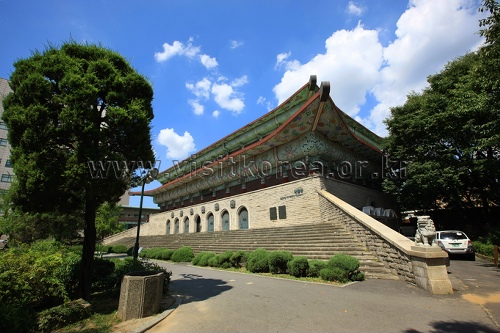
Sejong University Museum (세종대학교 박물관)
7.8Km 2022-09-16
209, Neungdong-ro, Gwangjin-gu, Seoul
+82-2-3408-3876
Sejong University Museum exhibits folk art, wooden crafts, clothing, accessories, pottery, paintings and calligraphy collected for over 40 years by the couple who founded the present day Sejong University, Dr. Ju Young-ha and Dr. Choi Ok-ja. This museum has its origins in the Soodo Gallery, which was built in Chungmuro, the campus’ original location, in 1959. Needing more space to house additional artifacts, the museum moved to its current location, which first opened on May 5, 1973 in a four-story concrete building inspired by traditonal tower design from the Baekje era. This building was later expanded on May 20, 1977.
After the university’s name was changed to Sejong University in 1979, the museum was also renamed the Sejong University Museum. The museum showcases unique artifacts to both scholars and students from home and abroad in contribution to the research of Korea’s culture, arts, and archeology.

THE RIVER DEMATOLOGY (더리버피부과의원)
7.8Km 2025-11-28
6th Floor, 68 Yangpyeong-ro, Yeongdeungpo-gu, Seoul
The River Dermatology Clinic is a dermatology medical clinic located in Seoul. A board-certified dermatologist provides diagnoses and treatments for skin conditions, including laser therapy and injection procedures. It operates primarily as an outpatient clinic.
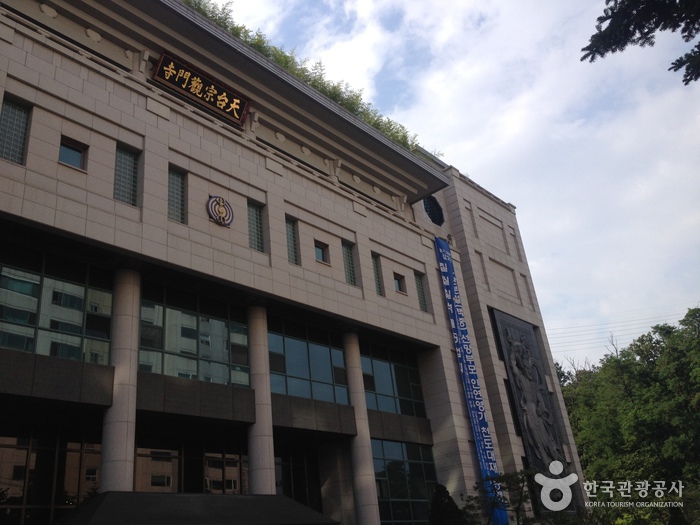
Seoul Gwanmunsa Temple (관문사(서울))
7.8Km 2021-06-01
111, Baumoe-ro 7-gil, Seocho-gu, Seoul
+82-2-3460-5300
Located at the foot of Umyeonsan Mountain in Seocho-gu, Seoul, Gwanmunsa Temple had its ground-breaking ceremony in 1993 and construction was completed in October 1998.
The temple site has a total area of 22,148.76 ㎡ with seven ground levels and four basement levels. The temple was constructed with a mixture of modern and traditional Buddhist architectural designs. Inside the temple, cutting-edge facilities are used for various cultural events, conferences, and sacred ceremonies.
Neighbored by Cheonggyesan Mountain, Umyeonsan Mountain, and Yangjaecheon Stream, the temple is located near many natural spots visitors can enjoy. In particular, Umyeonsan Mountain (alt. 293 m), where Gwanmunsa Temple is located, gets its name for its shape resembling a cow lying down. Designated as a city park and managed by Seoul Metropolitan Government, Umyeonsan Mountain has several valleys with clear spring waters and a dense forest inhabited by diverse animals and plants.
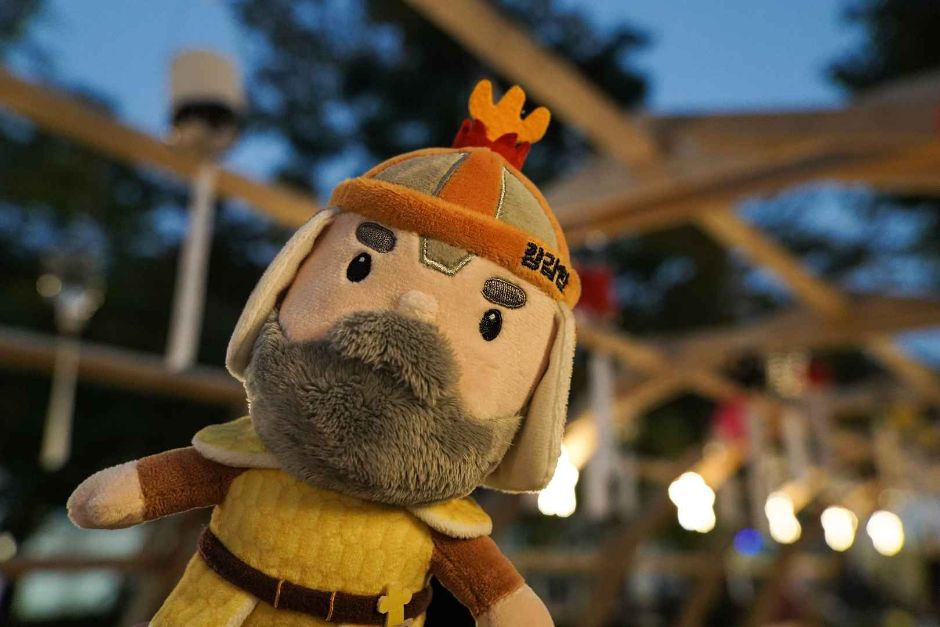
Gwanak Kang Gam-chan Festival (관악강감찬축제)
7.9Km 2025-07-11
77 Nakseongdae-ro, Gwanak-gu, Seoul
+82-2-828-5765
The Gwanak Gang Gam-chan Festival is a historical and cultural event held to honor the patriotic spirit of General Gang Gam-chan, a famous general from the Goryeo Dynasty. The festival is known for its impressive night events, fitting for the location named after a falling star, and features a variety of parades and performances.
◎ Gang Gam-chan and Nakseongdae
General Gang Gam-chan of Goryeo is said to have been born at the place where the fourth star of the Big Dipper fell. This place is called Nakseongdae, which means “the place where the star fell.”
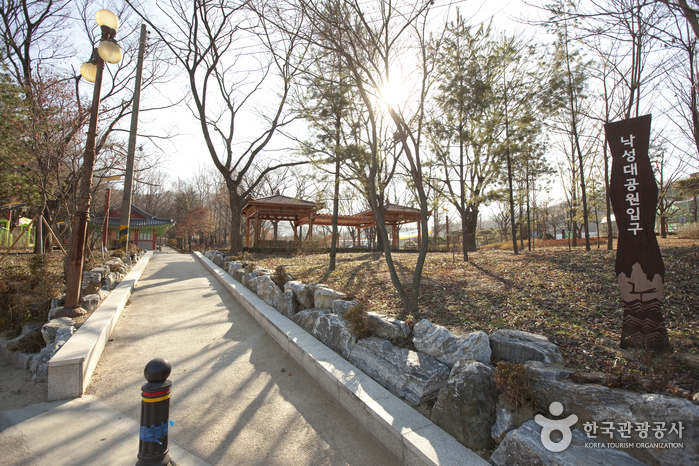
Gwanaksan Mountain Nakseongdae Park (관악산 낙성대공원)
7.9Km 2021-07-16
77, Nakseongdae-ro, Gwanak-gu, Seoul
+82-2-879-6525
Nakseongdae Park was built as a tribute to General Kang Gam-chan (948-1031) of the Goryeo dynasty. In 1973, the city of Seoul reorganized the birthplace of General Kang, resulting in changes to the park. Located inside the park are Anguksa Shrine, the general’s birthplace, and a three-story stone pagoda, which was made during the Goryeo dynasty. The 4.48-meter-high pagoda is made of granite, and is called “Kang Gam-chan Tap (pagoda)” or “Kang Gam-chan Nakseongdae Tap”.
*Anguksa Shrine
Anguksa is a shrine built in 1974 emulating the wooden architecture style of the Goryeo era. The shrine has high ceilings and houses the portrait of General Kang Gam-chan. The shrine is located on the road leading to the back gate of Seoul National University and has become a popular place in the area.
*Nakseongdae Yuji
Nakseongdae Yuji is the birthplace of General Kang Gam-chan and the original location of the three-story pagoda. During the maintenance of Nakseongdae area in 1973, the pagoda was moved into the vicinity of Anguksa Shrine, and a two-meter tall monument was erected in its original location to mark the historical significance of the site.
Mangwon Hangang Park (한강시민공원 망원지구 (망원한강공원))
7.9Km 2025-10-23
467 Maponaru-gil, Mapo-gu, Seoul
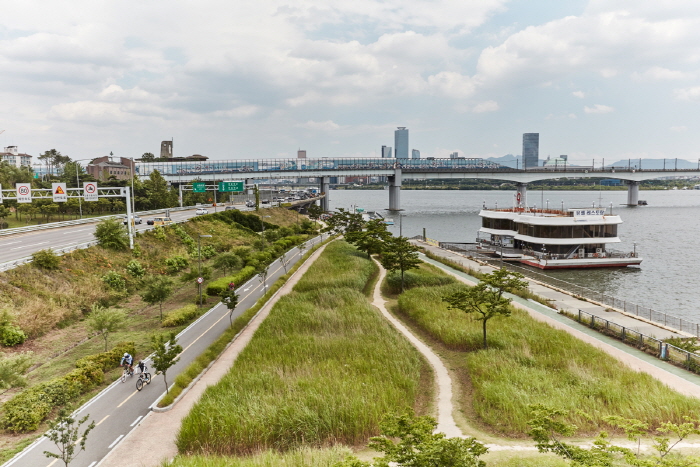
Near Mapo-gu, Mangwon Hangang Park is situated on the northern part of the river, between Wonhyodaegyo Bridge and Seongsandaegyo Bridge. It offers lush grass perfect for picnics and promenades. Since it’s located close to the World Cup Stadium, this spacious park is often full of residents and visitors. There is a wide array of excellent amenities: a bike trail, an outdoor swimming pool, sports facilities, and a dock for water sports such as yachting, waterskiing, and motor boating. Cultural attractions near the park include Mangwon Pavilion and Jeoldusan Martyrs’ Shrine.
Stay Passport Express Spa Dangsan (스테이 패스포트 익스프레스 스파 당산점)
8.0Km 2025-04-09
92-1 Yangpyeong-ro, Yeongdeungpo-gu, Seoul
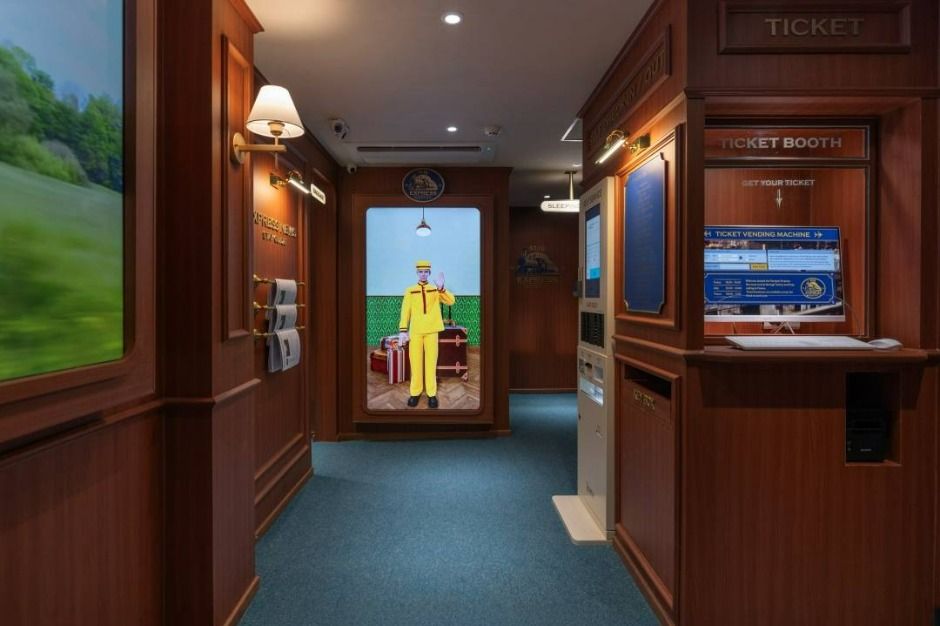
Stay Passport Express Spa Dangsan is inspired by European train trip and has a variety of rooms that sticks to the theme. Room types include COUCHETTE, which comes with a wine chiller and a turntable along with vinyl; SLEEPER 4-1 and 4-2, rooms with a turntable and a jacuzzi for four persons; and SLEEPER, a room with a turntable and a jacuzzi for two. The hotel has limited parking space so guests visiting with a vehicle are advised to inquire in advance for a nearby parking lot.
Seoul Sillim-dong Minsok Sundae Town (서울 신림동 민속순대타운)
8.0Km 2024-02-15
Seoul Sillim-dong Minsok Sundae Town (서울 신림동 민속순대타운)
Minsok Sundae Town is situated near Sillim Station, an area renowned for its abundance of sundae restaurants. Sundae, a quintessential Korean street food, is crafted by blending vegetables, glass noodles, seasoning, and pig's blood, which is then encased in pig intestines and steamed. The flagship menu, sundae bokkeum (stir-fried sundae), involves slicing sundae and stir-frying it with an array of vegetables, chili pepper powder, red chili paste, and other seasonings on a griddle. In addition to the classic, there are variations like baek sundae (sundae), chapssal sundae (sweet rice sundae), and gopchang bokkeum (stir-fried small intestines).
Heungbu Bossam (흥부보쌈)
8.1Km 2024-10-15
15-13 Sillim-ro 59-gil, Gwanak-gu, Seoul
+82-2-888-9464
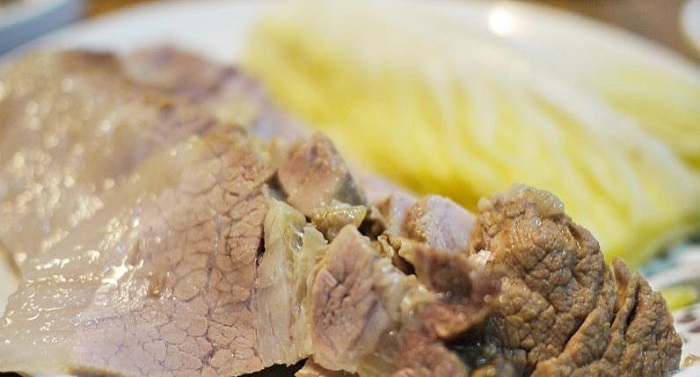
It's a great place to hold group dining and gathering. This Korean dishes restaurant is located in Gwanak-gu, Seoul. The most famous menu is kimchi cabbage wraps with pork.
Gwangnaru Safety Experience Center (광나루안전체험관)
8.1Km 2025-03-29
238, Neungdong-ro, Gwangjin-gu, Seoul
+82-2-2049-4061
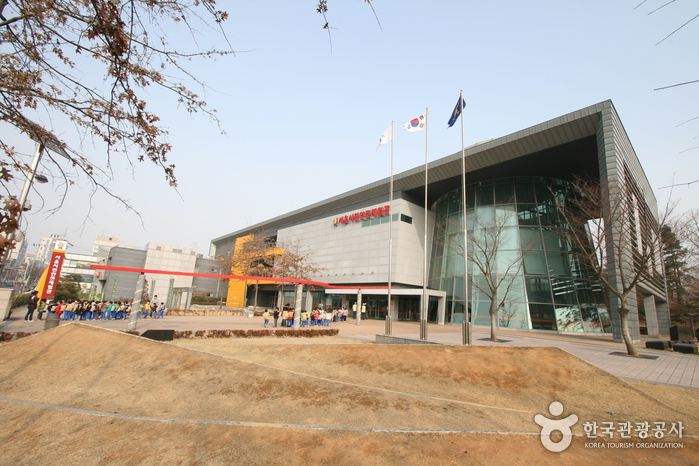
Gwangnaru Safety Experience Center was founded in 1999 after two fire accidents in which many children lost their lives. These tragedies emphasized the necessity of establishing a disaster training center for common citizens.
Gwangnaru Safety Experience Center is a three-story building with one basement floor, covering an area of more than 5,000 m². The basement floor includes a small theater. The first floor is set up for natural disaster training and consists of an orientation hall, storm simulation training room, earthquake simulation room, computer tests on fire safety knowledge and others. The second floor is a place for artificial catastrophe training. It consists of a smoke escape training room, fire extinguisher training room, first-aid (CPR) training room and practice place for calling 119. The third floor is used for rescue training and consists of a rescue training room, screening room, training for professionals and video examples of the five biggest disasters that have occurred in Seoul. Overall there are about 20 training areas established, so citizens can experience the imitation of a disaster by themselves and learn easily and in an interesting way how to cope with a disaster.
 English
 한국어
한국어 日本語
日本語 中文(简体)
 Deutsch
 Français
 Español
 Русский


