
Medical Korea Service Co., Ltd (주식회사 메디컬코리아서비스)
8.0Km 2025-11-27
4th Floor, 8 Teheran-ro 2-gil, Gangnam-gu, Seoul
Medical Korea Service is a global medical concierge agency specializing in premium skincare, regenerative therapy (stem cell & NK), wellness programs, and advanced plastic surgery in Korea. Recognized by the City of Seoul and Gangnam-gu, we partner exclusively with top-tier, accredited clinics and board-certified specialists with 10–20 years of experience. Our multilingual VIP teams (English, Indonesian, Chinese) provide end-to-end care—from personalized treatment planning to on-site support—making MKS a trusted choice for international clients across Southeast Asia.
Seolleung and Jeongneung Royal Tombs [UNESCO World Heritage] (서울 선릉과정릉) [유네스코 세계유산]
8.0Km 2024-07-05
1 Seolleung-ro 100-gil, Gangnam-gu, Seoul
Seolleung and Jeongneung Royal Tombs are located near COEX in Gangnam. It comprises two tombs: Seolleung Royal Tomb, which houses the remains of King Seongjong (1457-1495, r. 1470-1495) and his wife Queen Jeonghyeon (1462-1530) of the Joseon dynasty (1392-1897), and Jeongneung Royal Tomb, which houses King Jungjong (1488-1544, r. 1506-1544), Seongjong’s son. The Seolleung and Jeongneung Royal Tombs History Center details the historical significance of the tomb, while the complex also serves as a park within the city.
Gwangnaru Safety Experience Center (광나루안전체험관)
8.0Km 2025-03-29
238, Neungdong-ro, Gwangjin-gu, Seoul
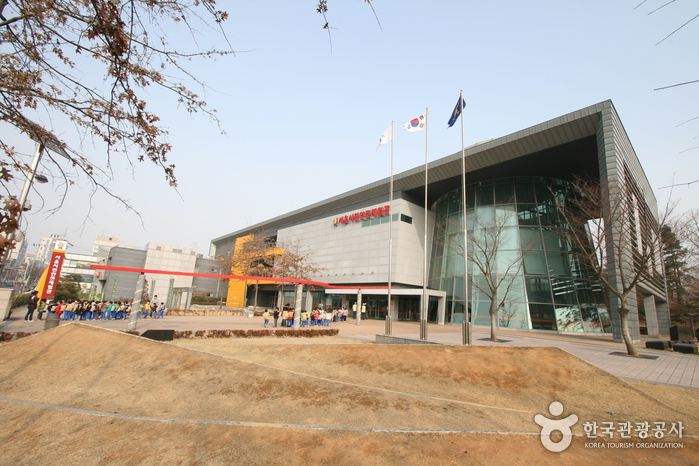
Gwangnaru Safety Experience Center was founded in 1999 after two fire accidents in which many children lost their lives. These tragedies emphasized the necessity of establishing a disaster training center for common citizens.
Gwangnaru Safety Experience Center is a three-story building with one basement floor, covering an area of more than 5,000 m². The basement floor includes a small theater. The first floor is set up for natural disaster training and consists of an orientation hall, storm simulation training room, earthquake simulation room, computer tests on fire safety knowledge and others. The second floor is a place for artificial catastrophe training. It consists of a smoke escape training room, fire extinguisher training room, first-aid (CPR) training room and practice place for calling 119. The third floor is used for rescue training and consists of a rescue training room, screening room, training for professionals and video examples of the five biggest disasters that have occurred in Seoul. Overall there are about 20 training areas established, so citizens can experience the imitation of a disaster by themselves and learn easily and in an interesting way how to cope with a disaster.
Gangnam (강남)
8.0Km 2024-12-03
Yeoksam-dong, Gangnam-gu, Seoul
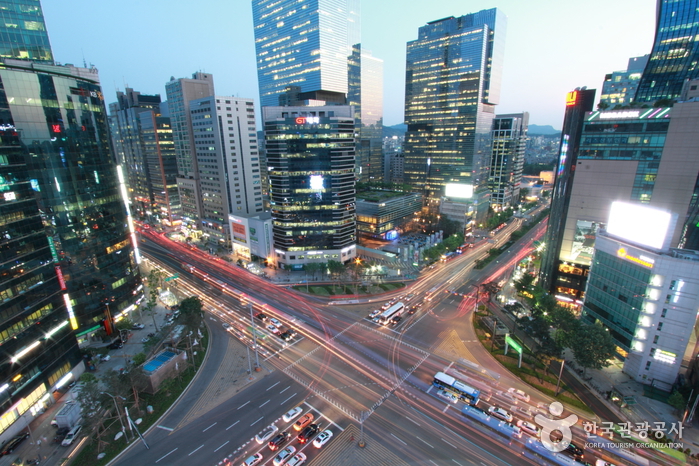
Gangnam Subway Station area is the prime district for those living south of the Hangang River. Gangnam-daero Avenue links Teheran-ro Road in the east to Jamsil and Sadang in the west. Kyobo Tower Crossroad connects Express Terminal to Noryangjin and west of Seoul. Hannam-daegyo Avenue in the north extends to the north of the Hangang River. A southward direction leads to metropolitan areas such as Seongnam, passing Yangjae and Bundang.
Many people tend to gather at Gangnam Subway Station, as the location is geographically and commercially suitable as a meeting point for social gatherings, events, or personal engagements. Hence, during the weekdays it is usually crowded in the evenings while on weekends, areas around Gangnam Subway Station exit numbers 10 and 11, as well as City Theatre, and Giordano are often bustling with people. Visitors travel to Gangnam to take advantage of its convenient transportation, fashion malls, movie theatres, and bookstores.
Gangnam-gu Office operates Gangnam Tourist Information Center to offer tourist information to international and domestic visitors and hands-on activities related to tourism. Also, the center operates Medical Tour Center which introduces Gangnam-gu’s specializing hospitals and medical treatment as well as Hallyu Experience Hall.
Seoul Bongeunsa Temple (봉은사 (서울))
8.0Km 2024-10-24
531 Bongeunsa-ro, Gangnam-gu, Seoul
Once known as Gyeonseongsa Temple, Bongeunsa Temple is located north of COEX, and was constructed in the 10th year of Silla King Weongseong’s reign (794). In 1498, Queen Jeonghyeon refurbished Gyeonseongsa Temple and renamed it Bongeunsa Temple.
Originally located near the Royal Tomb of King Seongjong, the temple was transferred to its current location during Joseon King Myeongjong’s reign. The temple is home to 3,479 Buddhist scriptures of 13 types, including the works of Kim Jeong-hee. The Buddhist ceremony called Jeongdaebulsa is held on the ninth day of the eighth month of the lunar calendar, where monks march carrying the scriptures on their heads and recite the Beopseongge (Buddhist rites).
Samsung Gangnam (삼성 강남)
8.0Km 2024-11-26
411 Gangnam-daero, Seocho-gu, Seoul
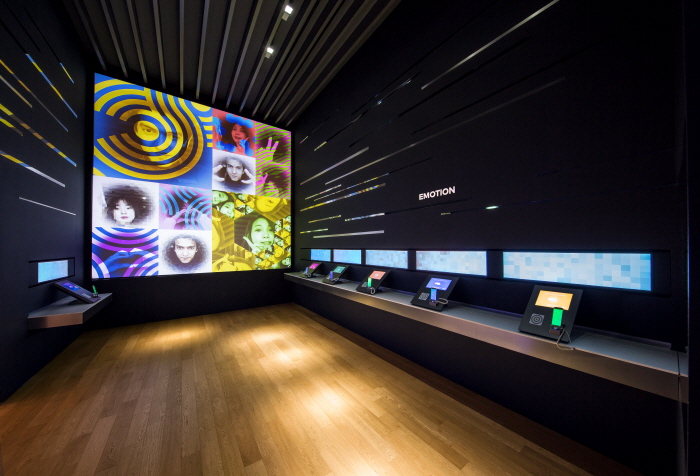
Samsung Gangnam is a flagship store designed as a playground for Samsung Electronics. Within the building are a photo spot, Galaxy flagship, auditorium, bespoke studio, and coffee shop, attracting numerous visitors. They are invited to appreciate media art through art objects and admire stunning views of skyscrapers on Gangnam-daero via a giant display with pleasure.
Yanghwa Hangang Park (한강시민공원 양화지구(양화한강공원))
8.0Km 2022-12-16
221, Nodeul-ro, Yeongdeungpo-gu, Seoul
Situated on the southern part of the Hangang River, Yanghwa Hangang Park stretches between the mouth of Yeouido Saetgang Tributary and the Gayang Bridge in Gangseo-gu, Seoul. This spacious park is lush with vegetation and offers a spectacular view of the river.
The park is located nearby a number of other attractions including Seonyudo Park, an island in the river, which has been transformed into an ecological park; Seonyu Bridge; and the World Cup Fountains, with jets shooting 202 meters in x_height.
There is a wide bike trail that runs through the park that connects this park with the other Hangang River Parks. Every May, the bike trail is flanked by lush green grass and beautiful roses, making it the ideal photo spot.
Seoul Hwagyesa Temple (화계사(서울))
8.0Km 2021-11-02
117, Hwagyesa-gil, Gangbuk-gu, Seoul
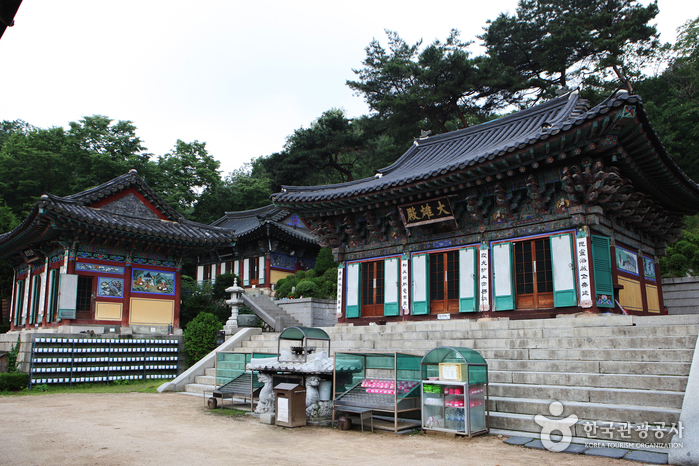
Hwagyesa Temple was built in 1522 (the seventeenth year of the reign of King Jungjong of the Joseon dynasty) by monk Shinwol, but was destroyed in a fire in 1618. It was rebuilt the following year, and expanded In 1866 through the efforts of Monks Yongseon and Beomun.
The temple also has various templestay programs for visitors. Hwagyesa Temple is located not too far from the city but also provides a natural environment.
Dream Forest Art Center (꿈의숲 아트센터)
8.1Km 2025-01-15
173, Wolgye-ro, Gangbuk-gu, Seoul
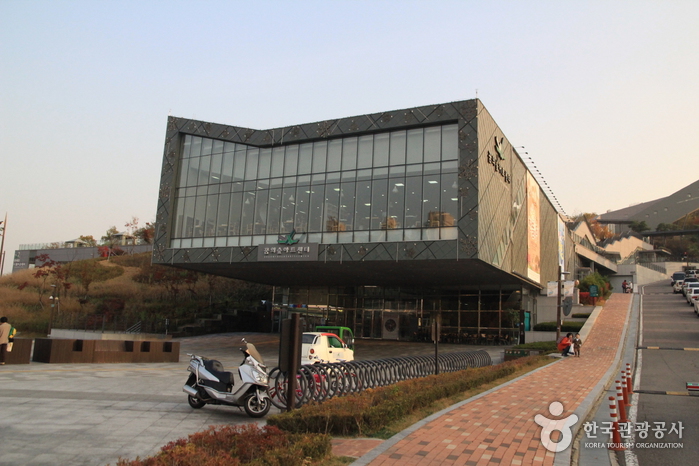
Dream
Forest Art Center, located in Gangbuk, Seoul, is operated by the Sejong Center
for the Performing Arts. Composed of two performance venues (Performance
Hall and Concert Hall), alongside with Sang Sang Tok Tok Art Gallery and Dream
Gallery, there are also a Chinese restaurant, cafe and an observatory deck available
for all visitors to enjoy.
GyoDae GuestHouse (교대게스트하우스)
8.1Km 2024-12-23
116 , Saimdang-ro 17-gil, Seocho-gu, Seoul
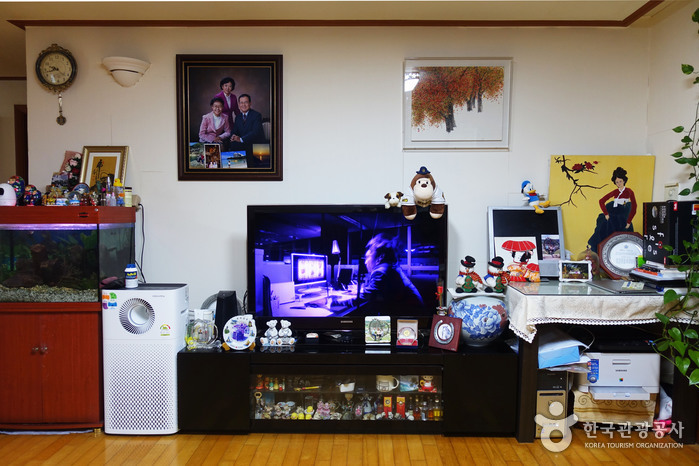
Gyodae Guesthouse is located in Seocho Samsung Raemian Apartments, near Gyodae station, Seoul. Residents share the space in a typical Korean home, with two separate rooms - each equipped with a computer and desk - plus shared kitchen, bathroom, and living room with TV and sofa, Foreign students studying at nearby universities often stay here for extended periods. A laundry service is provided free of charge.
 English
 한국어
한국어 日本語
日本語 中文(简体)
 Deutsch
 Français
 Español
 Русский


