![Blancjou Clinic [Tax Refund Shop] (블랑쥬의원)](http://tong.visitkorea.or.kr/cms/resource/06/3313606_image2_1.jpg)
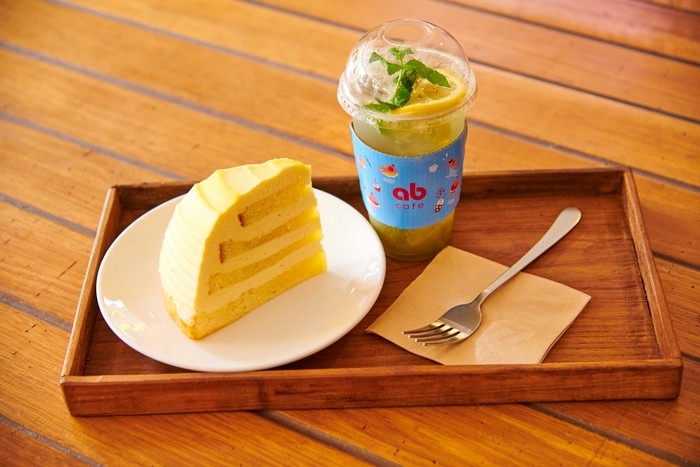
ab Cafe At Bali (에이비카페 At Bali)
8.2Km 2025-11-05
32 Gangnam-daero 102-gil, Gangnam-gu, Seoul
A cafe where you can experience digital drawing
It is a cafe with the concept of a vacation resort with an atmosphere that makes you feel like you are in a Southeast Asian resort. The upbeat atmosphere with rattan furniture placed here and there is always popular enough to be fully booked. The Wacom Lounge on the 3rd floor is a space where ‘Wacom One’, optimized for webtoon creation, is installed. Anyone can use it, and you can experience digital drawing, editing, and correction with the 'Wacom One' tablet.
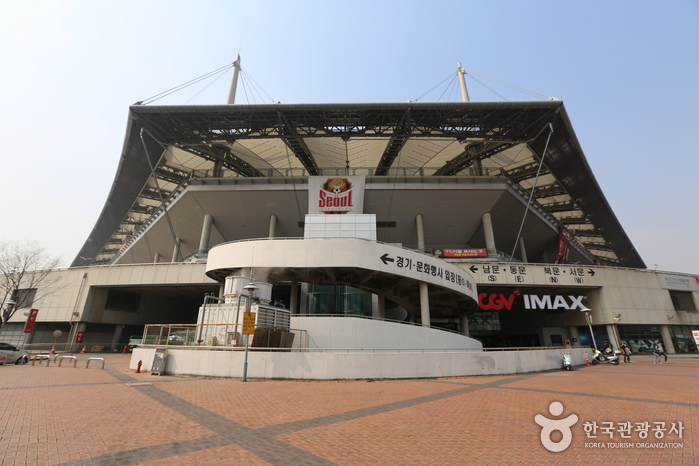
Seoul World Cup Stadium (서울월드컵경기장)
8.3Km 2025-03-15
240 World Cup-ro, Mapo-gu, Seoul
+82-2-2128-2000
Seoul World Cup Stadium, constructed for the 2002 World Cup co-hosted by South Korea and Japan, stands as the largest soccer-specific stadium in Korea. Currently serving as the home ground for FC Seoul's K-League , it also hosts matches for the South Korean national soccer team. The vicinity boasts large-scale supermarkets, cinemas, sports centers, and saunas. Nearby attractions include Haneul Park and Pyeonghwa Park.
![LG Best Shop [Tax Refund Shop] (LG베스트샵)](http://tong.visitkorea.or.kr/cms/resource/28/2891128_image2_1.jpg)

Sky Pizza (스카이피자)
8.3Km 2025-11-05
86, Noryangjin-ro 6-gil, Dongjak-gu, Seoul
K-movie <PARASITE> - Real pizza store in the movie
It is a real pizza store that appears in the movie 'Pizza Age'. Kitaek's (played by Song Kangho) family has a side job folding pizza boxes here. It also appears as a place where family members gather to conspire to kick out President Park's butler. Although it is a pizza store located in a quiet residential area, it is famous for the movie 'PARASITE' and is visited by ‘PARASITE’ fans from all over the world. There is a picture of the president and director Bong Joonho on the inside wall.
![SL Porter - Gangnam Branch [Tax Refund Shop] (SL 포터 강남)](http://tong.visitkorea.or.kr/cms/resource/76/2879776_image2_1.jpg)
SL Porter - Gangnam Branch [Tax Refund Shop] (SL 포터 강남)
8.3Km 2024-04-16
1F, 442, Gangnam-daero, Gangnam-gu, Seoul
-

Chicor - Gangnam Branch [Tax Refund Shop] (시코르 강남)
8.3Km 2024-04-16
441, Gangnam-daero, Seocho-gu, Seoul
-
![Pretty Plastic Surgery [Tax Refund Shop] (프리티성형외과)](http://tong.visitkorea.or.kr/cms/resource/52/3314552_image2_1.jpg)
Pretty Plastic Surgery [Tax Refund Shop] (프리티성형외과)
8.3Km 2024-06-27
441, Gangnam-daero, Seocho-gu, Seoul
-
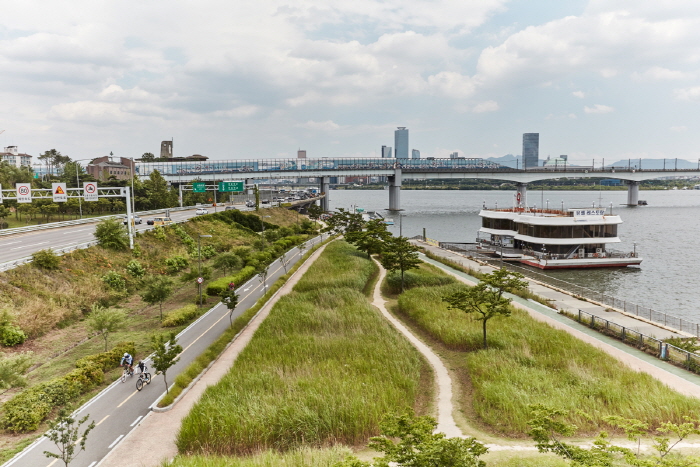
Mangwon Hangang Park (한강시민공원 망원지구 (망원한강공원))
8.3Km 2025-10-23
467 Maponaru-gil, Mapo-gu, Seoul
Near Mapo-gu, Mangwon Hangang Park is situated on the northern part of the river, between Wonhyodaegyo Bridge and Seongsandaegyo Bridge. It offers lush grass perfect for picnics and promenades. Since it’s located close to the World Cup Stadium, this spacious park is often full of residents and visitors. There is a wide array of excellent amenities: a bike trail, an outdoor swimming pool, sports facilities, and a dock for water sports such as yachting, waterskiing, and motor boating. Cultural attractions near the park include Mangwon Pavilion and Jeoldusan Martyrs’ Shrine.
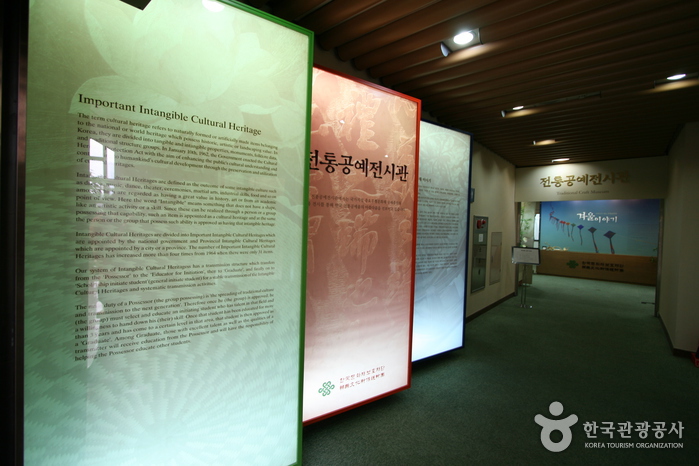
Seoul Center for National Intangible Cultural Asset (서울국가무형문화재전수회관)
8.3Km 2023-06-13
406, Bongeunsa-ro, Gangnam-gu, Seoul
+82-2-566-6300
Created by the government to hand down traditions and preserve important, intangible cultural assets, the center supports cultural masters in the training of their pupils and their efforts to promote Korean traditional culture to the general public.
The center houses 8 groups that represent the music field. Serving not only as a training ground for those specializing in the arts, the center also seeks to reach out to the general public through regular programs and recitals. Musicians also participate in musical conferences, events and performances on a national and international level.
There are 12 craft groups at the center that are directed by craft masters who have been designated 'National Intangible Cultural Assets.' Craft groups host a number of training programs.
Other special features of the center include the 'Pungryu,' a 147-seat folk theatre; the 2 or 3 story 'Traditional Craft Hall' with an open-run exhibition hall and planned exhibition hall; a shop selling the works of the artists; a seminar room; a training room; and a practical training room.
 English
 한국어
한국어 日本語
日本語 中文(简体)
 Deutsch
 Français
 Español
 Русский


