
Sangchonjae House (상촌재)
2.2Km 2025-11-06
12-11 , Jahamun-ro 17-gil, Jongno-gu, Seoul
Sangchonjae House, run by the Jongno Cultural Foundation, is a traditional hanok cultural space located in Sejong Village, Ogin-dong, Jongno-gu, and operates various cultural Korean programs such as exhibitions, educational experiences, and events to fully experience Korea's four seasons. The name Sangchonjae was conceived from the old name of Sejong Village, the western part of Gyeongbokgung Palace and the birthplace of King Sejong. The house reflects the lifestyle of an ordinary peasant during the Joseon dynasty. It consists of three buildings: the main building, the guesthouse known as sarangchae, and the annex. There is an experience center indoors offering tea ceremonies and traditional game experiences.
Nuwa (누와)
2.2Km 2024-12-23
3-1 , Pirundae-ro 5na-gil, Jongno-gu, Seoul
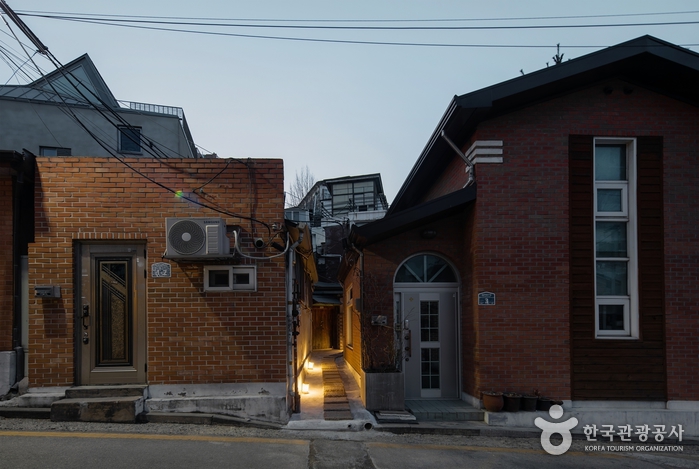
Nuwa is a small, tastefully-renovated private hanok in the Seochon Village residential area to the west of Gyeongbokgung Palace in Seoul. It gets the light through a window wall in the living room, which contains a walnut table where guests can take tea, and a bathtub: weary travellers will feel better after taking a foot bath or half-body bath. High-quality tea and bath salts are provided. The sleeping space has an unusual round window, like a full moon, facing the bed, through which guests can see the top of Inwangsan Mountain as they fall asleep.
SOSO House (소소하우스)
2.2Km 2024-12-13
16-5 , Pirundae-ro 5ga-gil, Jongno-gu, Seoul
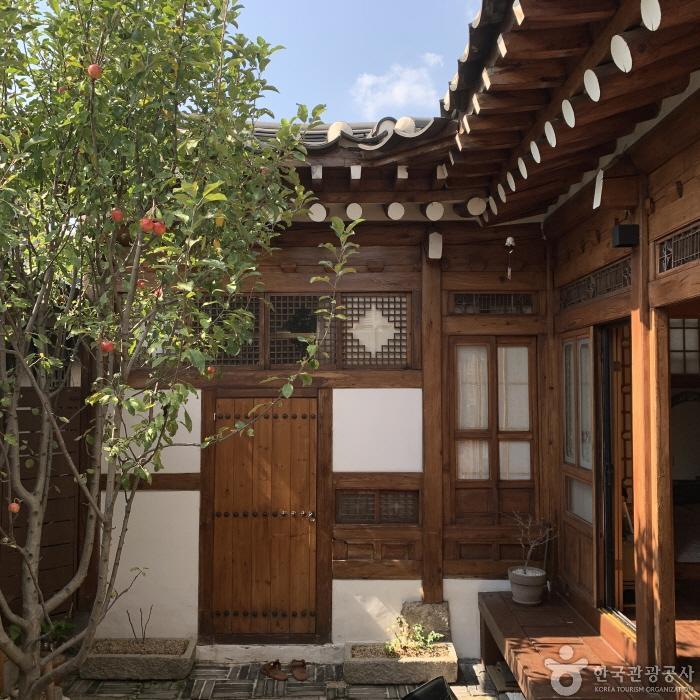
Soso House is a private hanok stay located in Seochon, Jongno-gu, Seoul. Once you enter the gate, you are greeted by a small yard paved with stones and an alpine apple tree. There is a stool on one side of the yard where you can enjoy a cup of tea on a sunny day. In the daecheong maru (wooden-floored hall, there is a master bedroom on one side and a kitchen on the other, and the master bedroom has an attic. Cooking is allowed, and complimentary breakfast includes toast, salad, and coffee, as well as complimentary homemade fruit syrup and tea bags. Gyeongbokgung Palace, Seoul Museum of History, and Park No-Soo Art Museum are all within walking distance.
NUHADANG(누하당)
2.2Km 2024-06-20
49-7 , Pirundae-ro, Jongno-gu, Seoul
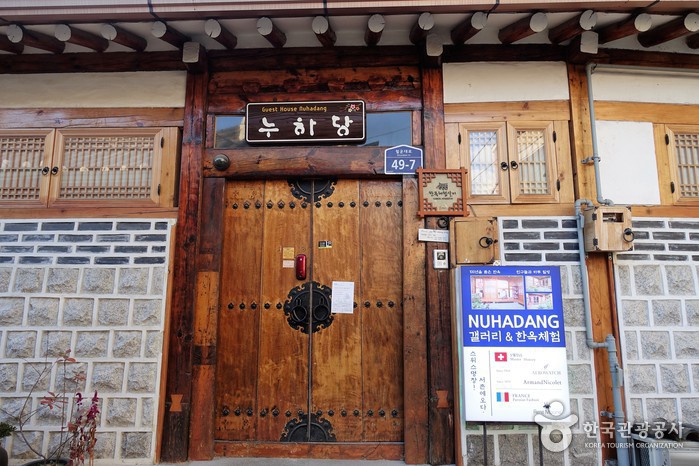
Nuhadang is a traditional hanok with over 100 years of history. It is located in a quiet spot in Seochon, Jongno-gu, Seoul, where many scholars and artists have lived since Joseon times. Rooms are wallpapered with eco-friendly Korean paper, and thick cotton blankets and cypress pillows will sooth travelers' fatigue. In the yard and small garden you can experience traditional Korean culture: janggu drumming, the game of yunnori, and Hanbok clothing. Walking the streets of Seochon - past Yun Dong-ju's hostel, Park No-su's art museum, and Lee Sang's house - you can still feel the atmosphere of old Seoul.
Cha Fertility Ceter - Seoul Station ((의)성광의료재단 차여성의원)
2.2Km 2025-10-23
(2nd Floor, Seoul Square), 416 Hangang-daero, Jung-gu, Seoul
Since opening in 2015, CHA Fertility Center - Seoul Station has served as Korea's leading fertility treatment center. Based on the know-how of CHA University Gangnam Medical Center, the first private hospital to deliver a test-tube baby in 1986, CHA Fertility Center - Seoul Station is conveniently located near the center of Seoul, making it convenient for domestic and international fertility clients. Foreign fertility patients who arrive in Korea via Incheon Airport not only have easy access to the clinic via the direct rail linking Seoul and the airport but also benefit from the capital city's excellent infrastructure (transportation, tours, accommodations, restaurants, etc.) for a safe and comfortable fertility treatment during their stay. In particular, many international residents in Korea, embassy officials, U.S. soldiers, and Koreans living abroad visit CHA Fertility Center for fertility treatment.
Chungmu Arts Center (충무아트센터)
2.3Km 2024-03-06
387, Toegye-ro, Jung-gu, Seoul
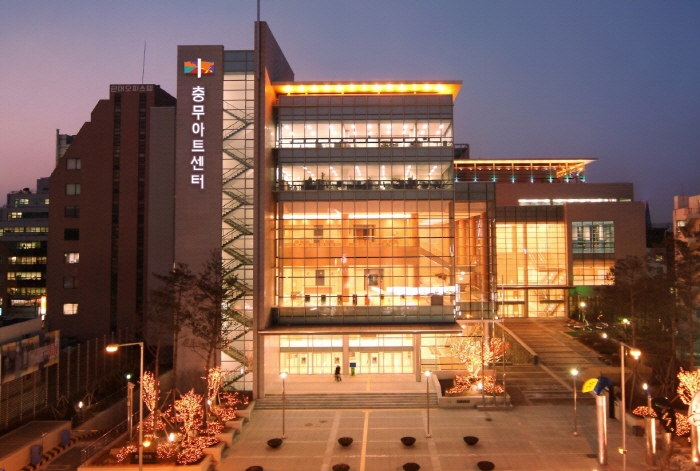
Chungmu Arts Center is a complex cultural facility with an optimal conditions for watching performances. It has a large theater, a medium theater (black), and a small theater (blue). It also boasts great galleries, studios, and a swimming pool, attracting numerous visitors. In addition, one can enjoy performances of various genres, including classical music, plays, musicals, and concerts. Located close to Dongdaemun, it has good accessibility.
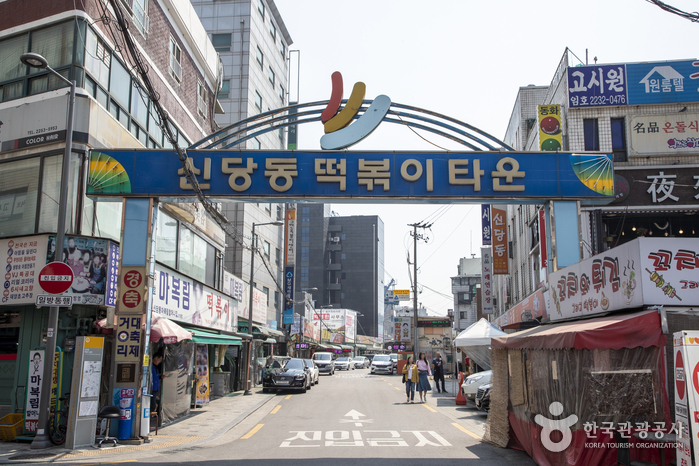
Sindang-dong Tteokbokki Town (신당동떡볶이골목)
2.3Km 2022-10-25
10-18, Dasan-ro 33-gil, Jung-gu, Seoul
Sindang-dongTteokbokki Town started in the late '70s, although the alley did not become famous until the '80s. At that time, each restaurant had its own DJ booth, with the image of the "cool DJ" who played the music becoming a symbol of Sindang-dong Tteokbokki Town. In addition, this period also marked the prime time of high school baseball where students would crowd the streets on days when Duksoo Commercial High School and Sunrin Commercial High School (now Sunrin Internet High School) played against one another. Although these high school students have aged, they continue to visit the area, reliving their youth and continuing to indulge in the specialty tteokbokki.
However, some claim the history of this alley began in the 1950s. The owner of Mabongnim Halmeoni Tteokbokki restaurant says tteokbokki was being sold as early as 1953 as the area used to be home to Donga Theater and she sold tteokbokki, corn and potatoes to those visiting the theater. At first, tteokbokki was simply made with gochujang (red chili paste) but as time went by, cooks decided the dish could be more than just a snack. By adding ingredients like eggs, cellophane noodles, fish cakes, instant noodles and more recently squid, prawn and cheese, tteokbokki can be made more delicious and turns this beloved snack into a full meal.
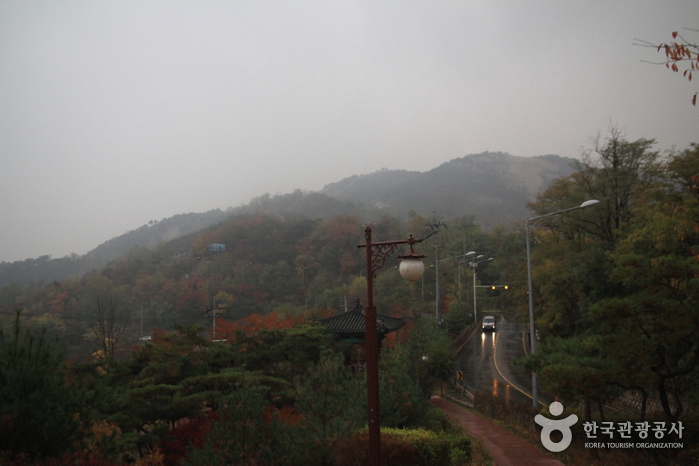
Inwangsan Mountain (인왕산)
2.3Km 2024-03-04
San 2-1, Muak-dong, Jongno-gu, Seoul
Inwangsan Mountain is a rocky mountain located to the northwestern side of Seoul. It stands 338m tall. The Seoul City Wall is built along its ridge, connecting to the Baegak Mountain Trail. From the summit, one can see the three mountains of Naksan Mountain, Namsan Mountain, and the Bugaksan Mountain surrounding the historical center of Hanyang, the historical name for Seoul in Joseon period, with the Gyeongbokgung Palace at the center. There are five hiking trails, all taking about two hours to complete. It takes about three hours if you want to visit all the peaks of the mountain.
![Lotte Outlets - Seoul Station Branch [Tax Refund Shop] (롯데아울렛 서울역점)](http://tong.visitkorea.or.kr/cms/resource/80/3003480_image2_1.jpg)
Lotte Outlets - Seoul Station Branch [Tax Refund Shop] (롯데아울렛 서울역점)
2.4Km 2024-07-30
405, Hangang-daero, Yongsan-gu, Seoul
- Located in the heart of transportation at Seoul Station, LOTTE Seoul Station offers convenience with easy access to nearby public transport and parking and holds a diverse selection of brands under the YOUNG & SPORTY concept. Experience top-notch services tailored to our foreign guests in our Global Service Room.
 English
 한국어
한국어 日本語
日本語 中文(简体)
 Deutsch
 Français
 Español
 Русский


