
Hanshin Medipia Health Care ((사) 정해복지부설 한신메디피아의원)
6.6Km 2025-10-23
(3rd Floor), 94 Jamwon-ro, Seocho-gu, Seoul
Hanshin Medipia Health Care was established in the 1980s and boasts over 40 years of experience and tradition in health screening. With its extensive experience and expertise, we promise you to become a trusted healthcare partner.
-More specialized and segmented with 3 Zones and 7 Centers.
3 Zones: Premium Zone, Comprehensive Health Checkup Zone, and General Health Checkup Zone, capable of examining approximately 1,000 persons per day.
7 Centers: Ultrasound Center, Radiology Center, Diagnostic Medicine Center, Endoscopy Center, Women's Health Checkup Center, Cancer Diagnostics Imaging Center, and CRM/IT/AI Center
Passi 0914 (파시0914)
6.6Km 2025-10-29
15 Dosan-daero 45-gil, Gangnam-gu, Seoul
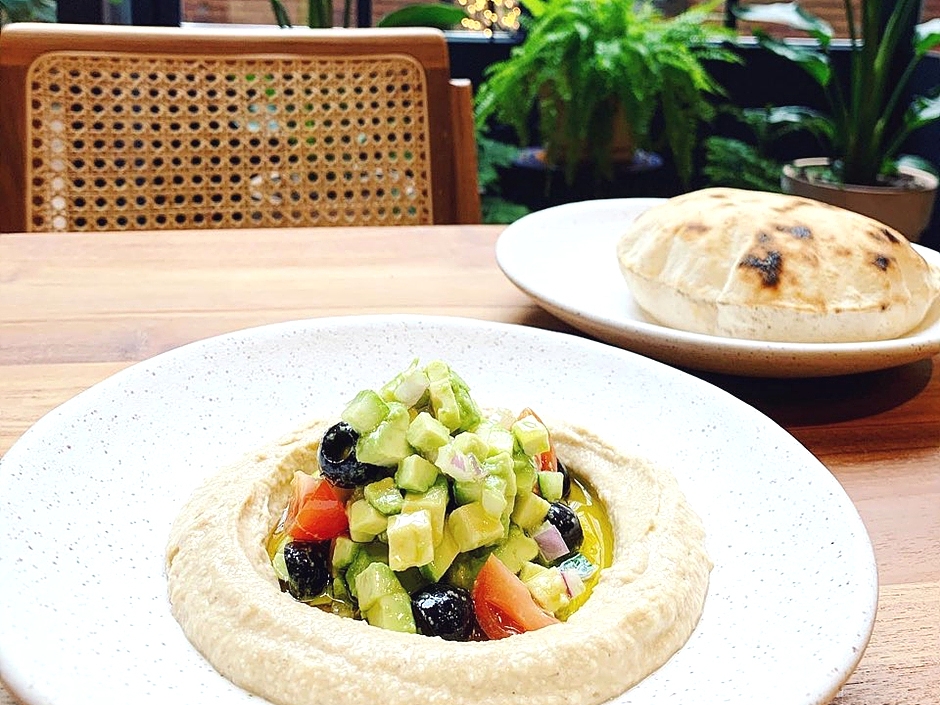
Passi 0914 is an Italian resturant serving pasta and ovenbrick-baked pizza near the entrance to Dosan Park. The restaurant only has three terrace tables so reservations are a must. The restaurant was featured as a filming site in the drama "Celebrity (2023)."
ID Hospital (아이디병원)
6.6Km 2025-10-23
142 Dosan-daero, Gangnam-gu, Seoul
ID Hospital offers innovative medical services and one-stop solutions, delivering value that is more than just beauty. A plastic surgery clinic comparable to a large hospital, ID Hospital ensures safe, personalized treatments with cutting-edge technology and world-class expertise.
From facial contouring to Mommy Makeover, the clinic creates harmonious transformations that enhance patient's natural beauty and confidence.
ID Clinic (Sinsa Branch) (아이디의원(신사점))
6.6Km 2025-10-23
6F, 142 Dosan-daero, Gangnam-gu, Seoul
ID Cosmedical Group, consisting of ID Plastic Surgery and ID Dermatology, has launched a beauty clinic brand with a new concept that combines its extensive expertise and experience.
Based on its high-quality medical services, ID Clinic offers personalized beauty solutions with exceptional convenience at reasonable costs.
BIOFACE CLINIC (비오페이스의원)
6.6Km 2025-11-21
10th Floor, Human Tower, 605 Gangnam-daero, Seocho-gu, Seoul
BIOFACE Clinic is a dermatology clinic located in Sinsa, Seoul.
We specialize in non-surgical anti-aging treatments such as skin tightening, lifting, body contouring, and skin boosters.
Our medical team provides personalized care based on extensive clinical experience and advanced equipment.
Signature treatments include Ultherapy, InMode, Onda, Potenza, Rejuran, and Stem Cell Boosters.
BIOFACE Clinic offers professional consultation and systematic aftercare for both local and international patients.
Some Sevit (세빛섬)
6.6Km 2022-12-16
2085-14, Olympic-daero, Seocho-gu, Seoul
Some Sevit is a culture complex made up of three man-made floating islands near the southern end of Banpo Bridge. The islands were created with the theme of "flowers of the Hangang River" and represent the view, life, and the earth, as well as a flower in various stages of life. The largest island, 'Some Gavit' symbolizes the view and takes the form of a flower in full bloom. It is a multi-functional cultural facility that can be used as a venue for performances, international conferences, exhibitions, and more. The second island, 'Some Chavit' looks like a flower bud, an image of life. A range of cultural experiences and event zones including Beat Square, Youth Woods, and restaurants using 3D to bring themes to life are located here. The third and smallest island, 'Some Solvit' takes the form of a seed planted in the earth. This island has water sports facilities and an outdoor garden from which you may enjoy the picturesque scenery of the Hangang River. Around the floating islands are LED lights that create a fantastic night view under the theme of "a gleaming light in the mist."
Deesse Plastic Surgery (청담여신성형외과의원)
6.6Km 2025-10-29
(14th-15th Floors, Nonhyeon-dong), 108 Dosan-daero, Gangnam-gu, Seoul
Deesse Plastic Surgery provides the highest level of medical care in Korea in the fields of lip plastic surgery, rhinoplasty, facial bone contouring, face-lift, and eyelid surgery. Many foreign patients are visiting us after hearing about our reputation. In order to provide high-quality medical services to foreign patients, we have interpretation coordinators available for Japanese, Chinese, Thai, and other languages on site. Also, we constantly strive to improve the quality of medical services to ensure the best experience for international patients. As a result, the hospital is rapidly gaining recognition by people around the world interested in receiving plastic surgery in Korea, and the results have been remarkable and foreign customers who visited our hospital showed high satisfaction. Our efforts have been rewarded in 2023 as we were designated by the Ministry of Justice for excellent medical tourism.
Trinity Women's Clinic (트리니티여성의원)
6.6Km 2025-10-23
3F, 108 Dosan-daero, Gangnam-gu, Seoul
Trinity Women’s Clinic provides the best medical service for women suffering from health issues unique to women, such as vaginitis, fibroids, and menopause.
The clinic aims to enhance patients’ quality of life through accurate and safe treatments. It aspires to become a reliable clinic that treats both women's minds and bodies. The clinic focuses on women's health and uterine treatments. At the same time, it guarantees optimum outcomes realized through its proven facilities, equipment, and safe medical environment.
Through continuous technological development and acquiring new medical knowledge, Trinity Women’s Clinic offers innovative treatments, including HIFU procedures, to improve patient health.
Ruby Plastic Surgery Clinic (루비성형외과의원)
6.6Km 2025-10-23
9th-10th Floors, Lex Tower, 108 Dosan-daero, Gangnam-gu, Seoul
Ruby Plastic Surgery, located at Sinsa Station in Gangnam, is a premium medical institution where board-certified specialists in plastic surgery and dermatology collaborate to provide personalized beauty solutions. We offer a comprehensive range of treatments including eyes, nose, facelift, facial contouring, body contouring, body lift, skin lifting, and skin rejuvenation. With extensive experience in serving international patients, we ensure safety, state-of-the-art equipment, and a systematic post-care program. Prioritizing patient satisfaction and natural results, we deliver medical services at a truly global standard.
 English
 한국어
한국어 日本語
日本語 中文(简体)
 Deutsch
 Français
 Español
 Русский


