
Korea Medical Institute KMI Yeouido Clinic ((재)한국의학연구소 케이엠아이여의도의원)
7.1Km 2025-10-23
13F-15F & 17F-18F, 24 Gukjegeumyung-ro 2-gil, Yeongdeungpo-gu, Seoul
Korea Medical Institute (KMI), a leader in 'K-health checkups,' operates health checkup centers across eight locations nationwide, from Seoul to Jeju. KMI has been striving to prevent and detect diseases early. It has led the popularization of comprehensive medical examinations in Korea. Based on 39 years of accumulated data and expertise, KMI has enhanced its capabilities in health checkups, services, and brand value.
By utilizing its diagnostic data accumulated over the years, KMI provides accurate test results and follow-up care promptly.
KMI will stay committed to becoming a lifetime health management partner and 'K-health checkup' leader by leveraging its excellence in Korean medicine, beyond health checkups for foreign patients.
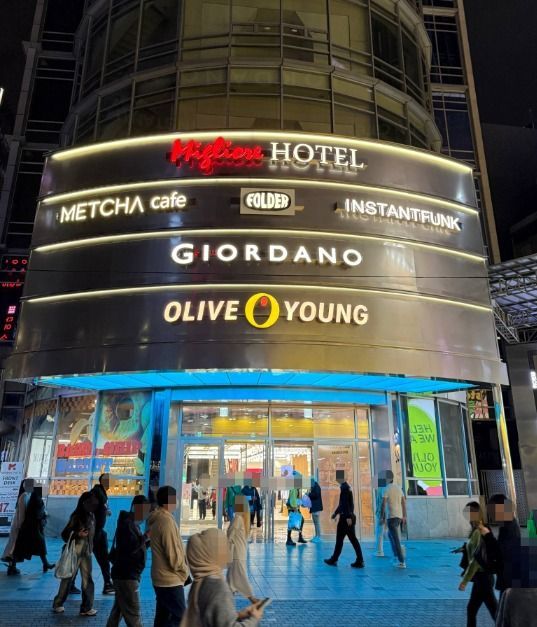
Migliore - Myeongdong Branch (밀리오레 (명동점))
7.1Km 2025-02-06
115 Toegye-ro, Jung-gu, Seoul
Migliore Shopping Mall, located in Myeong-dong, reopened in August 2024 after undergoing remodeling. It provides customers with easy access to its stores, as it is directly connected to the Myeongdong Subway Station (Seoul Subway Line 4). Myeong-dong is regarded as the shopping district for youth in their 20s. Throughout the area, signs are written in English, Chinese, and Japanese for foreign visitors. The first and the second floors function as a shopping mall, and from the 3rd to the 17th floor as a hotel, providing visitors with an opportunity to shop and stay under the same roof. The first floor of the mall features beauty and lifestyle stores and the second floor has clothing stores. This is a one-stop shopping destination for fashion items that will dress you from head to toe. Additionally, visitors can also shop for albums, magazines, and other goods featuring their favorite idols.
The Clim Clinic (더끌림산부인과의원)
7.1Km 2025-10-23
(12th Floor, 2431 Building),109 Toegye-ro, Jung-gu, Seoul
For your healthy and beautiful life,
The Clim: Women Care Medical Group is always here for you.
At The Clim, female medical staff from Samsung Medical Center offer one-on-one consultations and personalized treatments.
Our all-female medical team provides emphatic care, understanding our patients better than anyone else.
We always listen to and address your deepest worries with warm-hearted treatment that is attuned to the needs of women, delivered by medical staff who possess both skills and expertise.
Our team consists solely of female obstetrician/gynecologists who have a deep empathy and understanding for their patients, ensuring that each patient feels more comfortable and satisfied with their procedures.
Drawing on our extensive experience, we promise to carefully consider each patient's unique physical structure, characteristics, and concerns, allowing us to effectively address even the most profound worries.
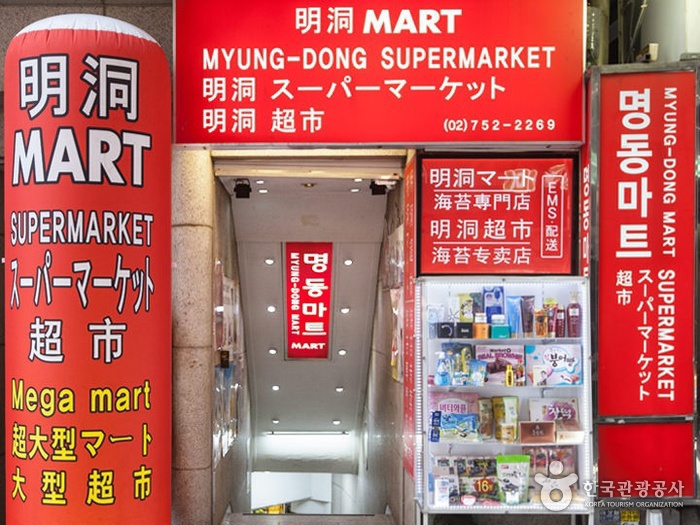
Harmony Mart Myeong-dong Station Branch (하모니마트 명동역점)
7.1Km 2024-12-23
58 , Myeongdong 10-gil, Jung-gu, Seoul
Harmony Mart Myeongdong Station Branch is a discount supermarket specializing in Korean products popular with foreign tourists. It’s on the 1st basement floor of the Shinil Building annex, just a minute's walk from Exit 8 of Myeongdong Subway Station, Jungu, Seoul. Shop here for kimchi, seaweed, ginseng products, tea, ramen, handicrafts, daily necessities and souvenirs. English, Chinese, and Japanese are spoken, and payments can be made in yen and yuan. With purchases of KRW 50,000 or more, there’s free delivery to accomodations within a 5km radius.
Reberry Clinic Myeongdong (리베리의원 명동점)
7.1Km 2025-11-28
#201, 2nd Floor & #301, 3rd Floor, 58 Myeongdong 10-gil, Jung-gu, Seoul
1. A dedicated medical director is personally assigned to each client, ensuring responsible and individualized care.
2. We go beyond consultation — every session is a professional medical treatment.
3. With our LifeBiz AI-powered 3D analysis camera, we provide an objective and precise facial assessment.
4. Our treatments are guided by a scientific skin-type classification system for accurate and tailored results.
5. Through 3D facial analysis, pigmentation diagnosis, and skin-type classification, we design a fully customized treatment pathway.
6. At Libery Clinic Aesthetic, we offer not only advanced medical procedures, but also warm décolleté and therapeutic massage care for a holistic experience.

Seoulland Sledding Hills (서울랜드 눈썰매장)
7.1Km 2022-11-22
Makgye-dong, Gwacheon-si, Gyeonggi-do
Seoulland Sledding Hills offers two slopes, one for children (50 meters long) and another for adults (120 meters long). Amenities include food stands that sell various foods, including eomuk (fish cake) soup, resting lounge and medical office. Various performances are also prepared to entertain visitors at the main stage nearby the sledding hill.
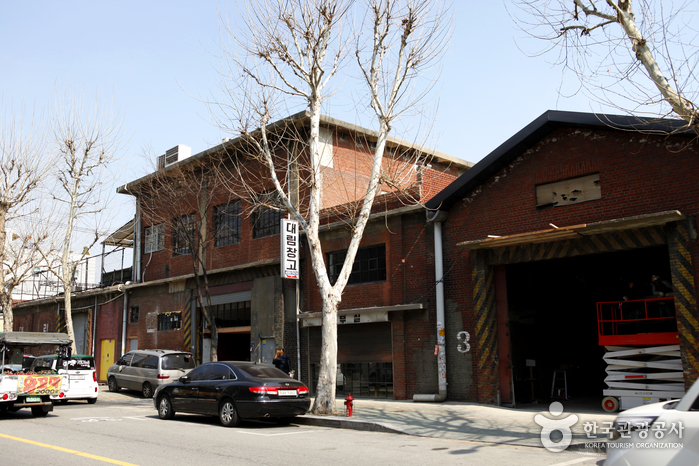
Daelim Changgo Gallery (성수동 대림창고 갤러리)
7.2Km 2025-03-18
78 Seongsui-ro, Seongdong-gu, Seoul
Daelim Changgo Gallery, which is a landmark in Seongsu-dong, is a red-brick building that was once used as a rice mill in the 1970s. It is now a cafe and art gellery that preserves as much of the original rice mill atmosphere as possible so it exudes fascinatingly vintage vibes, widely loved by young couples.
Shinsegae Department Store - Main Store (신세계백화점 (본점))
7.2Km 2025-04-07
63 Sogong-ro, Jung-gu, Seoul
Shinsegae Department Store opened its doors as the first modern department store in the country in 1960. It stands where Korea's first department store, the Japanese Misreukkosi Department Store, used to be in the 1930s. After undergoing remodeling in 2007, it reopened as a luxury hall, featuring diverse brands ranging from the top three international luxury brands to new designer brands. In addition, the Trinity Gardens and art halls in the department store serve as a cultural space for a shopping experience that combines art and shopping.
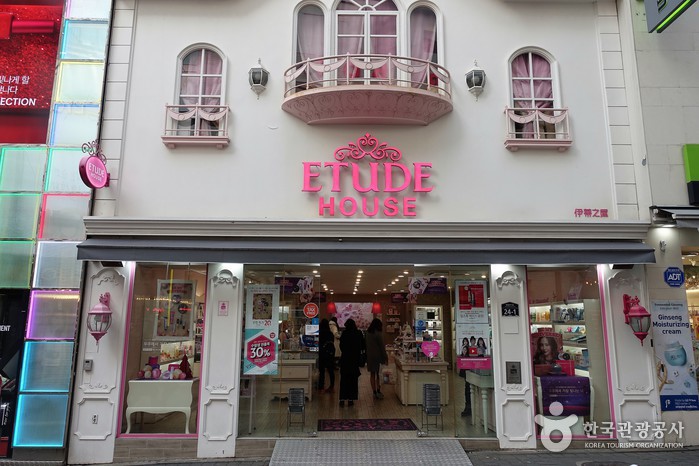
Etude house myeongdong chungmuro / 에뛰드하우스(명동충무로점)
7.2Km 2025-08-11
24-1, Myeongdong 8na-gil, Jung-gu, Seoul
Etude House is a cosmetics brand that sells makeup, hair, and fragrance products. The Etude House Myeongdong Chungmuro Branch, located in the heart of a major shopping district, carries a wide selection of cosmetics that customers may test before purchasing. Moreover, the brightly lit store interior, designed with a princess bedroom decor, adds fun to the experience.
It is visited largely by foreign customers from Japan, Thailand, China and other East Asian countries. To facilitate an easy shopping experience, the shop always has foreign staff available to assist. The most popular items include creams made using snail extract, lipsticks and eye shadows. Etude House also has many sales on facial mask packs, and tax refunds are available.
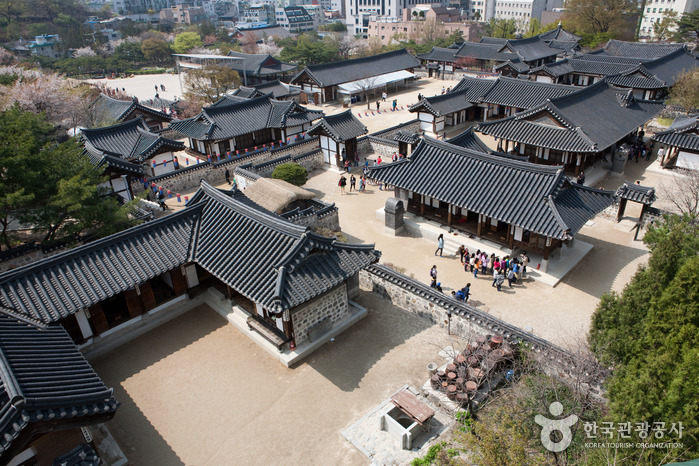
Myeong-dong, Namdaemun, Bukchang-dong, Da-dong and Mugyo-dong Special Tourist Zone (명동 남대문 북창동 다동무교동 관광특구)
7.2Km 2021-12-30
40, Sejong-daero, Jung-gu, Seoul
Myeong-dong, Namdaemun, Bukchang-dong and Da-dong are widely known among international visitors as hot spots for shopping and food.
Myeong-dong is a popular destination for shopping, culture, arts and fashion. Major shopping malls such as Lotte Department Store, Shinsegae Department Store, Myeong-dong Migliore and Samik Fashion Town are located here. Shoppers can find a variety of products here from high-end items to relatively inexpensive clothes. There’s also no shortage of street food, traditional restaurants, coffee shops and fancy cafes.
Namdaemun Market is the biggest traditional market in Korea. Visitors can purchase souvenirs and local produce at an affordable price in the shopping complex crowded with stores and street stalls. The market sells a variety of clothes, kitchenware, toys, accessories, food, flowers and imported goods.
Bukchang-dong and Sogong-dong have high-end accommodations including Lotte Hotel Seoul and Westin Chosun Seoul, duty-free shops, and restaurants serving traditional dishes.
[Myeong-dong, Namdaemun Market and Bukchang-dong Special Tourist Zone]
Areas included: Myeong-dong, Bukchang-dong, Mugyo-dong and Da-dong, Seoul
Area size: 872,809 ㎡
Tourist attractions: Myeong-dong, Namdaemun Market and Bukchang-dong, Department Stores (Lotte Department and Shinsegae Department Store, etc.), Traditional Market, Duty-free Shop, Hanok Village, N Seoul Tower, etc.
 English
 한국어
한국어 日本語
日本語 中文(简体)
 Deutsch
 Français
 Español
 Русский


