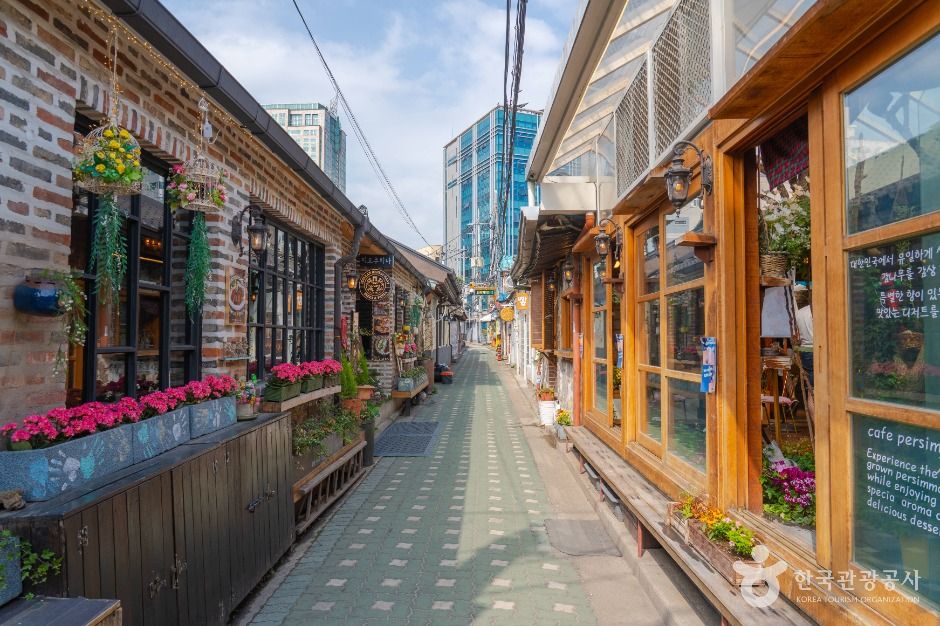
Ikseon-dong Hanok Street (익선동 한옥거리)
8.4Km 2025-10-27
Ikseon-dong, Jongno-gu, Seoul
Ikseon-dong is a place where the harmony of alleys and hanok houses exudes beautiful charm and is a must-visit spot for tourists of all ages and genders. It is also an area that connects the younger and older generations.
![Heolleung and Illeung Royal Tombs [UNESCO World Heritage] (서울 헌릉(태종,원경왕후)과 인릉(순조,순원왕후) [유네스코 세계문화유산])](http://tong.visitkorea.or.kr/cms/resource/42/1985242_image2_1.jpg)
Heolleung and Illeung Royal Tombs [UNESCO World Heritage] (서울 헌릉(태종,원경왕후)과 인릉(순조,순원왕후) [유네스코 세계문화유산])
8.4Km 2021-07-24
36-10, Heonilleung-gil, Seocho-gu, Seoul
Heolleung and Illeung Royal Tombs house the mounds for two kings of the Joseon dynasty (1392-1910) and their wives: King Taejong (1401-1418) and Queen Wongyeong, along with King Sunjo (1800-1834) and Queen Sunwon. Together, the tombs are referred to as Heonilleung Royal Tomb. The site possesses numerous stone statues and vestiges, and is a good place to experience the culture of the Joseon dynasty.
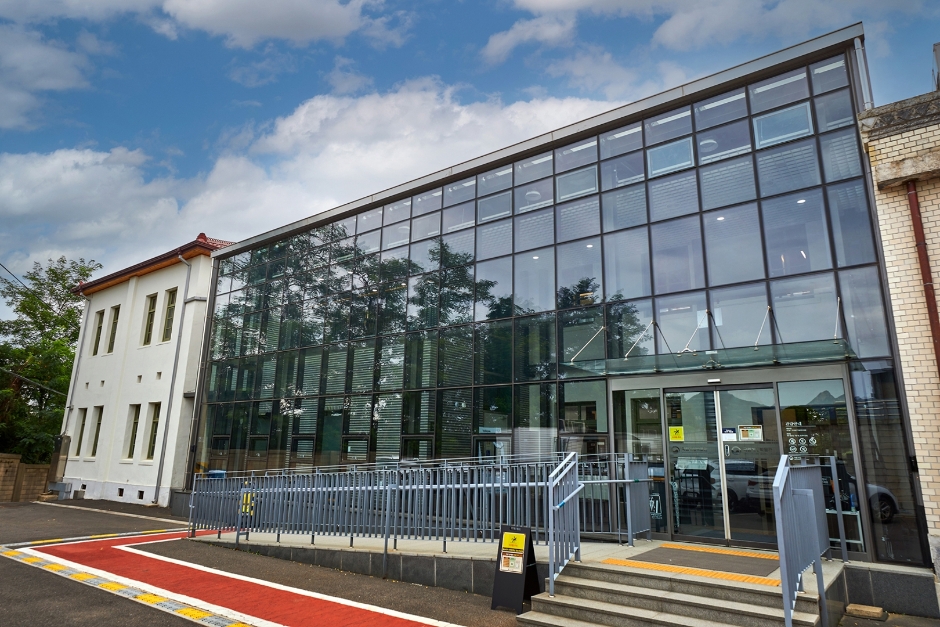
National Meteorological Museum of Korea (국립기상박물관)
8.4Km 2024-03-26
52 Songwol-gil, Jongno-gu, Seoul
A museum where one can look at Korea's meteorological observation history and technological development through exhibitions. The museum has the world's first rain gauge, invented in 1441, in the early Joseon dynasty. The museum operates approximately 350 meteorological observatories across Korea and focuses on promoting the uniqueness and excellence of Korea's meteorological science. There are permanent collections and special exhibitions. The permanent collections focus on the history of meteorological science in Korea. At the same time, the special exhibitions take a closer look at the history and information about meteorological science and natural disasters (e.g., earthquakes) that occurred in various regions of Korea. There are experience programs related to meteorological science, such as making a rain gauge or learning about rain gauges.
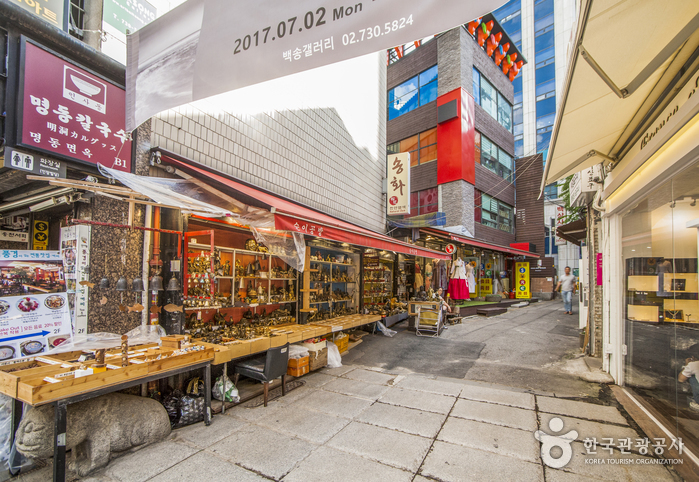
Insa-dong Antique Art Street (인사동 고미술거리)
8.4Km 2025-03-16
29 Insadong-gil, Jongno-gu, Seoul
As of today, there are approximately 70 shops in the Insa-dong area that sell antique arts. Some of the products they sell include antique artworks, porcelains, woodcrafts, and metalwork. Visitors may even find rare and valuable products such as earthenware from the Silla period or white porcelain used in the Joseon dynasty. Each shop is a specialty store, authorized to sell product types that are of their expertise, ranging from antique furniture and traditional artworks to handcrafted items.
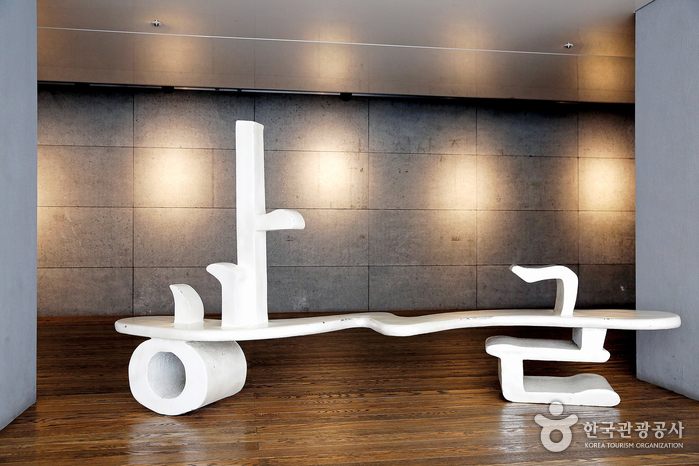
The Story of King Sejong (세종이야기)
8.5Km 2022-09-13
jiha 175, Sejong-daero, Jongno-gu, Seoul
The Story of King Sejong comprises six different sections with a total area of 3,200 square meters. The museum consists of exhibition zones, an event space, video room, shop and more to display King Sejong’s scientific, artistic, military, and political contributions, including the theory of Minbon, which recognized the people as the base of politics. King Sejong, the 4th king of the Joseon dynasty (1397-1450, reigning from 1418-1450) was responsible for some of the most brilliant achievements in the history of Korea, including the creation of Hangeul (Korean alphabet) and great advancements in the areas of science, culture, art and politics.
KT Square (KT스퀘어)
8.5Km 2021-07-08
178, Sejong-daero, Jongno-gu, Seoul
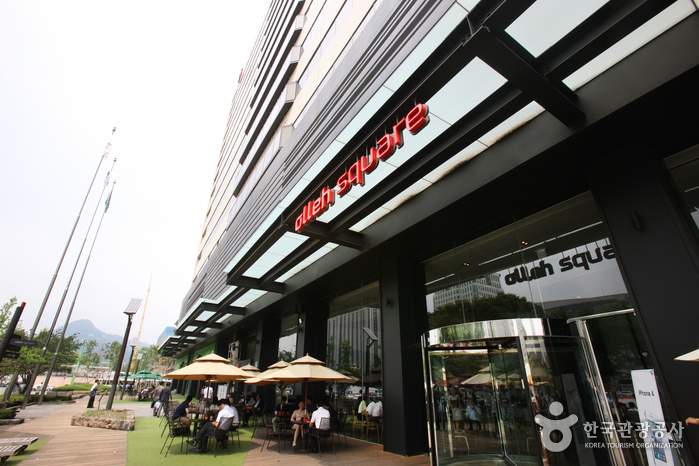
KT Square is a multi-complex that offers various cultural performances as well as hands-on experiences of the latest in IT technology. Gallery 130 showcases the history of KT Corp.
Aank Hotel Yeongdeungpo (아늑호텔 영등포점)
8.5Km 2025-04-24
10 Yeongjung-ro 10-gil, Yeongdeungpo-gu, Seoul
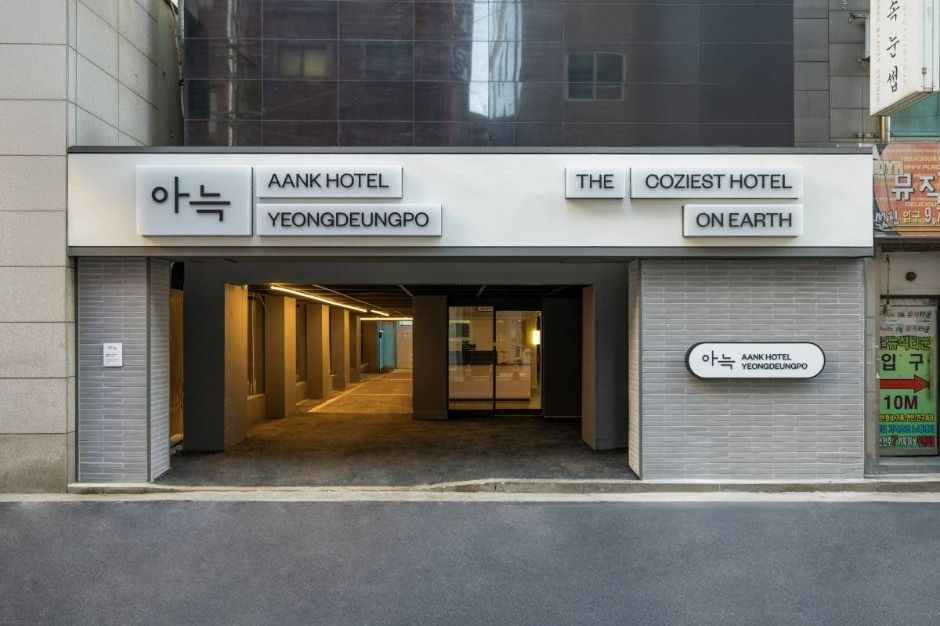
Located within 5 minute's walking distance from Yeongdeungpo Station, Aank Hotel Yeongdeungpo has major attractions like Times Square and Yeongdeungpo Market in the vicnity. The hotel lobby has a coffee machine, ice dispenser, and water dispenser for guests' convenience. Equipped with a variety of room types, guests can enjoy both comfort and entertainment at Aank Hotel Yeongdeungpo.
Tteulan Teahouse (뜰안)
8.5Km 2024-12-10
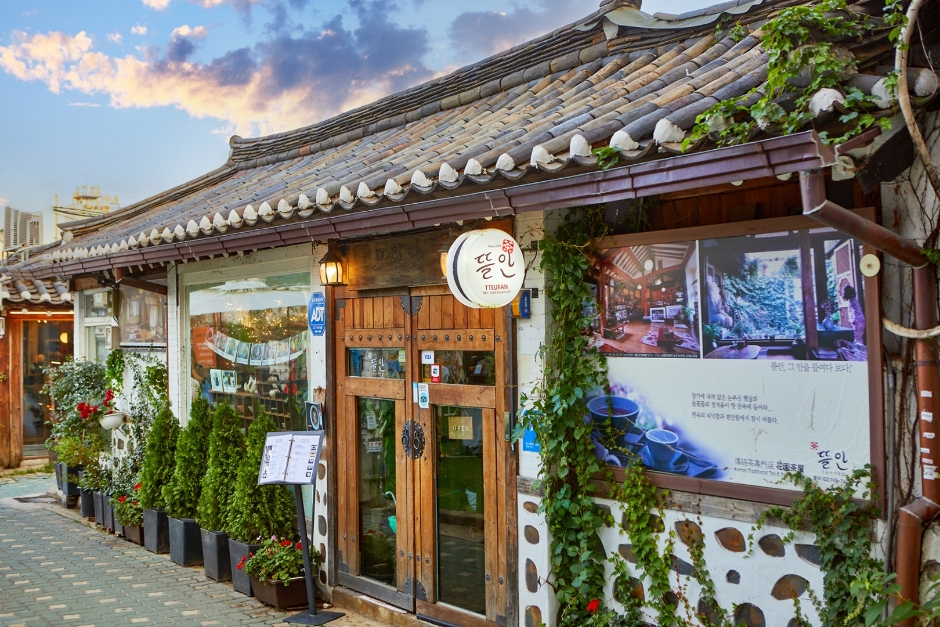
Tteulan Teahouse is a cafe that really allows one to feel the tradition and flair of Korea. Tteulan has two entrances: one facing the wide alley and the other facing the smaller one. The smaller entrance is decorated like a garden, so it feels as if one is stepping into a land of fairy-tales. The café has a floor seating tables with traditional items like gadari soban (a table with legs that curve like a dog's legs), and jogakbo (a textile woven from several pieces of scrap cloth), all of which add to the traditional Korean aesthetic. The menu features ssanghwacha (medicinal herb tea known to help the immune system), a favorite among middle-aged and elderly Koreans; omija tea (omija is a tart berry that grows in East Asia known to be good for lung and bronchial health and boosts immunity); citrus tea (usually made with yuzu which is rich in vitamin C and said to help mitigate fatigue); and pour-over coffee. Traditional desserts include mugwort rice cake (rice cake with mugwort added for herbal flavor, best enjoyed with malt syrup), pumpkin rice cake, and roasted grain powder (a nutritious beverage made with a variety of powdered grain). It can be hard to find seating in the afternoon, so visitors are advised to avoid these hours if they seek to enjoy their drink in peace.
Ojugine (오죽이네)
8.5Km 2024-12-10
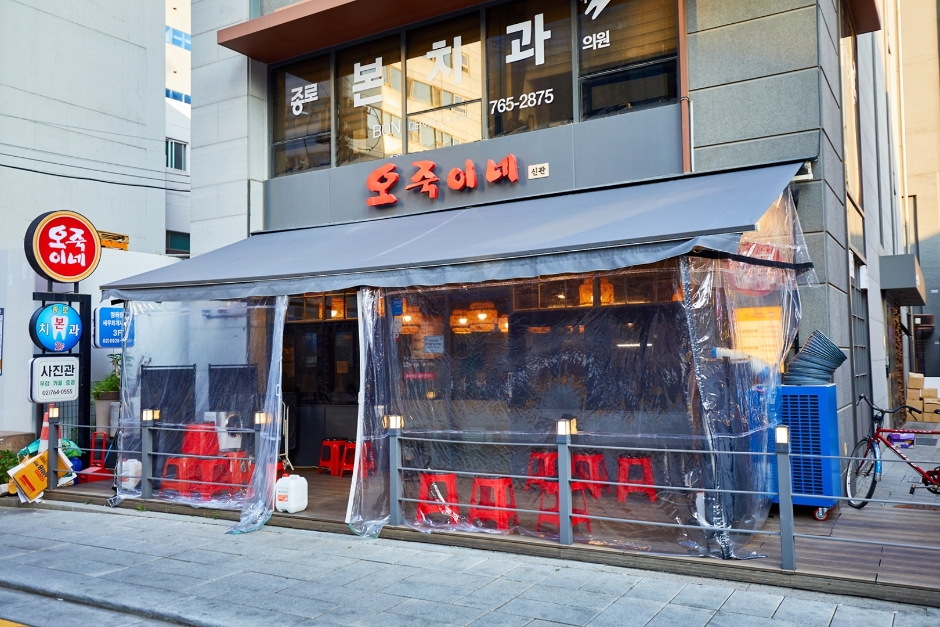
Ojugine is a restaurant that specializes in dak maeuntang, a spicy chicken stew that is different from dak bokkeumtang (spicy braised chicken), as the former has more soup than the latter. The stew is served whilst boiling, so one just needs to let it sit for a bit on the table before digging in. The spicy sauce and chicken are a match made in heaven, and the same goes for this dish. Interestingly, Ojugine uses smaller chickens to prepare their dishes, so the flesh braises in the stock faster. The resulting combination is sure to offer a memorable meal. Any remaining soup can be reused as a sauce for fried rice after the main meal, so visitors are advised to leave some space in their stomach.
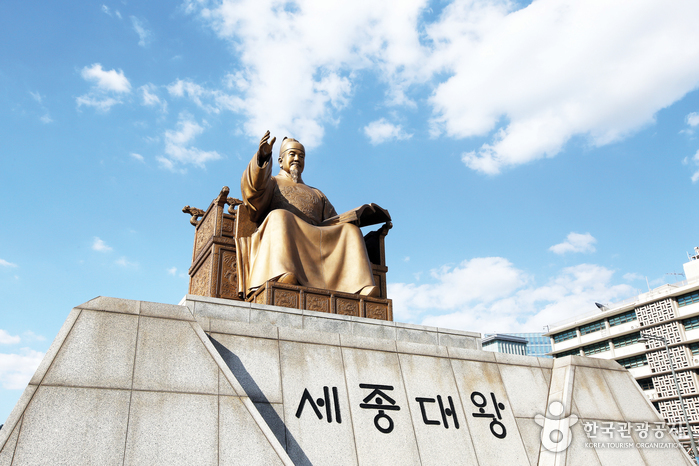
King Sejong Statue (세종대왕 동상)
8.5Km 2024-03-04
175, Sejong-daero, Jongno-gu, Seoul
King Sejong Statue can be found at Seoul’s Gwanghawmun Square. The statue commemorates King Sejong the Great (1397-1450, reign 1418-1450), the fourth king of Joseon (1392-1897). He is thought to be the greatest king in Korean history, for he is credited with great developments in science and technology, expansion of Joseon’s territory, and the creation of the Korean script, [Hangeul]. King Sejong’s likeness can be found on the 10,000 won bill as well.
 English
 한국어
한국어 日本語
日本語 中文(简体)
 Deutsch
 Français
 Español
 Русский


