
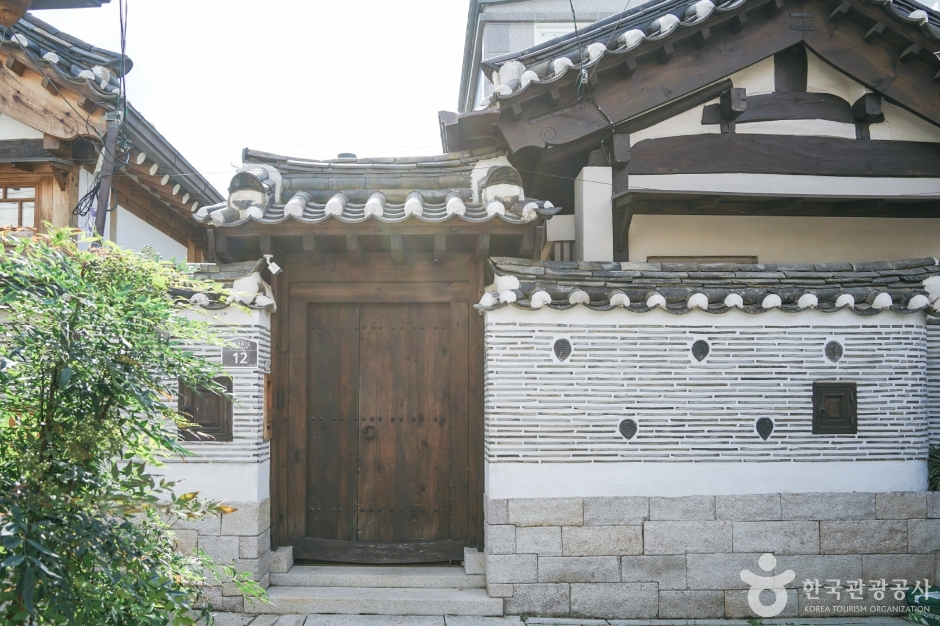
Hanok Essay Seochon (한옥에세이 서촌)
9.4Km 2024-06-04
12 Pirundae-ro 3-gil, Jongno-gu, Seoul
The area of Seochon features both traditional elements as well modern, showing the changes over time. A stay in one of the hanok houses here is the perfect way to feel this unique ambiance. Hanok Essay Seochon provides this experience, open to visitors of all ages.
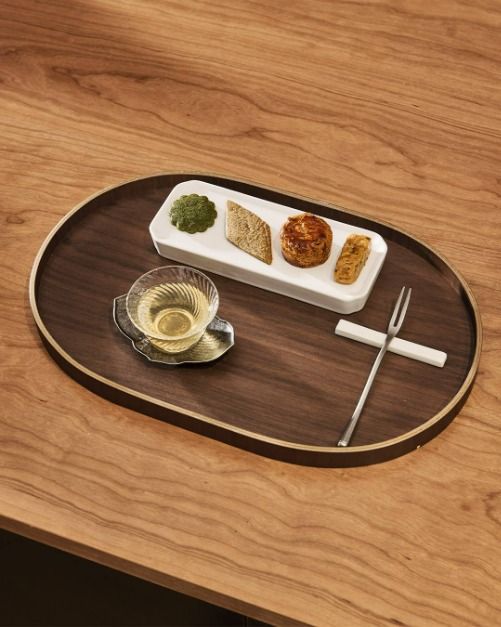
Pyunkang Yul Flagship & Tea house (편강 율 플래그십&티하우스)
9.4Km 2025-12-10
35-4 Bukchon-ro 5ga-gil, Jongno-gu, Seoul
Pyunkang Yul Flagship & Tea house is a cafe in Bukchon Hanok Village near Gyeongbokgung Palace. The first floor is a teahouse where one can enjoy Korean tea infused with traditional ingredients and delightful desserts with a view of the cafe's serene garden, and the second floor is a flagship store of Pyeongang Yul, a K-beauty brand known for integrating hanbang (traditional Korean medicine) in their skincare products. The third floor features a rooftop that offers a sweeping view of the Bukchon Hanok Village and Gyeongbokgung Palace.

Chosun Hwaro Gui (조선화로구이)
9.4Km 2025-10-30
5, World Cup buk-ro, Mapo-gu, Seoul
BIGBANG's favorite meat restaurant
It is a restaurant specializing in charcoal grill that celebrities from YG Entertainment often visit. Autographs of celebrities including BIGBANG adorn the walls, and it is always full of customers. Only 1++ grade Korean Beef and domestic Pork are used, so the taste is guaranteed. Boneless Korean Galbi are the most popular, and Grilled Marinated Pork Galbi are also a steady seller. All of the Kimchi and side dishes are made with care, and the Galbi Soup for meals is also delicious.
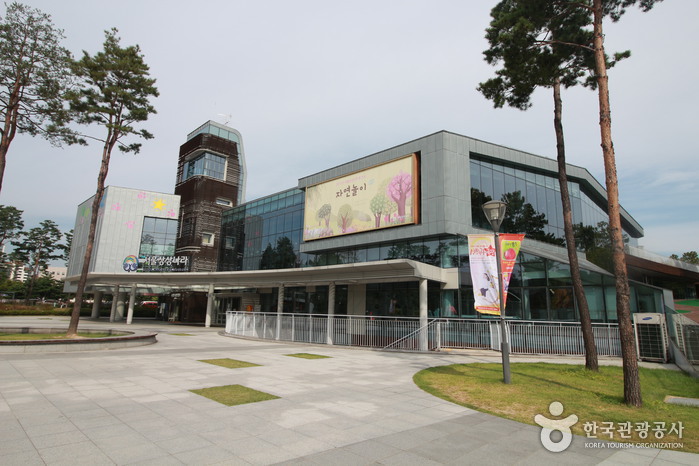
Seoul Children's Museum (서울상상나라)
9.4Km 2024-03-07
216 Neungdong-ro, Gwangjin-gu, Seoul
Seoul Children's Museum is a multifaceted cultural space established in 2013 to foster children's creativity and imagination. Spanning from the basement floor to the third floor, it boasts over a hundred interactive exhibits. These exhibits cover a wide range of areas including art, imagination, thought, and physical play, organized into ten distinct zones. It's a popular destination where children can learn and expand their imagination through play. Advanced booking is required, and reservations can be made through the website.
Korea Global Culture Exchange Center (KGCEC) ((주)케이지문화교류센터)
9.4Km 2025-10-23
#1404, 3 Gongwon-ro, Guro-gu, Seoul
Established in 2018, the Korea Global Culture Exchange Center (KGCEC) runs programs related to studying, tourism, and medical tourism in Korea. The company has attracted over 1,000 medical tourism customers, and approximately 700 international students were accepted by Korean universities with the help of the center. Additionally, the center has organized more than 20 large conferences and hosted over 2,000 FITs (Free Independent Travelers).
The center provides consultations and reservation services in Chinese. Interpretation and post-surgery caregiver services are available upon request. The center also provides comprehensive services from arrival to departure (e.g., pick-up, vehicle, tours, guides, hotel, interpretation, hospital, duty-free shopping, etc.)
The center has partner travel agencies in China who handle applications for Korean visas and medical tourism visas. The center is highly valued by its customers for its promotional efforts and its expansive network of partner hospitals, with its highest priority being service quality.
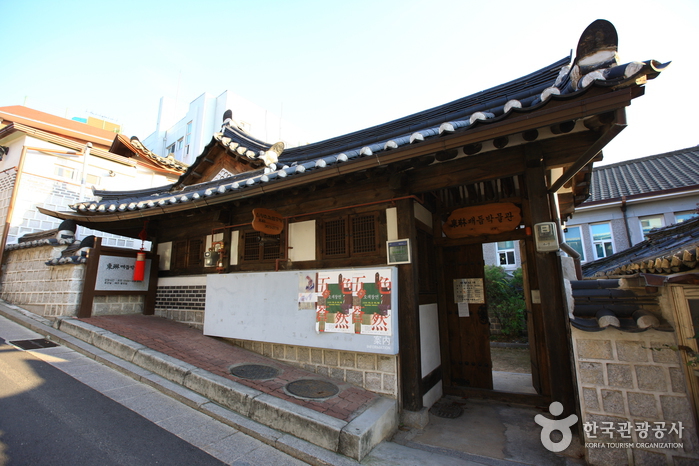
Dong-Lim Knot Museum (동림매듭박물관)
9.4Km 2021-12-21
10, Bukchon-ro 12-gil, Jongno-gu, Seoul
Opened in April 2004, Dong-Lim Knot Museum exhibits a variety of decorative traditional Korean maedeup (knots): norigae for hanbok, belts, pouches, as well as materials like thread, cord, and accessories. Housed in a hanok, a traditional Korean house, the gallery has a variety of exhibits, including old and new artwork, and creations that reflect modern trends.
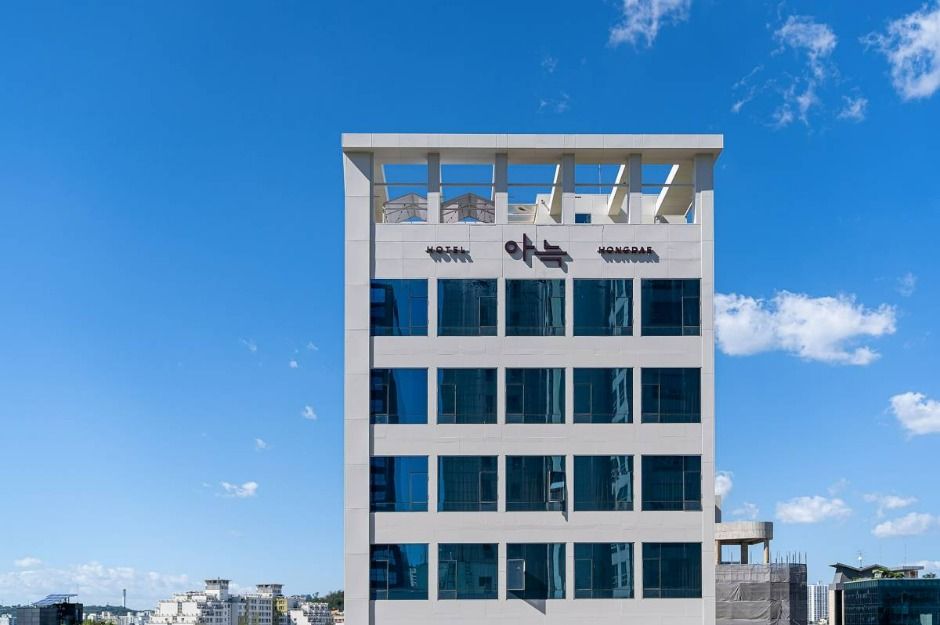
The Hyooshik Aank Hotel Hongdae (더휴식 아늑호텔 홍대점)
9.4Km 2025-04-18
162-7 Donggyo-ro, Mapo-gu, Seoul
The hotel offers rooms equipped with various entertainment options, catering to the diverse preferences of its guests. From a private movie room to a meditation room, guests can choose the type of stay they want, whether it is a fun movie time or a relaxing retreat to unwind. The business room provides the amenities needed for a workation, while the gaming room allows guests to relieve stress by gaming.
 English
 한국어
한국어 日本語
日本語 中文(简体)
 Deutsch
 Français
 Español
 Русский


