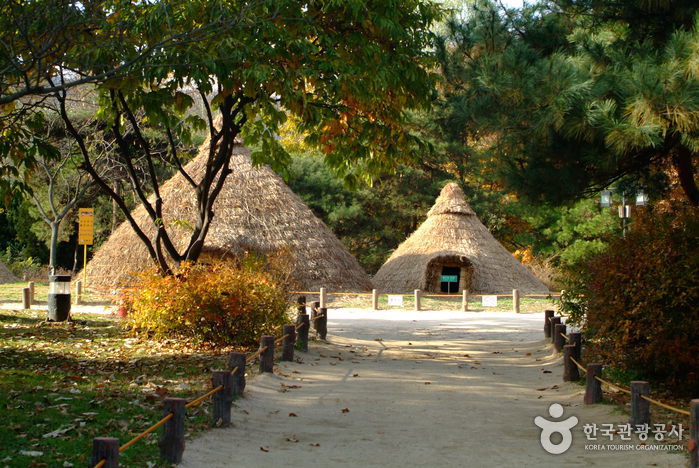
Archaeological Site in Amsa-dong, Seoul (서울 암사동 유적)
13.7Km 2021-07-27
875, Olympic-ro, Gangdong-gu, Seoul
The Archaeological Site in Amsa-dong reproduces the lifestyle of the Neolithic Era. Even the entrance gate is shaped like a huge dolmen and the trash cans are ancient diagonal-line patterned earthenware. Archaeological Site in Amsa-dong was excavated in 1925 when a flood washed away the soil on the banks of the Hangang River and exposed a large number of diagonal-line patterned earthenware. After several excavations, the Archaeological Site in Amsa-dong was established.
The site was a location for a massive colony, thus many ancient buildings, stone axes and stone arrows have been uncovered as well as countless diagonal-line patterned earthenware. The housing site is round with a spot in the center for fire. The site is colossal and possesses nine mud huts, two exhibition halls displaying ancient artifacts and an open mud hut where visitors can experience life in the Neolithic Era. The site offers many attractions such as mud huts and promenades. Archaeological Site in Amsa-dong is also very educational for children and families who want to learn and experience the Neolithic Age.
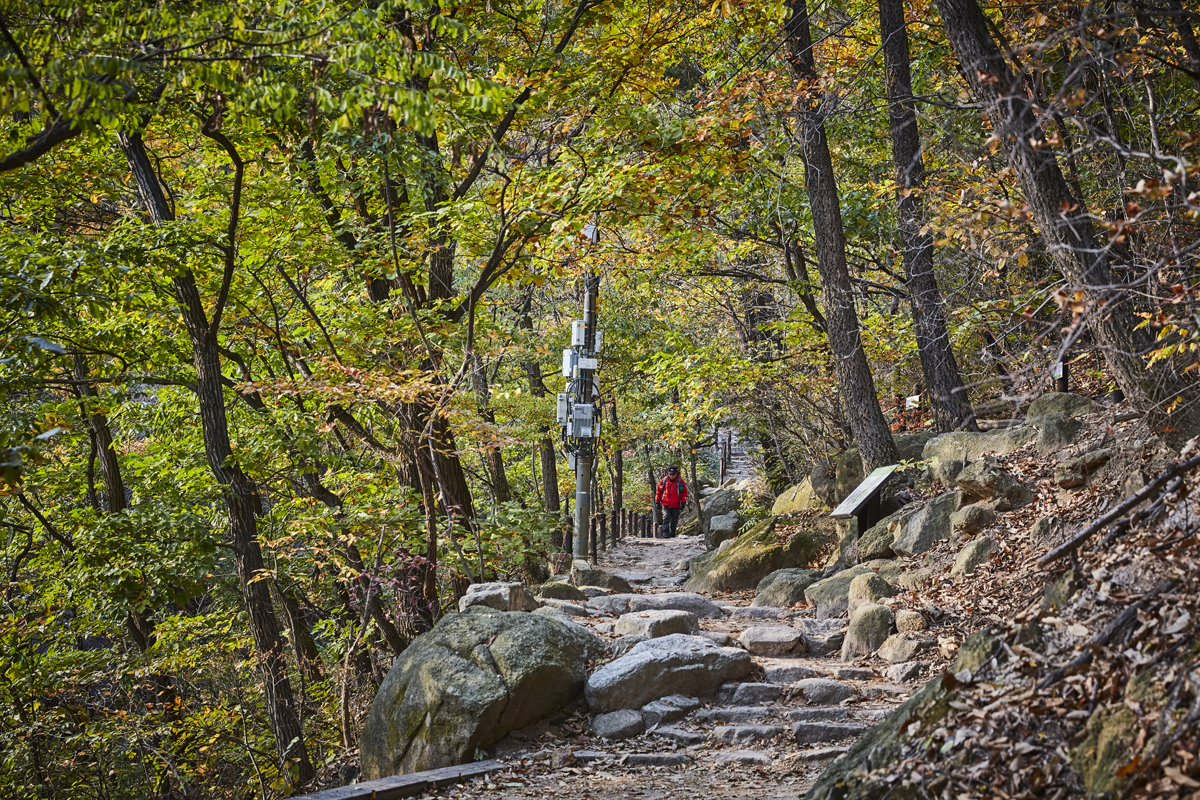
Bukhansan National Park (Seoul District) (북한산국립공원(서울))
13.7Km 2024-11-27
262 Bogungmun-ro, Seongbuk-gu, Seoul
Bukhansan Mountain was officially designated as a national park in 1983. Bukhansan National Park covers both Bukhansan and Dobongsan Mountains, and spans a total area of 80.699 ㎢. At the top of Bukhansan Mountain are Baegundae Terrace (835.6 m), Insubong Peak (810.5 m) and Mangyeongdae Terrace (799.5 m), which gave the mountain the nickname "Samgaksan" or the "three-horned mountain." The mountain had other names: Sambongsan (mountain with three peaks), Hwasan (flower mountain), and Buaak (mountain shaped like a person giving a baby a piggyback ride). The current name, Bukhansan, was given after the Bukhansanseong Fortress was built under King Sukjong of the Joseon dynasty.
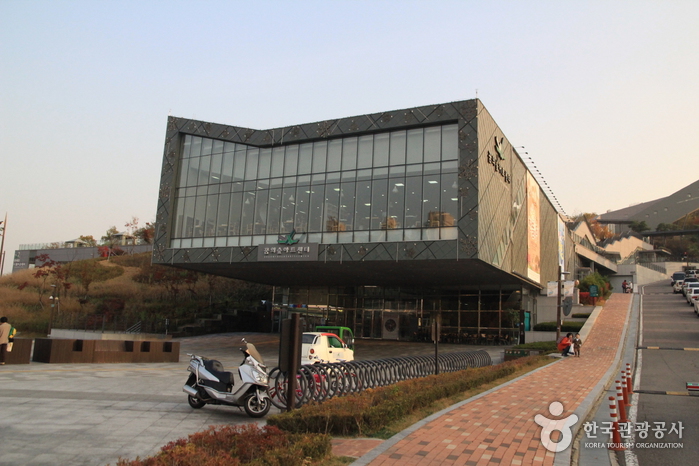
Dream Forest Art Center (꿈의숲 아트센터)
14.2Km 2025-01-15
173, Wolgye-ro, Gangbuk-gu, Seoul
Dream
Forest Art Center, located in Gangbuk, Seoul, is operated by the Sejong Center
for the Performing Arts. Composed of two performance venues (Performance
Hall and Concert Hall), alongside with Sang Sang Tok Tok Art Gallery and Dream
Gallery, there are also a Chinese restaurant, cafe and an observatory deck available
for all visitors to enjoy.
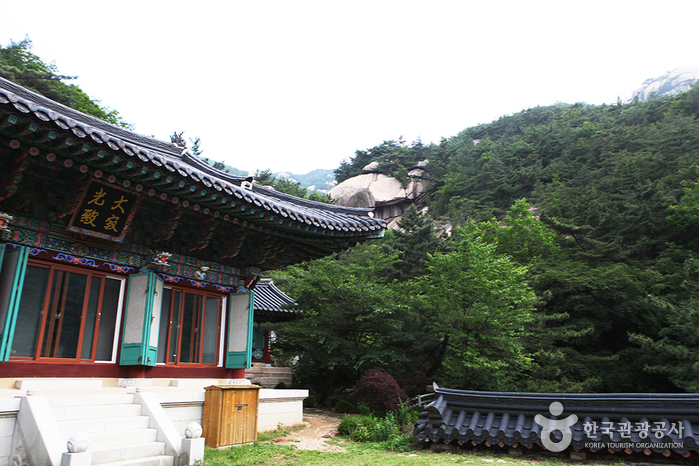
Seoul Geumseonsa Temple (금선사(서울))
14.2Km 2021-08-17
137, Bibong-gil, Jongno-gu, Seoul
Geumseonsa Temple is located within Bukhansan National Park, just behind Cheong Wa Da (The Blue House) and Gyeongbokgung Palace. The entrance to the temple is just off the hiking path to Bibong Peak.
After passing Banyajeon Hall, where Buddhist services are held, visitors will see a pine tree over 200 years old, and beyond that, a staircase with 108 steps leading up to Daejeokgwangjeon Hall in the temple's main area. To the right is Samseonggak House and Hongyegyo Bridge over the clear waters flowing down from the mountain.
Additional temple buildings include Mitajeon Hall and Yeonhwadang Hall, built in 2004 by Monk Beopan; and Jeokmukdang Hall, built using traditional construction techniques.

Yongma Land (용마랜드)
14.3Km 2025-10-28
118 Mangu-ro 70-gil, Jungnang-gu, Seoul
Yongma Land, a private amusement park, was opened at the foot of Yongmasan Mountain in 1983, and closed its doors in 2011. Having spent some time as a derelict building, it has now been repurposed as a nostalgia-filled space. It was made famous as the filming location of Crayon Pop’s "Bar Bar Bar" music video. Since then, it has become a renowned destination for photography, thanks to its unique atmosphere created by the combination of lush greenery and derelict amusement rides. Entry may be restricted in the case of filming or space rentals, so make sure to check with the management before you head to the amusement park. Yongma Land is located next to Bonghwa Middle School, at Exit 1 of Mangu Station, Gyeongui–Jungang Line.
Boombiz (붐비즈)
14.4Km 2025-10-23
(#65, 9th Floor), 8 Daewangpangyo-ro 645beon-gil, Bundang-gu, Seongnam-si, Gyeonggi-do
Boombiz utilizes AI-based technology to contribute to the advancement of various industries.
In the tourism sector, we have launched the travel brand "Tourevo", which operates an OTA (tourevo.co.kr) and engages in the medical tourism business.
Boombiz offers a wide range of unique tourism products across key regions of Korea, including the DMZ, Seoul, Jeju, Busan, Jeonju, and Gyeongju.
Additionally, with over 15 years of expertise and the use of AI technology, we develop and deliver customized travel packages tailored to customers' specific tourism needs. Communication is also facilitated through AI, enabling multilingual support.
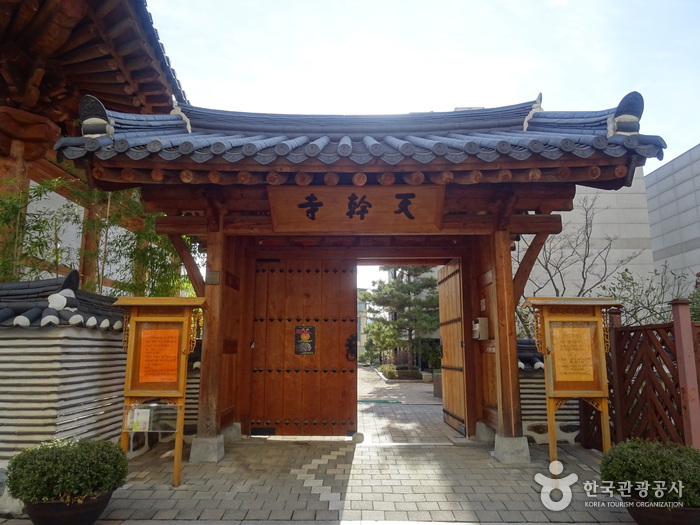
Cheongansa Temple (천간사)
14.4Km 2021-10-12
20-8, Bulgwang-ro 10-gil, Eunpyeong-gu, Seoul
Cheongansa Temple was first built in 1960, and was re-built in 2009. It has many pagodas and monuments: a pagoda filled with sari relics of Buddha; Budotap Pagoda, which is a shrine to the monk who found the temple and his sacred relics; and a monument honoring the late first lady Yuk yeong-su. The re-built temple was awarded the Hanok Prize in the Hanok Competition 2011. Located along the Bukhansan Mt. Dulaegil Trail, the temple provide visitors with the chance to enjoy fresh air and a rest from hiking along the trail.
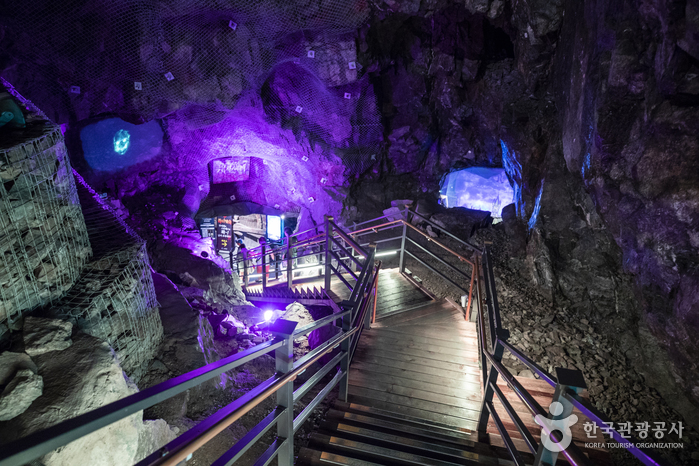
Gwangmyeong Cave (광명 동굴)
14.4Km 2025-10-27
142 Gahak-ro 85beon-gil, Gwangmyeong-si, Gyeonggi-do
Gwangmyeong Cave was developed in 1912 during the Japanese colonial period to exploit resources, including gold mines, and continued to be developed for industrial purposes after liberation. After the mine was closed in 1972, it was used as a salted seafood warehouse for about 40 years. Gwangmyeong City purchased the site, reorganized it, and made it available to the public. It is currently recognized as a modern industrial heritage site with high historical value, and is well known as a cave theme park in the metropolitan area. Along with the cave, colorful lights and sculptures create a spectacular sight. Aside from tasting and purchasing Korean wine at the Gwangmyeong Wine Cave, visitors can also see the largest media art piece in Korea at the Lascaux Exhibition Hall, enjoying a more diverse travel experience.
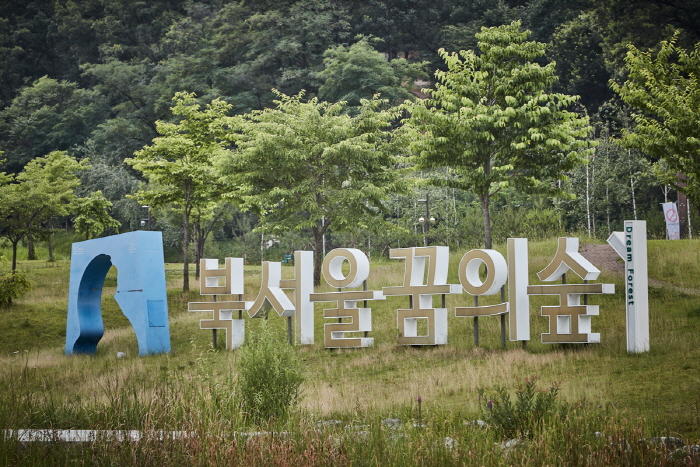
Dream Forest (북서울 꿈의숲)
14.5Km 2023-10-19
173 Wolgye-ro, Gangbuk-gu, Seoul
Dream Forest, previously known as Odong Neighborhood Park, is located in Gangbuk-gu, Seoul. The park is surrounded by cherry blossom trees, and the northern section is filled with maple trees, making the park especially attractive in spring and fall. The Changnyeongwigung Ritual House (Registered Cultural Heritage) has been restored with traditional landscaping such as a pond, pavilion and waterfall created nearby to double the genuine beauty of a traditional Korean park. Major attractions of the park include Wolyeongji Pond, Grass Square, Wolgwangpokpo Falls, Aewoljeong Pavilion, Chilbokji Falls, Event Garden, Children’s Gallery, Wild Grass Garden, Deer Ranch, Exploring Path, Forest Rest, and a water park. The slanted hillside which served as sledding slopes is now a complex cultural space with Buk-Seoul Art Center that houses a fantastic-looking observatory, performance hall, book café, gallery, restaurant, jumping fountain, and children’s playground.
Bumin Hospital Seoul (서울부민병원)
14.6Km 2025-10-23
1st Floor, International Healthcare Center, 389 Gonghang-daero, Gangseo-gu, Seoul
Seoul Bumin Hospital, a 300-bed general hospital that opened in April 2011, is a leader in medical culture with its exceptional medical staff, diagnostic equipment, and eco-friendly hospital practices. In particular, the Spine and Joint Center's medical staff, with their huge experience and expertise, provide Korea's highest level of medical services, including 3D navigation-assisted knee and hip surgery, stem cell therapy, robotic joint replacement surgery, hip endoscopic surgery, spinal deformity surgery, minimally invasive spinal surgery, and non-surgical treatments.
 English
 한국어
한국어 日本語
日本語 中文(简体)
 Deutsch
 Français
 Español
 Русский


