![Namhansanseong Provincial Park [UNESCO World Heritage] (남한산성도립공원 [유네스코 세계문화유산])](http://tong.visitkorea.or.kr/cms/resource/56/2612856_image2_1.jpg)
Namhansanseong Provincial Park [UNESCO World Heritage] (남한산성도립공원 [유네스코 세계문화유산])
17.1Km 2024-02-29
731 Namhansanseong-ro, Namhansanseong-myeon, Gwangju-si, Gyeonggi-do
Namhansanseong was a fortress that protected the southern approaches to the capital during the Baekje kingdom (18 B.C. – 660 A.D.) and the Joseon dynasty (1392-1897). During the Qing invasion of Joseon in 1636, King Injo of Joseon (reigned 1623-1649) sought refuge here and constructed Haenggung, a temporary palace. Subsequently, it became the administrative center of the Gwangju region, and today, it is a site where many cultural properties are preserved.
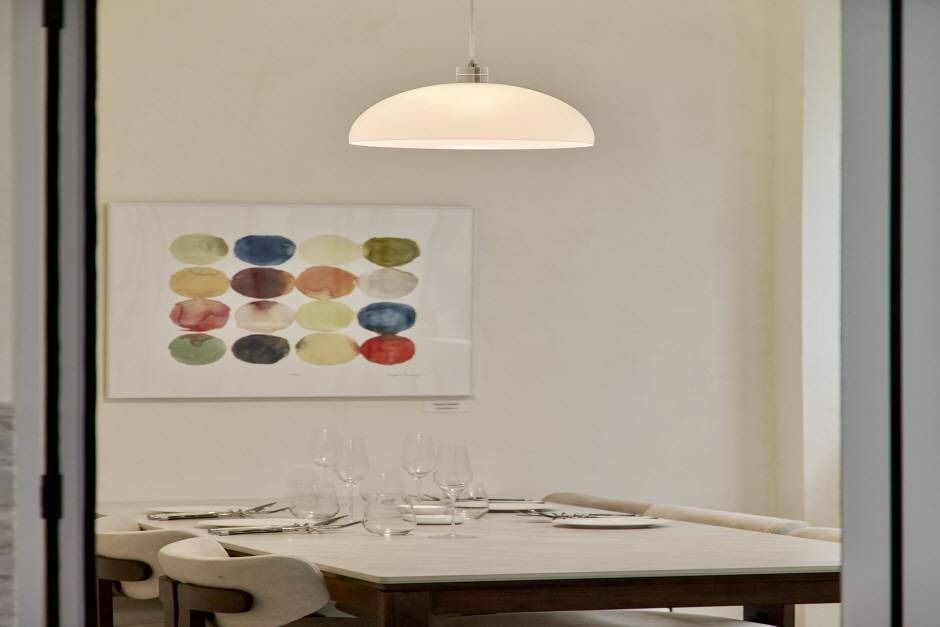
105405 Magok (105405 마곡)
17.1Km 2025-03-07
161-8 Magokjungang-ro, Gangseo-gu, Seoul
105405 Magok, a restaurant located in the Ganseo-gu district of Seoul, is famous for its charcoal grilled steak and its reinterpretation of side dishes, which is a significant part of Korean food culture. The steaks here are prepared through a meticulous process of wet-aging, seasoning, color development, confit, and charcoal grilling, with lunches served as course meals only.

Sweet Park (Lotte Children's Food Experience Center) (스위트파크(롯데어린이식품체험관))
17.2Km 2024-02-15
201 Magokjungang-ro, Gangseo-gu, Seoul
Sweet Park is a children's food experience center, an educational and entertainment space featuring Lotte's food products. The park is designed as a village themed around Lotte's food items. It offers various tour programs such as Hot Air Balloon Theater, Sweet Park Tours, Lotte R&D Center Experience Zone, and Xylitol Dental Health Education Zone.
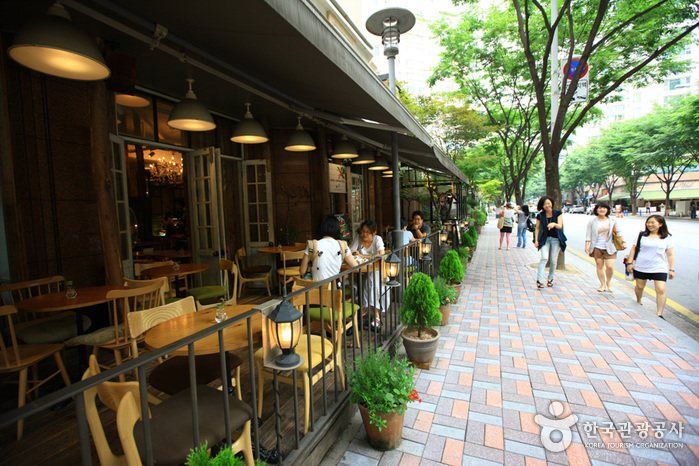
Bundang Jeongja-dong Café Street (분당 정자동 카페거리)
17.3Km 2024-02-29
234 Jeongjail-ro, Bundang-gu, Seongnam-si, Gyeonggi-do
Jeongja-dong Café Street, located in the Geumgok-dong area, boasts 40-50 cafés and restaurants on the ground floor, reminiscent of European street cafés. This street, known for its exotic vibe, attracts visitors who enjoy brunch and reading by day or strolling by night. The nearby Namhansanseong Provincial Park and its scenic valley are also worth exploring.
Bucheon U-ri General Hospital (부천우리병원)
17.3Km 2025-10-23
(Wonjong-dong), 726 Sosa-ro, Ojeong-gu, Bucheon-si, Gyeonggi-do
Bucheon U-RI General Hospital is a general hospital with an advanced medical system that is in line with the rapidly changing medical environment. The hospital won “excellent” ratings across all health checkup areas and in the Accreditation Program for Healthcare Organizations by the Ministry of Health and Welfare. With outstanding medical staff, ambitious investments in hospital facilities, and ceaseless training, we continue to grow. We maintain specialized centers across various fields, including the Gastroenterology Center, Spine & Joint Center, and the Cerebral Neurology Center, and our medical departments include internal medicine, neurology, orthopedics, spine surgery, general surgery, urology, gynecology, and dentistry. We also offer an integrated nursing care service that allows patients to be admitted without a caregiver. Our Comprehensive Health Checkup Center operates on 1,652 ㎡ under agreements with numerous public institutions and businesses. Checkup visitors can receive an early diagnosis of diseases and follow-up care from each medical department. Our strengths not only include its high-end medical facilities but also its convenient location near Incheon and Gimpo Airports. We will continue to expand our infrastructure to offer the best experience for overseas patients who want to benefit from Korea’s outstanding medical services.
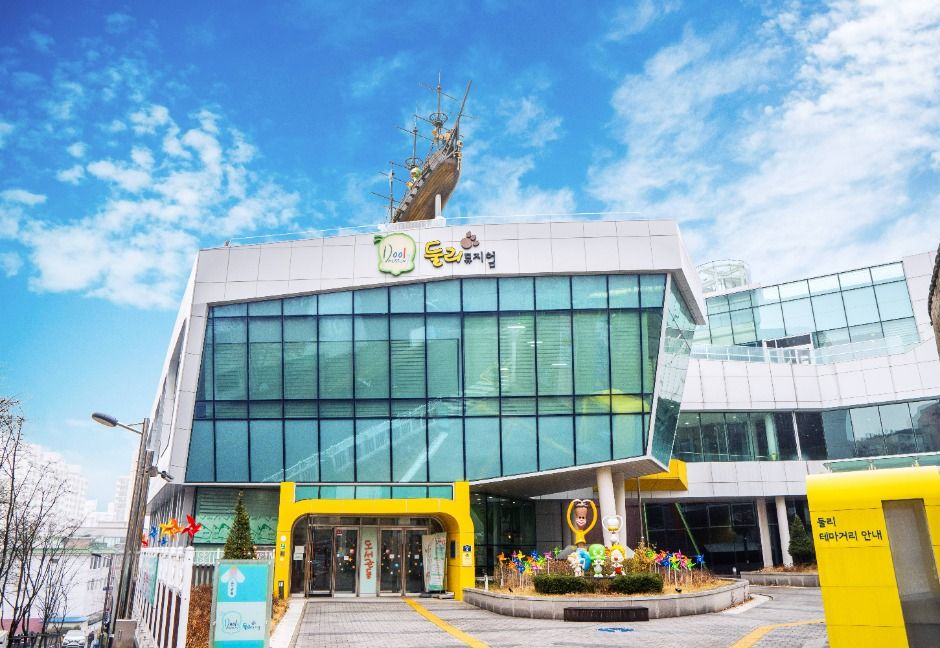
Dooly Museum (둘리뮤지엄)
17.3Km 2025-03-31
6 Sirubong-ro 1-gil, Dobong-gu, Seoul
Dooly Museum is Korea's first museum to be dedicated to a single character. The museum is dedicated to Dooly, the main character from the Korean cartoon series "Dooly the Little Dinosaur." The cartoon was published as a series on a comic magazine called "Bomulseom" from 1983 to 1993, following Dooly's adventure that begins from his arrival to Ssangmun-dong inside a glacier from the Ice Age. Inspired by the series, this interactive museum was founded in Ssangmun-dong and explores the value and meaning of the hit series through the expansion of its works such as the animation series, character merch, and other media sources.
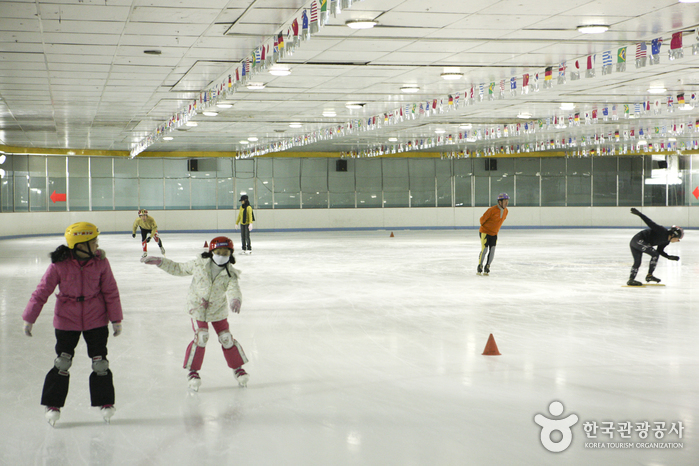
Bundang Olympic Sports Center Ice Skating Rink (분당올림픽스포츠센터 아이스링크)
17.4Km 2025-01-06
35, Junganggongwon-ro, Bundang-gu, Seongnam-si, Gyeonggi-do
Located in the Bundang area of Seongnam in Gyeonggi-do, the Bundang Olympic Sports Center spans eight floors and includes an indoor ice-skating rink, a food court, various convenience facilities, a multi-purpose indoor gym, health club, aerobics room, Taekwondo ring, a golf course and a swimming pool.
The indoor ice skating rink on the first basement floor has state-of-the-art facilities and the highest ice quality, which visitors can enjoy all year round.
![Taereung and Gangneung Royal Tombs [UNESCO World Heritage] (서울 태릉과 강릉 [유네스코 세계문화유산])](http://tong.visitkorea.or.kr/cms/resource/16/2658216_image2_1.jpg)
Taereung and Gangneung Royal Tombs [UNESCO World Heritage] (서울 태릉과 강릉 [유네스코 세계문화유산])
17.5Km 2022-09-19
681, Hwarang-ro, Nowon-gu, Seoul
Designated as a Historic Site, Taereung & Gangneung Royal Tombs is comprised of two tombs. Taereung Royal Tomb houses the burial mound of Queen Munjeong who was the second queen of King Jungjong, the 11th King of the Joseon dynasty, and Gangneung Royal Tomb houses the burial mounds of King Myeongjong, the 13th King of Joseon dynasty, and Queen Insun. King Myeongjong ascended the throne after his elder brother, King Injong, when he was twelve years old at Geunjeongjeon Hall in Gyeongbokgung Palace in 1545. The king’s mother, Queen Munjeong ruled behind the scenes, acting as guardian for eight years.
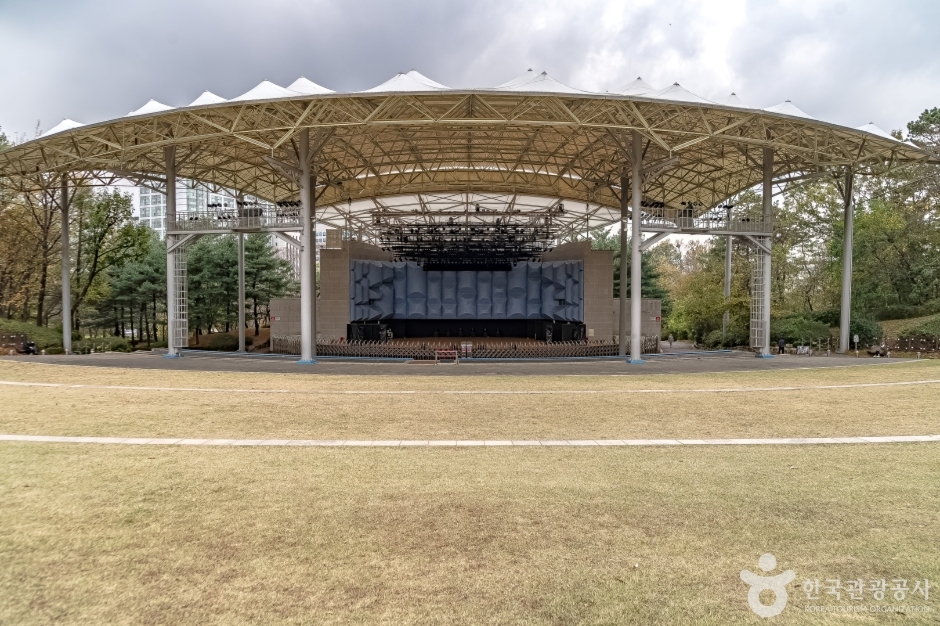
Seongnam Outdoor Theater (성남시 야외공연장)
17.6Km 2024-02-19
550 Seongnam-daero, Bundang-gu, Seongnam-si, Gyeonggi-do
Seongnam Outdoor Theater, situated within the Bundang Jungang Park, offers seating for up to 11,000 visitors, featuring 480 fixed seats and a sprawling 6,600-square-meter grass seating area. Annually hosting concerts, art festivals, exhibitions, and diverse performances, it consistently delights its visitors with high-quality entertainment.
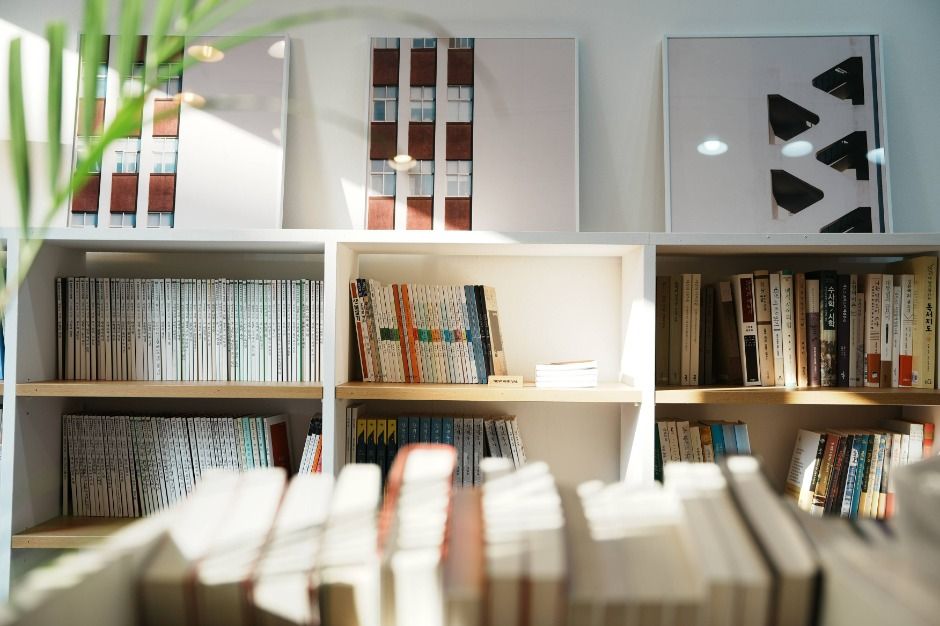
Dasi Bookshop (다시서점)
17.7Km 2025-08-14
77-24 Gonghang-daero 8-gil, Gangseo-gu, Seoul
Dasi Bookshop sells both second-hand and new books, and offers a space for readers to connect with books through a carefully curated selection, including limited edition books and books from independent publishers that are difficult to come by. In addition, it hosts book talks, book reading sessions, and author events, creating a cultural space for the community to connect. Visitors can also purchase merchandise and specially designed products, along with books, available both online and in the physical store.
 English
 한국어
한국어 日本語
日本語 中文(简体)
 Deutsch
 Français
 Español
 Русский


