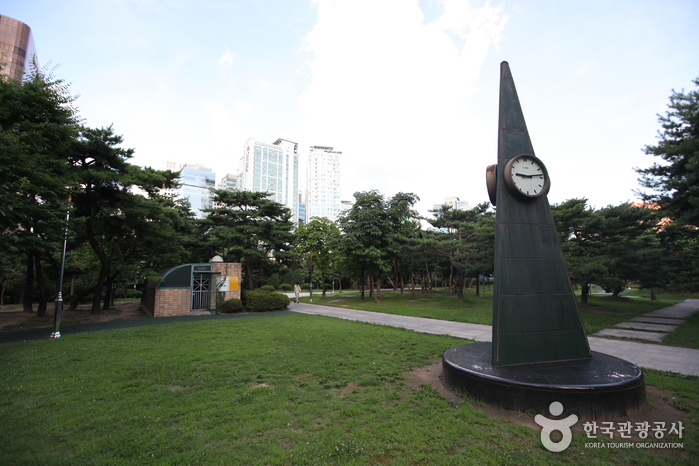
Seosomun Historical Park (서소문역사공원)
3.4Km 2023-08-11
5, Chilpae-ro, Jung-gu, Seoul
The Seosomun Gate area, which is located outside Seosomun Gate, was used as a persecution site in the 19th century before it turned into the local park of today. Many Catholics were suppressed and martyred here, making the area a holy site for Korean Catholics. Seosomun Gate was a gateway to Chilpae Market located near Namdaemun Gate. It was always busy with passerbys and the persecution site was established outside the gate to set an example of crime punishment to all the witnesses.
On May 15, 1999, a memorial tower was raised at the center of the park in honor of the martyrs. In 2013, Seoul's Jung-gu district also founded Seosumun Holy Shrine History Museum with a memorial exhibition hall in their honor.
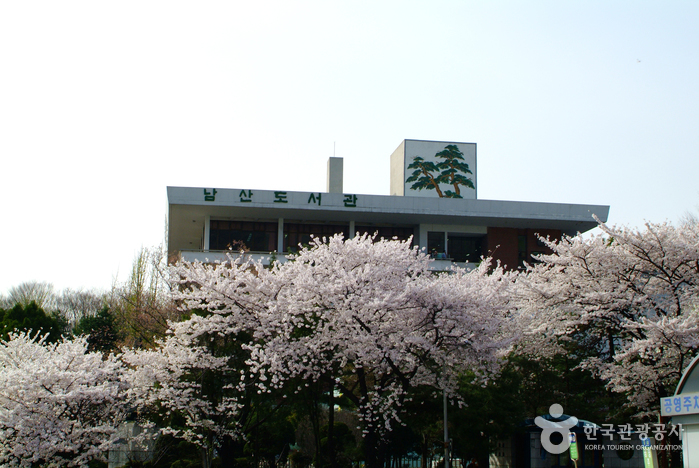
Namsan Library (서울특별시교육청 남산도서관)
3.4Km 2021-07-07
109, Sowol-ro, Yongsan-gu, Seoul
+82-2-754-7338
Namsan Library opened as Kyeongseong Prefectural Library in 1922 as a public library in Myeong-dong, Jung-gu, Seoul. The library was moved to the current site in 1964 with a newly built building and its name changed to Namsan Library in 1965. This concrete building was built in 1964 and was designed by architect Lee Haeseong. It was designated as Seoul Future Heritage in 2013, credited for its preservation value.
It is comprised of 19 rooms and educational areas including the Humanity and Social Science Hall, Nature Science Hall, Language and Literature Hall, Electronic Information Room and more. Since opening, the library has collected nearly 500,000 books, 16,000 non-book materials, 700 continuing resources, and other special materials like old books, oriental books (including Japanese books), and more. Namsan Library also operates a reading treatment program unique to this library that began in 2005. The program includes remodeling of reading consultation room, training for people in charge of reading treatment, workshops, programs for individuals and groups. Also, various exhibitions, lectures, shows, cultural classes and other events are available all year long to enhance lifelong education.
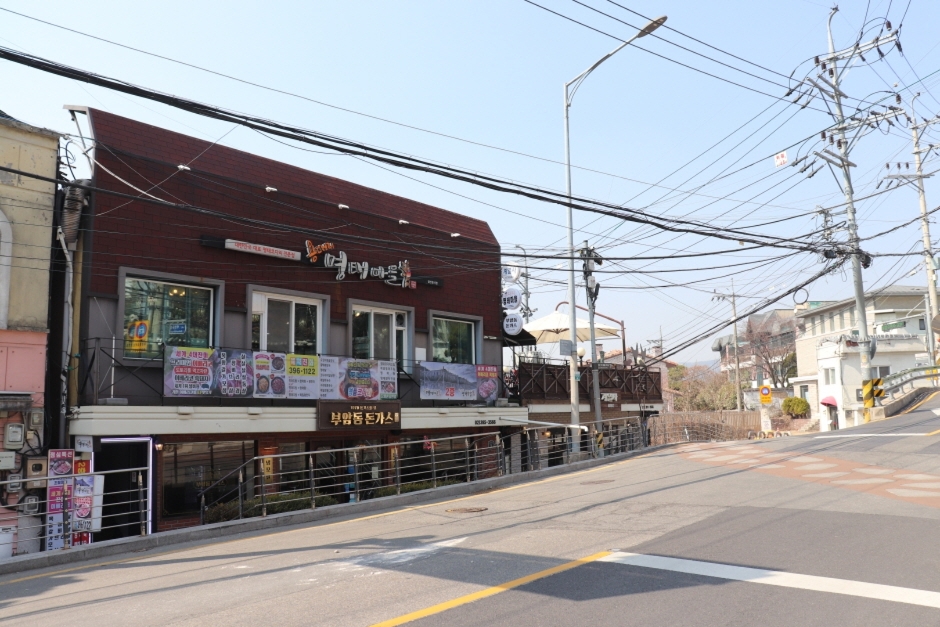
Buam-dong (부암동)
3.4Km 2024-03-15
Buam-dong, Jongno-gu, Seoul
+82-2-2148-1807
Buam-dong is a village located north of Gyeongbokgung Palace. It is designated as a development-restricted zone due to its proximity to the Cheong Wa Dae, preserving the old neighborhood's appearance. There are numerous bakeries, cafés, restaurants, and small galleries housed in renovated traditional houses, making it a delightful place for a leisurely stroll. The nearby hiking trails connected to Bugaksan Mountain offer a tranquil journey through the forest, ideal for those seeking a peaceful retreat.

Seoul K-Medi Center (서울한방진흥센터)
3.4Km 2025-10-23
26 Yangnyeongjungang-ro, Dongdaemun-gu, Seoul
Seoul Yangnyeongsi Market is an herbal medicine specialty market that distributes 70% of the herbal medicines traded in Korea and is a Korean medicine-themed town with over a thousand businesses related to oriental medicine, including oriental medicine clinics and herbal medicine stores. The Seoul K-Medi Center, located in this center of Korean herbal medicine culture, is an oriental medicine complex cultural facility that promotes the excellence and safety of traditional Korean medicine through various exhibitions, education, and experiences. The building is unique in that it harmonizes the simplicity of modern architecture with Korean elegance. Visitors can enjoy various experiences in many different facilities in the center, including the Herb Medicine Museum, where one can expand their understanding of Korean medicine by examining over 300 types of medicinal herbs and their effects; the Herb Medicine Experience Room, where visitors can experience herbal medicine natural face packs and herbal heat packs; and Yakseon Food Experience Center, where visitors can learn about healthy recipes using medicinal herbs and make healthy foods.
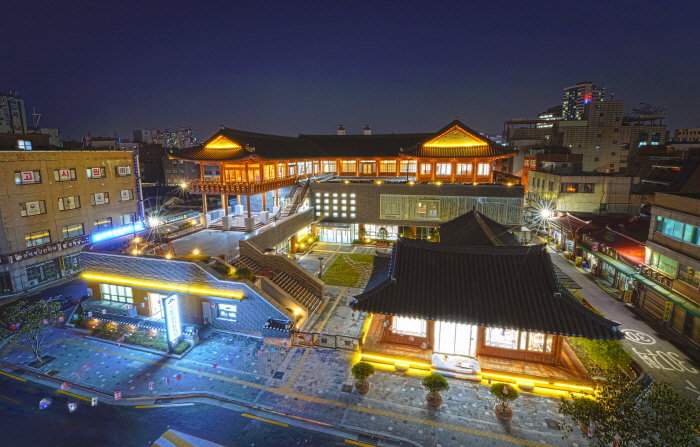
Seoul Yangnyeongsi Herb Medicine Museum (서울약령시 한의약박물관)
3.4Km 2023-04-06
26, Yangnyeongjungang-ro, Dongdaemun-gu, Seoul
+82-2-969-9241
Seoul Yangnyeongsi Herb Medicine Museum opened in September 2006 on the grounds of Bojewon, a medical institution for the poor that was in operation during the Joseon dynasty. The museum was established with the goal of preserving and developing Korea’s herb medicine culture. In October 2017, the museum moved to the second floor of the Seoul K-Medi Center. The center provides both information and hands-on programs.
Choi Hyeok Korean Medicine Clinic (최혁한의원)
3.5Km 2025-10-23
(1st Floor), 52 Yangnyeongdong-gil, Dongdaemun-gu, Seoul
Choi Hyeok Korean Medicine Clinic is particularly popular among Japanese visitors. Words about our affordable prices, friendly services, and dedication of the chief and the staff have spread in Japan, which has attracted over 2,000 Japanese visitors to the clinic annually. We offer an extensive array of services, including skin care, wrinkle removal, bloodletting acupuncture, weight-loss herbal medicine (hanyak), lipolysis acupuncture, gongjindan, kyungokgo, and “Magic Powder.” We accept appointments for wrinkle therapy on Sundays. We deliver hanyak to patients’ hotels if they are not too far away. We also ship to patients’ homes in Japan. You are always welcome to contact us on Line or Instagram.
Cha Fertility Ceter - Seoul Station ((의)성광의료재단 차여성의원)
3.5Km 2025-10-23
(2nd Floor, Seoul Square), 416 Hangang-daero, Jung-gu, Seoul
Since opening in 2015, CHA Fertility Center - Seoul Station has served as Korea's leading fertility treatment center. Based on the know-how of CHA University Gangnam Medical Center, the first private hospital to deliver a test-tube baby in 1986, CHA Fertility Center - Seoul Station is conveniently located near the center of Seoul, making it convenient for domestic and international fertility clients. Foreign fertility patients who arrive in Korea via Incheon Airport not only have easy access to the clinic via the direct rail linking Seoul and the airport but also benefit from the capital city's excellent infrastructure (transportation, tours, accommodations, restaurants, etc.) for a safe and comfortable fertility treatment during their stay. In particular, many international residents in Korea, embassy officials, U.S. soldiers, and Koreans living abroad visit CHA Fertility Center for fertility treatment.
Seoul Gyeongdong Market (서울 경동시장)
3.5Km 2024-12-03
3 Gosanja-ro 36-gil, Dongdaemun-gu, Seoul
As the nation began to recover from the aftermath of the Korean War, farmers from the northern Gyeonggi-do region and Ganwon-do gathered around the old Seongdong Station (renamed ‘Hansol Donguibogam’) to sell their produce and wares. The farmers’ impromptu gathering on the fallow farmland to make their transactions soon led to the birth of a new marketplace. With the recent remodeling of the market, including the long-neglected Gyeongdong Theater, the place feels totally renewed and full of energy. Thanks to the renovation and diverse food stalls, the place is always bustling and filled with people.
Starbucks Gyeongdong Market (스타벅스 경동1960)
3.5Km 2024-12-27
3 Gosanja-ro 36-gil, Dongdaemun-gu, Seoul
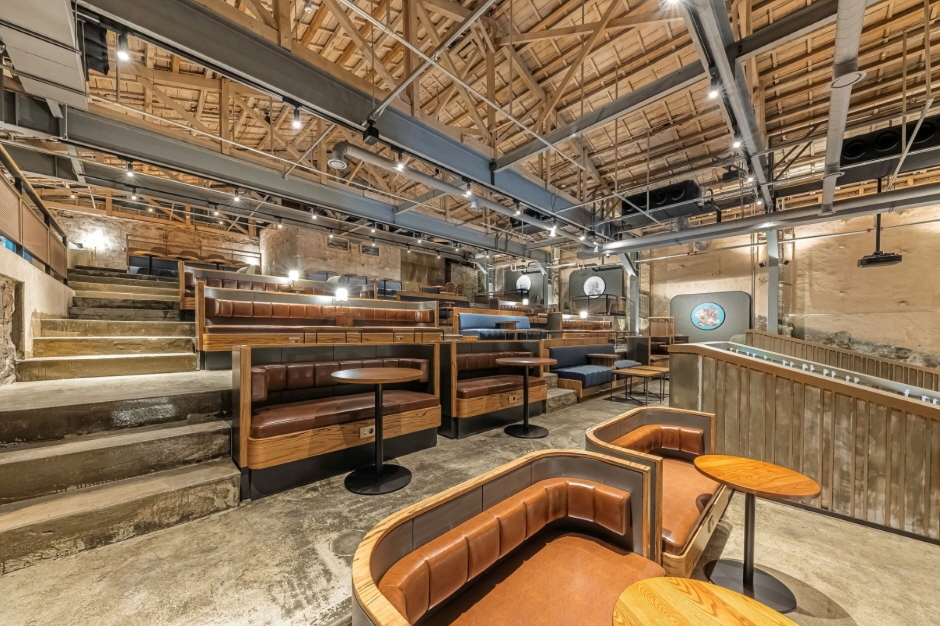
Restored Gyeongdong Market space and the 5th community store for a win-win relationship with local economy
This 5th Starbucks Community Store is housed in a restored theater in Gyeongdong Market. The store has a win-win agreement with local merchants. Starbucks created a multiple cultural space in collaboration with LG Electronics such as LG Gold Star Radio Refresh Center. Every week, local artists and college students present culture and art performances on the stage that recreated the theatre concept. To offer a special experience suitable to an old theater, Starbucks developed the Retro Theater-like CND. For differentiated customer experiences, the store sells store-baked crafted food and exclusive merchandise.
Culture Station Seoul 284 (문화역 서울 284)
3.6Km 2025-10-23
1 Tongil-ro, Jung-gu, Seoul
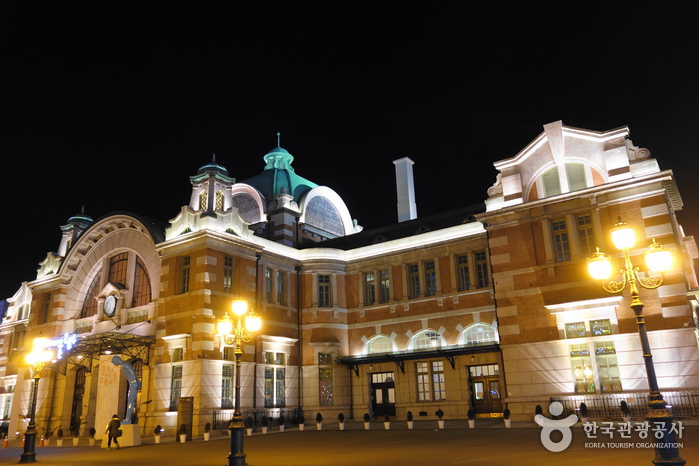
Culture Station Seoul 284 opened in 2011 by restoring the old Seoul Station. The complex holds various programs including exhibitions, performances, cultural events and workshops. It holds over 100 years of history with Namdaemun Station being the original name of the station in 1900 and changing to Gyeongseong Station, Seoul Station, and now Culture Station Seoul 284. The look of 1925 Gyeongseong Station offers visitors a flashback to the past, providing a fun and special experience.
◎ Travel information to meet Hallyu’s charm
This is where Mok-ha (played by Park Eun-bin) waited for Ki-ho (played by Chae Jong-hyeop) with flowers in the TV series "Castaway Diva." As the restored historic Seoul Station, it also appeared in "Reply 1994" as the location where Samcheonpo (played by Kim Sung Kyun) first arrived in Seoul.
 English
 한국어
한국어 日本語
日本語 中文(简体)
 Deutsch
 Français
 Español
 Русский


