
Grand Hyatt Seoul (그랜드 하얏트 서울)
5.2Km 2025-10-23
322, Sowol-ro, Yongsan-gu, Seoul
The Grand Hyatt Seoul is an international business hotel located 10 minutes away from the center of the city and 20 minutes away from Yeouido and Gangnam, boasting a view of the Hangang River to the south and the scenery of Namsan Mountain to the north. It is also located only 70 minutes and 50 minutes away from Incheon International Airport and Gimpo International Airport respecitvely, making the hotel a convenient option for international travelers.
Grand Hyatt Seoul has twelve restaurants and bars that serve authentic meals and develop menus that lead the culinery trend. The hotel is also equipped with conference rooms, sports facilities, and spa services.
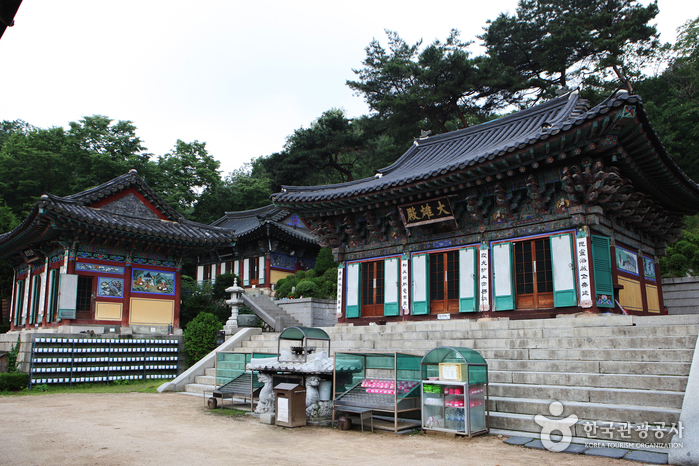
Seoul Hwagyesa Temple (화계사(서울))
5.2Km 2021-11-02
117, Hwagyesa-gil, Gangbuk-gu, Seoul
Hwagyesa Temple was built in 1522 (the seventeenth year of the reign of King Jungjong of the Joseon dynasty) by monk Shinwol, but was destroyed in a fire in 1618. It was rebuilt the following year, and expanded In 1866 through the efforts of Monks Yongseon and Beomun.
The temple also has various templestay programs for visitors. Hwagyesa Temple is located not too far from the city but also provides a natural environment.

Leeum, Samsung Museum of Art (삼성미술관 리움)
5.3Km 2022-12-15
60-16, Itaewon-ro 55-gil, Yongsan-gu, Seoul
Leeum, Samsung Museum of Art, exhibits traditional and modern art works by Korean and international artists. The museum itself is just as fascinating as the art works on display, since the museum's three buildings were designed by internationally renowned architects Mario Botta, Jean Nouvel, and Rem Koolhaas.
MUSEUM 1 houses traditional Korean art, such as calligraphy, paintings, ceramic arts, and metal craftwork, while MUSEUM 2 displays modern and contemporary art by both Korean and international artists.
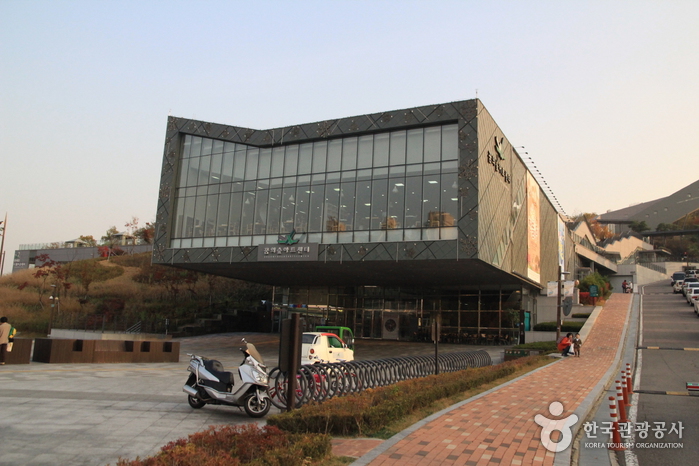
Dream Forest Art Center (꿈의숲 아트센터)
5.3Km 2025-01-15
173, Wolgye-ro, Gangbuk-gu, Seoul
Dream
Forest Art Center, located in Gangbuk, Seoul, is operated by the Sejong Center
for the Performing Arts. Composed of two performance venues (Performance
Hall and Concert Hall), alongside with Sang Sang Tok Tok Art Gallery and Dream
Gallery, there are also a Chinese restaurant, cafe and an observatory deck available
for all visitors to enjoy.
Gyeongnidan Street (경리단길)
5.4Km 2023-01-18
Itaewon-dong, Yongsan-gu, Seoul
Gyeongnidan Street refers to the 937-meter-long road from the main gate of MND Financial Management Corps to Grand Hyatt Seoul as well as all of the nearby streets and alleys. It is called Gyeongnidan Street because the Korean army's central finance corps, or Gyeongnidan in Korean, used to be located here, and has gained fame for presenting a different vibe than that of Itaewon despite being part of Itaewon-dong. Gyeongnidan Street is an area of culture and youth where people are able to enjoy diverse and special cuisine and dishes at unique restaurants and cafes. Although it resembles a typical neighborhood of Seoul, it features foreigners who have come from many different places around the globe living in natural harmony with Korean locals, which exudes a unique, exotic atmosphere. It is fun to walk along the various streets and alleys to discover novel and sophisticated shops.
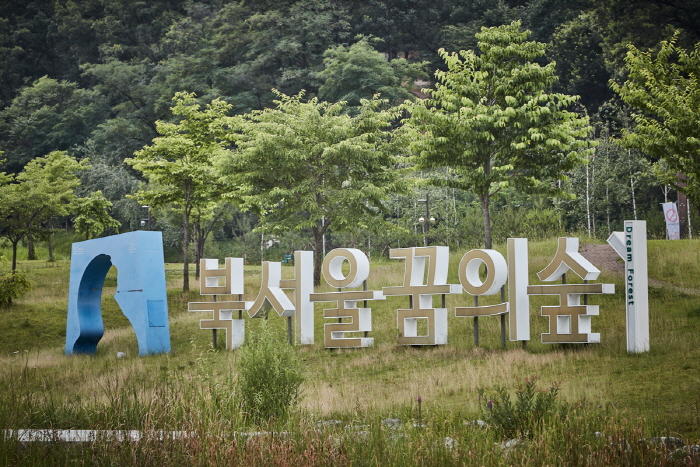
Dream Forest (북서울 꿈의숲)
5.5Km 2023-10-19
173 Wolgye-ro, Gangbuk-gu, Seoul
Dream Forest, previously known as Odong Neighborhood Park, is located in Gangbuk-gu, Seoul. The park is surrounded by cherry blossom trees, and the northern section is filled with maple trees, making the park especially attractive in spring and fall. The Changnyeongwigung Ritual House (Registered Cultural Heritage) has been restored with traditional landscaping such as a pond, pavilion and waterfall created nearby to double the genuine beauty of a traditional Korean park. Major attractions of the park include Wolyeongji Pond, Grass Square, Wolgwangpokpo Falls, Aewoljeong Pavilion, Chilbokji Falls, Event Garden, Children’s Gallery, Wild Grass Garden, Deer Ranch, Exploring Path, Forest Rest, and a water park. The slanted hillside which served as sledding slopes is now a complex cultural space with Buk-Seoul Art Center that houses a fantastic-looking observatory, performance hall, book café, gallery, restaurant, jumping fountain, and children’s playground.
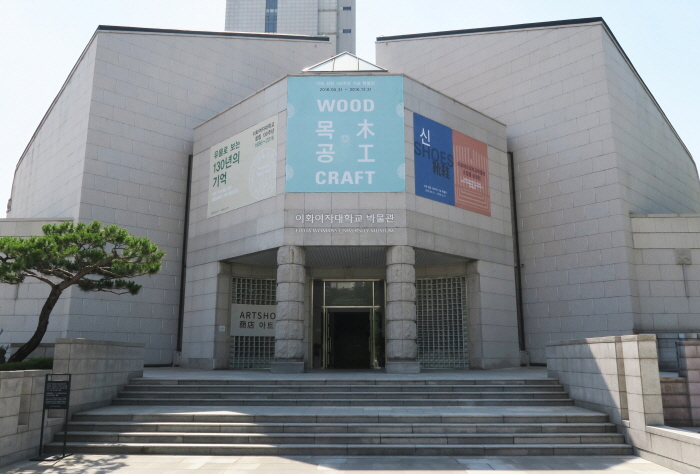
Ewha Womans University Museum (이화여자대학교박물관)
5.5Km 2022-09-14
52, Ewhayeodae-gil, Seodaemun-gu, Seoul
The Ewha Womans University Museum was established in 1935 with the goal of preserving the cultural heritage of Korea. Originally, items related to folk art, traditional woodwork, and pottery were put on display in the hall of the main university to keep them from being confiscated during the Japanese occupation. This later led to the opening of the museum to display and store the growing collection.
Regular exhibitions of the museum’s collection have been taking place annually from 1972. Since 1996, the museum also held special exhibitions that focus on other themes related to cultural heritage. Additional small-scale exhibitions are also held frequently to promote Korea's traditional culture and art.
A ceramics research facility as well as a more traditional museum, a large portion of the museum’s efforts is focused on the research and excavation of kilns. To this aim, excavation teams from the museum have traveled to various parts of the country to conduct studies on historic sites and assess the value of artifacts. Through the publication of books and reports on its discoveries, the museum has contributed to raising knowledge and awareness of Korean cultural heritage in academia and among the public.
Ewha Welcome Center (이화웰컴센터)
5.5Km 2022-09-13
52, Ewhayeodae-gil, Seodaemun-gu, Seoul
Ewha Welcome Center opened in 2013 as the first promotional center and visitor center of its kind on a university campus in Korea, comprised of an information desk, exhibition lounge, and gift shop. The information desk offers useful information to help visitors get the most out of their Ewha campus experience. The exhibition lounge introduces the history, traditions, and vision of the present-day and future of the university year-round. Visitors can purchase university gear at the gift shop. Furthermore, foreign visitors can take part in a range of campus tour programs in English and Chinese for an enriching experience.
Hwanggeum Kongbat (황금콩밭)
5.5Km 2025-10-31
9 Mapo-daero 16-gil, Mapo-gu, Seoul
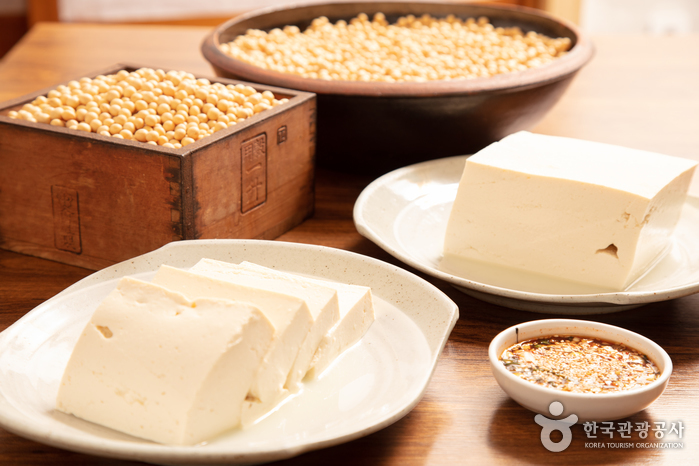
Hwanggeum Kongbat specializes in bean curd, using 100% Korean-grown soybeans and salt to make their bean curd fresh daily. The restaurant is famous for their method of making a bean curd that is smooth and maintains the nutty yet sweet flavor of the soybeans.
![Uireung Royal Tomb [UNESCO World Heritage] (서울 의릉(경종, 선의왕후) [유네스코 세계문화유산])](http://tong.visitkorea.or.kr/cms/resource/80/2690680_image2_1.jpg)
Uireung Royal Tomb [UNESCO World Heritage] (서울 의릉(경종, 선의왕후) [유네스코 세계문화유산])
5.5Km 2021-06-03
146-20, Hwarang-ro 32-gil, Seongbuk-gu, Seoul
Uireung is the royal tomb of King Gyeongjong (reign 1720-1724), the 20th ruler of the Joseon dynasty, and his second wife, Queen Seonui.
King Gyeongjong was the first son of King Sukjong and Janghuibin, who was one of King Sukjong’s concubines. King Gyeongjong, who was born weak and anemic, died four years after becoming the king, without any great political achievements. Uireung tombs differ from the other royal double tombs in that they are not placed side-by-side. Instead, according to geomantic theory, one tomb has been placed directly behind the other one. The arrangement also shows that when making tombs, Korean ancestors did their best to protect the natural environment. Another feature of Uireung Royal Tomb is the stone fence raised using twelve stone posts. Each post has a letter inscribed, representing one of the twelve sibijisin gods.
 English
 한국어
한국어 日本語
日本語 中文(简体)
 Deutsch
 Français
 Español
 Русский


