
Exprive (주식회사 엑스프리베)
7.2Km 2025-10-23
#705, 38 Ttukseom-ro 13-gil (Seongsu-dong 2-ga, Sangsang Planet), Seongdong-gu, Seoul
Exprive Medical is a certified international patient attraction agency that safely connects overseas patients with Korea’s high-quality medical services. Our main services include discovering and consulting with international patients, coordinating customized hospital connections, and providing interpretation and convenience support. Through personalized services tailored to each patient, we contribute to enhancing the value of Korea’s medical tourism.
Musinsa Standard Seongsu (무신사 스탠다드 성수)
7.2Km 2025-11-06
83 Yeonmujang-gil, Seongdong-gu, Seoul
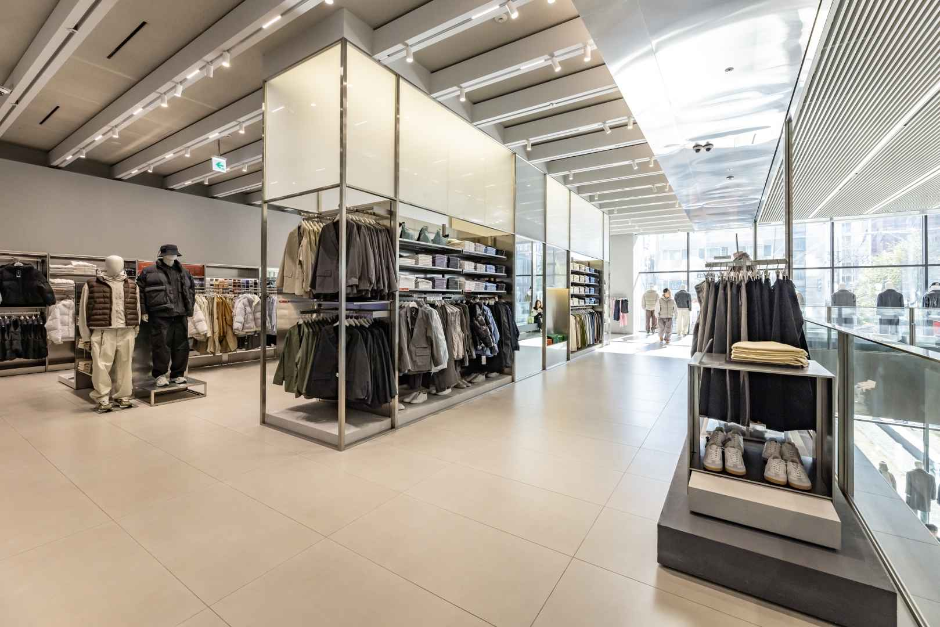
Located near Seongsu-dong Café Street, this is the physical store of the online editorial shop MUSINSA. The store offers affordable, high-quality clothing aimed at young adults in their 20s, with neutral colors and minimalist designs popular among Koreans. It’s also a favorite indoor date spot for couples, providing a quick overview of the latest fashion trends.
G-line Book Street (경의선책거리)
7.2Km 2024-03-19
35 Wausan-ro 37-gil, Mapo-gu, Seoul
G-line Book Street spans approximately 250 meters from Exit 6 of Hongik University Station to Wau Bridge, where the old train tracks remain intact. It serves as a prominent cultural hotspot in Hongik University, housing various bookstores and cultural spaces selling books on diverse topics. Independent bookstores, children's bookstores, specialty bookshops, and art galleries converge in this area, offering a rich tapestry of literary experiences.
Apgujeong Oracle Clinic (압구정오라클피부과)
7.2Km 2025-10-23
(4th Floor, Miseung Building, Sinsa-dong) 23 Apgujeong-ro 30-gil, Gangnam-gu, Seoul
A happy choice for a beautiful life!
Welcome to Apgujeong Oracle Clinic led by Dr. Park Je-young, a dermatologist from Seoul National University.
Dr. Park has given academic lectures and facilitated live seminars in and outside of Korea for 15 years. He is also certified as a Master Key Doctor for Ulthera, Thermage, Titanium, etc.
As a doctor who teaches doctors, Dr. Park is the largest source of competitive advantage for Apgujeong Oracle Clinic, a clinic beyond comparison with other hospitals.
Experience personalized care from dermatology specialists.
In addition, we offer personalized aesthetic programs according to each individual's skin type, and visitors can access comprehensive skin care services as well as skin disease treatment.
Buvette Main Branch (부베트 본점)
7.2Km 2025-12-02
854 Nonhyeon-ro, Gangnam-gu, Seoul
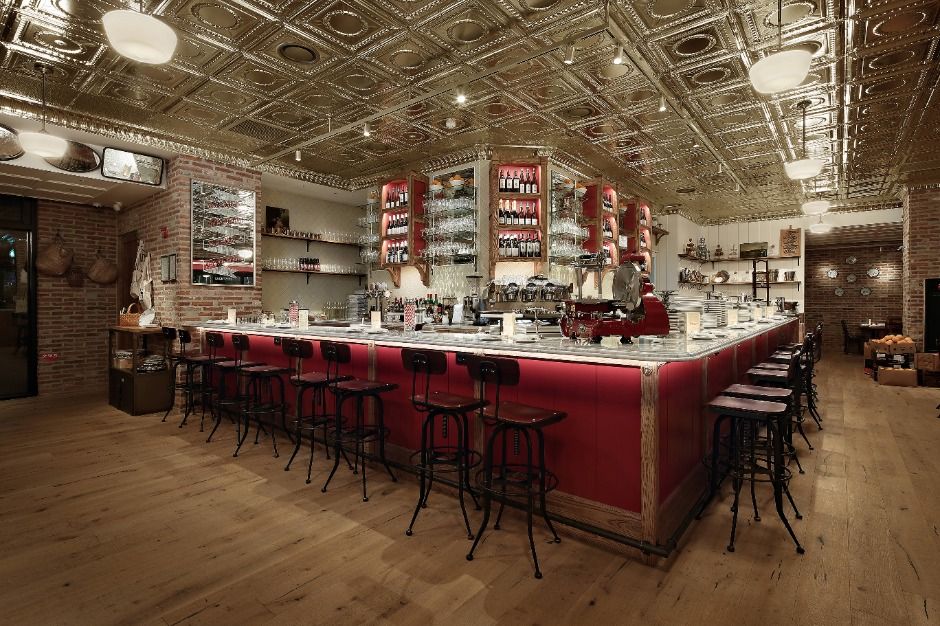
Located in Gangnam, Buvette is a French Gastrotheque where one can enjoy stories and aesthetics of European-style antiques. The place offers heartwarming home-style meals that have been passed down through generations. Early morning coffee and breakfast, lunch with friends, dinner with family, and after-meal cocktails are all possible at Buvette, where delicious food and a lively atmosphere come together to suit a variety of lifestyles. It also has an outdoor terrace that sets the perfect atmosphere for a glass of wine or champagne and is particularly popular among the younger generation. Its signature menu items include of sole meunière, French onion soup, and chorizo oil pasta. The place is easy to find as it is located in a commercial building on the first floor of Andaz Hotel in Apgujeong.
Jeong’s Family (정스패밀리)
7.3Km 2025-03-15
16 , Hyochangwon-ro 8-gil, Yongsan-gu, Seoul
Jeong's Family is a foreigner-only guesthouse in Hanseong Han River Apartments in Yongsan-gu, Seoul. The apartment building is in a quiet residential area and has a fine view over the Han River and the riverside Hangang Park - which is a great place for walking or cycling. The two rooms are furnished with laptop PCs. Guests will recieve a welcome drink when they check-in, and a simple breakfast and dinner are provided upon prior reservation. The guesthouse is close to the airport bus stop, and convenient for public transport to tourist hotspots such as Gangnam, Hongdae, and Myeong-dong. There’s a key deposit system in operation.
Glovi Plastic Surgery (글로비성형외과의원)
7.3Km 2025-10-23
(6th Floor, EGI Building), 843 Nonhyeon-ro, Gangnam-gu, Seoul
"Glovi Plastic Surgery strives to understand the hearts of our clients."
While standards of beauty have varied across eras and individuals, true beauty remains timeless. At Glovi Plastic Surgery, we are dedicated to discovering and delivering enduring beauty by continuously researching and refining our techniques to ensure the highest level of satisfaction for each patient.
With extensive experience and exceptional technical expertise, Glovi Plastic Surgery offers personalized cosmetic surgery programs tailored to individual characteristics. Our dedicated stem cell research lab, certified by the Ministry of Science, ICT and Future Planning as an R&D department, showcases our differentiated technological capabilities. Additionally, we provide customer satisfaction programs that prioritize patient safety and convenience.
Glovi Plastic Surgery's commitment to rewarding your choice with beauty and confidence continues every day.
BF Life Sciences Co., Ltd ((주) 비에프생명과학)
7.3Km 2025-10-23
(#1, 5th Floor), 10 Nonhyeon-ro 163-gil, Gangnam-gu, Seoul
BF Life Sciences is a leading company in the international medical cooperation business, specializing in hospital management support, advanced medical services, and research and development. We are at the forefront of next-generation biotechnology, including advanced genome decoding technology and stem cell research, driving innovation in the development of medical devices, pharmaceuticals, cosmetics, and health supplements. Additionally, BF Life Sciences is a global healthcare group providing customized theranostics through collaborations with both domestic and international medical institutions.
Leveraging our expertise in hospital management, we operates overseas branches and hospitals, leading the export of medical services and devices while also conducting various educational programs. BF Life Sciences is registered and licensed with agencies such as the Korea Trade-Investment Promotion Agency (KOTRA), the Ministry of Health and Welfare, and the Korea Food and Drug Administration, ensuring transparent business practices.
Youngchive Seongsu (영카이브 성수점)
7.3Km 2025-11-06
1F, 32 Seongsui-ro 18-gil, Seongdong-gu, Seoul
◎ Travel information to meet Hallyu’s charm
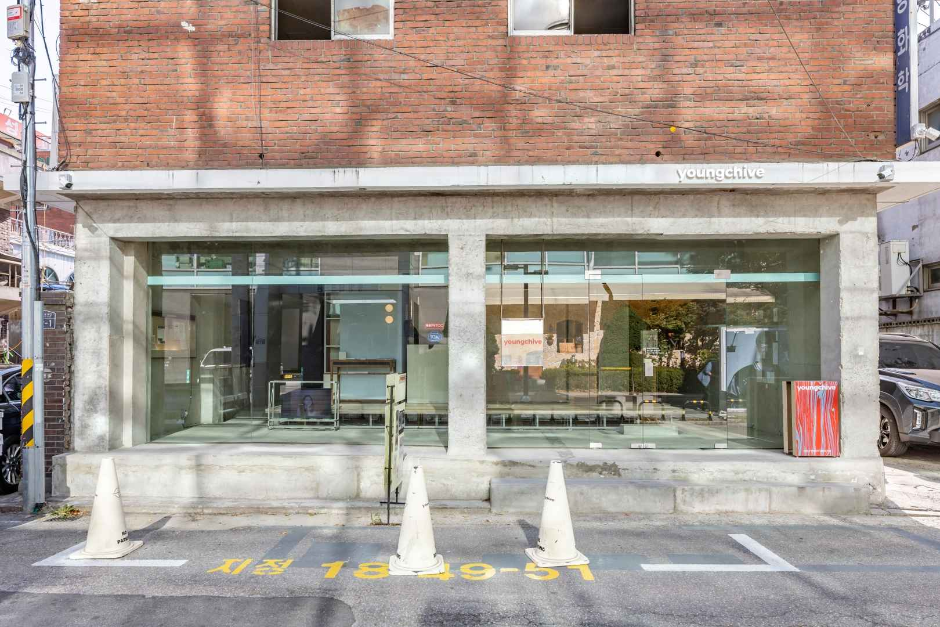
Youngchive Seongsu is the self-photo studio where Red Velvet’s Seulgi took photos with the staff while filming her vlog. It is known for its warm color tones, which set it apart from other self-photo studios. The Seongsu branch offers unique booths, such as the “still room” and “denim room,” which aren’t available at other locations, making it a must-visit spot.
 English
 한국어
한국어 日本語
日本語 中文(简体)
 Deutsch
 Français
 Español
 Русский


