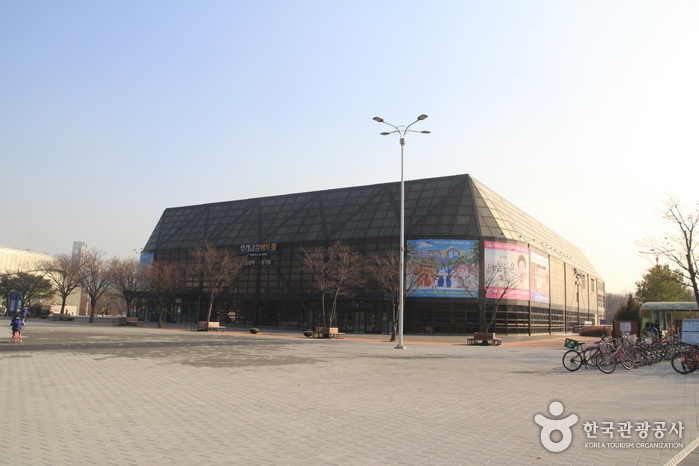
Olympic Park Stadium (올림픽공원 경기장)
10.9Km 2021-06-11
424, Olympic-ro, Songpa-gu, Seoul
+82-2-410-1114
Olympic Park is an expansive outdoor area for Seoul residents to enjoy, offering facilities and venues for a range of events including athletic competitions, concerts and other performances. The park houses athletic facilities including the gymnasium of the ’88 Seoul Olympic Games, a fencing stadium, weightlifting stadium, swimming pool and tennis courts. Moreover, those venues are multi-purpose facilities that can host a wide range of events and performances.
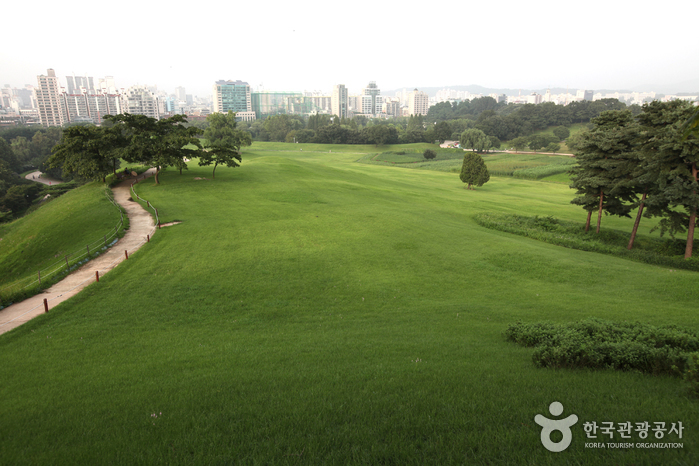
Seoul Mongchontoseong Earthen Fortification (서울 몽촌토성)
10.9Km 2024-03-12
424, Olympic-ro, Songpa-gu, Seoul
+82-2-2147-2814
Mongchontoseong Earthen Fortification is an ancient earthen fortress built during the Hanseong period of the ancient Korean kingdom of Baekje (BC 18-AD 660). It is believed to have been constructed in the 3rd to 4th centuries. Utilizing the natural advantages of the Hangang River, it served defensive purposes with its trench and log barrier. Excavated relics from the Baekje era are on display at the Seoul Baekje Museum. The site is situated within the Olympic Park in Songpa, Seoul.
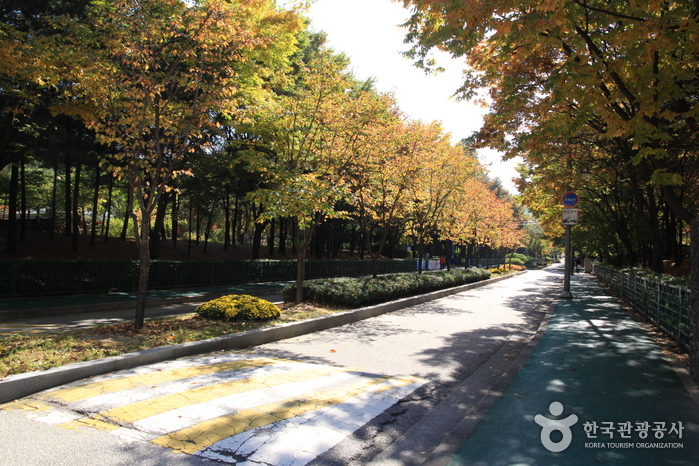
Bonghwasan Mountain - Seoul (봉화산 (서울))
10.9Km 2022-09-14
Sinnae-ro 21-gil, Jungnang-gu, Seoul
+82-2-2094-2353
Bonghwasan Mountain (alt. 160 meters) in Jungnang-gu, Seoul offers scenic views of Buramsan, Dobongsan, and Namsan mountains. From the mountain, hikers can even see as far as the Yangju area of Gyeonggi-do Province to the north. Officially designated a “neighborhood park” in July 1977, Bonghwasan Mountain has a variety of convenience facilities, not least of which is the beacon tower of Achasan Bongsudae (remolded in 1994) perched on the mountain summit. Also near the summit is Sansingak Shrine, which is the site of the annual Bonghwasan Dodanggut (Intangible Cultural Property of Seoul), a shamanistic rite performed on the third day of the third lunar month.
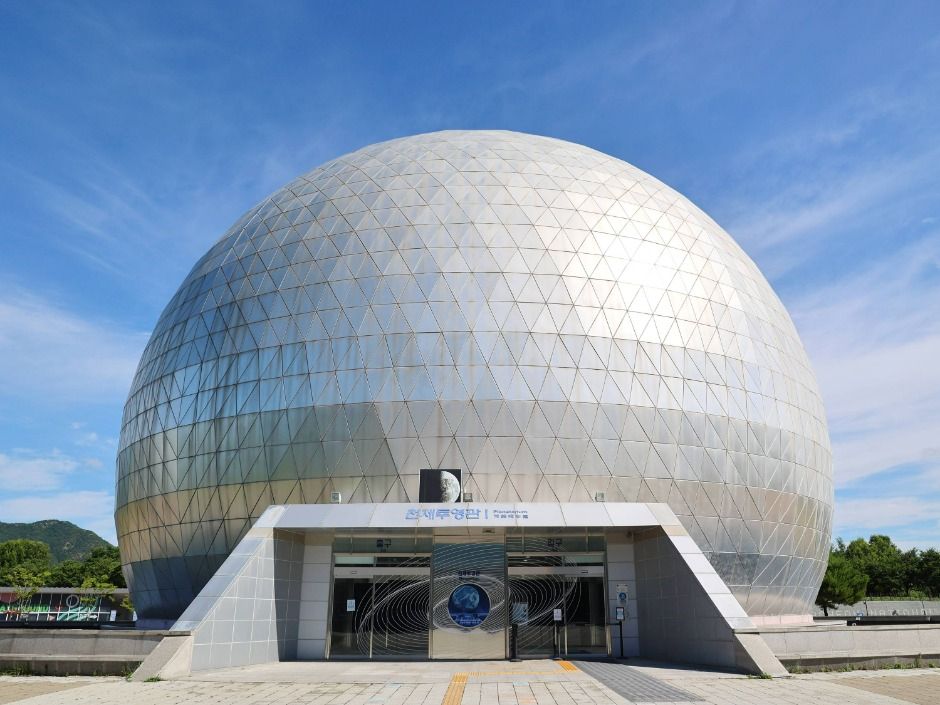
Gwacheon National Science Museum (국립과천과학관)
11.0Km 2025-07-14
110, Sanghabeol-ro, Gwacheon-si, Gyeonggi-do
As a landmark facility representing Korea’s advanced science and technology capabilities, Gwacheon National Science Museum strives to encourage young visitors to become interested in science and shares with the public scientific principles that govern daily life. The museum has permanent exhibition halls, special exhibition halls, a planetarium, outdoor exhibitions, and more. Over 50% of the exhibition items on display are interactive, allowing visitors to jump in and experience science first-hand using their minds and their imagination.
Samseongsan Holy Ground (삼성산성지)
11.0Km 2021-08-17
454-16, Hoam-ro, Gwanak-gu, Seoul
+82-2-875-2271
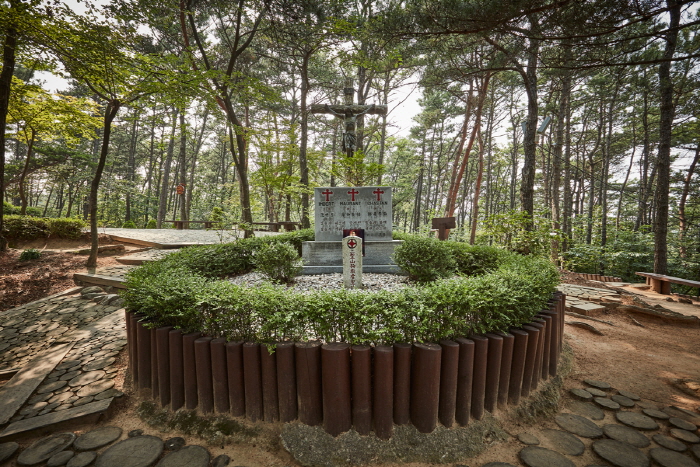
During the Gihae Persecution of 1839, three French Catholic priests were sentenced to death for spreading Catholicism in Korea. Saint Laurent Joseph Marius Imbert (Bishop), Saint Pierre Philibert Maubant (Priest), and Saint Jacques Honore Chastan (Priest) were beheaded on September 21, 1839 at Saenamteo, currently known as the Saenamteo Catholic Holy Place of the Martyrs, and their bodies were buried at Samseongsan Mountain and later transferred to the grotto of Myeondong Cathedral.
Mongchon Museum of History (몽촌역사관)
11.0Km 2021-08-13
424, Olympic-ro, Songpa-gu, Seoul
+82-2-2152-5900
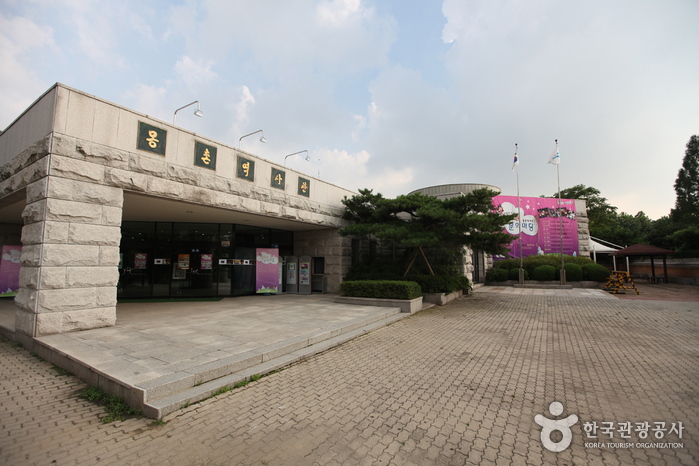
The Mongchon Museum of History, located within Olympic Park, displays artifacts from the excavations of Mongchontoseong Fortress, such as earthen fortifications as well as other artifacts of the Baekje Kingdom period, offering a glimpse into Baekje culture. A model of a Baekje dugout hut site reveals ancient dwelling patterns. Also, the facility displays a perfectly preserved model of ancient houses and tombs, giving visitors the feel of traveling back to prehistoric ages.

Yongma Land (용마랜드)
11.1Km 2025-10-28
118 Mangu-ro 70-gil, Jungnang-gu, Seoul
Yongma Land, a private amusement park, was opened at the foot of Yongmasan Mountain in 1983, and closed its doors in 2011. Having spent some time as a derelict building, it has now been repurposed as a nostalgia-filled space. It was made famous as the filming location of Crayon Pop’s "Bar Bar Bar" music video. Since then, it has become a renowned destination for photography, thanks to its unique atmosphere created by the combination of lush greenery and derelict amusement rides. Entry may be restricted in the case of filming or space rentals, so make sure to check with the management before you head to the amusement park. Yongma Land is located next to Bonghwa Middle School, at Exit 1 of Mangu Station, Gyeongui–Jungang Line.
Seoul Miz Hospital (서울미즈병원)
11.2Km 2025-10-23
1041 Cheonho-daero, Gangdong-gu, Seoul
Seoul Miz Hospital is a women’s specialized hospital located in Gangdong-gu, Seoul. It provides medical services in obstetrics and gynecology, breast and thyroid surgery, internal medicine, dermatology and plastic surgery, and pediatrics, while also operating a health promotion center. With its newly expanded building, the hospital has established an International Medical Center to support the treatment of foreign patients.
Skylift (스카이리프트)
11.2Km 2025-11-11
102 Daegongwongwangjang-ro, Gwacheon-si, Gyeonggi-do
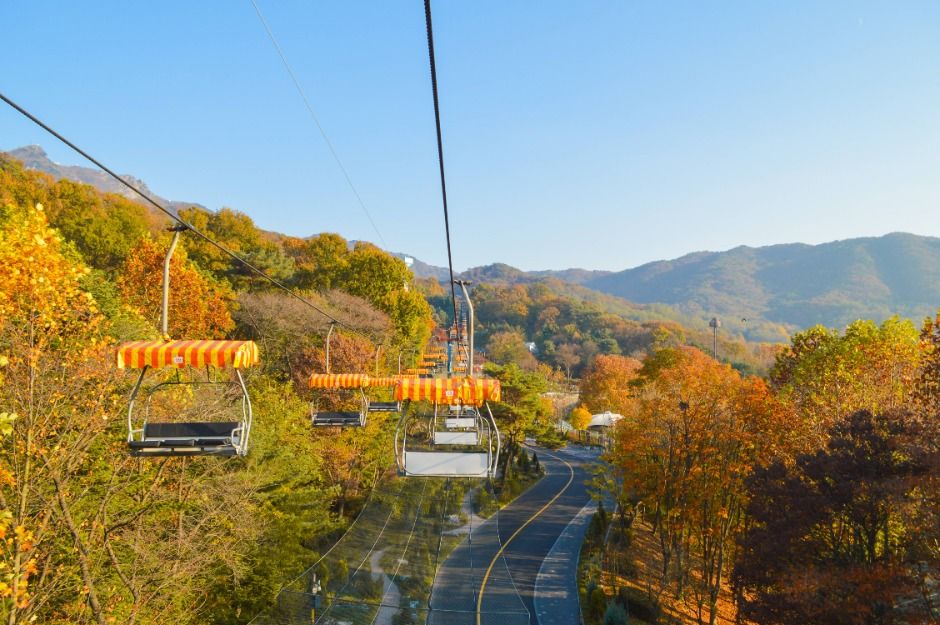
The Seoul Grand Park Skylift is an experiential transportation and tourist facility that operates within Seoul Grand Park. It consists of two lines, Line 1 and Line 2, and operates from the entrance of Seoul Grand Park to the north gate of the zoo, and from the north gate of the zoo to the top of the carnivore animals zone, respectively. It serves to connect major tourist destinations such as the zoo, themed gardens, and children's zoo, allowing visitors to move around efficiently. Visitors can also enjoy the natural scenery of Seoul Grand Park's lakes, forests, and flower paths while traveling on the lift. Available all year round, visitors can enjoy seasonal scenery such as cherry blossoms in spring, greenery in summer, autumn leaves in fall, and snowy landscapes in winter.
Ononsa Guesthouse (온온사)
11.2Km 2023-07-17
58 Gwanaksan-gil, Gwacheon-si, Gyeonggi-do
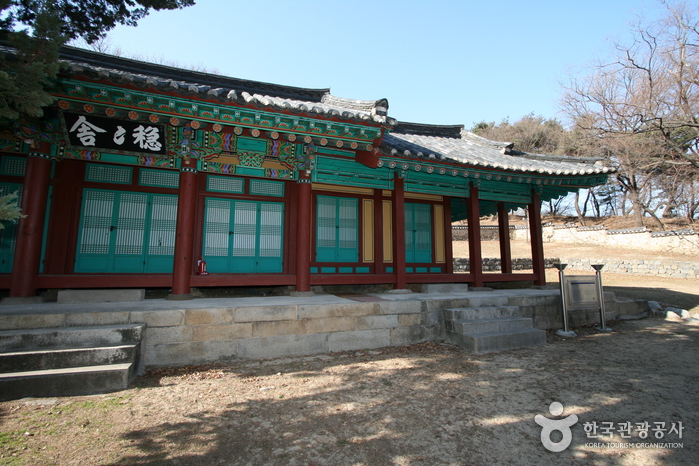
Though Ononsa, which was a guesthouse in Gwacheon, was constructed in the 27th year of King Injo's reign in the Joseon dynasty (1649), the name, "Ononsa," was given to this area during the reign of King Jeongjo. On February 11, 1790 during his royal procession to the tomb of his father, Crown Prince Sado, stayed at an inn in Gwacheon and, as he felt that it "has nice views and provides a comfortable stay," he bestowed upon the place plaques that he wrote himself - "Ononsa" to Seoheon and "Burimheon," which was the old nickname of Gwacheon, to Dongheon. This is how this place began to be called Ononsa.
It was designated as a Tangible Cultural Heritage of Gyeonggi-do on June 2, 1980, and it was restored on December 2, 1986 after being torn down.
 English
 한국어
한국어 日本語
日本語 中文(简体)
 Deutsch
 Français
 Español
 Русский


