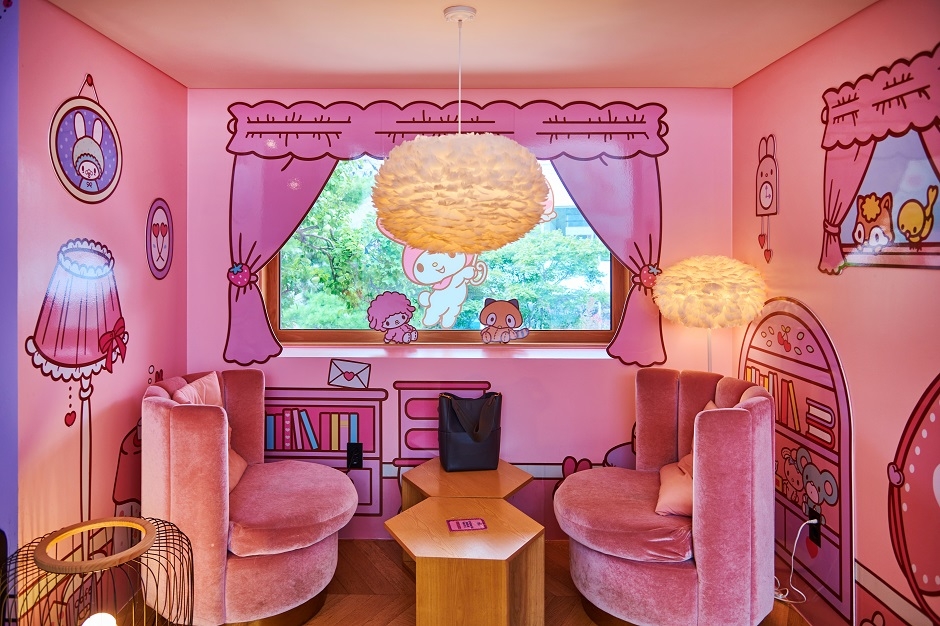
SANRIO LOVERS CLUB(산리오 러버스 클럽)
11.3Km 2025-11-05
18, Wausan-ro 19-gil, Mapo-gu, Seoul
'BLACKPINK HOUSE' filming location
In the past, it was a Hello Kitty cafe, but it was renovated and used as accommodation when BLACKPINK's first reality content, 'BLACKPINK HOUSE' was filmed. Currently, it is operated as an exhibition experience and cafe for Sanrio characters. The inside and outside of the two-story building in pastel colors are full of Sanrio characters. You must make a reservation in advance to enter the cafe on the second floor. You can visit and purchase at the MD Shop on the 1st floor without a separate reservation.
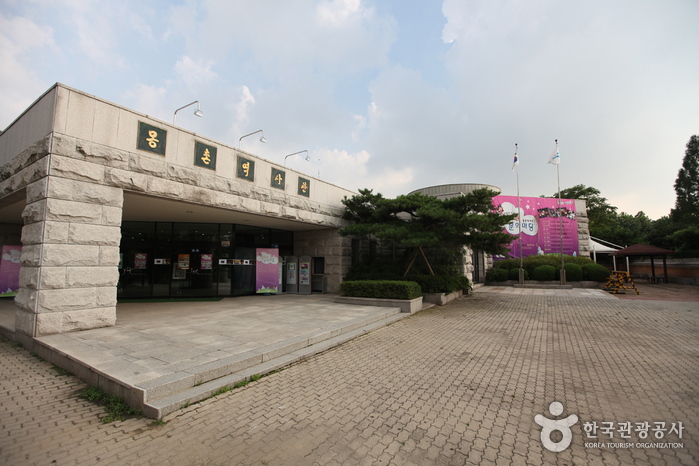
Mongchon Museum of History (몽촌역사관)
11.3Km 2021-08-13
424, Olympic-ro, Songpa-gu, Seoul
+82-2-2152-5900
The Mongchon Museum of History, located within Olympic Park, displays artifacts from the excavations of Mongchontoseong Fortress, such as earthen fortifications as well as other artifacts of the Baekje Kingdom period, offering a glimpse into Baekje culture. A model of a Baekje dugout hut site reveals ancient dwelling patterns. Also, the facility displays a perfectly preserved model of ancient houses and tombs, giving visitors the feel of traveling back to prehistoric ages.

Nemamdaero Hongdae Branch(내맘대로폰케이스 홍대점)
11.3Km 2025-11-05
21 Wausan-ro 19-gil, Mapo-gu, Seoul
JENNIE and JISOO’s phone case
This is where JENNIE and JISOO made mobile phone cases on V LIVE. It has a huge number of parts, and you can choose the color and shape of the bond. The advantage is that you can use all parts as much as you want without restrictions. You can follow JENNIE and JISOO’s design, or you can make your own case. Decorating top loaders for photo cards and making slime are also popular. It is the perfect for travel souvenirs or gifts.
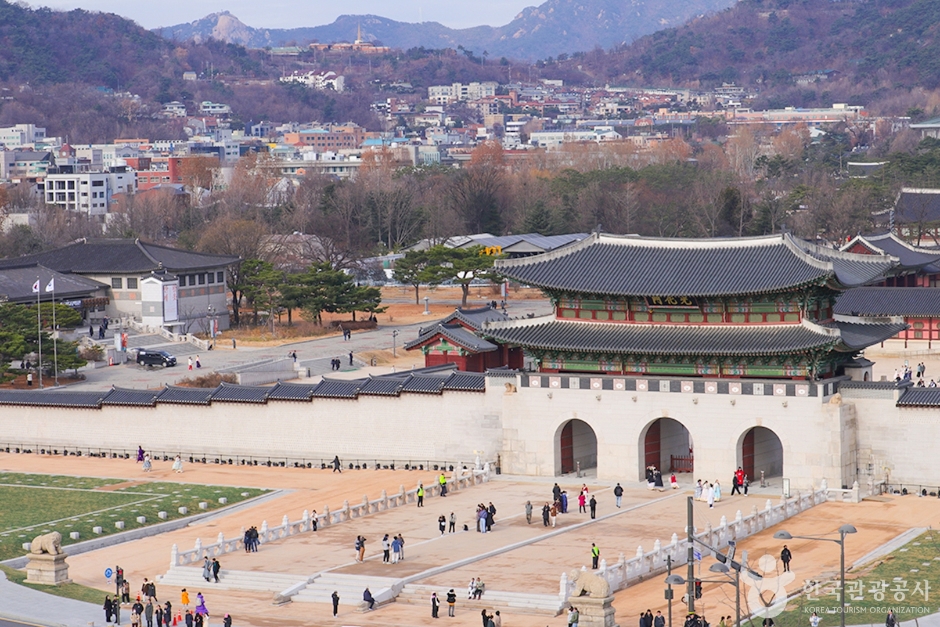
Gwanghwamun Gate (광화문)
11.3Km 2024-12-04
161 Sajik-ro, Jongno-gu, Seoul
+82-2-3700-3900
Built in 1395 under the reign of King Taejo, the first king of the Joseon dynasty, Gwanghwamun Gate is the southern gate of Gyeongbokgung Palace. It is also the main gate of the palace, therefore larger and fancier in comparison to the other gates. Gwanghwamun Gate consists of three arched gates; the center gate was used by the king, while the other two were used by the crown prince and royal officials. The tall granite walls of the gate serve as a platform for the wooden gate tower that watches over the city. The gate has a sign with its name written at the top center of the gate tower.
Gwanghwamun Gate went through several damages and restorations over the course of history. It was first severely damaged during the Imjin War (1592-1598) and was not restored until the reconstruction of Gyeongbokgung Palace in 1864. Under the Japanese administration, the gate was demolished and relocated to the north of the palace's eastern gate, followed by series of damages during the Korean War (1950-1953). In 1968, Gwanghwamun Gate was relocated back to the south of the palace and was rebuilt using concrete; however, the gate’s position was shifted a few meters away from its original location. In 2006, a major reconstruction project took place to restore Gwanghwamun Gate to its original state and location, disassembling the structure completely and replacing concrete with granite and wood. After three years and eight months of construction, Gwanghwamun Gate was fully restored to its original form and was open to the public on August 15, 2010.
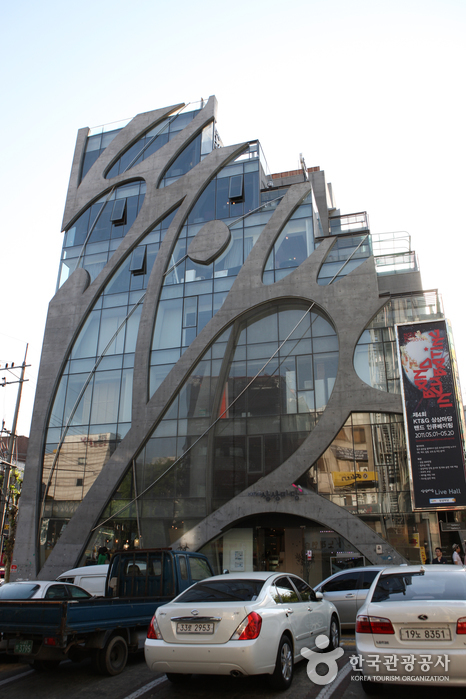
KT&G Sangsangmadang Arts Space (Hongik University) (KT&G 상상마당(홍대))
11.3Km 2024-03-12
65 Eoulmadang-ro, Mapo-gu, Seoul
+82-2-330-6227
KT&G Sangsangmadang Arts Space is a multifaceted cultural space established in 2007. Spanning 660 meters with a total floor area of 3,366 meters, it features facilities such as a theater, a concert hall, a design square, a gallery, and cafés. It offers opportunities for close engagement with culture. Located near Hongik University Station, it boasts excellent accessibility and attracts many visitors due to its diverse attractions.

D-cube Arts Center (디큐브아트센터)
11.3Km 2023-11-15
662 Gyeongin-ro, Guro-gu, Seoul
D-cube Arts Center is a state-of-the-art theater dedicated to musicals in D-cube City in Sindorim built by Daesung Energy. It took eight years to complete the 1,242-seated theater with the cooperation of Korea's best music and construction engineers and expert stage technicians. It is the largest theater in southwestern Seoul and can accommodate all kinds of musical performances. Diverse musicals were held at this center, including Mamma Mia!, Man of La Mancha, Chicago, and Rent. The center also has necessary amenities like a rehearsal room and dressing room. Not only is D-cube Arts Center easy to reach by public transportation, but it is also easy to find thanks to the passageway that connects the center from and to Sindorim Station (Seoul Subway Lines 1 & 2). D-cube Arts Center aims to act as the centerpiece of cultural arts and contribute to artistic interaction in the Sindorim area in Seoul's southwest.
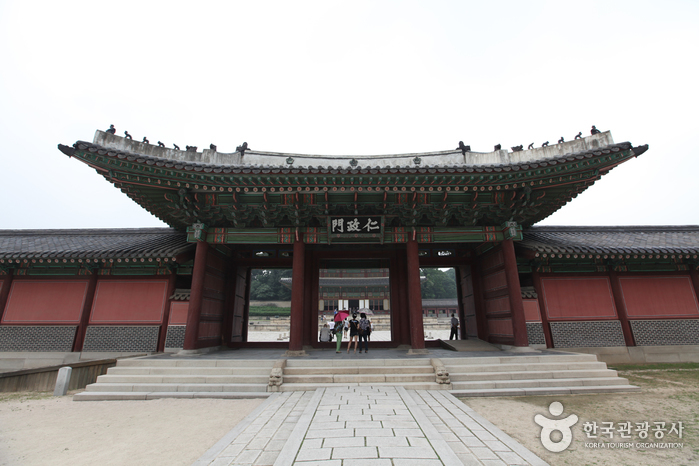
Changdeokgung Injeongmun Gate (창덕궁 인정문)
11.3Km 2025-01-14
99, Yulgok-ro, Jongno-gu, Seoul
+82-2-3668-2300
Serving as the main gate of Injeongjeon Hall, Injeongmun Gate was established in 1405 (5th year of King Taejo’s reign during the Joseon dynasty). Later on, the gate was destroyed by multiple fires during the Imjin War (Japanese invasion of Korea in 1592), therefore current form of the establishment displays designs that are more often seen in the late 19th century's. In addition, a lot
of subsidary marks and buildings are removed from the original places and relocated passing the time, however, still remains to represent prestigious ambience.
Injeongmun Gate served as the place for several coronation ceremonies of kings, prince's succession of throne, and many other national affairs celebrated by the royal members who gathered and aligned around this gate.
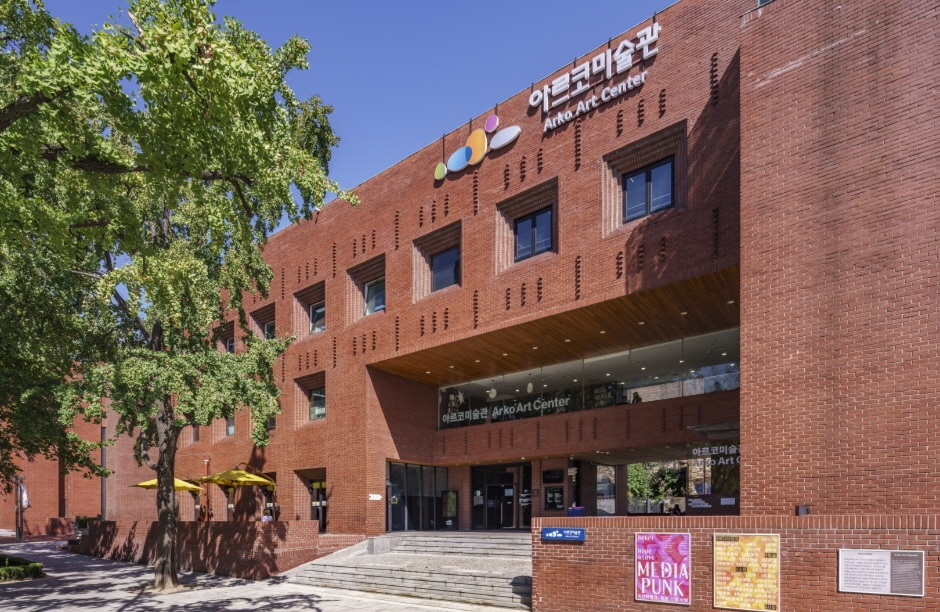
ARKO Art Center (아르코미술관)
11.4Km 2025-06-05
3, Dongsung-gil, Jongno-gu, Seoul
+82-2-760-4850
ARKO Art Center was founded in 1974 as Misulhoegwan in a building of former Deoksu Hospital in Gwanhun-dong, Jongno-gu to offer much-needed exhibition space for artists and arts groups. In 1979, Misulhoegwan moved to its present building, designed by preeminent Korean architect Kim Swoo-geun (1931-1986) and located in Marronnier Park, the former site of Seoul National University. The two neighboring brick buildings accommodating ARKO Art Center and ARKO Arts Theater are the major landmarks of the district of Daehakro.
As more public and private museums and commercial galleries came into the art scene in the 1990s, Misulhoegwan shifted to curating and presenting its own exhibitions. Renamed as Marronnier Art Center in 2002, ARKO Art Center assumed a full-fledged art museum system and played an increasingly prominent role as a public arts organization leading the contemporary art paradigm. When The Korea Culture and Arts Foundation was reborn as Arts Council Korea, Marronnier Art Center became ARKO Art Center named after the abbreviation for Arts Council Korea in 2005.
ARKO Art Center is committed to working as a platform where research, production, exhibitions and the exchange of creative activities grow and develop in connection with one another in addition to having a diversity of programs including thematic exhibitions addressing social agenda and public programs widely promoting various discourses in art.
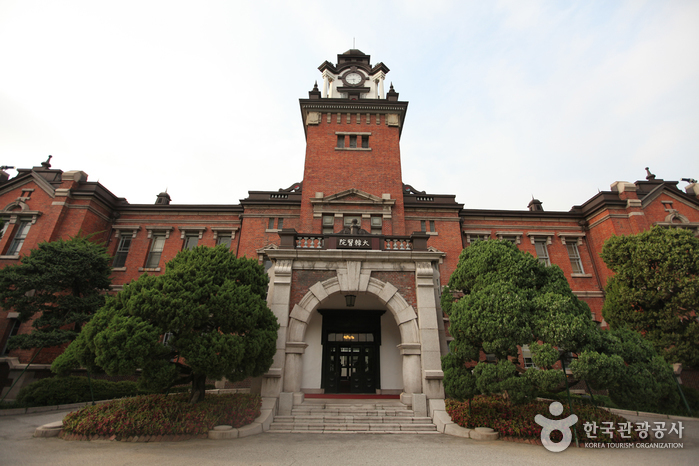
The Museum of Medicine (서울대학교병원의학박물관)
11.4Km 2024-03-18
101 Daehak-ro, Jongno-gu, Seoul
The Museum of Medicine is located in the building of the former Daehan Medical Center, the oldest modern hospital in Korea. It is a medical museum that provides a comprehensive view of the development of modern medicine in Korea, the history of medical devices, and the transformation of Seoul National University Hospital. Through permanent and special exhibitions, the museum showcases medical artifacts and documents related to the history of medicine.
G-line Book Street (경의선책거리)
11.4Km 2024-03-19
35 Wausan-ro 37-gil, Mapo-gu, Seoul
+82-2-3153-8353
G-line Book Street spans approximately 250 meters from Exit 6 of Hongik University Station to Wau Bridge, where the old train tracks remain intact. It serves as a prominent cultural hotspot in Hongik University, housing various bookstores and cultural spaces selling books on diverse topics. Independent bookstores, children's bookstores, specialty bookshops, and art galleries converge in this area, offering a rich tapestry of literary experiences.
 English
 한국어
한국어 日本語
日本語 中文(简体)
 Deutsch
 Français
 Español
 Русский


