
Ewha Welcome Center (이화웰컴센터)
9.5Km 2022-09-13
52, Ewhayeodae-gil, Seodaemun-gu, Seoul
Ewha Welcome Center opened in 2013 as the first promotional center and visitor center of its kind on a university campus in Korea, comprised of an information desk, exhibition lounge, and gift shop. The information desk offers useful information to help visitors get the most out of their Ewha campus experience. The exhibition lounge introduces the history, traditions, and vision of the present-day and future of the university year-round. Visitors can purchase university gear at the gift shop. Furthermore, foreign visitors can take part in a range of campus tour programs in English and Chinese for an enriching experience.
Blue Square (블루스퀘어)
9.5Km 2024-03-05
294, Itaewon-ro, Yongsan-gu, Seoul
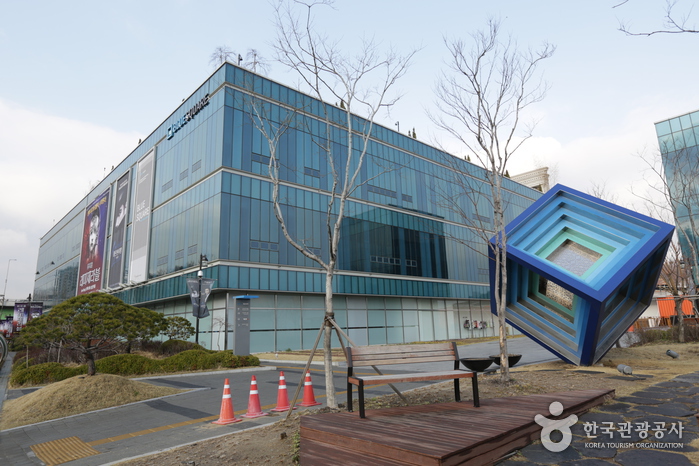
Blue Square is a multipurpose performance venue located in Hannam-dong. It includes Shinhan Card Hall, a performance hall dedicated to musicals with 1,776 seats, and Mastercard Hall, a multipurpose performance hall with 1,400 seats. Blue Square also includes the Book Park, which has a collection of nearly 75,000 books, and a café with a terrace that looks toward the Namsan Mountain. Many visitors come to the Blue Square to see its collection of popular musicals and other performances.
Namsan Outdoor Botanical Garden (남산 야외식물원)
9.5Km 2022-12-16
323, Sowol-ro, Yongsan-gu, Seoul
Namsan Outdoor Botanical Garden opened its doors on February 18, 1997 in Hannam-dong, where the residential complex for foreigners once stood before it was demolished in 1994. Covering an area of around 59 ㎡, it is divided into 13 themed gardens with a total 117,132 plants from 269 species. Among this diversity, 60,912 plants from 129 species are tree types and 56,220 plants from 140 species are grass types.

Seongsu-dong Handmade Shoes Street (성수동 수제화거리)
9.6Km 2025-03-15
15, Yeonmujang 7-gil, Seongdong-gu, Seoul
Handmade shoe manufacturers began to gather in the 1970s to form a street and make history. Today, there are some 350 handmade shoe manufacturers, 100 intermediate processing and raw materials companies, and new cafes with unique vibes opening up one after another. Thanks to its vintage appeal, many people visit on dates and to take cool photos.
Sejong University Museum (세종대학교 박물관)
9.6Km 2022-09-16
209, Neungdong-ro, Gwangjin-gu, Seoul
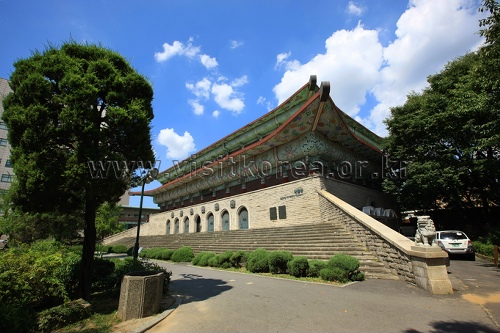
Sejong University Museum exhibits folk art, wooden crafts, clothing, accessories, pottery, paintings and calligraphy collected for over 40 years by the couple who founded the present day Sejong University, Dr. Ju Young-ha and Dr. Choi Ok-ja. This museum has its origins in the Soodo Gallery, which was built in Chungmuro, the campus’ original location, in 1959. Needing more space to house additional artifacts, the museum moved to its current location, which first opened on May 5, 1973 in a four-story concrete building inspired by traditonal tower design from the Baekje era. This building was later expanded on May 20, 1977.
After the university’s name was changed to Sejong University in 1979, the museum was also renamed the Sejong University Museum. The museum showcases unique artifacts to both scholars and students from home and abroad in contribution to the research of Korea’s culture, arts, and archeology.
Seongsunoru (성수노루)
9.7Km 2025-05-07
110 Achasan-ro, Seongdong-gu, Seoul
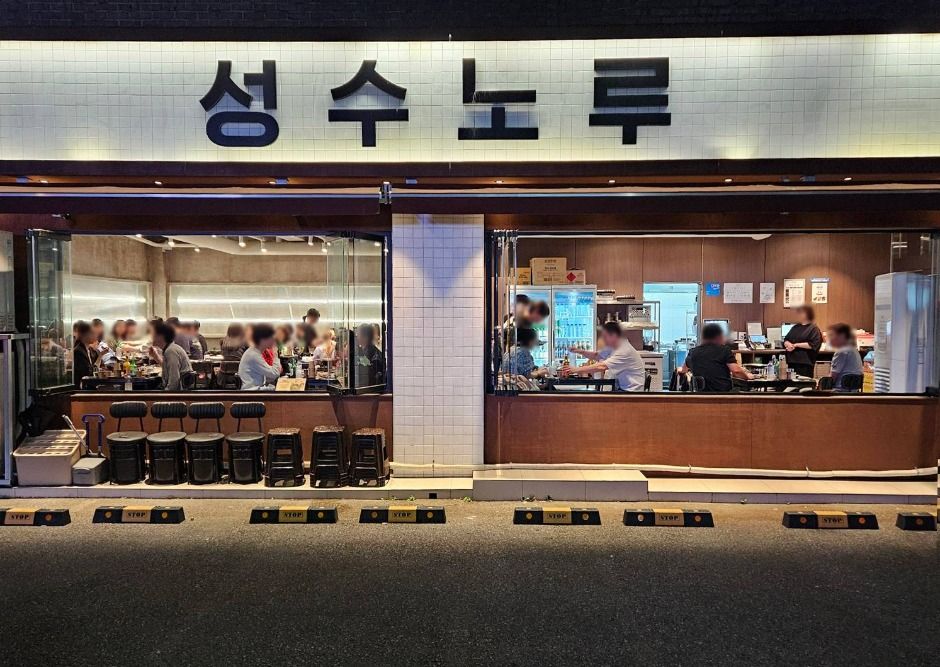
Seongsunoru is a hanu grilled gopchang (Korean beef small intestines) restaurant. The meat is grilled by staff, ensuring crispy on the outside and soft on the inside. Besides grilled gopchang, the restaurant also offers a variety of menu items using Korean beef daechang (large intestines) and makchang (tripe) as the main ingredient. Popular add-ons and side dishes include yukhoe (beef tartare), cheese fried rice, kimchi noodles, and soft bean curd jjigae. The restaurant is equipped with a parking lot and has a corkage fee system.
Seongsu Stage 35 (스테이지35 성수)
9.7Km 2025-07-17
35 Yeonmujang-gil, Seongdong-gu, Seoul
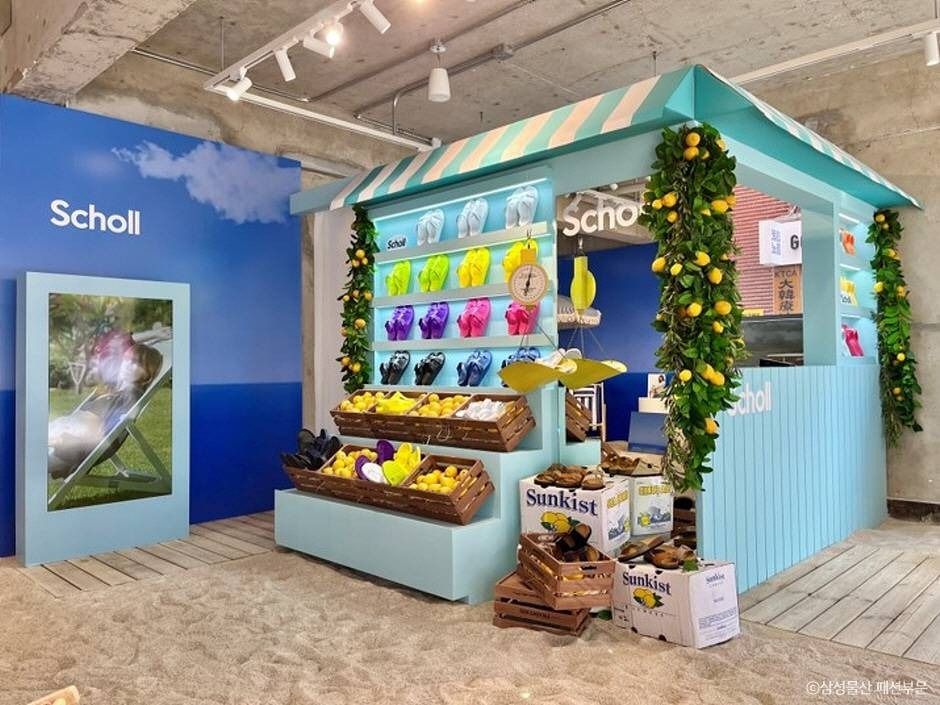
Located in Seongsu-dong, a popular neighborhood in Seoul, Stage 35 is a cultural complex spread across four floors. Capturing the unique vibes of Seongsu-dong and keeping up with trends, Stage 35 hosts pop-up stores, art exhibitions, showcase launches, and offers a space for content filming. It is considered a must-visit place for visitors who want to keep up with trends and experience brands' new season items. It has hosted collaborations with popular brands, including Levi's, Comme des Garçons, Thom Browne, and Bao Bao.
HILLS & EUROPA (힐즈앤유로파)
9.7Km 2025-11-05
35 Sinheung-ro, Yongsan-gu, Seoul
Haebangchon's Hot Place
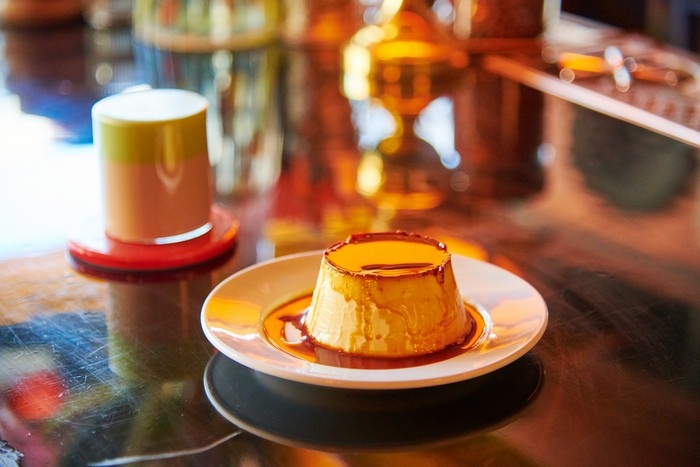
Singer Lee Hyori's OTT entertainment program 'Seoul Check-in' was filmed, and you can enjoy the atmosphere of Haebangchon properly. The low wooden ceiling and walls filled with unique objects and LPs from all over the world create a unique and cozy atmosphere. It is always full of customers as you can enjoy great visual cocktails and delicious dishes against the backdrop of various genres of music. During the day, it is good to enjoy coffee and dessert like a cafe. It is famous for its delicious cream caramel pudding, along with coffee that makes use of the taste of coffee beans from each region of origin. There are also various types of signature cocktails, but we recommend the unique visual 'Cigar in a Glass' that Lee Hyori and Park Narae drank.
Amore Seongsu (아모레 성수)
9.7Km 2024-01-05
7 Achasan-ro 11-gil, Seongdong-gu, Seoul
Amore Seongsu is an experiential store presented by the cosmetics brand Amorepacific Corporation. The building was renovated from an old car repair shop and presents a unique vibe. Visitors can test products on their skin and purchase products from over 30 brands released by Amorepacific Corporation. Recommended items include the Puzzlewood Hand Cream and Vegan Brush, made using a vegan recipe and a certified-vegan. A pop-up store is operated every month in collaboration with brands from various fields worldwide, providing trendy and extraordinary experiences such as exhibitions and product testing.
Ongeundal (옹근달)
9.7Km 2025-10-29
41-1, Seongsui-ro 7-gil, Seongdong-gu, Seoul
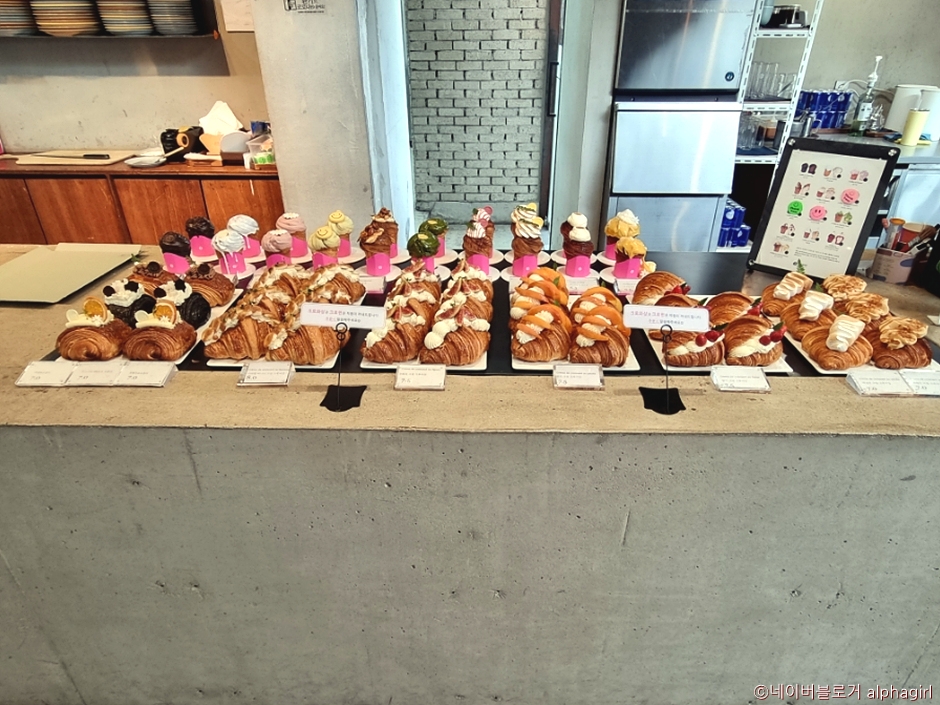
This bakery in Seongsu-dong boasts a colorful and unique visual, and is gaining popularity for its “cruffin,” a hybrid of a croissant and muffin. The menu includes a variety of breads and desserts, such as canelé, pound cake, crumble, and mille-feuille, making it a paradise for bread-lovers. The courtyard of the building, which was remodeled from an old factory, has thick bushes and a small square pond, offering a unique view. The floor-to-ceiling windows in this two-story building create the feeling of a wide, open space, making it full of photo opportunities.
 English
 한국어
한국어 日本語
日本語 中文(简体)
 Deutsch
 Français
 Español
 Русский


