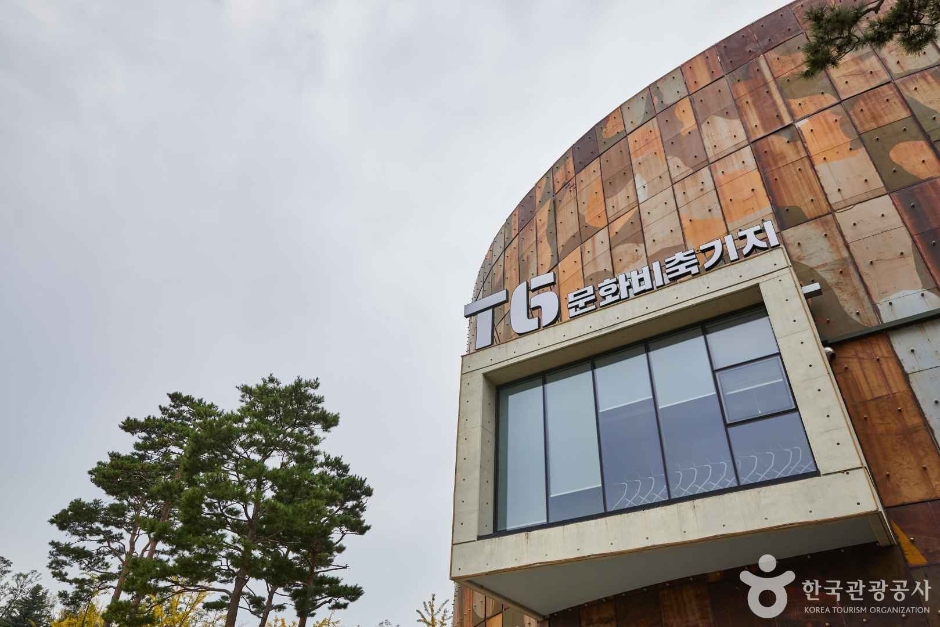
Oil Tank Culture Park (문화비축기지)
12.5Km 2024-11-01
87 Jeungsan-ro, Mapo-gu, Seoul
After being used as an oil tank for 41 years, the tanks were reborn into a culture space. The five tanks were transformed into performance halls, exhibition halls, and a multi-purpose pavilion, while one new tank was built to be used as an information center. In addition, the temporary parking lot turned into a culture yard where visitors can relax as well as enjoy activities or performances.
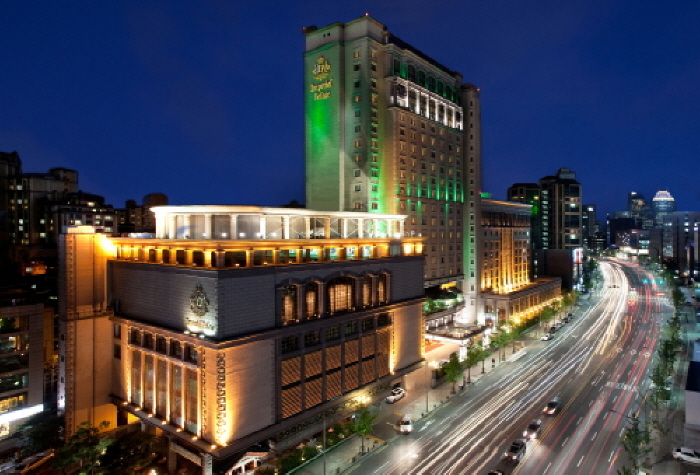
Imperial Palace Hotel (임피리얼 팰리스 호텔)
12.5Km 2025-08-22
640 Eonju-ro, Gangnam-gu, Seoul
Imperial Palace Hotel first opened on September 18, 1989, starting as a deluxe hotel and becoming a superior deluxe hotel after 10 years in June 1999. The hotel has remained the pride of the Korean hotel industry thanks to its effective management and improving domestic capital. In 2005, it carried out a large-scale remodeling project to enlarge its size to resemble luxurious European hotels, including a large-sized lobby, convention center that can accommodate over 1,000 visitors, classical wedding hall, and 405 guestrooms. The hotel is part of a chain, along with Imperial Palace Boutique Hotel in Itaewon and Imperial Palace Hotel – Fukuoka in Japan.

Mangwon Market (망원시장)
12.5Km 2025-07-11
27 Poeun-ro 6-gil, Mapo-gu, Seoul
Mangwon Market is one of the representative traditional markets of Seoul. Its proximity to both Mangnidan Street and Hangang Park makes it a great place to do some shopping in preparation for a riverside picnic. The market isn’t very large, but it is packed with delicious treats. One can find classics like the deep-fried and braised chicken, braised pigs' feet, crispy deep-fried green chili pepper, and other snack fare there, along with stores offering food and lifestyle items for some browsing.
Hanshin Medipia Health Care ((사) 정해복지부설 한신메디피아의원)
12.6Km 2025-10-23
(3rd Floor), 94 Jamwon-ro, Seocho-gu, Seoul
Hanshin Medipia Health Care was established in the 1980s and boasts over 40 years of experience and tradition in health screening. With its extensive experience and expertise, we promise you to become a trusted healthcare partner.
-More specialized and segmented with 3 Zones and 7 Centers.
3 Zones: Premium Zone, Comprehensive Health Checkup Zone, and General Health Checkup Zone, capable of examining approximately 1,000 persons per day.
7 Centers: Ultrasound Center, Radiology Center, Diagnostic Medicine Center, Endoscopy Center, Women's Health Checkup Center, Cancer Diagnostics Imaging Center, and CRM/IT/AI Center
DL Plastic Surgery (디엘성형외과의원)
12.6Km 2025-10-23
(4th Floor, Peyto Plaza), 563 Gangnam-daero, Seocho-gu, Seoul
DL Plastic Surgery is a premier clinic specializing in advanced procedures such as facial contouring and rhinoplasty. Our highly skilled medical team, with over ten years of experience, is dedicated to delivering the results you desire. We carefully plan and customize each surgery, ensuring that the overall harmony and balance of your face are maintained.
Your confidence and satisfaction are our top priorities. To reinforce this, we’ve implemented a surgical liability guarantee system, providing you with added trust and peace of mind regarding your results. We remain at the forefront of innovation through ongoing academic engagement and the latest research.
Note Plastic Surgery (노트성형외과의원)
12.6Km 2025-10-23
(12th-15th Floors, Peyto Plaza Building), 563 Gangnam-daero, Seocho-gu, Seoul
Note Plastic Surgery opened in Nonhyeon Station, between Gangnam Station and Sinsa Station in Seoul, in August 2019, and has just passed 4 years and is now celebrating its 5th year.
In July 2024, the Breast & Body Contouring Center and Facial Contouring Center were expanded and reopened.
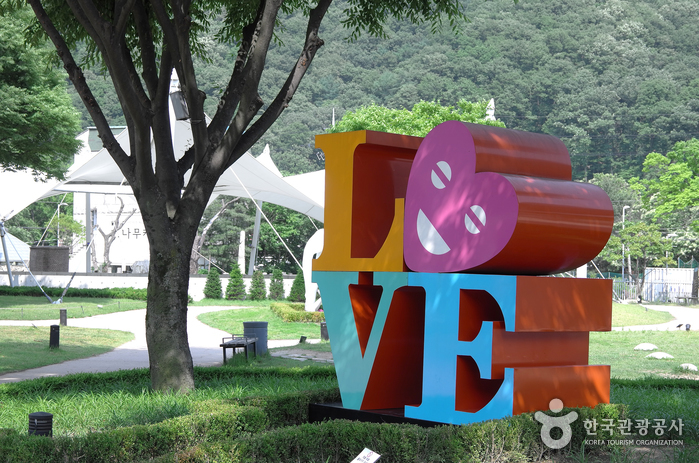
Gana Art Park (가나아트파크)
12.6Km 2024-02-07
117 Gwonyul-ro, Jangheung-myeon, Yangju-si, Gyeonggi-do
Gana Art Park is a park featuring an art museum, playground, performing stage, art shop, restaurant, and more. The park includes the Gana Children’s Art Museum, showcasing artworks by Korean and international contemporary art masters. There is also the Blue Space, where a work of Picasso is displayed, the Red Space dedicated to artworks of contemporary masters, and the Yellow Space, which is a playground equipped with nets
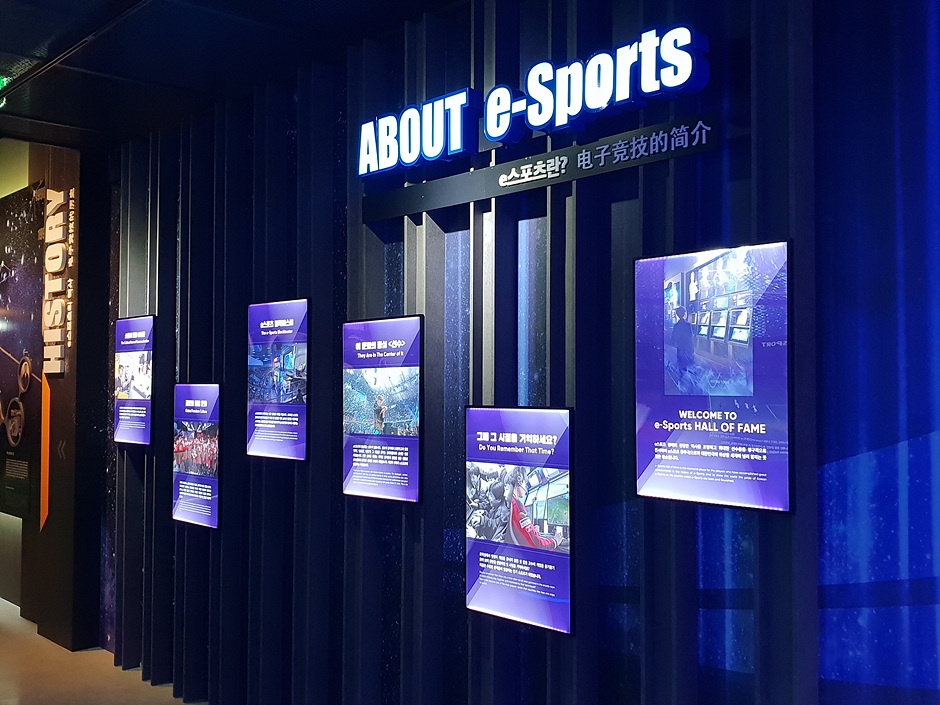
e-Sports Hall of Fame (e스포츠 명예의 전당)
12.6Km 2025-11-17
31 Maebongsan-ro, Mapo-gu, Seoul
The e-Sports Hall of Fame is operated by the Ministry of Culture, Sports and Tourism and the Korea e-Sports Association to exhibit and honor the esports athletes who have made history for their amazing skills, making Korea synonymous with esports. Visitors can see the athletes' uniforms, gaming materials, trophies, and more, as well as try their hand at playing famous esports games firsthand.
World Cup Park (월드컵공원)
12.6Km 2024-10-23
243-60 World Cup-ro, Mapo-gu, Seoul
Opened on May 1st, 2002, the Wolrd Cup Park was once a 15-year-old landfill that held over 92 million tons of garbage. The park is located near Seoul World Cup Stadium, and is made up of five smaller parks - Pyeonghwa (Peace) Park, Haneul (Sky) Park, Noeul (Sunset) Park, Nanjicheon Park, and Nanji Hangang Park.
* Pyeonghwa Park: Closest to Seoul World Cup Stadium, it holds a pond, garden, children’s playground, and forest. As a representative park of World Cup Park, the park was designed in hopes of peace and harmony between mankind and nature. It is often used as a picnic area and place for nature studies.
* Nanji Hangang Park: Nanji Hangang Park was developed on the banks of the Hangang River. In contrast to other Hangang River parks, Nanji Hangang Park is a water-friendly park that has a gradual slope towards the riverbank. The park consists of a camping ground, soccer field, basketball court, grass field, cruise ship port, and an area for nature studies.
* Haneul Park: Haneul Park consists of vast grassland located at the highest elevation of the five parks. The park's pasture is covered with eulalias and wild flowers in their most natural state. In addition, 30,000 butterflies of different species were introduced in 2000 to stabilize the ecosystem. Five wind-powered generators provide power to the park and the park’s maintenance office. Once a mountain of garbage, it is now a green hill with 22 lookout points offering breathtaking views of Seoul, including the N Seoul Tower, Bukhansan Mountain, and Hangang River. Tall trees are line the park to provide shades and serve as resting spots for visitors. As a popular spot to enjoy the sight of eulalias, the park usually remains open until late in the evening during the Eulalia Festival period.
* Noeul Park: In order to prevent the vast area of land of what was once a wasteland from becoming an unnecessary chunk of land, a nine-hole golf course was constructed in what is now known as Noeul Park. The golf course serves as an environment friendly entertainment park to visitors while stabilizing the geographical formation and has an urban park nearby that offers scenic views of the Hangang River and beautiful sunset. Located west of the golf park is Noeul Square, decorated with shrubs and flowers.
* Nanjicheon Park: Nanjicheon Park was developed from the Nanji Stream, which flowed under Haneul Park. It was once overflowing with sewage runoff from a nearby landfill, but it has since been beautifully restored into a park with clear water. The park is built to serve as a recreational spot for those with for youths, elders, and people with disabilities.
Seoul Bongeunsa Temple (봉은사 (서울))
12.7Km 2024-10-24
531 Bongeunsa-ro, Gangnam-gu, Seoul
Once known as Gyeonseongsa Temple, Bongeunsa Temple is located north of COEX, and was constructed in the 10th year of Silla King Weongseong’s reign (794). In 1498, Queen Jeonghyeon refurbished Gyeonseongsa Temple and renamed it Bongeunsa Temple.
Originally located near the Royal Tomb of King Seongjong, the temple was transferred to its current location during Joseon King Myeongjong’s reign. The temple is home to 3,479 Buddhist scriptures of 13 types, including the works of Kim Jeong-hee. The Buddhist ceremony called Jeongdaebulsa is held on the ninth day of the eighth month of the lunar calendar, where monks march carrying the scriptures on their heads and recite the Beopseongge (Buddhist rites).
 English
 한국어
한국어 日本語
日本語 中文(简体)
 Deutsch
 Français
 Español
 Русский


