
Gwacheon Chusa Museum (추사박물관(과천))
18.3Km 2023-07-14
78, Chusa-ro, Gwacheon-si, Gyeonggi-do
+82-2-2150-3650
Gwacheon was where Chusa Gim Jeong-hui immersed himself in studies and arts to ignite his final artistic spirit in the twilight of his life. The city of Gwacheon opened Chusa Museum in order to promulgate the essence of the learning and arts that Chusa flowered. The museum features the life exhibit of Chusa, an art and science exhibit, a planned exhibit hall, an experience room, lounges, a museum shop and an education room for thoroughly researching, exhibiting and experiencing Chusa.

Gojong’s Garden Mulwang Reservoir Main Branch (고종의정원 물왕저수지본점)
18.3Km 2025-12-16
12 Sanhyeonmaeul-gil, Siheung-si, Gyeonggi-do
Located in Gyeonggi-do, Gojong’s Garden is known for its specialty pork cutlet, which is prepared by the owner every day. The signature menu includes a tender hamburger steak and pork cutlet served with sprouts, adding a crunchy texture. In addition, the ricotta cheese salad and cream soup use seasonal vegetables and fruits, especially locally grown lotus roots. The restaurant is located in front of Mulwang Lake, making it perfect for a stroll after lunch.
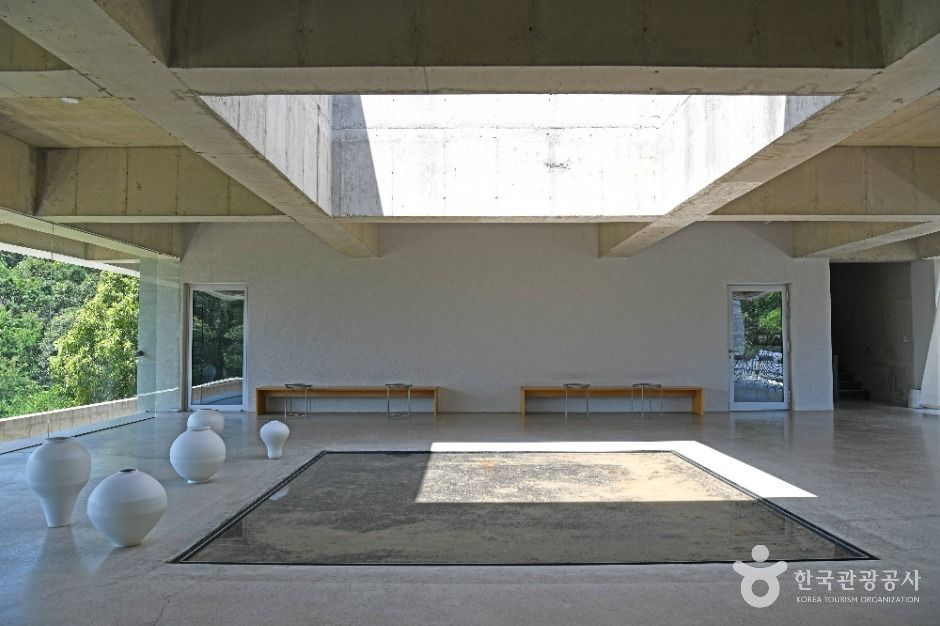
Trivium (트리비움)
18.6Km 2025-09-16
175-4, Dongcheon 2-gil, Jinwi-myeon, Pyeongtaek-si, Gyeonggi-do
Trivium is a special retreat nestled in the quiet village of Dongcheon-ri, Jinwi-myeon, Pyeongtaek-si, Gyeonggi-do. Founded by a landscape architect and his wife, an aromatherapist, Trivium was envisioned as a place where visitors could set aside the weight of daily life and find true rest. The name trivium is a Latin word meaning “the three paths of learning,” symbolizing grammar, logic, and rhetoric, which compose the foundation of classical scholarship. Beyond its beautiful scenery, Trivium aspires to be an academic and philosophical space where everyone can explore the self and find inspiration. As Zhuangzi once said, “People see their reflection not in flowing water, but in still water." In this spirit, Trivium offers a unique experience of encountering oneself and the world in tranquility. More than just a building, it is a harmonious and serene sanctuary and a place of learning where people and nature breathe together.
![LG Best Shop - Moran Station Branch [Tax Refund Shop] (엘지베스트샵 모란역점)](http://tong.visitkorea.or.kr/cms/resource/50/2881650_image2_1.jpg)
LG Best Shop - Moran Station Branch [Tax Refund Shop] (엘지베스트샵 모란역점)
18.6Km 2024-04-19
100, Dunchon-daero, Jungwon-gu, Seongnam-si, Gyeonggi-do
-
Himart - Moran Branch [Tax Refund Shop] (하이마트 모란점)
18.7Km 2024-04-19
99, Dunchon-daero, Jungwon-gu, Seongnam-si, Gyeonggi-do
-
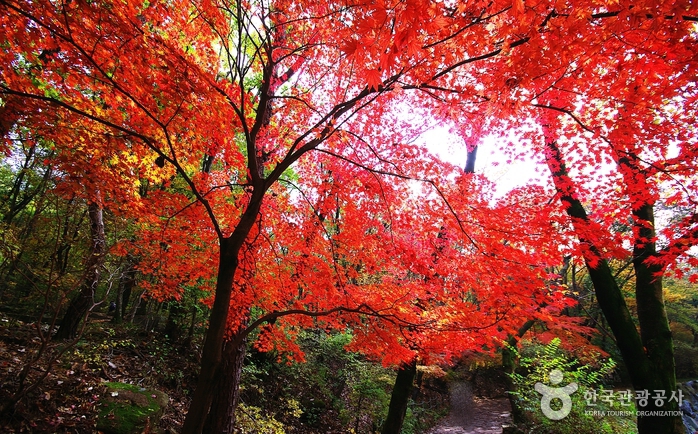
Gwanaksan Mountain (관악산)
18.7Km 2023-01-02
Gwanak-ro, Gwanak-gu, Seoul
+82-2-879-6521
Reaching 632.2 meters in x_height, Gwanaksan Mountain is the symbol and pride of Gwanak-gu district in Seoul. Most of the cultural heritage of the district originates from Gwanaksan Mountain. Since it was designated as a city natural park in 1968, it has continued to serve as a favorite place for relaxation and excursion for Seoul citizens. The various rocky peaks and the deep valleys give the mountain a rugged feel. The mountain's size and close proximity to Seoul make it easy for Seoul residents to make a day trip.
In the spring, cherry blossoms are in full bloom near the entrance to the mountain, and a Rhododendron Festival is held when the rhododendrons are in full bloom. At the mountain's summit are Wongaksa Temple and Yeonjuam Hermitage, which were built by Taejo Yi Seong-gye (the founder of the Joseon dynasty) to ward off misfortune when he decided to move the capital to Seoul. There are also other temples and hermitages, and a ground radar observation post. Yeonjudae Hermitage, located atop a cliff, is where all the hiking trails of Gwanaksan Mountain meet.
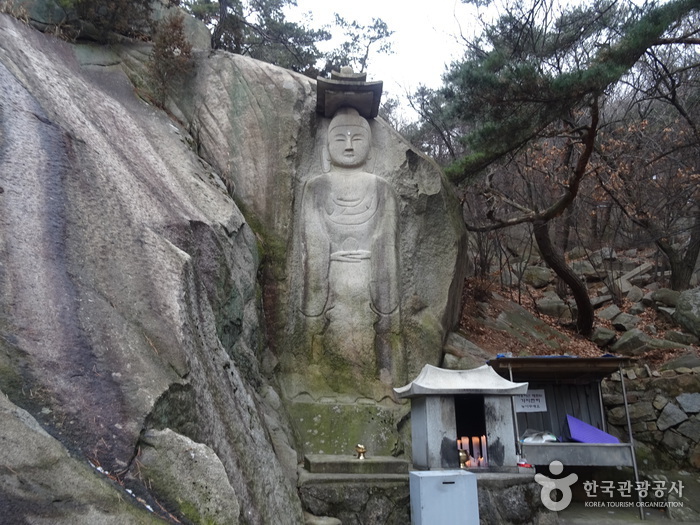
Jaunam Hermitage (자운암)
18.8Km 2023-05-08
Gwanak-ro, Gwanak-gu, Seoul
+82-2-882-3839
Jaunam Hermitage was originally built in 1396 by Great Monk Muhak of Joseon dynasty. It was renovated in 1734, and finally took shape of the hermitage we know today in 1976 when Monk Boryun added Daeungjeon Hall, Chilseonggak Pavilion, and Sansigak Pavilion. It is currently located in the famous Jahadong Valley on the Seoul National University campus.
Olive Young - AVENUE FRANCE Gwangmyeong Branch [Tax Refund Shop] (올리브영 광명아브뉴프랑점)
18.8Km 2024-06-26
B2F, #13, #14, #15, #23, and #24, 16, Yangji-ro, Gwangmyeong-si, Gyeonggi-do
-
![Olive Young - Moran Jungang Branch [Tax Refund Shop] (올리브영 모란중앙)](http://tong.visitkorea.or.kr/cms/resource/47/2881647_image2_1.jpg)
Olive Young - Moran Jungang Branch [Tax Refund Shop] (올리브영 모란중앙)
18.9Km 2024-04-19
1146, Seongnam-daero, Jungwon-gu, Seongnam-si, Gyeonggi-do
-
Olive Young - AK Gwangmyeong Branch [Tax Refund Shop] (올리브영 AK광명점)
18.9Km 2024-06-26
17, Yangji-ro, Gwangmyeong-si, Gyeonggi-do
-
 English
 한국어
한국어 日本語
日本語 中文(简体)
 Deutsch
 Français
 Español
 Русский


