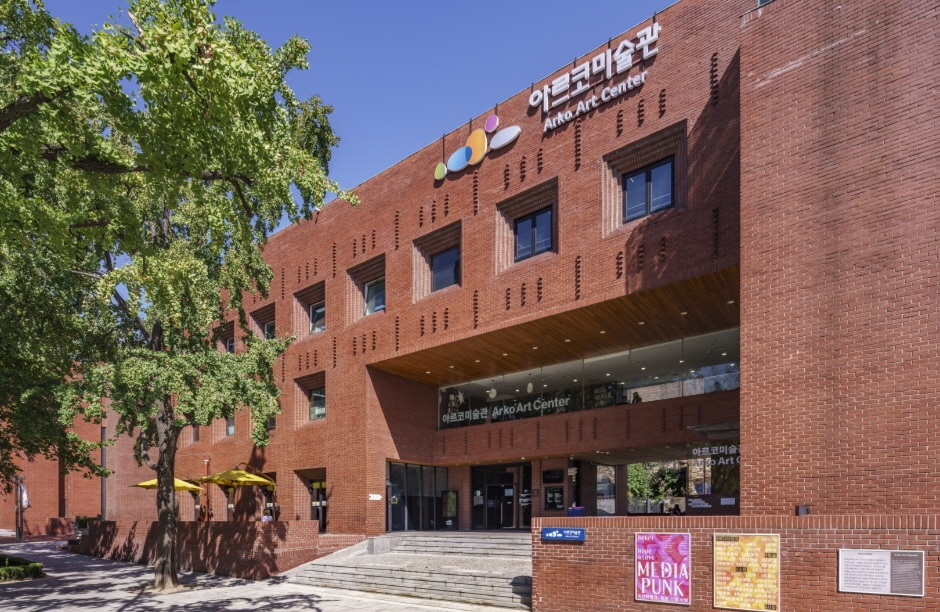
ARKO Art Center (아르코미술관)
6.6Km 2025-06-05
3, Dongsung-gil, Jongno-gu, Seoul
+82-2-760-4850
ARKO Art Center was founded in 1974 as Misulhoegwan in a building of former Deoksu Hospital in Gwanhun-dong, Jongno-gu to offer much-needed exhibition space for artists and arts groups. In 1979, Misulhoegwan moved to its present building, designed by preeminent Korean architect Kim Swoo-geun (1931-1986) and located in Marronnier Park, the former site of Seoul National University. The two neighboring brick buildings accommodating ARKO Art Center and ARKO Arts Theater are the major landmarks of the district of Daehakro.
As more public and private museums and commercial galleries came into the art scene in the 1990s, Misulhoegwan shifted to curating and presenting its own exhibitions. Renamed as Marronnier Art Center in 2002, ARKO Art Center assumed a full-fledged art museum system and played an increasingly prominent role as a public arts organization leading the contemporary art paradigm. When The Korea Culture and Arts Foundation was reborn as Arts Council Korea, Marronnier Art Center became ARKO Art Center named after the abbreviation for Arts Council Korea in 2005.
ARKO Art Center is committed to working as a platform where research, production, exhibitions and the exchange of creative activities grow and develop in connection with one another in addition to having a diversity of programs including thematic exhibitions addressing social agenda and public programs widely promoting various discourses in art.
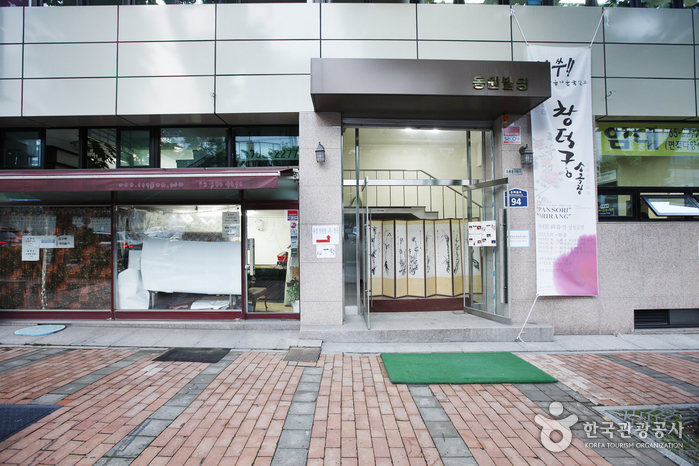
Theatre Changdeokgung (창덕궁 소극장)
6.6Km 2021-12-07
88-1, Donhwamun-ro, Jongno-gu, Seoul
+82-2-742-7278
Theatre Changdeokgung is located across from Changdeokgung Palace in the Gugak-ro Special Cultural Zone of Seoul. To recreate the traditional Korean entertainment setting and offer a better view of the stage, the theater is designed with floor seatings facing a platform stage. The theater offers a wide array of performances including samulnori (traditional Korean percussion quartet), traditional Korean music, and madanggeuk (a play infused with traditional music and performances). First time visitors often find the creative and cozy experience create a lasting memory of Korean culture and arts. Also nearby the theater are a number of tourist attractions including Changdeokgung Palace, Unhyeongung Palace, Jongmyo Shrine, and Insa-dong.
Naksan Park (낙산공원)
6.6Km 2025-12-16
41 Naksan-gil, Jongno-gu, Seoul
+82-2-743-7985
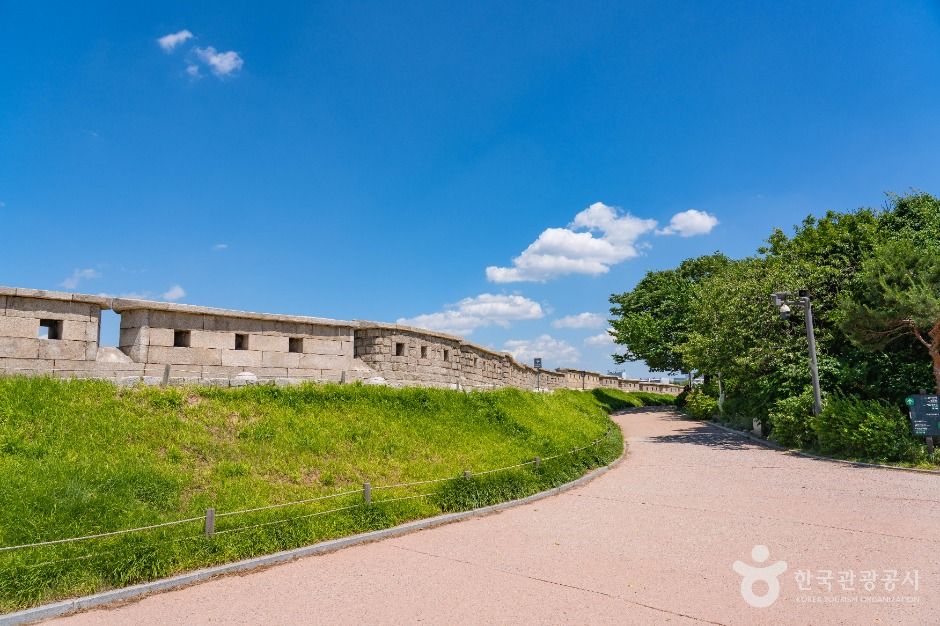
Naksan Mountain (alt. 125 meters) is one of the four inner mountains of Seoul, and can be accessed by following the road leading to the mountain entrance from Daehangno and Dongdaemun. It was also called Naktasan Mountain, which can be translated to Camel Mountain, because the terrain resembled a camel's back. It also had another name, Taraksan Mountain, “tarak” meaning fermented milk, because there was a royal ranch in the area that supplied milk to the palace. After the 1960s, the original appearance of Naksan Mountain disappeared due to apartments and dense housing, and the Seoul Metropolitan Government established a restoration plan. As part of this plan, a park project was carried out, and it opened Naksan Park in July 2002. Currently, Naksan Park has established itself as a resting place for citizens to feel the beautiful atmosphere of Hanyangdoseong, or the Seoul City Wall, and green forests. It has gained much popularity as a place for seeing the most beautiful night view in Seoul.
◎ Travel Information to Discover Hallyu’s Charm - Netflix Series "KPop Demon Hunters (2025)"
The fortress walls at Naksan Park served as the backdrop for Rumi and Jinu’s conversation in the Netflix series "KPop Demon Hunters." The view of the walls and the cityscape beyond adds to the unique atmosphere of the show, and visiting Naksan Park in person offers an expansive and memorable view of Seoul’s city center.
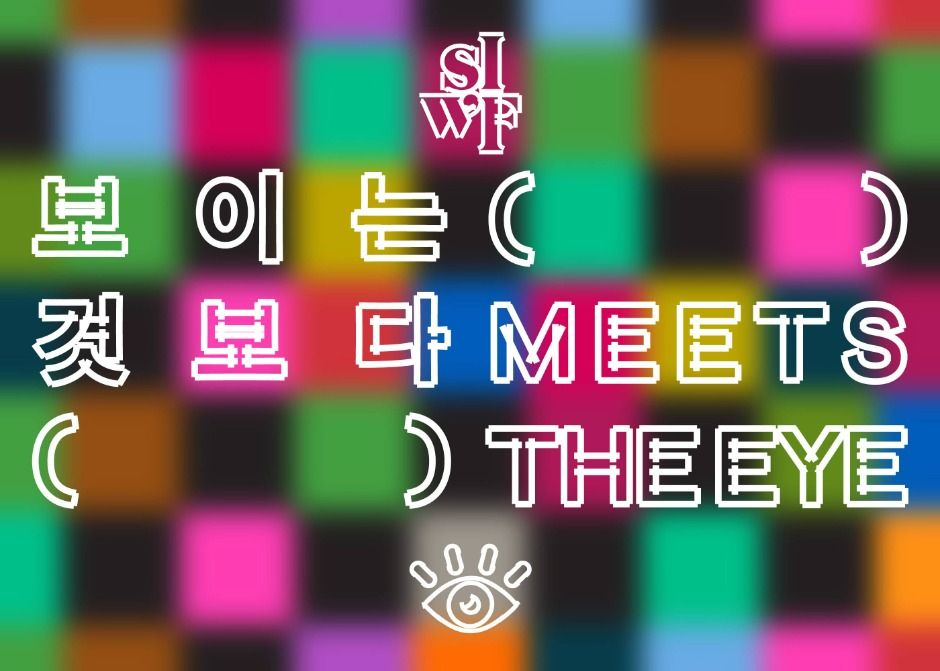
Seoul International Writers' Festival (서울국제작가축제)
6.6Km 2025-07-30
26 Insadong 9-gil, Jongno-gu, Seoul
+82-70-8826-5207
Seoul International Writers' Festival was founded in 2006 with aims to lay a foundation for connecting Korean literature and international literature. This year's theme is "() Meets the Eye," inviting attendees to explore the beauty of literature that is much more than meets the eye.
![Uniqlo - Gwanghwamun D Tower Branch [Tax Refund Shop] (유니클로 광화문D타워)](http://tong.visitkorea.or.kr/cms/resource/15/2878215_image2_1.jpg)
Uniqlo - Gwanghwamun D Tower Branch [Tax Refund Shop] (유니클로 광화문D타워)
6.6Km 2024-04-17
17, Jong-ro 3-gil, Jongno-gu, Seoul
-
Mallijihwa Main Branch (만리지화 본점)
6.6Km 2026-01-02
17 Jong-ro 3-gil, Jongno-gu, Seoul
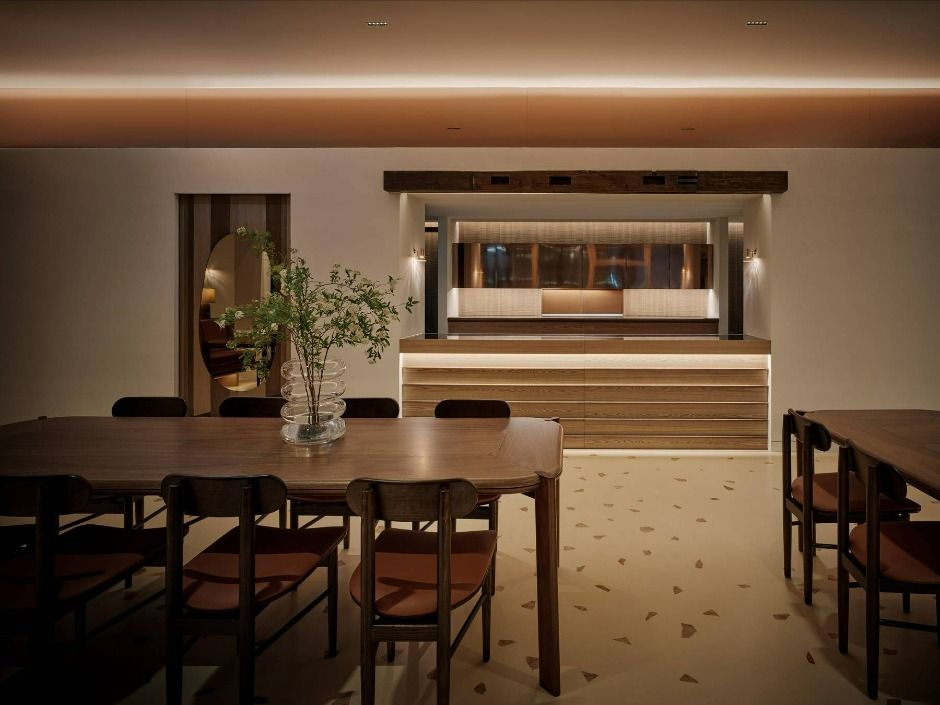
Mallijihwa, which embodies the meaning "eel that travels 10,000 ri and met fire," is an eel dining brand that modernizes the depth of Korean gastronomy. The restaurant's name was inspired by the eel's remarkable strength to swim across vast oceans to its spawning grounds—so significant that it is referred to as "malli fish" in the "Donguibogam" ("A Precious Mirror of Eastern Medicine"). Hence the name, Mallijihwa specializes in serving grilled eel, which is carefully grill with briquettes. The restaurant reinterprets eel with Korean aesthetics, offering a comfortable and elegant dining experience in a space that blends traditional architectural elements with a modern twist. The dishes served here offers an outstanding dining experience where the texture of the eel melts in one's mouth, and its flavor lingers long after. Signature dishes include grilled eel rice bowls, grilled eel, eel gujeolpan (platter of nine delicacies), and eel meal courses. The restaurant also offers seasonal lunch box made with fresh, seasonal ingredients.
Modern Shabu House Gwanghwamun D Tower Branch (모던샤브하우스 광화문D타워점)
6.6Km 2025-12-02
17 Jong-ro 3-gil, Jongno-gu, Seoul
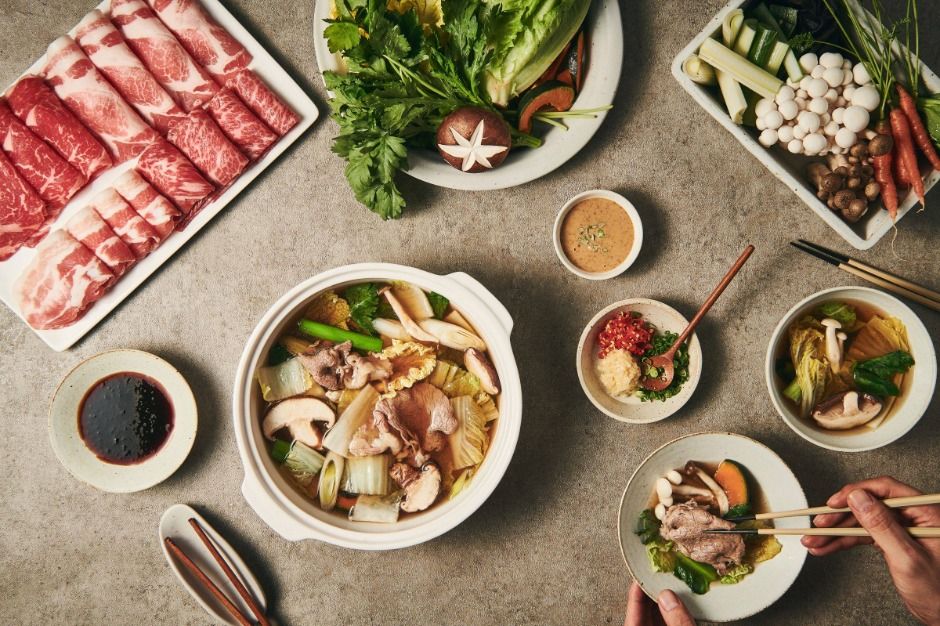
Located in Jongno-gu, Modern Shabu House Gwanghwamun D Tower Branch offers a selection of specialty broths to enjoy unlimited beef, pork, and vegetables. The restaurant serves four cuts of pork and beef in every course. The interior is designed with natural materials like earth, stone, and wood, inspired by the fluid process of cooking ingredients like meat and vegetables in a pot. The design reflects the natural movement and flow of ingredients as they cook together. The restaurant also has a range of private rooms, making it a popular choice for families with children and for gatherings, providing a comfortable dining experience.
Gwanghwamun Gukbap (광화문국밥)
6.6Km 2024-06-19
53 Sejong-daero 21-gil, Jung-gu, Seoul
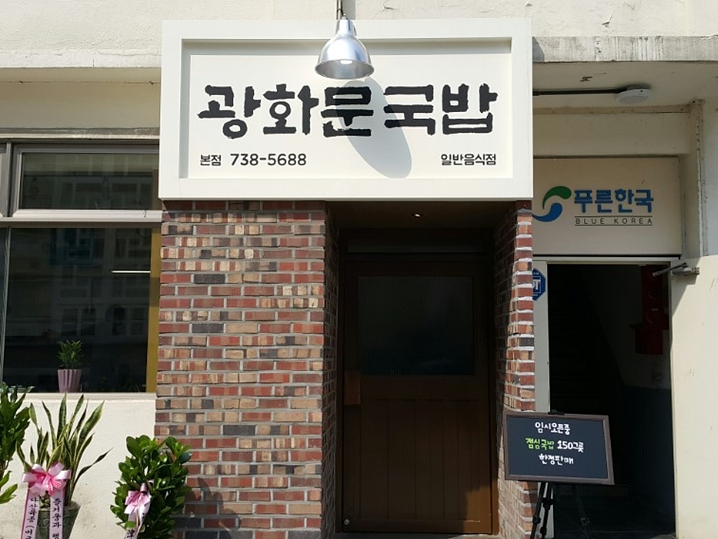
Gwanghwamun Gukbap is a dwaeji gukbap (pork and rice soup) restaurant operated by Chef Park Chanil. Its distinctive feature lies in using only black pork loin and shoulder to enhance the flavor. The signature dish is the dwaeji gukbap, which boasts a mild, clean, and deep flavor. In addition to that, they also offer dwaeji suyuk (boiled pork slices) and pisundae (sundae with pork blood). Known for its authentic taste of rice soup and rich broth, it's a popular destination for many.
Kyung-In Museum of Fine Art (경인미술관)
6.6Km 2024-03-04
11-4, Insadong 10-gil, Jongno-gu, Seoul
+82-2-733-4448
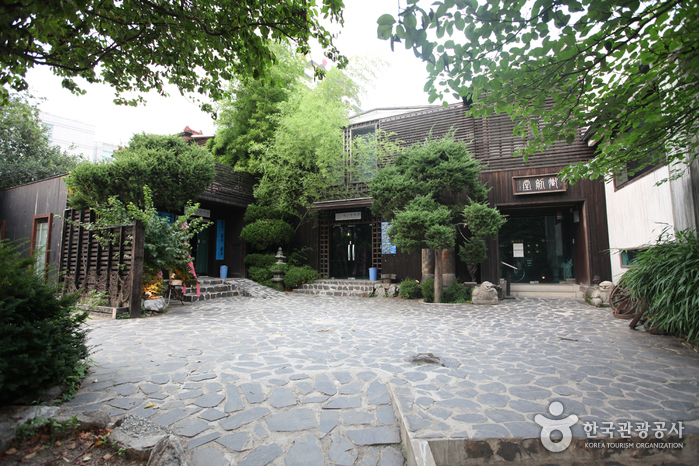
Kyung-In Museum of Fine Art is located in Insa-dong. It has six exhibition rooms, an atelier, an outdoor exhibition area, and a traditional tea house. It hosts outdoor concerts in spring and fall, and Q&A sessions with authors can also be found as well. The traditional tea house offers about 15 types of traditional Korean tea in a space that overlooks the garden.

Jeontong Dawon (전통다원)
6.6Km 2024-03-18
11-4 Insadong 10-gil, Jongno-gu, Seoul
+82-2-730-6305
Jeontong Dawon is a hanok-style tea house located in Insa-dong. It offers seating both inside the hanok and in the outdoor garden, allowing guests to choose their preferred spot. Visitors can enjoy various types of traditional Korean tea along with traditional Korean snacks such as yugwa (fried rice sweet). It is situated within the Kyung-in Museum of Fine Art premises, offering the opportunity to explore the museum as well.
 English
 한국어
한국어 日本語
日本語 中文(简体)
 Deutsch
 Français
 Español
 Русский


