
YallaKOREA (얄라코리아)
6.9Km 2025-10-23
#700, The Salvation Army Building, 69 Saemunan-ro, Jongno-gu, Seoul
YallaKOREA is a medical tourism agency specialized in serving Arab patients, providing medical services since 2016 for those wishing to visit plastic surgery and dermatology clinics in Korea. For patients undergoing surgery, it offers customized services including medical interpretation, private transportation, hotel reservations, airport pick-up and drop-off services, and daily tours. With years of experience and a deep understanding of Arab culture, it ensures safe and convenient medical tourism.
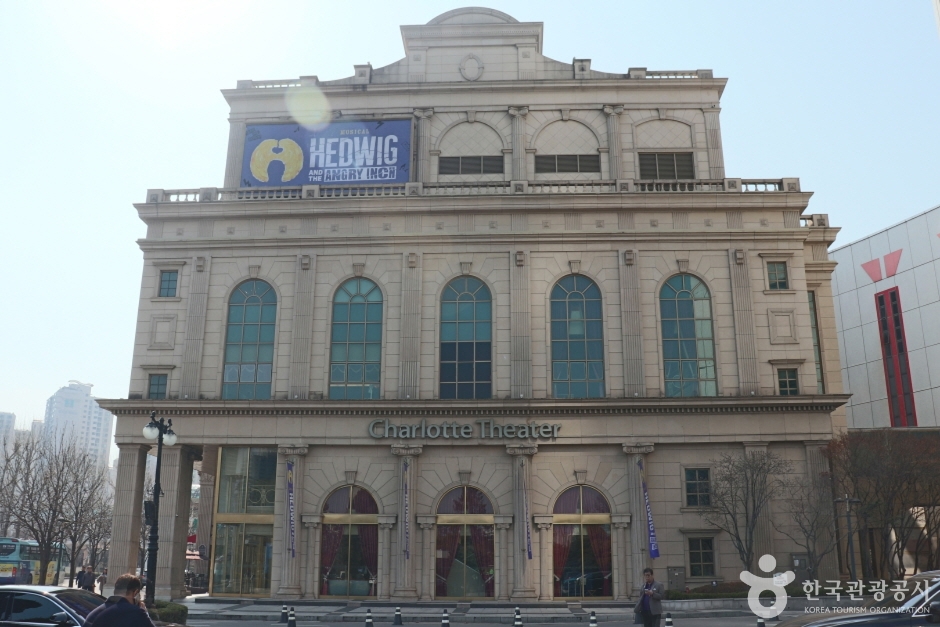
Charlotte Theater (샤롯데씨어터)
6.9Km 2024-03-20
240 Olympic-ro, Songpa-gu, Seoul
The Charlotte Theater, located near Lotte Tower in Jamsil, features an elegant and luxurious interior and exterior reminiscent of medieval Europe, providing a sophisticated setting for musical performances. With a short distance between the stage and the audience, spectators can vividly experience the actors' performances up close. It hosts productions such as The Phantom of the Opera and Jekyll & Hyde.
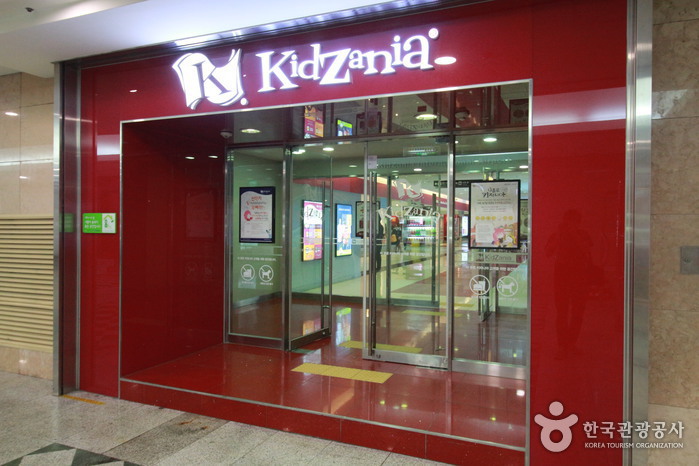
KidZania Seoul (키자니아 서울)
6.9Km 2024-03-13
240, Olympic-ro, Songpa-gu, Seoul
KidZania is a theme park organized around the idea of vocational experience for children. It is home to a variety of facilities where one can experience different career paths, all located on a scale model of a city. Visitors can learn what it is like to work as a firefighter, doctor, cook, member of the police force, reporter, and more.
Kangbuk Samsung Hospital (강북삼성병원)
6.9Km 2025-10-23
29 Saemunan-ro, Jongno-gu, Seoul
Established in 1968, Kangbuk Samsung Hospital has over 50 years of history and is taking a new leap forward with a vision for its centennial year.
Through partnerships with renowned institutions, such as Johns Hopkins Hospital in the United States and the BBDC in Canada, the hospital delivers advanced medical services while leading the public health arena. It is also committed to systematic research and the development of ICT-integrated digital healthcare, which will be the foundation for future medicine. With an excellent infrastructure that includes clinics and specialized centers (e.g., the Diabetes Center, Breast and Thyroid Cancer Center, Digestive Cancer Center, Musculoskeletal Disease Center, and Prostate Center), Kangbuk Samsung Hospital provides top-quality medical services focused on providing patients with satisfactory treatments.
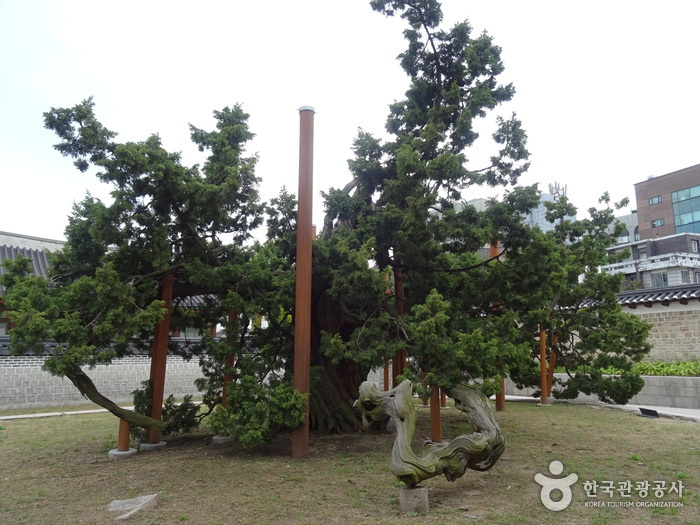
Hyangnamu Tree in Changdeokgung Palace (창덕궁 향나무)
6.9Km 2025-01-13
99, Yulgok-ro, Jongno-gu, Seoul
Hyangnamu or 'Aromatic Tree' in Changdeokgung Palace is estimated to be about 700 years old, meaning it had likely been planted before the palace was built. It stands 12m in x_height, measures 5.9m in girth around the roots, and has branches spreading in all four directions. It is designated and protected as a National Natural Monument.
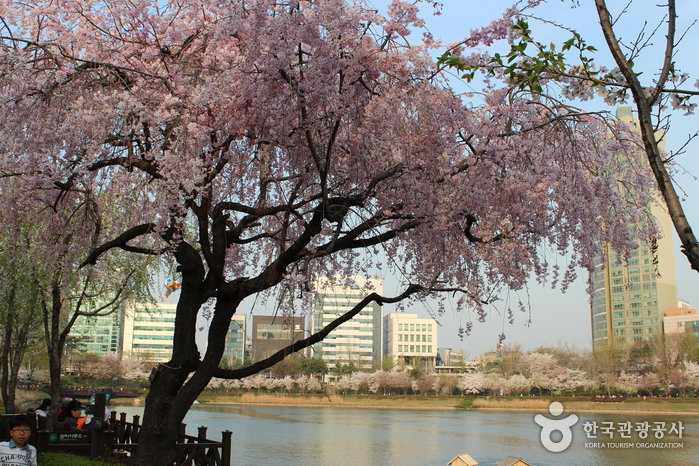
Songpa Naru Park (Seokchonhosu Lake) (송파나루공원 (석촌호수))
6.9Km 2025-10-23
136 Samhaksa-ro, Songpa-gu, Seoul
Songpa Naru Park, also commonly referred to as Seokchonhosu Lake, is a citizen park in Seoul with a jogging course and walking trails. It has two lakes with Songpa-daero Boulevard running in between. Originally, a branch of the Hangang River ran through the site, forming one large lake, but the lake was divided into two with the construction of Songpa-daero Boulevard. The total size of the two lakes is 217,850 ㎡, and they hold about 737 tons of water. The depth of the lakes is 4-5 meters.
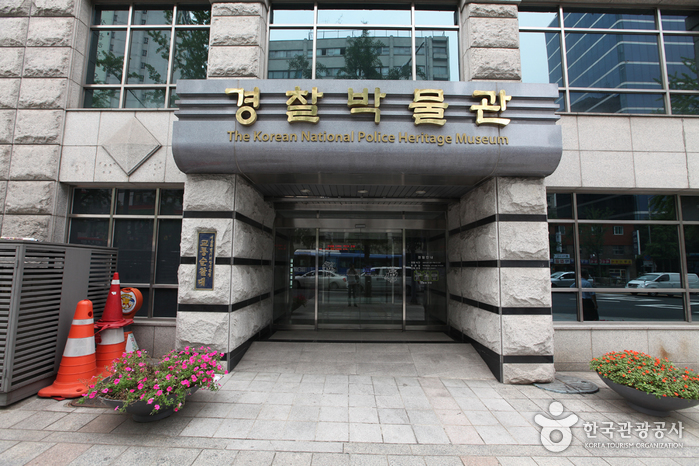
Korean National Police Heritage Museum (경찰박물관)
6.9Km 2021-12-21
41, Saemunan-ro, Jongno-gu, Seoul
The police museum opened on October 14, 2005 to give a better understanding of the job of the police and to offer a formal education to children who wish to become police officers in the future. The history hall of the museum is designed for visitors to learn about the history of Korean police at a glance, exhibiting information on the police force from the Joseon dynasty up until current times.
Visitors to the museum can pretend to be police officers by touching actual equipment and learning about an officer's daily tasks. Visitors can also get in patrol cars, wear a police uniform, experience shooting a gun through a simulation, and learn self-defense martial arts and arrest techniques. Visitors can also go to the museum jail.
Seoul Museum of History (서울역사박물관)
6.9Km 2025-01-17
55 Saemunan-ro, Jongno-gu, Seoul
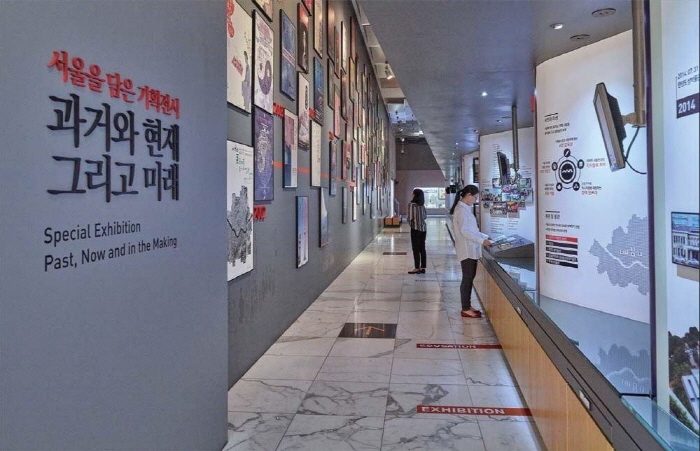
Seoul Museum of History covers everything about Seoul's history and culture from the prehistoric era to modern times, focusing especially on the Joseon era. The museum aims to raise cultural awareness and build a strong bond within the community by collecting, preserving, researching, and displaying artifacts and materials related to Seoul as well as promoting the city's history and culture to an international audience.
 English
 한국어
한국어 日本語
日本語 中文(简体)
 Deutsch
 Français
 Español
 Русский


