
Haha & Kim Jongkook's 401 Restaurant (하하&김종국의 401정육식당)
9.5Km 2025-10-30
23 Jandari-ro, Mapo-gu, Seoul
'Running Man' members Haha & Kim Jongkook
It is a meat restaurant run by Haha and Kim Jongkook, members of the entertainment program 'Running Man'. With the concept of a Grilled Pork Belly restaurant, you can taste Grilled Pork Small Intestines, Grilled Pork Tripe, and Grilled Pork Rinds. It is characterized by the fact that the staff grills the meat for customers, and the combination of well-grilled Pork belly, Salted Anchovy Sauce, Green Onion Salad, and White radish cabbage is popular.

PETERPAN 1978 (피터팬1978)
9.5Km 2025-10-29
10 Jeungga-ro, Seodaemun-gu, Seoul
◎ Travel information to meet Hallyu’s charm - "BLACKPINK's Favorite Spots"
Jennie found it on YouTube during her bread tour in Yeonhui-dong. Since opening in 1978, it has been in the same place for over 40 years. There are many delicious breads such as the signature bread “Baby Buttocks” and “Sweet Red Bean Bread 1978,” which has kept the same flavor since 1978. There are many breads that give off a deep flavor when you take a bite, but the “Potato Bread” recommended by JENNIE is particularly savory for its fluffy texture.
Skylift (스카이리프트)
9.6Km 2025-11-11
102 Daegongwongwangjang-ro, Gwacheon-si, Gyeonggi-do
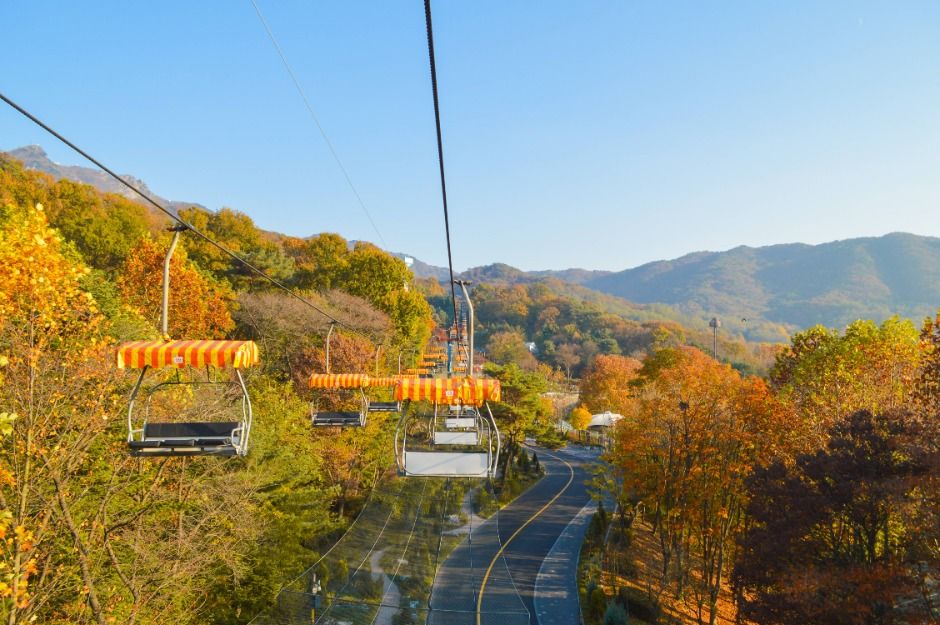
The Seoul Grand Park Skylift is an experiential transportation and tourist facility that operates within Seoul Grand Park. It consists of two lines, Line 1 and Line 2, and operates from the entrance of Seoul Grand Park to the north gate of the zoo, and from the north gate of the zoo to the top of the carnivore animals zone, respectively. It serves to connect major tourist destinations such as the zoo, themed gardens, and children's zoo, allowing visitors to move around efficiently. Visitors can also enjoy the natural scenery of Seoul Grand Park's lakes, forests, and flower paths while traveling on the lift. Available all year round, visitors can enjoy seasonal scenery such as cherry blossoms in spring, greenery in summer, autumn leaves in fall, and snowy landscapes in winter.
ID Clinic Hongdae (홍대 아이디의원)
9.6Km 2025-10-23
10th Floor, H-CUBE, 140 Yanghwa-ro, Mapo-gu, Seoul
Hongdae ID Clinic is a specialized clinic of the ID Group, backed by over 20 years of expertise in facial contouring surgery, skin treatments, and petit procedures. With a deep understanding of facial anatomy, we provide safe and precise treatments, offering a wide range of customized solutions such as lifting, Botox, fillers, and lasers to create natural and harmonious beauty.
Hongdae Nanta Theatre (홍대난타전용관)
9.6Km 2021-08-27
29, Yanghwa-ro 16-gil, Mapo-gu, Seoul
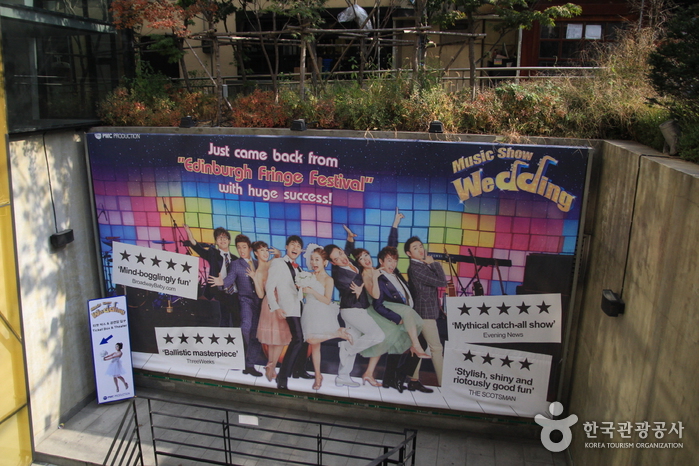
Located in Hongdae, a signature of youth and cultural streets, Hongdae Nanta Theater has 323 seats and offers two performances daily.
Bugak Skyway Palgakjeong Pavilion (북악스카이 팔각정)
9.6Km 2024-12-31
267 Bugaksan-ro, Jongno-gu, Seoul
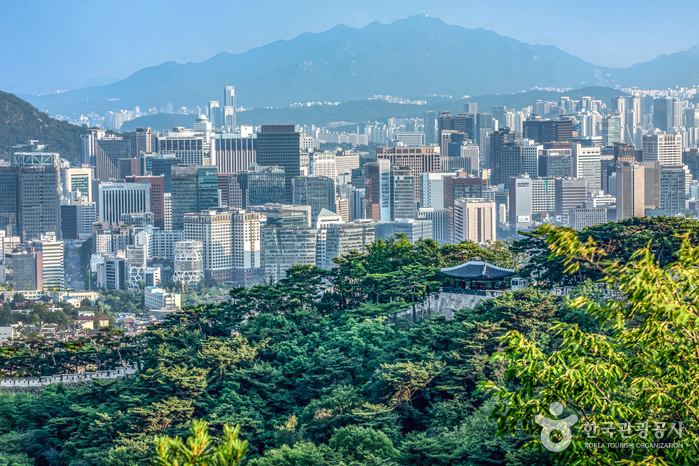
Bugak Skyway Palgakjeong Pavilion exudes a tranquil, serene beauty regardless of the season. The pavilion, which sits on Bugaksan's 1,652,900 square meter summit at an altitude of 345 meters, was built in a traditional Korean-style and became a popular attraction within the city. There are also spaces for visitors to enjoy food and drinks.
![Volvik [Tax Refund Shop] (볼빅)](http://tong.visitkorea.or.kr/cms/resource/57/3314557_image2_1.jpg)
Seodaemun Museum of Natural History (서대문자연사박물관)
9.6Km 2021-07-02
51, Yeonhui-ro 32-gil, Seodaemun-gu, Seoul
Nestled at the foothills of Ansan Mountain, a natural resting area in the city, Seodaemun Museum of Natural History is the first natural history museum in the nation to be established by a government agency. Opened on July 10, 2003, the museum offers various opportunities to experience and learn about the environment. It also provides the chance to interact with animals and plants, teaching the value of life.
The National Assembly Building (국회의사당)
9.6Km 2024-02-29
1, Uisadang-daero, Yeongdeungpo-gu, Seoul
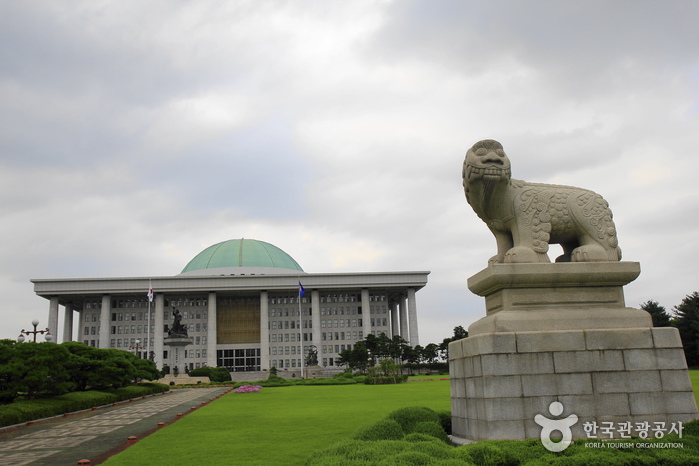
The National Assembly Building stands as the symbol of Korean democracy. It consists of the National Assembly Building, the National Assembly Library, and the Memorial Hall. Visitors can take part in programs such as observing the Plenary Chamber and visiting the Children's Museum. Because it is a great place to learn about Korean history and politics, it is a popular tourist site. Visitors are required to make reservations for their visit, which can be done through the webpage.
Seoul Miz Hospital (서울미즈병원)
9.6Km 2025-10-23
1041 Cheonho-daero, Gangdong-gu, Seoul
Seoul Miz Hospital is a women’s specialized hospital located in Gangdong-gu, Seoul. It provides medical services in obstetrics and gynecology, breast and thyroid surgery, internal medicine, dermatology and plastic surgery, and pediatrics, while also operating a health promotion center. With its newly expanded building, the hospital has established an International Medical Center to support the treatment of foreign patients.
 English
 한국어
한국어 日本語
日本語 中文(简体)
 Deutsch
 Français
 Español
 Русский


