
World Cup Park (월드컵공원)
11.9Km 2024-10-23
243-60 World Cup-ro, Mapo-gu, Seoul
Opened on May 1st, 2002, the Wolrd Cup Park was once a 15-year-old landfill that held over 92 million tons of garbage. The park is located near Seoul World Cup Stadium, and is made up of five smaller parks - Pyeonghwa (Peace) Park, Haneul (Sky) Park, Noeul (Sunset) Park, Nanjicheon Park, and Nanji Hangang Park.
* Pyeonghwa Park: Closest to Seoul World Cup Stadium, it holds a pond, garden, children’s playground, and forest. As a representative park of World Cup Park, the park was designed in hopes of peace and harmony between mankind and nature. It is often used as a picnic area and place for nature studies.
* Nanji Hangang Park: Nanji Hangang Park was developed on the banks of the Hangang River. In contrast to other Hangang River parks, Nanji Hangang Park is a water-friendly park that has a gradual slope towards the riverbank. The park consists of a camping ground, soccer field, basketball court, grass field, cruise ship port, and an area for nature studies.
* Haneul Park: Haneul Park consists of vast grassland located at the highest elevation of the five parks. The park's pasture is covered with eulalias and wild flowers in their most natural state. In addition, 30,000 butterflies of different species were introduced in 2000 to stabilize the ecosystem. Five wind-powered generators provide power to the park and the park’s maintenance office. Once a mountain of garbage, it is now a green hill with 22 lookout points offering breathtaking views of Seoul, including the N Seoul Tower, Bukhansan Mountain, and Hangang River. Tall trees are line the park to provide shades and serve as resting spots for visitors. As a popular spot to enjoy the sight of eulalias, the park usually remains open until late in the evening during the Eulalia Festival period.
* Noeul Park: In order to prevent the vast area of land of what was once a wasteland from becoming an unnecessary chunk of land, a nine-hole golf course was constructed in what is now known as Noeul Park. The golf course serves as an environment friendly entertainment park to visitors while stabilizing the geographical formation and has an urban park nearby that offers scenic views of the Hangang River and beautiful sunset. Located west of the golf park is Noeul Square, decorated with shrubs and flowers.
* Nanjicheon Park: Nanjicheon Park was developed from the Nanji Stream, which flowed under Haneul Park. It was once overflowing with sewage runoff from a nearby landfill, but it has since been beautifully restored into a park with clear water. The park is built to serve as a recreational spot for those with for youths, elders, and people with disabilities.
D-cube Arts Center (디큐브아트센터)
11.9Km 2023-11-15
662 Gyeongin-ro, Guro-gu, Seoul
D-cube Arts Center is a state-of-the-art theater dedicated to musicals in D-cube City in Sindorim built by Daesung Energy. It took eight years to complete the 1,242-seated theater with the cooperation of Korea's best music and construction engineers and expert stage technicians. It is the largest theater in southwestern Seoul and can accommodate all kinds of musical performances. Diverse musicals were held at this center, including Mamma Mia!, Man of La Mancha, Chicago, and Rent. The center also has necessary amenities like a rehearsal room and dressing room. Not only is D-cube Arts Center easy to reach by public transportation, but it is also easy to find thanks to the passageway that connects the center from and to Sindorim Station (Seoul Subway Lines 1 & 2). D-cube Arts Center aims to act as the centerpiece of cultural arts and contribute to artistic interaction in the Sindorim area in Seoul's southwest.
Seoul Battleship Park (서울함공원)
11.9Km 2025-07-14
407 Maponaru-gil, Mapo-gu, Seoul
Seoul Battleship Park is the city's first-ever battleship-themed park established through a sisterhood relationship with the city of Seoul and by using three retired vessels - Seoul-ham, Chamsuri, and a submarine - that had retired after serving the mission of protecting Korea's waters for 30 years. The three vessels whose original appearances have been preserved intact offer unique exhibits and entertainment and aim to present a special experience to citizens who visit Seoul Hangang Park through new and exciting things to see and enjoy.
Hakeem Travel Korea (하킴트래블코리아)
12.0Km 2025-10-23
7th Floor, 10 Seonyu-ro 9-gil, Yeongdeungpo-gu, Seoul
Hakeem Travel Korea, founded in 2016, offers tailored travel solutions for Middle East, India, and Latin America. We provide FIT, groups, students, MICE, and medical & beauty tourism, ensuring customer satisfaction with personalized, seamless experiences.
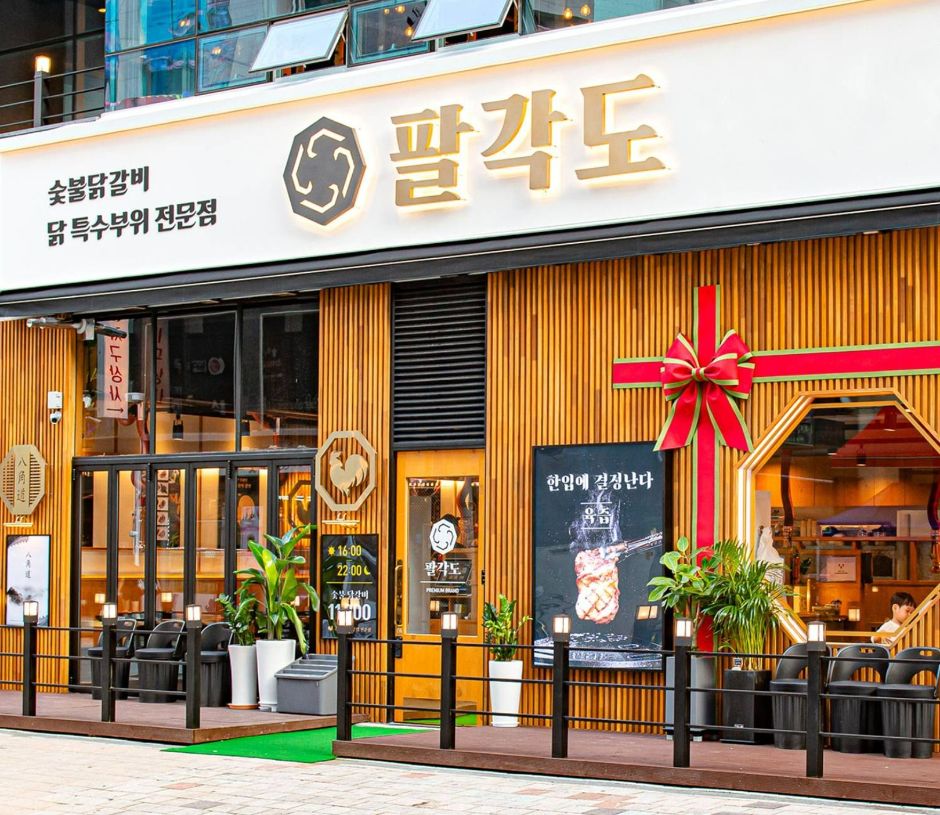
Palgakdo Main Branch (팔각도 본점)
12.1Km 2025-01-23
643 Gyeongin-ro, Guro-gu, Seoul
Palgakdo is a restaurant specializing in charcoal-grilled chicken cuts. The chicken is cooked over charcoal, making it tender and juicy. Visitors can try various chicken parts paired with delicious side dishes and sauces. The store’s unique interior, inspired by a pentagon theme, makes it a great place for dates and group gatherings.
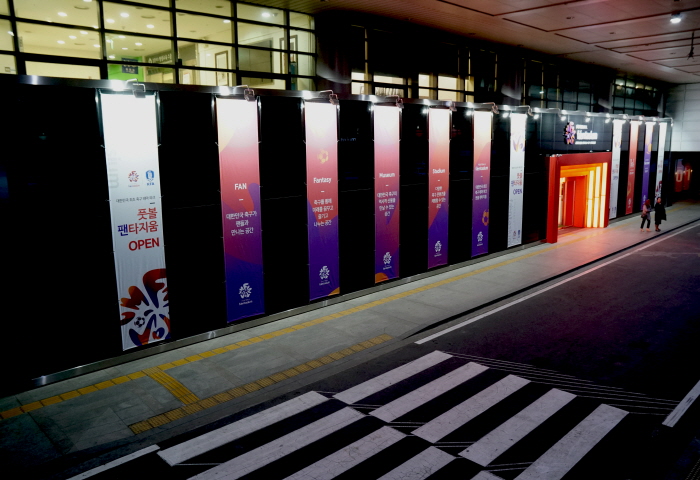
Football Faentasium (풋볼 팬타지움)
12.1Km 2022-09-13
240, World Cup-ro, Mapo-gu, Seoul
Football Faentasium is the first soccer-themed experience museum in Korea, founded by the Korea Football Association. The museum uses the lastest in IT for exciting displays, experiences, educational lessons, and more for a facility more like a theme park than a museum. The name comes from a mix of the words fan, fantasy, museum, and stadium.
Ewha Womans University Mokdong Hospital (이화의대부속목동병원)
12.1Km 2025-10-23
1071 Anyangcheon-ro, Yangcheon-gu, Seoul
Ewha Womans University Mokdong Hospital, established in 1993, continues the legacy of Pogoonyogoan (1887), Korea’s first women’s hospital. As a 5th-stage tertiary hospital, it delivers advanced care through specialized centers, treating high-complexity diseases such as cancer, cardiovascular and cerebrovascular disorders, and organ transplantation, as well as chronic conditions like hypertension, diabetes, and joint diseases. With the opening of Cancer Center for Women (2009), Urology Institute (2022), and Blood Cancer Hospital (2025), the hospital has expanded its expertise and patient-centered environment, providing trusted, high-quality medical services.
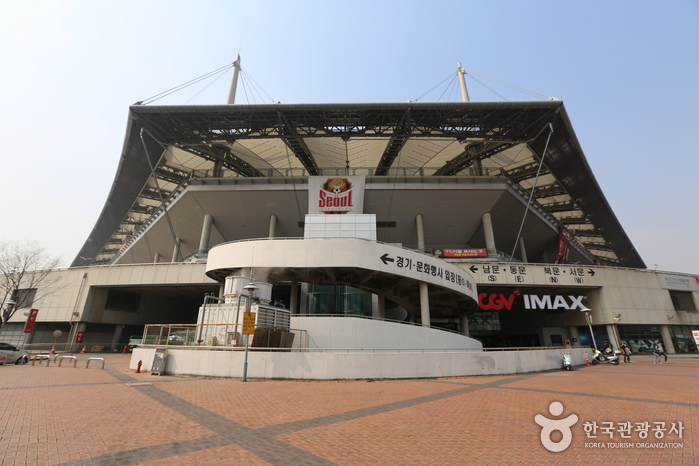
Seoul World Cup Stadium (서울월드컵경기장)
12.2Km 2025-03-15
240 World Cup-ro, Mapo-gu, Seoul
Seoul World Cup Stadium, constructed for the 2002 World Cup co-hosted by South Korea and Japan, stands as the largest soccer-specific stadium in Korea. Currently serving as the home ground for FC Seoul's K-League , it also hosts matches for the South Korean national soccer team. The vicinity boasts large-scale supermarkets, cinemas, sports centers, and saunas. Nearby attractions include Haneul Park and Pyeonghwa Park.
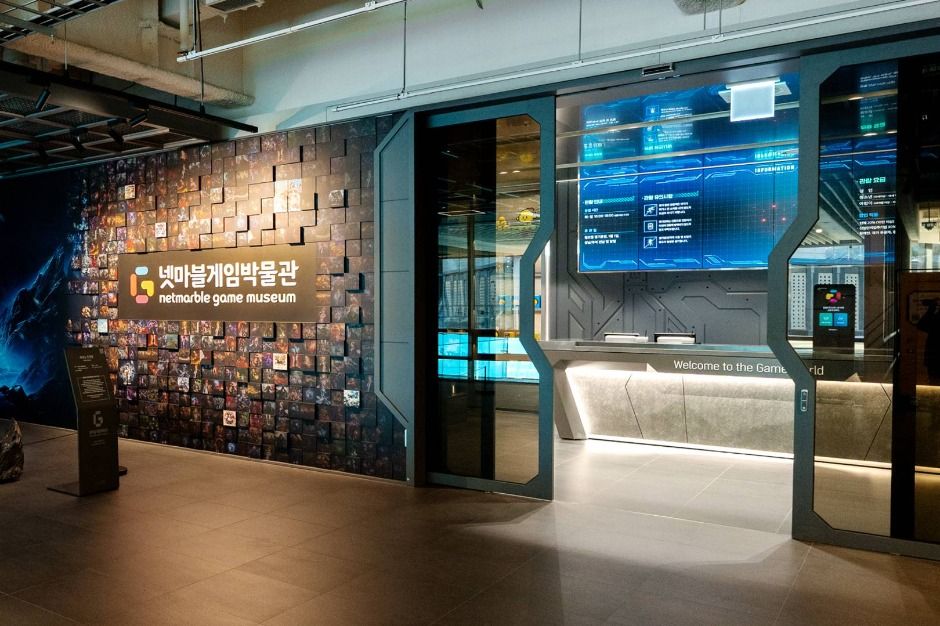
Netmarble Game Museum (넷마블게임박물관)
12.2Km 2025-05-14
38 Digital-ro 26-gil, Guro-gu, Seoul
The Netmarble Game Museum offers visitors an opportunity to explore the history and culture of games and discover their social and cultural values. The museum features an exhibition space showcasing a diverse collection of domestic and international, a learning space with various gaming education materials, and a gaming space where visitors can enjoy playing different types of games. The exhibition space is organized around three main themes: game history, game world, and gaming culture. In particular, the Play Collection zone includes classic arcade games, console games, and PC games, allowing children to have fun and adults to reminisce about their memories.
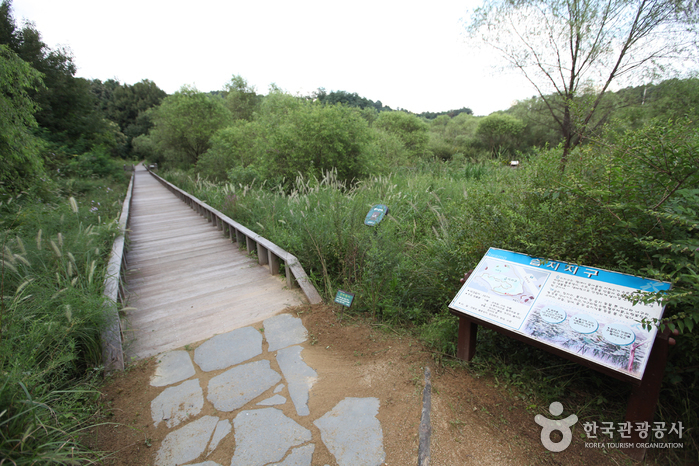
Gildong Ecological Park (길동생태공원)
12.2Km 2021-10-23
1291, Cheonho-daero, Gangdong-gu, Seoul
Gildong Ecological Park was founded by the Seoul government by restoring the wetland on the side of Cheonho-daero. The park maintains and preserves a wide range of flora and fauna in their natural habitats, allowing park visitors to observe plants, animals and insects in a natural ecosystem, and to learn about the importance of nature conservation.
The 80,683 ㎡ park is divided into a wetland zone, forest zone, and grassland zone. Amenities include an outdoor classroom, outdoor exhibition space, observation deck, pergolas, and more. The bird observation platform in particular is a great way to birdwatch in the urban landscape.
 English
 한국어
한국어 日本語
日本語 中文(简体)
 Deutsch
 Français
 Español
 Русский


