
Sangam-dong MBC New Headquarters Media Center (상암동MBC신사옥미디어센터)
13.2Km 2025-11-05
255 Seongam-ro, Mapo-gu, Seoul
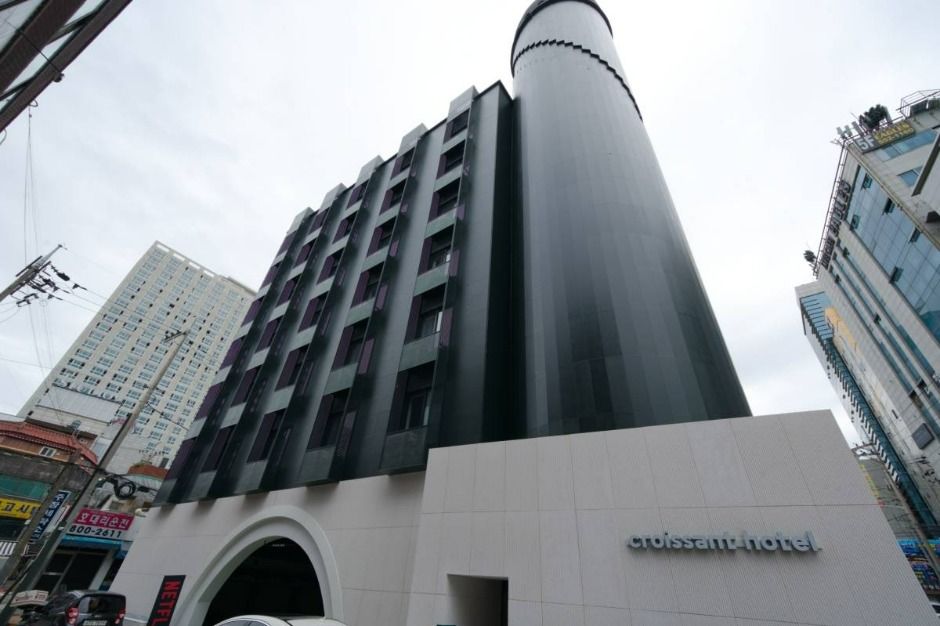
The Hyoosik Croissant Hotel Guri (더휴식 크로와상호텔 구리점)
13.2Km 2025-04-08
148 Cheyukgwan-ro, Guri-si, Gyeonggi-do
The Hyoosik Croissant Hotel Guri offers a variety of theme-based room types for both leisure and relaxation, such as a standard music room with blutooth speakers, a deluxe home-training room with yoga equipment, a deluxe couple room with high-end gaming PC, a deluxe healing room with a lounge chair, a twin bedroom, a game suite room with Playstation 4 Pro, a movie suite room with a beam projector, a sing suite room with noraebang equipment and soundproof walls, and a party suite room with a kitchenette. The hotel also has a parking lot, guest lounge, rooftop area, and coin laundry.
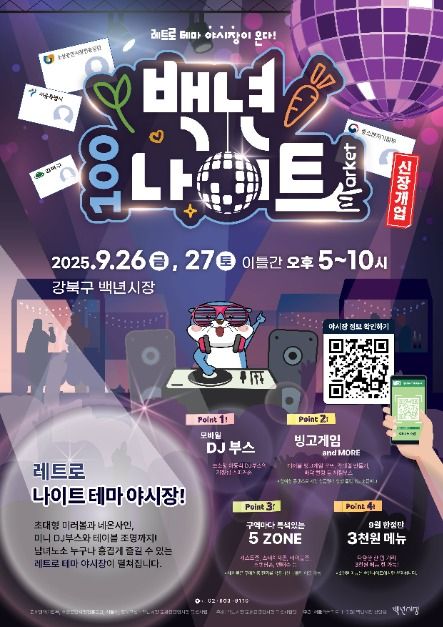
100 Years Market 100 Years Night (백년시장 백년나이트)
13.3Km 2025-10-23
16 Hancheon-ro 144-gil, Gangbuk-gu, Seoul
+82-2-903-9110
100 Year Market, a traditional market with a long history, transforms into a vibrant night market as evening falls. With a mini mirror ball, neon signs, and a mini DJ booth alongside new dining options each month, this retro-themed market is perfect for visitors of all ages.
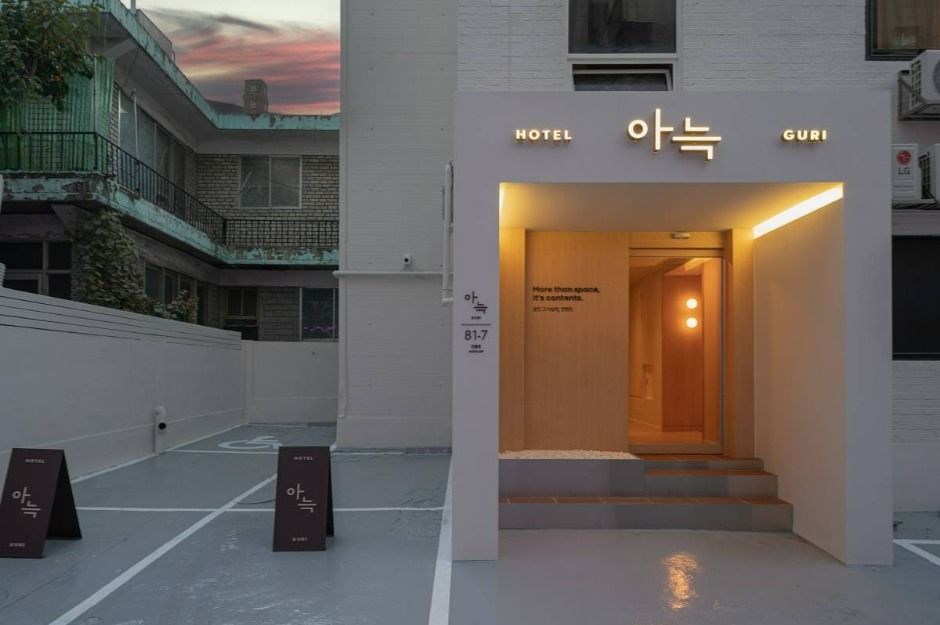
The Hyooshik Aank Hotel Guri (더휴식 아늑호텔 구리점)
13.5Km 2025-04-24
81-7 Angol-ro, Guri-si, Gyeonggi-do
The hotel offers a variety of themed rooms, such as a standard room for a comfortable stay, a cartoon room with comic books, a music room with a Geneva speaker, a wine room with a wine fridge and wine glasses, a 2PC room equipped with gaming computers, a movie beam room with a beam projector, a play room with a PlayStation 4, a golf room with golf equipment, and a deep sleep room with a massage chair. The hotel also offers parking facilities and a guest lounge.

Style82 Co., Ltd. (㈜스타일82)
13.6Km 2025-10-23
#303, Gasan Urban Work I, 135 Gasan digital 2-ro, Geumcheon-gu, Seoul
Style82, Inc., is a healthcare platform operated by "experts" with over 20 years of experience. They market Korean Wave content and domestic products, including medical tourism, commerce, and distribution, through their international network, and expand their specialized medical services into the global market.
In particular, the medical platform "Medi82", which started in the first half of 2025, provides VIP customer service so that overseas customers can receive the best medical services in Korea through partnerships with over 130 hospitals in Korea. Experienced staff members who can interpret foreign languages communicate directly with customers, minimizing medical accidents or inconveniences that may occur during hospital treatment. Additionally, we have branches in Japan and Vietnam, and partners in the United States, Singapore, Indonesia, and Thailand.
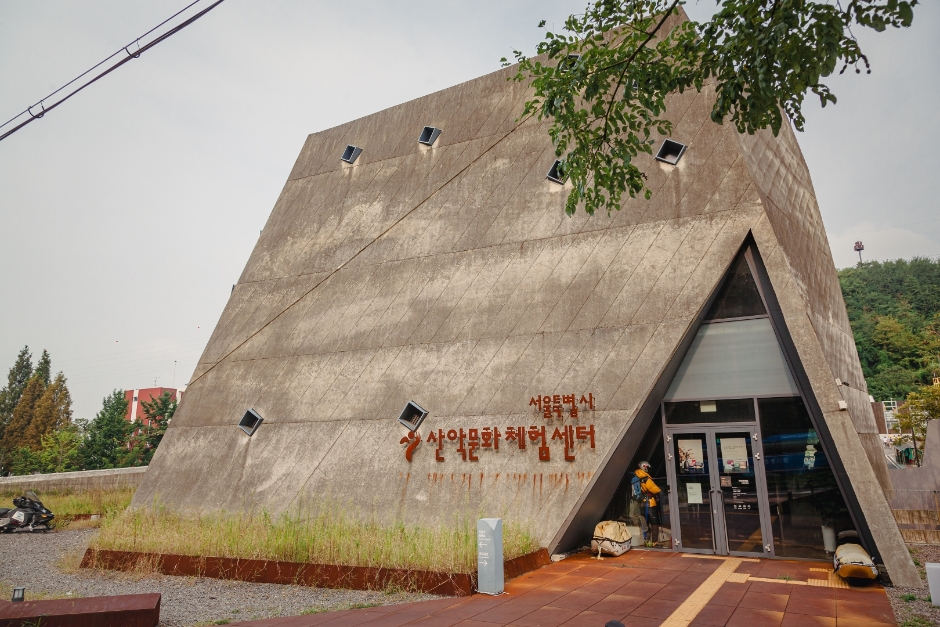
Seoul Mountain Climbing & culture center (산악문화체험센터)
13.6Km 2025-11-06
112 Haneulgongwon-ro, Mapo-gu, Seoul
In episode 4 of the drama "Numbers," the character Shim Hyeong-woo goes climbing at the Seoul Mountain Climbing & Culture Center. This center offers a climbing facility where you can enjoy mountain culture and sports together. It features exhibition facilities for experiencing mountain culture and both indoor and outdoor sports climbing.
Laejoo Travel ((주)내주여행사)
13.7Km 2025-10-23
(#411), 534 Seobusaet-gil, Geumcheon-gu, Seoul
Laejoo Travel is founded in 2002 We primarily serve foreign tourists for luxury cruise group tours, various business visits, conferences, exhibitions, research exchanges, and foreign patient attraction.
Through years of accumulated expertise, we have gained long-term recognition from prominent travel agencies in China and continue to maintain strong collaborative relationships. As the travel industry restarts post-COVID, Laejoo Travelis more passionate and dedicated than ever before.
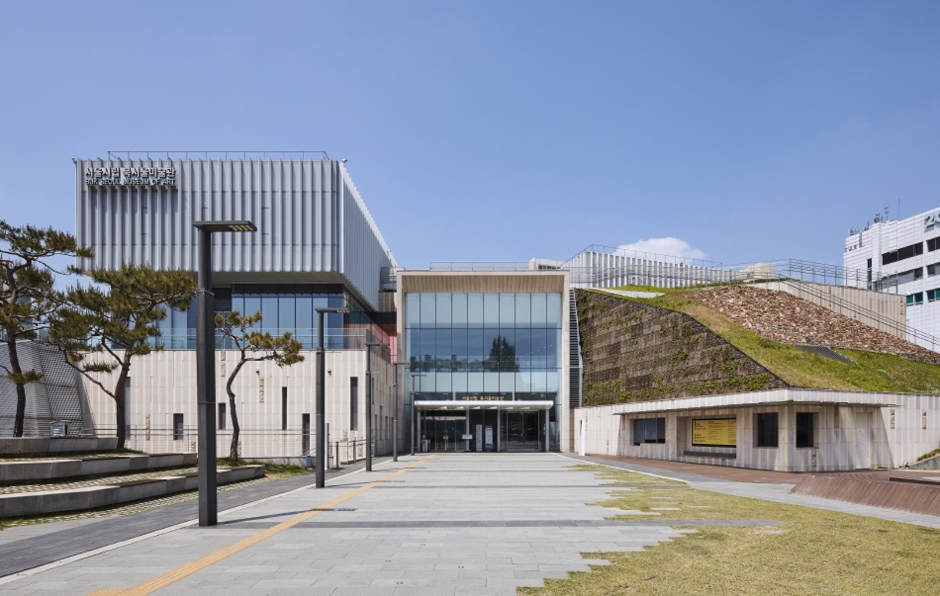
Seoul Museum of Art (SeMA) (서울시립 북서울미술관)
13.7Km 2024-03-18
1238, Dongil-ro, Nowon-gu, Seoul
The Seoul Museum of Art (SeMA) coexists with its local community. Located in Nowon-gu, an area name that is derived from the “Reed Hill” nearby, the museum is an open structure with its entrance connected to a park. In addition to outdoor sculpture exhibitions, it offers maze-like galleries, an art library, a cafe, and a multipurpose hall. These spaces host a variety of programs for families, which make up the majority of visitors to this museum.
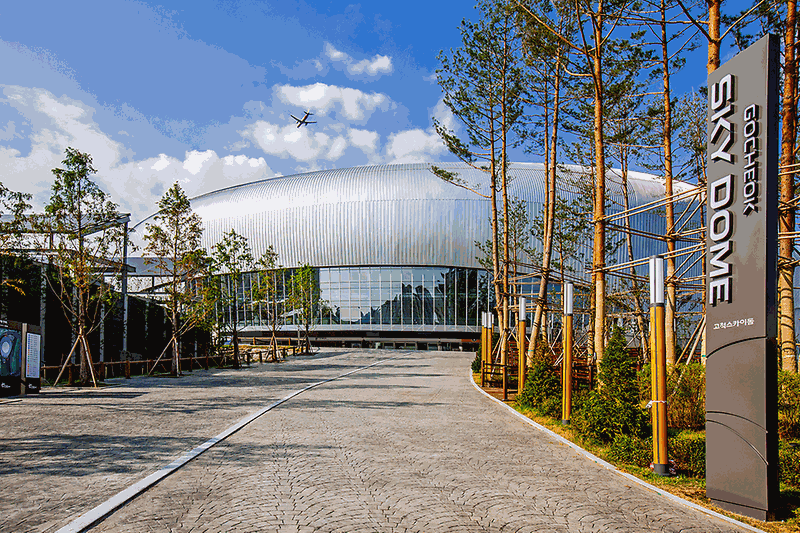
Gocheok Sky Dome (고척 스카이돔)
14.0Km 2023-09-05
430 , Gyeongin-ro, Guro-gu, Seoul
Gocheok Sky Some is the first dome-type baseball stadium to be built in Korea. Since its establishment in 2015, the stadium has been used as a venue for diverse events, including baseball games, athletic sports, performances, concerts, and more. The stadium consists of two basement floors and four above-ground floors with 16,783 seats. Gocheok Sky Dome serves as a cultural facility for the public that can host events regardless of season and weather. A baseball-themed street is connected to the dome for baseball fans. Several other sports-related facilities and retailers are also available.
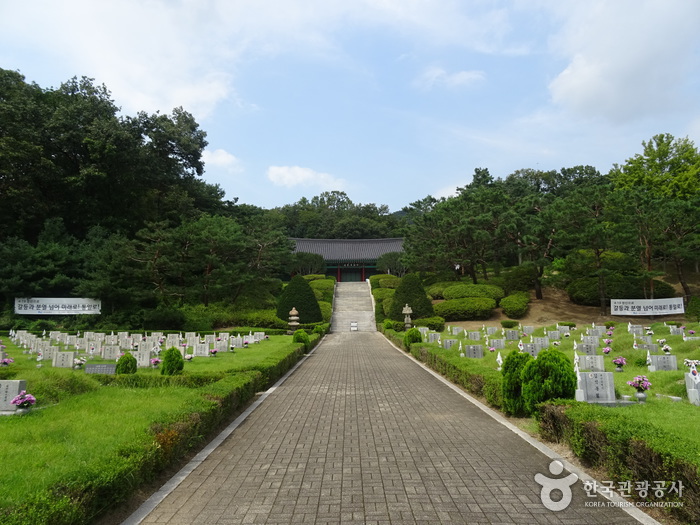
April 19th National Cemetery (국립4.19민주묘지)
14.0Km 2023-01-02
17, 4.19-ro 8-gil, Gangbuk-gu, Seoul
Located at the foot of Bukhansan Mountain, the April 19th National Cemetery was established in memory of the 224 people who lost their lives during the 4.19 Revolution in 1960. The cemetery features a memorial hall and a traditional wooden structure that houses the grave of the historic figure Yu Yeongbong.
At the cemetery is a pond surrounded by sculptures such as "Symbolic Door," "Roots of Democracy," and "Sparks of Justice" and a memorial tower bearing an inscription for the brave patriots who lost their lives during the revolution. Groves of pine, juniper, yew, and maple trees and the well-kept hiking path add a natural charm to the overwhelming ambiance of peace and serenity. Many people visit to see the spring blossoms in May, and throughout the year to take in the glorious scene of the sunset over Bukhansan Mountain.
 English
 한국어
한국어 日本語
日本語 中文(简体)
 Deutsch
 Français
 Español
 Русский


