![SI Gap Kids - Lotte World Mall Branch [Tax Refund Shop] (SI 갭키즈 롯데월드몰)](http://tong.visitkorea.or.kr/cms/resource/53/2878953_image2_1.jpg)
SI Gap Kids - Lotte World Mall Branch [Tax Refund Shop] (SI 갭키즈 롯데월드몰)
7.4Km 2024-04-22
300, Olympic-ro, Songpa-gu, Seoul
-
![ABC-Mart - Lotte World Mall Branch [Tax Refund Shop] (ABC마트 KM롯데월드몰)](http://tong.visitkorea.or.kr/cms/resource/77/2878977_image2_1.jpg)
ABC-Mart - Lotte World Mall Branch [Tax Refund Shop] (ABC마트 KM롯데월드몰)
7.4Km 2024-04-23
4F, 300, Olympic-ro, Songpa-gu, Seoul
-
![Converse - Lotte World Mall Branch [Tax Refund Shop] (컨버스롯데월드몰점)](http://tong.visitkorea.or.kr/cms/resource/67/3314067_image2_1.jpg)
Converse - Lotte World Mall Branch [Tax Refund Shop] (컨버스롯데월드몰점)
7.4Km 2024-06-27
300, Olympic-ro, Songpa-gu, Seoul
-

BGN Eye Clinic (밝은눈안과의원)
7.4Km 2025-10-23
(11th Floor), 300 Olympic-ro, Songpa-gu, Seoul
Since its foundation in 2000, BGN Eye Clinic has been playing a leading role in the field of vision correction. We offer a variety of vision correction surgeries using the latest medical technology and equipment, such as LASIK, LASEK, and intraocular lens implants, with emphasis on personalized care for each patient. We provide world-class healthcare through ceaseless research and investment in healthy vision for our patients. We strive to help our patients feel safe and comfortable with our warm-hearted and friendly services, providing high-quality care in a pleasant environment.
BGN is positioning itself as a trusted healthcare organization with a patient-centered approach.
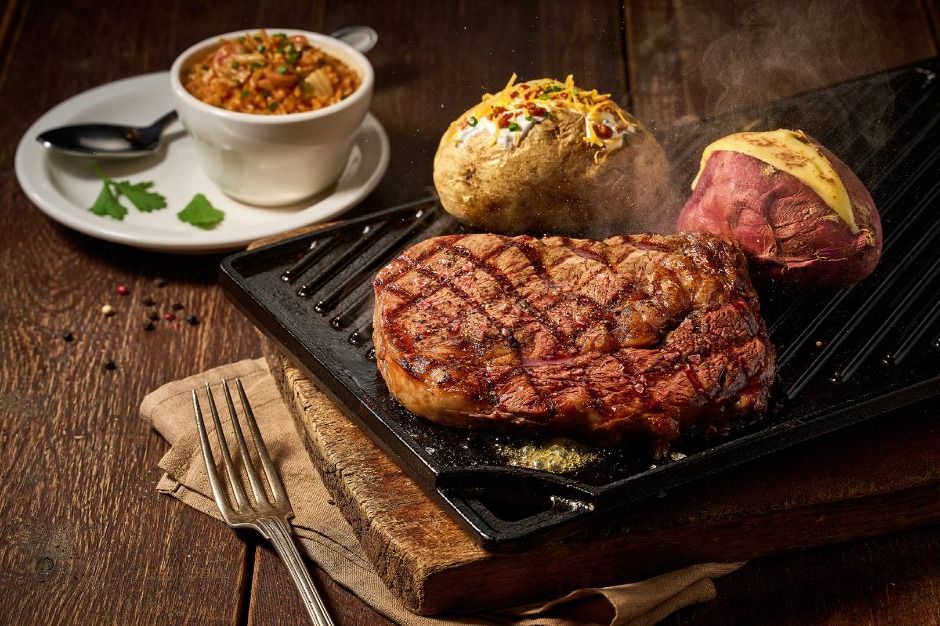
Carols Main Branch (캐롤스 본점)
7.4Km 2025-12-02
서울특별시 송파구 올림픽로 300 (신천동)
Located in Songpa-gu, Carols is a family restaurant that recreates traditional American meals, complete with a cozy, family-friendly atmosphere. For the older generation, it offers authentic American flavors and the comfort of a family restaurant that they remember visiting with their parents as children. For the younger generation, it offers a retro family restaurant experience that they have never felt before. The menu is full of family favorites like baby back ribs, Monte Cristo, spaghetti, burgers, steaks, and sweet parfaits for dessert, as well as a kids' meal for the little ones, so there's something for everyone.
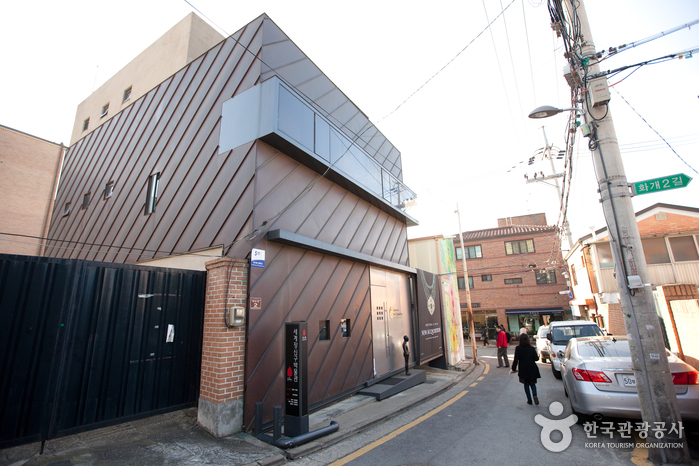
World Jewellery Museum (세계장신구박물관)
7.4Km 2023-09-21
2, Bukchon-ro 5na-gil, Jongno-gu, Seoul
+82-2-730-1610
Situated in the gallery district in the back alley of Samcheong-dong (east of Gyeongbokgung Palace), the World Jewellery Museum houses 3,000 jewelry pieces from 60 countries, which have been collected over 30 years. Of which, 1,000 have been selected for display. The first floor contains an Amber Wall that goes back as far as 50 million years, the Golden Hall (El Dorado), the Necklace Hall, and the solemn Alter of the Cross. The second floor holds a mask wall, rings, beads and ivory as well as modern jewelry.
![Yeonwoohouse [Korea Quality] / 연우하우스 [한국관광 품질인증]](http://tong.visitkorea.or.kr/cms/resource/52/3009452_image2_1.jpg)
Yeonwoohouse [Korea Quality] / 연우하우스 [한국관광 품질인증]
7.4Km 2023-09-12
5-13 , Bukchon-ro 12-gil, Jongno-gu, Seoul
+82-2-742-1115
Yeonoo House is a quiet and cozy traditional hanok in Bukchon Hanok Village, Jongno, Seoul. There are two small rooms, each with its own bathroom. Residents can access a superb panoramic view of Bukchon Hanok Village by mounting a ladder up to the roof. As Yeonoo is an old building, careful attention is paid to hygiene management. Gyeongbokgung Palace, Cheonggyeonggung Palace, and Changdeokgung Palace are all nearby.
Beodeul Maru - Korea Cultural Heritage Foundation Branch [Tax Refund Shop] (한국문화재재단 버들마루)
7.4Km 2024-10-15
37, Samcheong-ro, Jongno-gu, Seoul
-
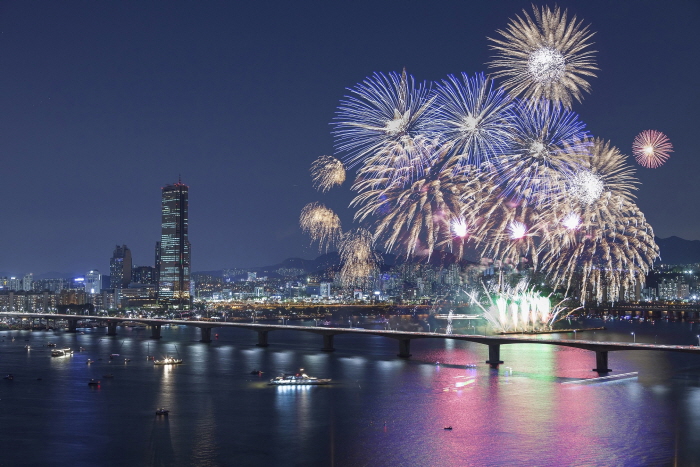
E-Land Cruise (Hangang River Ferry Cruise) (이랜드크루즈 (한강유람선))
7.4Km 2024-10-31
(Nodeulnaru Park), 290, Yeouidong-ro, Yeongdeungpo-gu, Seoul
+82-2-6291-6900
The E-Land Cruise cuts across the Hangang River along the east-west axis. It connects two terminals, one in Yeouido and the other in Jamsil. The company offers a number of different programs, such as the Han River Tour Cruise, a daytime cruise that takes one along the views of Hangang River, and the Moonlight Music Cruise, which offers a beautiful view of Seoul at night with jazz music. One can also enjoy buffet lunch and dinners on the ship.
Daejanggeum (대장금)
7.4Km 2024-11-29
300, Olympic-ro, Songpa-gu, Seoul
+82-2-3213-4534
Daejanggeum serves traditional Korea meals, reinterpreting royal dishes from the Joseon dynasty. Daejanggeum faithfully uses only the best local ingredients to make all their food, from the soybeans used for soy sauce and soybean paste, to kimchi. In addition to the food, guests can enjoy dining with lacquerware from Korea's Holder of Intangible Heritage, Mr. Yi Jin-ho, and forged works by 5th generation blacksmith, Cha Ingyu.
 English
 한국어
한국어 日本語
日本語 中文(简体)
 Deutsch
 Français
 Español
 Русский


