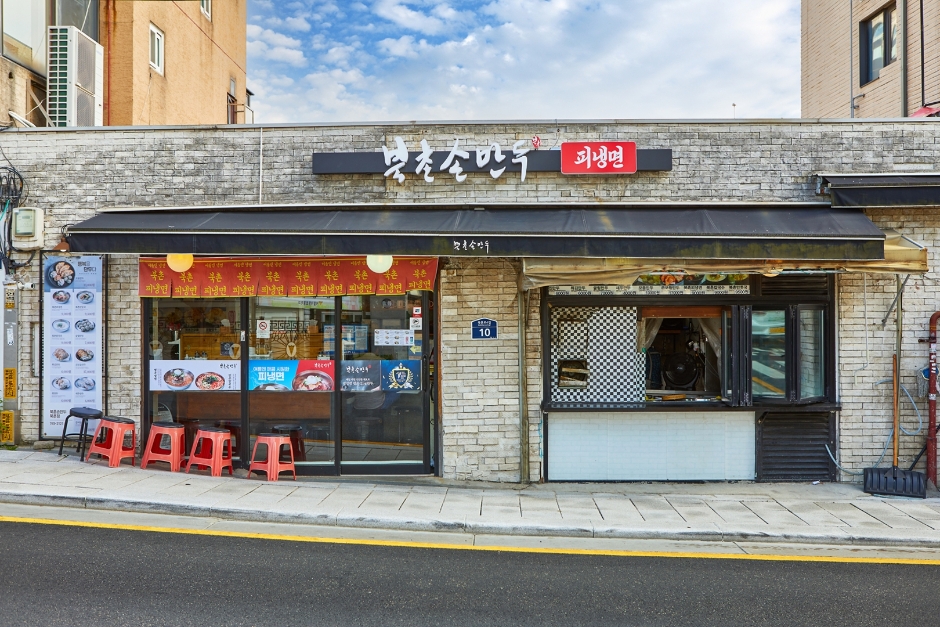
Bukchon Son Mandu Bukchon Branch (북촌손만두 북촌점)
4.9Km 2024-12-10
This third-generation family-owned handmade mandu restaurant has been in business since 1953. Its handmade mandu bears the tradition of nearly 70 years. This restaurant distinguishes itself above others with its unique expertise in the art of mandu-making and fresh ingredients, capturing deep flavors with care in each mandu. A full spread of mandu is available here, from steamed mandu to thin-skin mandu, deep-fried mandu, shrimp mandu, and galbi mandu, which can be ordered in individual pieces or as an assorted package. Mandu and noodles go perfectly together, and here, visitors can enjoy mandu with cold buckwheat noodles or noodle soup. The most recommended menu is the noodle soup, which serves thick, plump noodles in warm broth. But that does not mean that the cold buckwheat noodles are lacking: cold buckwheat noodles are served in a cool, red kimchi broth.
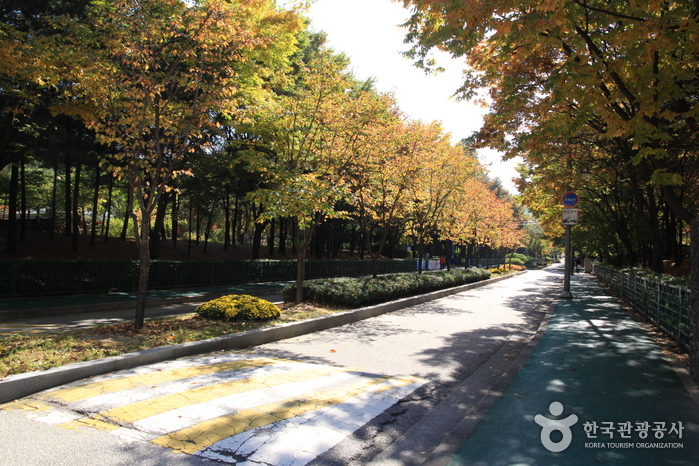
Bonghwasan Mountain - Seoul (봉화산 (서울))
5.0Km 2022-09-14
Sinnae-ro 21-gil, Jungnang-gu, Seoul
Bonghwasan Mountain (alt. 160 meters) in Jungnang-gu, Seoul offers scenic views of Buramsan, Dobongsan, and Namsan mountains. From the mountain, hikers can even see as far as the Yangju area of Gyeonggi-do Province to the north. Officially designated a “neighborhood park” in July 1977, Bonghwasan Mountain has a variety of convenience facilities, not least of which is the beacon tower of Achasan Bongsudae (remolded in 1994) perched on the mountain summit. Also near the summit is Sansingak Shrine, which is the site of the annual Bonghwasan Dodanggut (Intangible Cultural Property of Seoul), a shamanistic rite performed on the third day of the third lunar month.
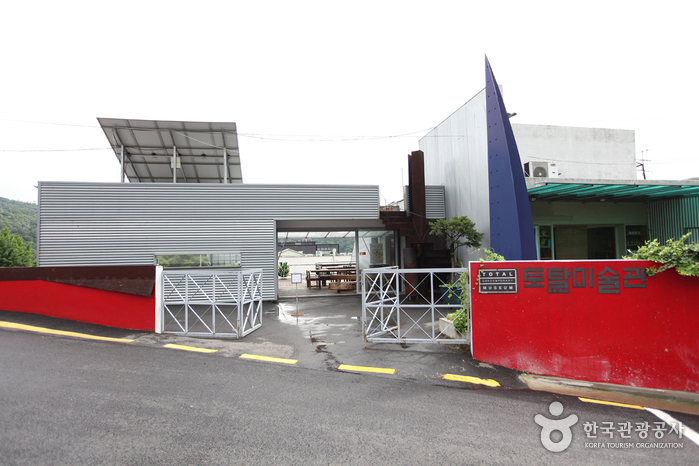
Total Museum (토탈미술관)
5.0Km 2022-07-22
8, Pyeongchang 32-gil, Jongno-gu, Seoul
The Total Museum is a branch of Jangheung Art Park (formerly “Total Outdoor Museum”) that opened near Bukhansan Mountain in April 1992. It houses facilities such as an art academy, library, art shop, and outdoor performance stage. In addition to exhibitions, the museum holds a variety of art and culture programs like musical concerts, events, lectures, and seminars. In particular, the members-only educational programs and gallery concerts provide a chance to enjoy high-quality cultural events.
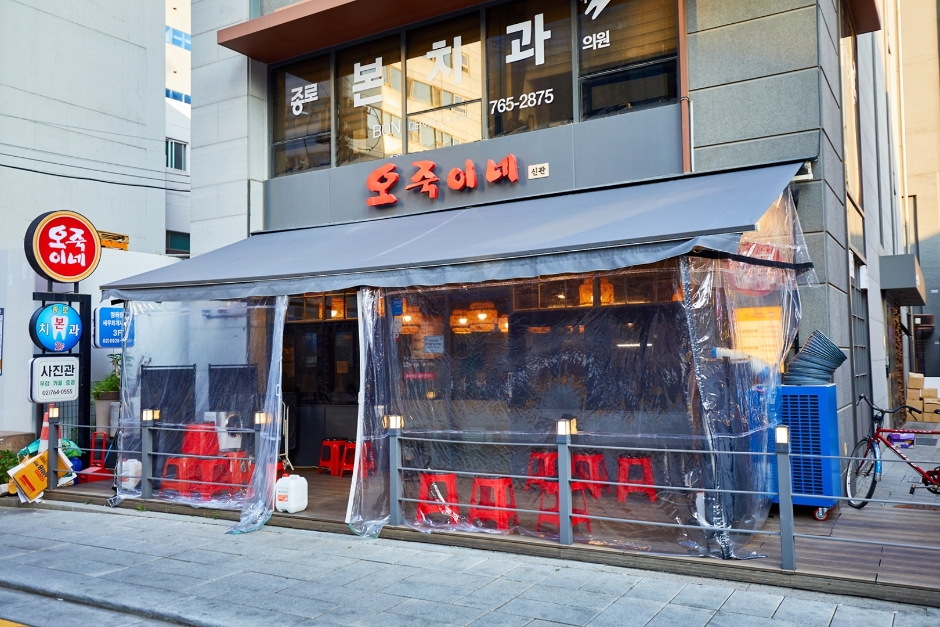
Ojugine (오죽이네)
5.0Km 2024-12-10
Ojugine is a restaurant that specializes in dak maeuntang, a spicy chicken stew that is different from dak bokkeumtang (spicy braised chicken), as the former has more soup than the latter. The stew is served whilst boiling, so one just needs to let it sit for a bit on the table before digging in. The spicy sauce and chicken are a match made in heaven, and the same goes for this dish. Interestingly, Ojugine uses smaller chickens to prepare their dishes, so the flesh braises in the stock faster. The resulting combination is sure to offer a memorable meal. Any remaining soup can be reused as a sauce for fried rice after the main meal, so visitors are advised to leave some space in their stomach.
The Sool Gallery (전통주갤러리)
5.0Km 2025-06-19
18 Bukchon-ro, Jongno-gu, Seoul
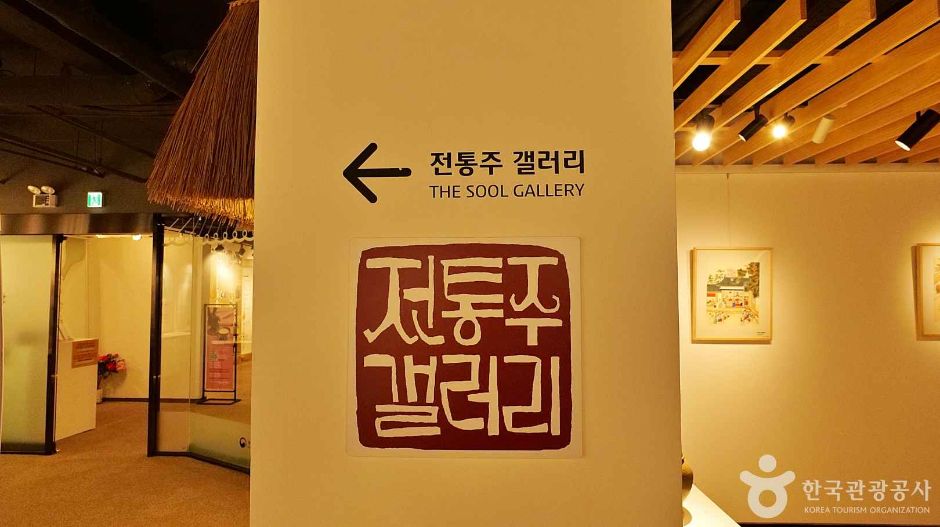
The Sool Gallery is an exhibition and experience space for traditional Korean liquor, established to promote the taste, style, and cultural values of the time-honored traditional Korean liquor. It provides various information about traditional Korean liquor for consumers or international tourists who can rarely obtain such information elsewhere. In addition, it provides traditional liquor education and business counseling to food service businesses and sales experts to continuously create demand for traditional liquor and expand the market. It is run by experts specializing in traditional liquor, including traditional liquor sommeliers, and it holds events to introduce various traditional liquors with different themes every month, as well as tasting events. Moreover, according to the monthly changing “Recommended Traditional Liquor by Month,” it displays a drinking glass and a bottle of the month recommended by the Korea Craft & Design Foundation.

HANSIK Space E:eum (한식문화공간 이음)
5.0Km 2025-11-11
18 Bukchon-ro, Jongno-gu, Seoul
HANSIK Space E:eum, located in Jongno, is a cultural space operated by the Korean Food Promotion Institute. It offers visitors an opportunity to delve into Korean cuisine through exhibitions, performances, educational programs, and a library.
Seoul Hiking Tourism Center - Bugaksan Branch (서울도심등산관광센터(북악산))
5.0Km 2024-03-05
88 Samcheong-ro, Jongno-gu, Seoul
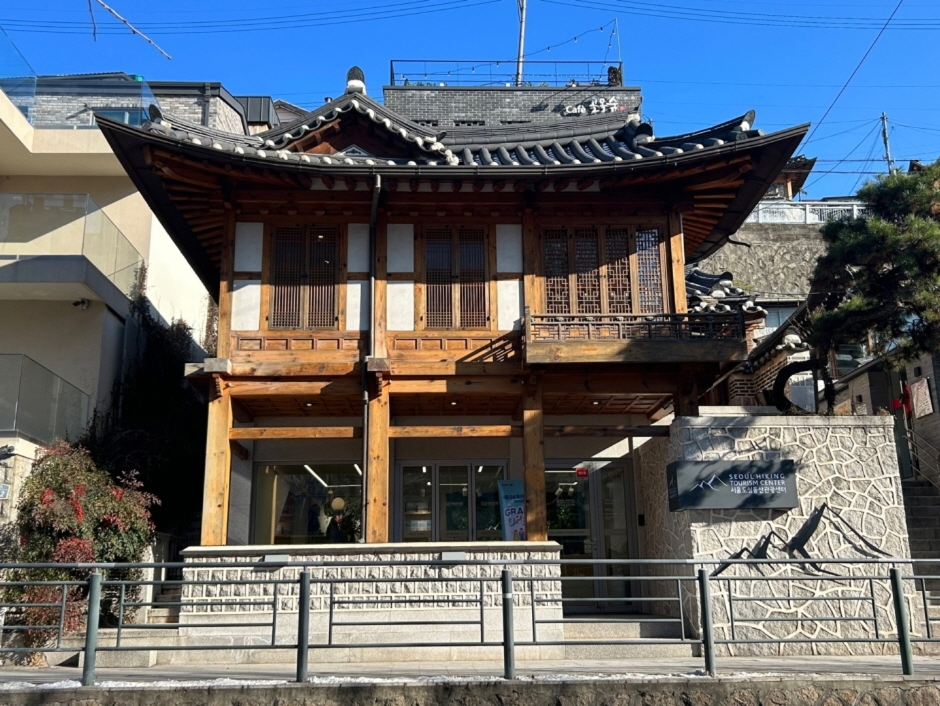
The Bugaksan branch of Seoul Hiking Tourism Center is located on Samcheong-dong Culture Street and provides various services to hikers. It provides hiking course guidance and information (available in Korean, English, Chinese, and Japanese) about the mountains of Seoul, including Bukhansan, Bugaksan, and Inwangsan Mountains, as well as promotional materials such as Seoul hiking tourism guidebooks and maps. Also, it operates hiking tour programs with various themes every week for foreigners and offers hiking gear rental services such as hiking boots, hiking attire, trekking poles, gloves, and crampons for foreigners. (Koreans accompanied by foreigners can also rent the gear.) In addition, there is a storage locker and lounge for visitors, so they can pack up and rest before hiking.
Jamunbak Cultural Festival (자문밖문화축제)
5.0Km 2025-10-23
5 Pyeongchang 31-gil, Jongno-gu, Seoul
+82-2-6365-1388
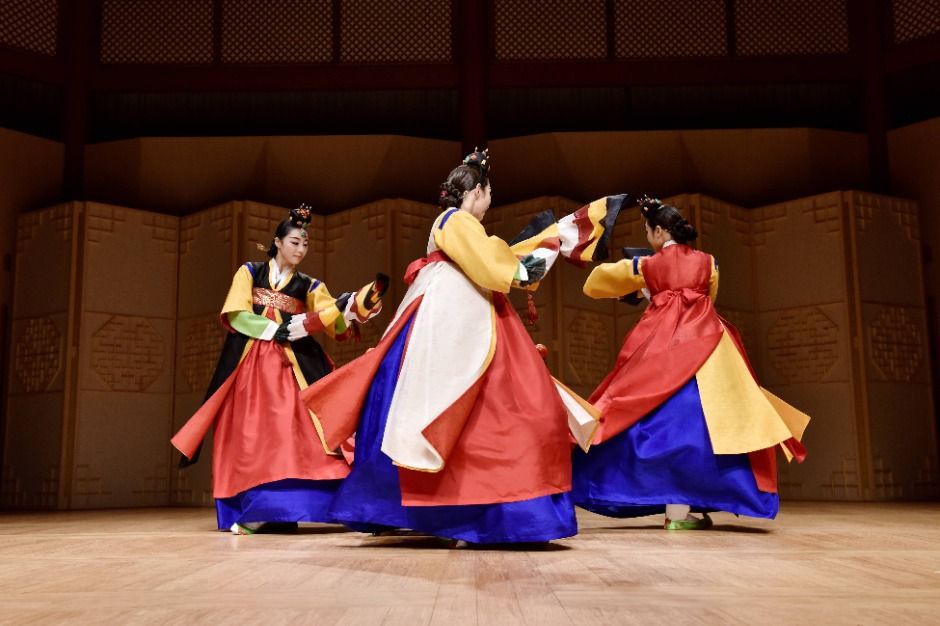
The Jamunbak Festival is a celebration of the artistic life of Seoulites. At the foot of Bukhansan Mountain, the festival features exhibitions, performances, forums, workshops, and field trips that bring together artists of different generations and citizens of Seoul—who have long led Korea’s artistic culture—to reflect on and propose new directions for their own artistic lives. The festival aims to create a platform where emerging artists experimenting with new aesthetics, mid-career artists who form the backbone of Korean art, collectors, critics, students, and the general public can all engage in dialogue together.
Baek In-je House (백인제가옥)
5.0Km 2025-10-24
16 Bukchon-ro 7-gil, Jongno-gu, Seoul
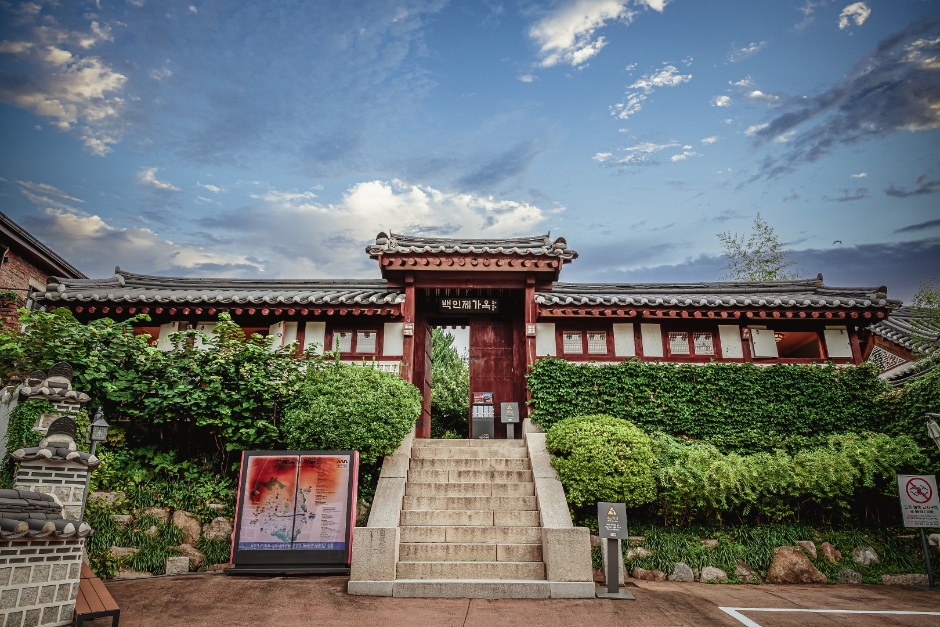
Baek In-je House, located in Bukchon Hanok Village, is a hanok built during the Japanese administration period that portrays modern hanok features. The structure consists of a main room offering a good view of the whole village, spacious bedrooms, a large garden, and annex buildings. As it maintains the beauty of a traditional hanok while incorporating the modern trend of its time, Baek In-je House is considered to be highly valuable in means of both architecture and history, representing the Bukchon Hanok Village together with Yun Bo-seon House.
Baek In-je House was built from black pine, which was first introduced in Seoul during the Gyeongseong Expo in 1907, distinguishing itself from other upper-class houses of its time. Unlike other traditional hanok designs that separate the main building from the other rooms, Baek In-je House connects the two with a hallway, allowing convenient access between the two structures. The house also consists of a Japanese-style hallway and floor mat rooms, reflecting the interior trends of that period. Baek In-je House is also unique in that the main room is partially built as a two-story structure, a style that was never seen in any traditional hanok built during the Joseon period.
Hanji House (한지가헌)
5.0Km 2025-07-25
31-9 Bukchon-ro, Jongno-gu, Seoul
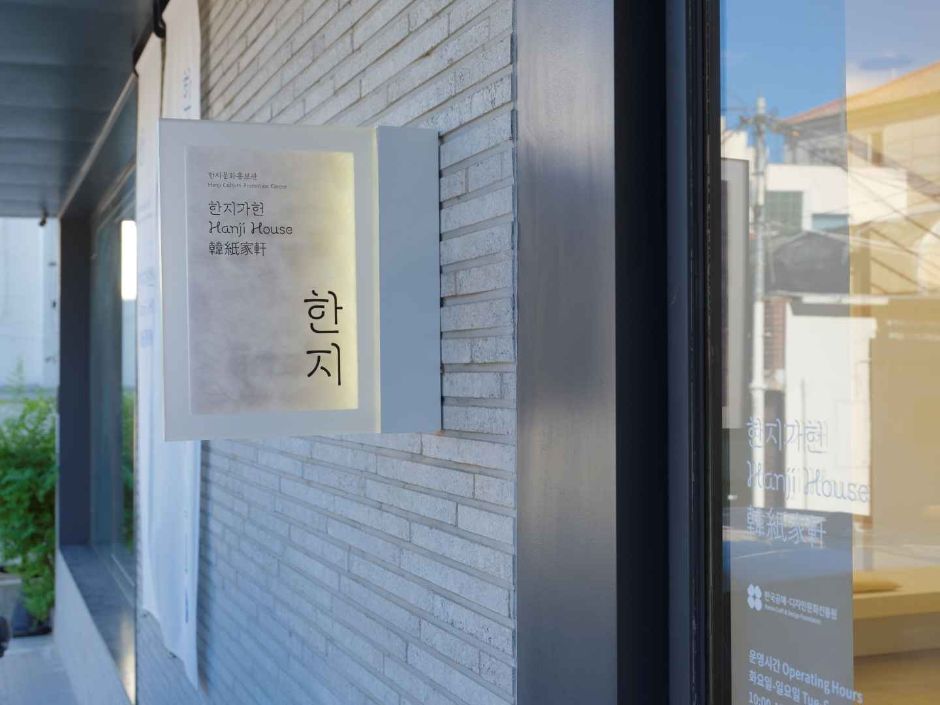
Hanji House was founded to pass on the cultural heritage of hanji, traditional Korean paper, as well as to promote its excellence and uses in everyday life. The center is operated by Korea Craft & Design Foundation, and offers a variety of programs that consist of exhibitions, hands-on activities, classes, and marketing hanji products. On the first floor is Hanji Showroom, where various exhibitions take place to showcase hanji of the past and the present. The basement floor comprises Hanji Open Archive, Hanji Print Studio, and Hanji Workroom, where most of the hands-on activities and classes are held. Hanji House also offers a docent program for exploring the whole area.
 English
 한국어
한국어 日本語
日本語 中文(简体)
 Deutsch
 Français
 Español
 Русский


