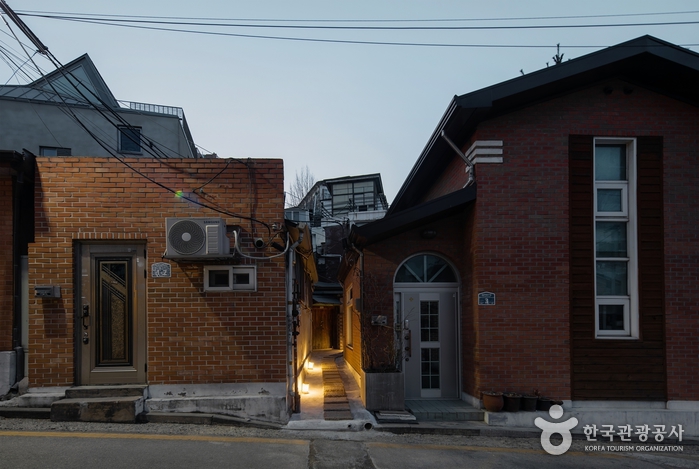
Nuwa (누와)
6.3Km 2024-12-23
3-1 , Pirundae-ro 5na-gil, Jongno-gu, Seoul
Nuwa is a small, tastefully-renovated private hanok in the Seochon Village residential area to the west of Gyeongbokgung Palace in Seoul. It gets the light through a window wall in the living room, which contains a walnut table where guests can take tea, and a bathtub: weary travellers will feel better after taking a foot bath or half-body bath. High-quality tea and bath salts are provided. The sleeping space has an unusual round window, like a full moon, facing the bed, through which guests can see the top of Inwangsan Mountain as they fall asleep.
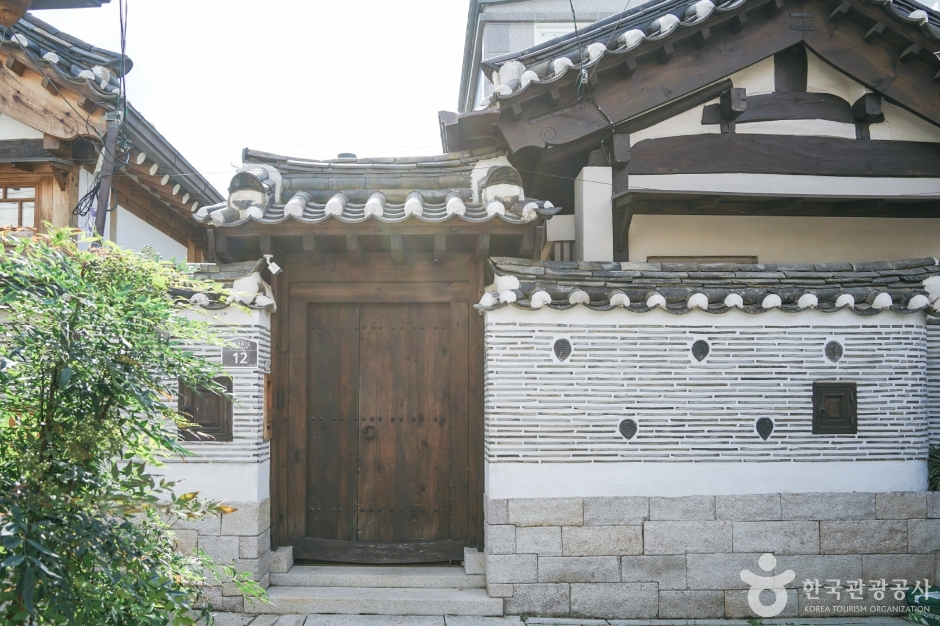
Hanok Essay Seochon (한옥에세이 서촌)
6.3Km 2024-06-04
12 Pirundae-ro 3-gil, Jongno-gu, Seoul
The area of Seochon features both traditional elements as well modern, showing the changes over time. A stay in one of the hanok houses here is the perfect way to feel this unique ambiance. Hanok Essay Seochon provides this experience, open to visitors of all ages.
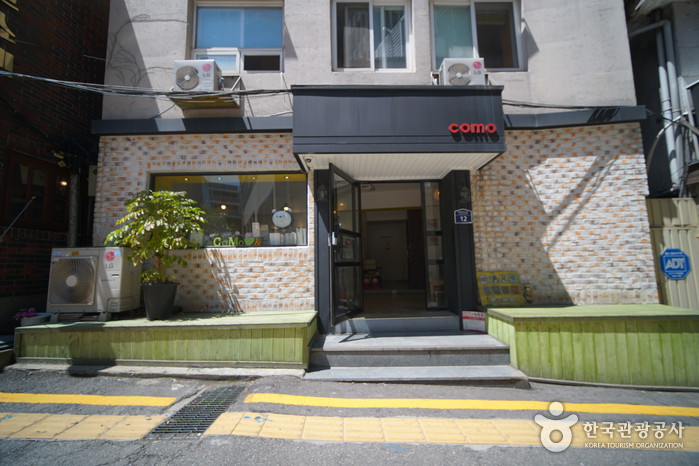
Myeongdong Guesthouse Como (명동게스트하우스 꼬모)
6.3Km 2024-12-23
12 , Toegye-ro 24-gil, Jung-gu, Seoul
Como is a guesthouse in Jongno-gu, Seoul, just 3-minute’s walk away from Myeongdong Station on Line 4. Como is particularly popular with foreign travelers: staff are fluent in English and Chinese, and luggage storage is free of charge. Rooms come in different sizes to cater from single travelers to family groups, and all have a separate bathroom and toilet. Must-see local sights such as Namsan Seoul Tower, Sungnyemun Gate, and Namdaemun Market are easily reached by car or bus.
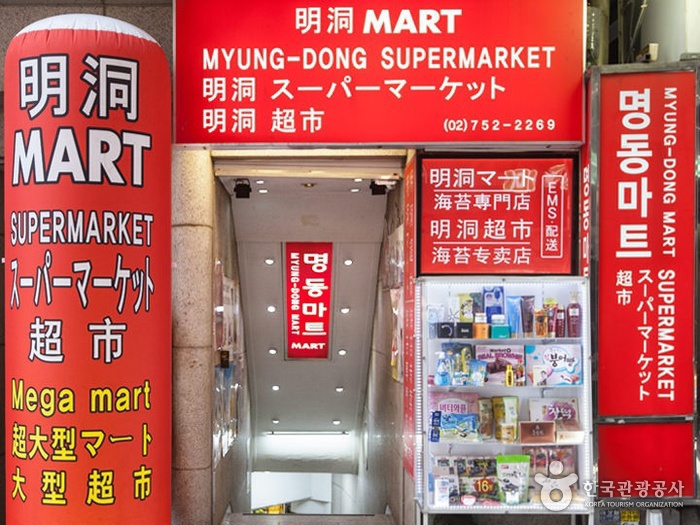
Harmony Mart Myeong-dong Station Branch (하모니마트 명동역점)
6.3Km 2024-12-23
58 , Myeongdong 10-gil, Jung-gu, Seoul
Harmony Mart Myeongdong Station Branch is a discount supermarket specializing in Korean products popular with foreign tourists. It’s on the 1st basement floor of the Shinil Building annex, just a minute's walk from Exit 8 of Myeongdong Subway Station, Jungu, Seoul. Shop here for kimchi, seaweed, ginseng products, tea, ramen, handicrafts, daily necessities and souvenirs. English, Chinese, and Japanese are spoken, and payments can be made in yen and yuan. With purchases of KRW 50,000 or more, there’s free delivery to accomodations within a 5km radius.

Reberry Clinic Myeongdong (리베리의원 명동점)
6.3Km 2025-11-28
#201, 2nd Floor & #301, 3rd Floor, 58 Myeongdong 10-gil, Jung-gu, Seoul
1. A dedicated medical director is personally assigned to each client, ensuring responsible and individualized care.
2. We go beyond consultation — every session is a professional medical treatment.
3. With our LifeBiz AI-powered 3D analysis camera, we provide an objective and precise facial assessment.
4. Our treatments are guided by a scientific skin-type classification system for accurate and tailored results.
5. Through 3D facial analysis, pigmentation diagnosis, and skin-type classification, we design a fully customized treatment pathway.
6. At Libery Clinic Aesthetic, we offer not only advanced medical procedures, but also warm décolleté and therapeutic massage care for a holistic experience.
Yongma Falls Park (용마폭포공원)
6.3Km 2024-02-20
250-12 Yongmasan-ro, Jungnang-gu, Seoul
Yongma Falls Park is situated on the mid-slope of Yongmasan Mountain, established following the closure of an aggregate collection plant. The park showcases three artificial waterfalls: Cheongnyongpokpo Falls, Baengmapokpo Falls, and Yongmapokpo Falls. Each waterfall comprises two tiers, with x_heights ranging from 21m to 51.4m. The park is equipped with various amenities, including ponds, tennis courts, soccer fields, a wildflower garden, walking trails, and a barefoot walking trail.
Seoul Metropolitan Library (서울도서관)
6.3Km 2022-12-14
110, Sejong-daero, Jung-gu, Seoul
Seoul Library provides access to a wide range of documents and materials about Seoul Metropolitan City. Visitors will find diverse resources related to the city including history, culture, urban planning, transportation, environmental issues, administration, reports on outbound visitors, research documents, video clips, and e-data.
Arumdaun Nara Dermatology Clinic - Myeongdong (아름다운나라피부과의원 명동점)
6.3Km 2025-11-21
4th Floor, 6 Myeongdong 8na-gil, Jung-gu, Seoul
Founded in 2000. Our clinic is led by a board-certified dermatologist. One of only 2% of doctors in Korea who are certified dermatology specialists who personally provides all consultations and treatments.
Luii (루이)
6.4Km 2024-07-17
40, Sejong-daero 21-gil, Jung-gu, Seoul
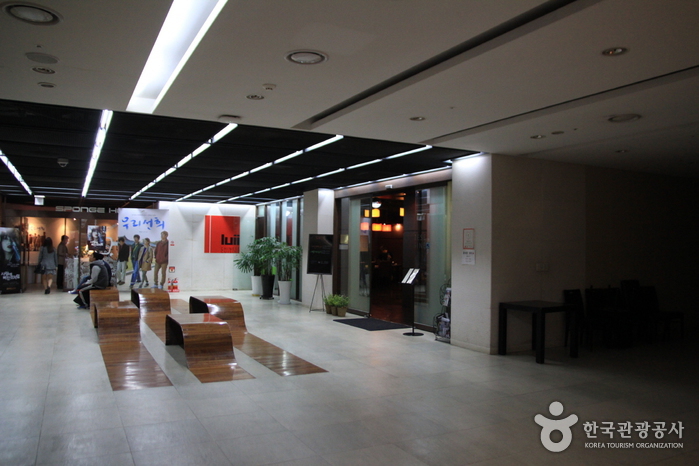
Luii is a Chinese restaurant operated by a veteran chef with extensive experience in Chinese cuisine. The restaurant has several rooms of different sizes to accommodate various events. It also has a VIP room for more private gatherings.
Migliore - Myeongdong Branch (밀리오레 (명동점))
6.4Km 2025-02-06
115 Toegye-ro, Jung-gu, Seoul
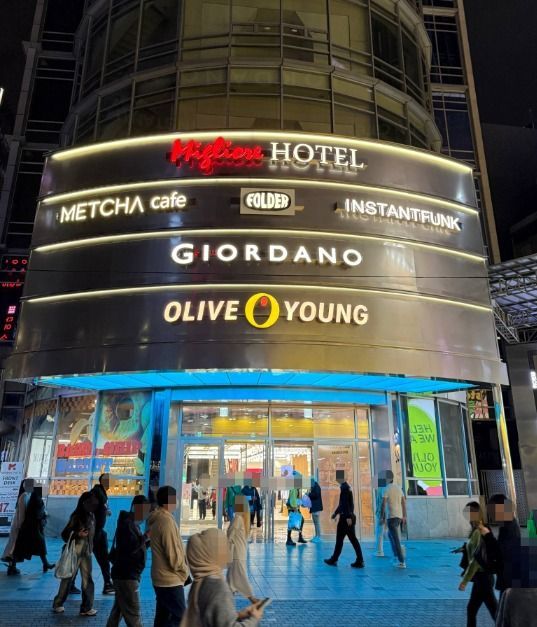
Migliore Shopping Mall, located in Myeong-dong, reopened in August 2024 after undergoing remodeling. It provides customers with easy access to its stores, as it is directly connected to the Myeongdong Subway Station (Seoul Subway Line 4). Myeong-dong is regarded as the shopping district for youth in their 20s. Throughout the area, signs are written in English, Chinese, and Japanese for foreign visitors. The first and the second floors function as a shopping mall, and from the 3rd to the 17th floor as a hotel, providing visitors with an opportunity to shop and stay under the same roof. The first floor of the mall features beauty and lifestyle stores and the second floor has clothing stores. This is a one-stop shopping destination for fashion items that will dress you from head to toe. Additionally, visitors can also shop for albums, magazines, and other goods featuring their favorite idols.
 English
 한국어
한국어 日本語
日本語 中文(简体)
 Deutsch
 Français
 Español
 Русский


