
Seoul National University Hospital (서울대학교병원)
3.8Km 2025-10-23
101 Daehak-ro, Jongno-gu, Seoul
Seoul National University Hospital, a national central hospital that has led Korean medicine for over 130 years, is a top-tier hospital equipped with world-class medical professionals and cutting-edge systems. For 25 consecutive years, it has ranked first in brand power in the hospital sector. The hospital is renowned for its cancer research, the most comprehensive pediatric care in the country, and treatments for rare and intractable diseases. Through patient-centered, personalized services, it has established itself as a trusted healthcare institution.
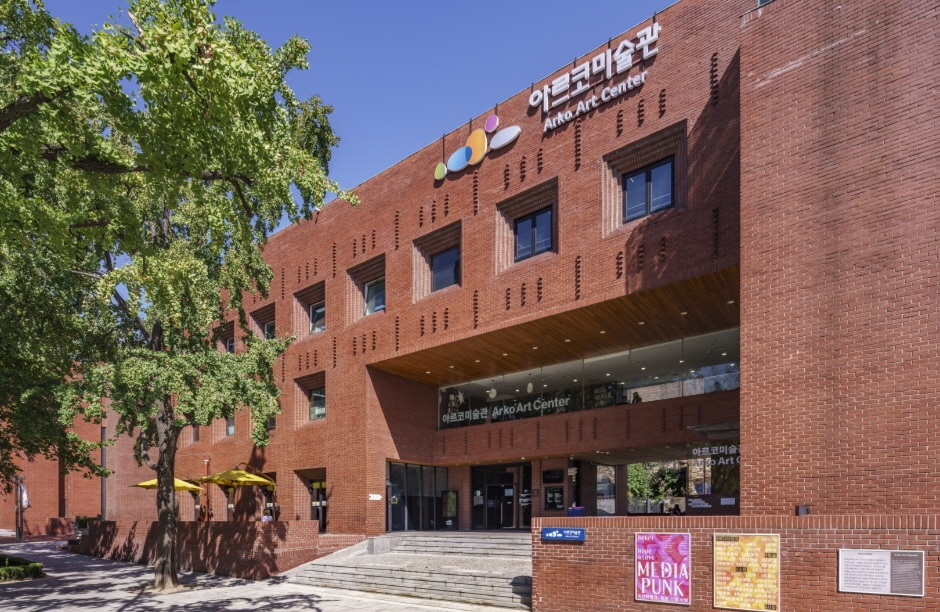
ARKO Art Center (아르코미술관)
3.8Km 2025-06-05
3, Dongsung-gil, Jongno-gu, Seoul
+82-2-760-4850
ARKO Art Center was founded in 1974 as Misulhoegwan in a building of former Deoksu Hospital in Gwanhun-dong, Jongno-gu to offer much-needed exhibition space for artists and arts groups. In 1979, Misulhoegwan moved to its present building, designed by preeminent Korean architect Kim Swoo-geun (1931-1986) and located in Marronnier Park, the former site of Seoul National University. The two neighboring brick buildings accommodating ARKO Art Center and ARKO Arts Theater are the major landmarks of the district of Daehakro.
As more public and private museums and commercial galleries came into the art scene in the 1990s, Misulhoegwan shifted to curating and presenting its own exhibitions. Renamed as Marronnier Art Center in 2002, ARKO Art Center assumed a full-fledged art museum system and played an increasingly prominent role as a public arts organization leading the contemporary art paradigm. When The Korea Culture and Arts Foundation was reborn as Arts Council Korea, Marronnier Art Center became ARKO Art Center named after the abbreviation for Arts Council Korea in 2005.
ARKO Art Center is committed to working as a platform where research, production, exhibitions and the exchange of creative activities grow and develop in connection with one another in addition to having a diversity of programs including thematic exhibitions addressing social agenda and public programs widely promoting various discourses in art.
Bukjeong Village (북정마을)
3.8Km 2024-02-15
132-3 Seongbuk-ro 23-gil, Seongbuk-gu, Seoul
Bukjeong Village, situated along the slopes of Seongbuk-dong, offers a glimpse into Korea's old alleyways. The village expanded as refugees from the Korean War (1950–1953) and people from various regions settled, building houses under the collapsed walls of Hanyang doseong (Seoul City Wall). Presently, the village is home to young artists, and the broad street in front of the village bus stop hosts various community events.
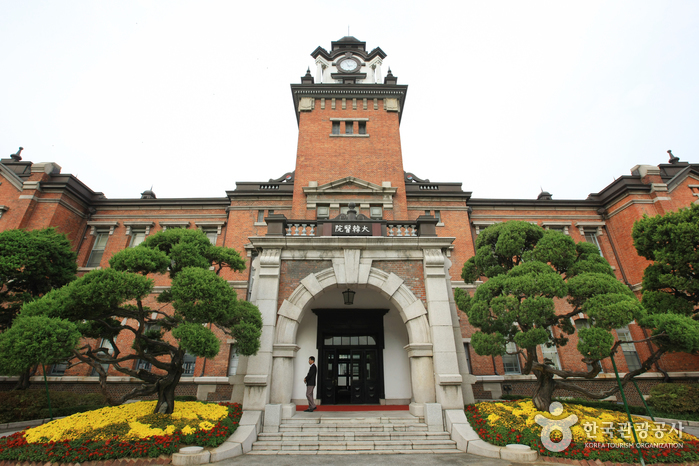
Seoul Daehan Hospital (서울 대한의원)
4.0Km 2021-12-23
101, Daehak-ro, Jongno-gu, Seoul
+82-2-2148-1842
Daehanuiwon (Daehan Medical Center) is an antique two-story brick building within the grounds of Seoul National University Hospital. It was established under the direct administration of the Uijeongbu (State Council), combining the Gwangjewon (under the Home Ministry), Gyeongseong Medical School and the Korean Red Cross Hospital (under the Royal Household).
Built in the Madubong Hill area, this location where Hamchunwon, the outer garden of Changgyeonggung Palace, once stood in 1484 (15th year of King Seongjong), was also once the site of Gyeongmogung Palace, where King Jeongjo enshrined the mortuary tablet of his birth father Crown Prince Sado Seja in 1776 (the year King Jeongjo ascended to the throne).
These places that held importance for the royal family were destroyed as the Japanese built Gyeongseong Empire University in its place. In 1907, with the announcement of the plan to establish Daehan Medical Center, construction began on the main building, seven wards and affiliated buildings. Construction was completed in November 1908.
The Daehan Medical Center opened in Gwangjewon, but upon Japanese colonization in 1910, its name was changed to the Japanese Viceroyalty Hospital. In 1926, it was included as a part of Gyeongseongjeguk University to become a university hospital. Since the liberation of Korea in 1945, it has been a hospital affiliated with Seoul National University.
 English
 한국어
한국어 日本語
日本語 中文(简体)
 Deutsch
 Français
 Español
 Русский


