
Evita Clinic (에비타흉부외과의원)
9.3Km 2025-10-23
(5th Floor, Burda Moon Building), 815 Nonhyeon-ro, Gangnam-gu, Seoul
In 2009, Evita Clinic launched healthcare services combining cosmetic procedures and surgeries with traditional thoracic surgery.
With the number of English-speaking patients gradually increasing, all staff members have come to speak English as a common language. We are evolving into a multinational clinic committed to raising awareness of Korea's advanced medical technology across the world.
Our director is a board-certified cardiothoracic expert with extensive experience of treating heart, vascular, and pulmonary diseases, thoracic deformities, and other severe illnesses at a university hospital. Building on the experience, His private practice, established in 2008, combines more than a decade of experience in dexterously suturing micro vessels with cosmetic and reconstructive surgery, perfecting his skills even further.
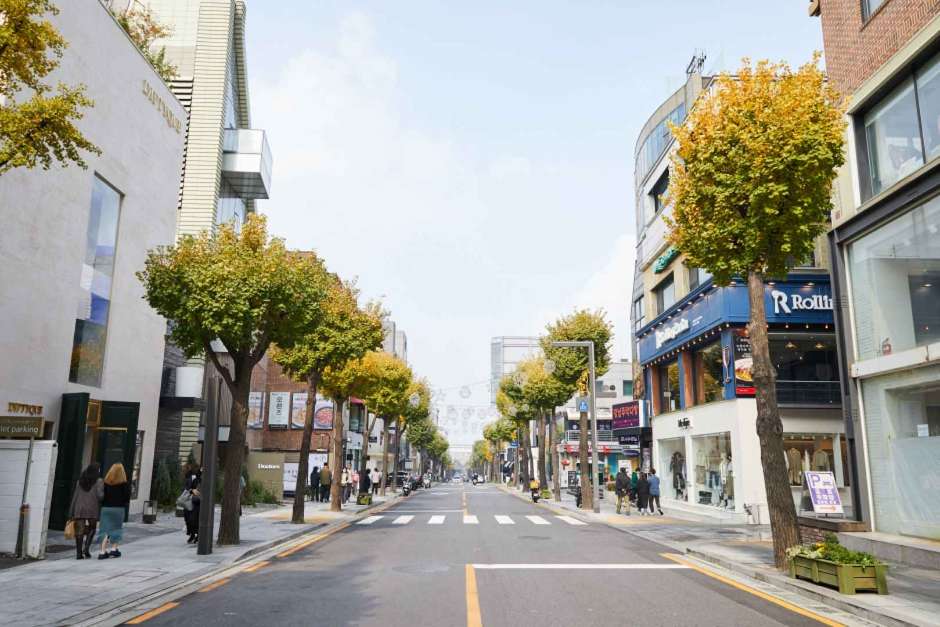
Sinsa-dong Garosu-gil Road (신사동 가로수길)
9.3Km 2024-12-02
Sinsa-dong, Gangnam-gu, Seoul
The ginkgo tree-lined street (Sinsa-dong Garosu-gil) that runs from Sinsa Station (Subway Line 3) to Hyeondae High School is a popular, upscale street in Seoul. The street (also known as ‘artists' street’) has an eccentric flair thanks to its variety of charmingly decorated coffee shops, and designer stores. Garosu-gil is particularly popular in autumn when the golden ginkgo leaves begin to fall. Furthermore, with continous popularity, it has become one of the most attractive film locations in the city.
Mine Plastic Surgery (마인성형외과의원)
9.3Km 2025-10-23
(3rd-6th Floors, Yeongseok Building), 813 Nonhyeon-ro, Gangnam-gu, Seoul
MINE Plastic Surgery is an integrated beauty medical center comprising plastic surgery, dermatology, and cosmetic treatments. It features cutting-edge medical facilities equivalent to the level of university and offers personalized patient care.
For international patients, it provides interpretation and airport pickup and send-off services. The facility is equipped with exclusive VIP consultation and operating rooms. Our dedicated medical staff oversees all aspects of care, from consultation and surgery to hospitalization and postoperative management.
Also, we have observation rooms where, with prior consent, guardians of patients can monitor the surgical process. This ensures that the procedure is performed by the designated surgeon, preventing concerns about any substitution of the performing physician, contributing to achieving a safe and satisfactory outcome.
JaneDMCKorea (주)제인디엠씨코리아)
9.3Km 2025-10-23
(4th Floor), 51 Mallijae-ro, Mapo-gu, Seoul
Jane DMC Korea is an inbound travel agency and international patient recruitment organization established in 2006. Headquartered in Seoul, with branch offices in Busan, Indonesia, and India, the company develops and sells programs for international clients in 40 countries while also attracting international patients.
![Eye Dear - Ewha Womans Univ. Branch [Tax Refund Shop] (아이디어안경 이대)](http://tong.visitkorea.or.kr/cms/resource/61/2878361_image2_1.jpg)
Eye Dear - Ewha Womans Univ. Branch [Tax Refund Shop] (아이디어안경 이대)
9.4Km 2024-04-17
#101, 174, Sinchon-ro, Mapo-gu, Seoul
-
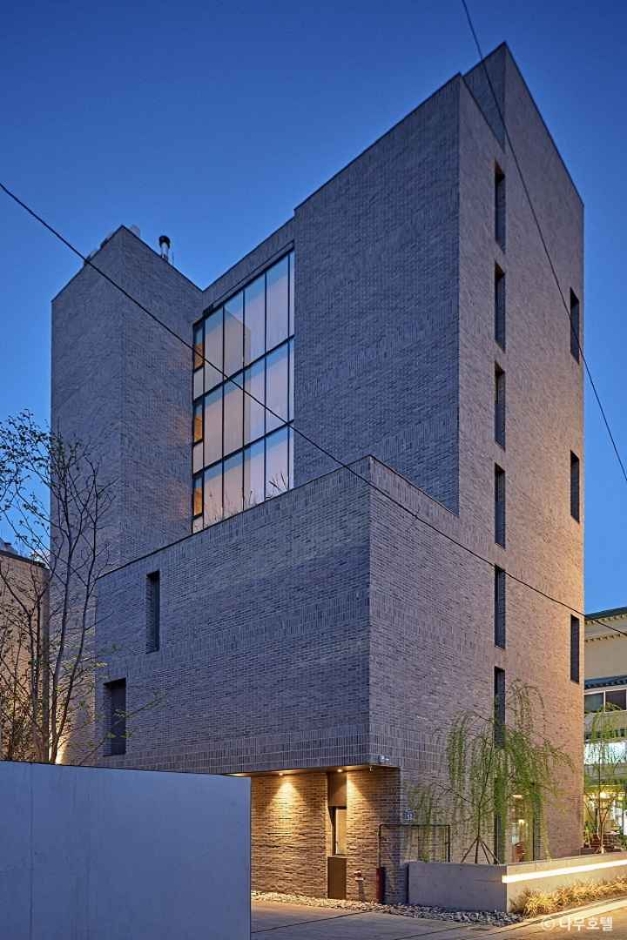
Namu Hotel (나무호텔)
9.4Km 2024-06-04
9 Achasan-ro 76ga-gil, Gwangjin-gu, Seoul
+82-2-456-3271
Namu Hotel, which received the Institute of Architects Award, is a hotel with a distictive design. Rather than having the main entrance on a main road, the hotel must be entered through the alley. Each room has its own unique style in terms of structure and furniture arrangement. Most rooms also feature a blacony that allows guests to be one with nature while also being protected from outside forces. Enjoy a soak in the outdoor bathtub to relax.
![MZUU - Garosu Branch [Tax Refund Shop] (엠주 가로수)](http://tong.visitkorea.or.kr/cms/resource/11/2879711_image2_1.jpg)
MZUU - Garosu Branch [Tax Refund Shop] (엠주 가로수)
9.4Km 2024-04-18
32-10, Dosan-daero 15-gil, Gangnam-gu, Seoul
-
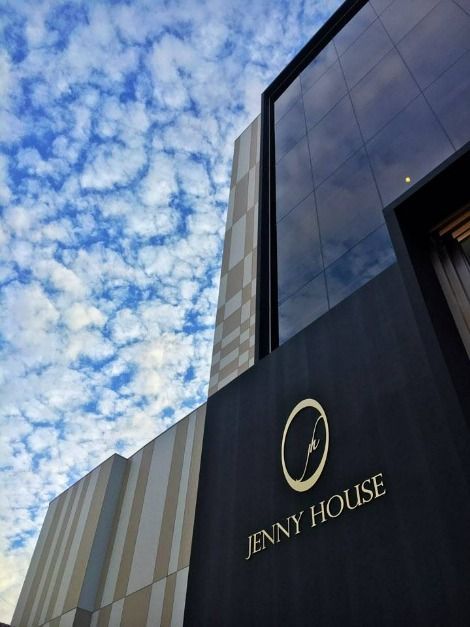
Jennyhouse (제니하우스)
9.4Km 2025-03-15
56 Seolleung-ro 146-gil, Gangnam-gu, Seoul
010-5689-1484
Step into Jennyhouse, Korea’s top luxury beauty salon, for an unforgettable hair and makeup transformation. Renowned for its exceptional service and artistry, Jennyhouse is where celebrities like Son Ye-jin, Han Ji-min, and Suzy achieve their iconic looks.
Upon booking a reservation, clients can choose from a range of services tailored to their style and needs. Whether it’s a glamorous red-carpet makeover, a trendy K-beauty hair transformation, or elegant wedding styling, Jennyhouse's team of 80 expert artists ensures a personalized experience.
Expect cutting-edge techniques, top-tier products, and meticulous attention to detail. Jennyhouse offers the experience for clients to embrace the best of K-beauty and leave with a look that’s uniquely theirs. At Jennyhouse, every client walks out feeling confident, radiant, and ready to shine.
L CREER (엘크레)
9.4Km 2025-10-24
41 Dosan-daero 15-gil, Gangnam-gu, Seoul
L Creer is a makeup platform operated by a makeup artist with 27 years of experience in charge of makeup for IU and actress Han Ye-seul. Customers can easily experience the beauty consulting that celebrities receive at an affordable price. It has a reputation for providing meticulous and detailed beauty consulting. When visiting for the first time, eyebrow shape consulting is the most popular service where you get to receive eyebrow care and learn how to apply eyebrow make up. Reservations are required before visiting.
CMC Confidence (씨엠씨 컨피던스)
9.4Km 2025-10-23
#207, Ra-dong, 14 Eonju-ro 148-gil, Gangnam-gu, Seoul
CMC Confidence combines medicine and tours to offer optimized services. It provides special tour services beyond simple medical services. Instead of simply attracting patients, CMC Confidence provides topping tours where patients can experience treatments while traveling with family and friends. The patient's next medical visit becomes an opportunity for joyful travels, rather than treatments. CMC Confidence offers customers new experiences through specialized services in the Gangnam area of Seoul.
 English
 한국어
한국어 日本語
日本語 中文(简体)
 Deutsch
 Français
 Español
 Русский


