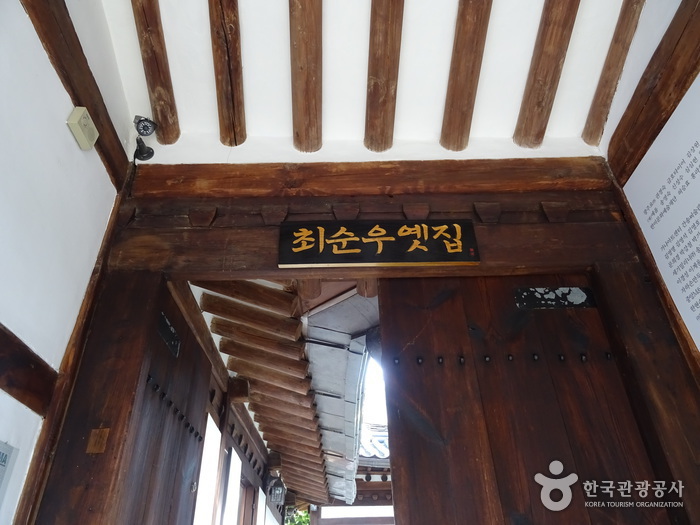
Choi Sunu House (최순우 옛집)
8.0Km 2021-12-21
9, Seongbuk-ro 15-gil, Seongbuk-gu, Seoul
+82-2-3675-3401
The Choi Sunu House is the old residence of Hyegok Choi Sunu (1916-1984), who lived in this house from 1976 until the day he passed away. The house is designated as Korea’s Registered Cultural Property. Choi Sunu was a leading art historian who served as the director of the National Museum of Korea. He devoted his life to rediscovering the beauty of Korean art and made many academic accomplishments in the areas of Korean ceramics, traditional woodcraft, and the history of painting.
The house has been open to the public as the Hyegok Choi Sunu Memorial Hall since 2004. The memorial hall displays Choi Sunu’s relics as a permanent exhibition and holds special exhibitions in the fall as well as cultural programs every spring and fall.
![CheongKwanJang - Gwanghwamun Branch [Tax Refund Shop] (정관장 광화문)](http://tong.visitkorea.or.kr/cms/resource/93/2889693_image2_1.jpg)
CheongKwanJang - Gwanghwamun Branch [Tax Refund Shop] (정관장 광화문)
8.0Km 2024-04-22
20, Sajik-ro 8-gil, Jongno-gu, Seoul
-
![Heolleung and Illeung Royal Tombs [UNESCO World Heritage] (서울 헌릉(태종,원경왕후)과 인릉(순조,순원왕후) [유네스코 세계문화유산])](http://tong.visitkorea.or.kr/cms/resource/42/1985242_image2_1.jpg)
Heolleung and Illeung Royal Tombs [UNESCO World Heritage] (서울 헌릉(태종,원경왕후)과 인릉(순조,순원왕후) [유네스코 세계문화유산])
8.0Km 2021-07-24
36-10, Heonilleung-gil, Seocho-gu, Seoul
+82-2-445-0347
Heolleung and Illeung Royal Tombs house the mounds for two kings of the Joseon dynasty (1392-1910) and their wives: King Taejong (1401-1418) and Queen Wongyeong, along with King Sunjo (1800-1834) and Queen Sunwon. Together, the tombs are referred to as Heonilleung Royal Tomb. The site possesses numerous stone statues and vestiges, and is a good place to experience the culture of the Joseon dynasty.

The Children’s Museum of the National Folk Museum of Korea (국립민속박물관&국립민속박물관 어린이박물관)
8.0Km 2025-06-19
37 Samcheong-ro, Jongno-gu, Seoul
The Children’s Museum of the National Folk Museum of Korea, located within Gyeongbokgung Palace, showcases artifacts related to Korean traditional culture. This interactive museum allows children to experience and learn about various aspects of Korean traditional clothing, food, society, culture, and games firsthand. Especially catering to children from Asian countries, there is a service for renting items, and reservations are required for admission.
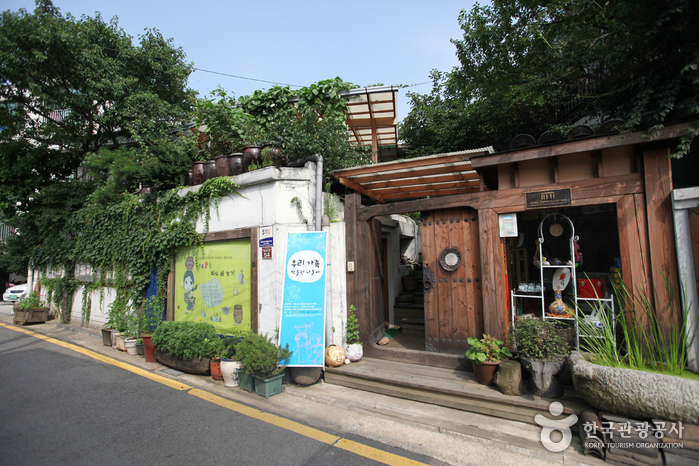
Bukchon Museum (북촌생활사박물관)
8.0Km 2022-08-30
90, Bukchon-ro 5na-gil, Jongno-gu, Seoul
+82-2-736-3957
The Bukchon Museum displays items that have been collected from Bukchon, a historical village that was once home to the nation’s nobility. The museum was founded to observe urban development that took place in the recent decades through collected and preserved veryday household items that were used by Bukchon residents. Visitors are even allowed to touch items on display to better be able to imagine life in Korea before industrialization.
THE WELL SAEM HOSPITAL OF KOREAN MEDICINE (더웰샘한방병원)
8.0Km 2025-10-23
4th, 6th Floors, Hanil Plaza, 7 Namhyeon-gil (Namhyeon-dong), Gwanak-gu, Seoul
Integrative medicine, which links the strengths of Korea’s traditional medicine and Western medicine, is cutting-edge convergent medicine that provides optimal services for patients in most fields, except surgery and emergency medicine.
Traditional Korean treatments and modern medical treatments can deliver superior results compared to stand-alone therapies when applied in a patient-centered, multidisciplinary, and integrative manner. This is especially important for patients with intractable diseases such as cancer, severe chronic pain caused by aging and degenerative changes, and systemic symptoms resulting from recurrent inflammation and metabolic disorders. In such cases, integrative medicine represents a new paradigm that seeks not only physical health but also holistic recovery.
THE WELL SAEM HOSPITAL OF KOREAN MEDICINE pursues this integrative medicine, supporting patients’ faster recovery while also promoting the excellence of the Korean healthcare system worldwide, thereby aiming to create a pain-free, healthy world for all.
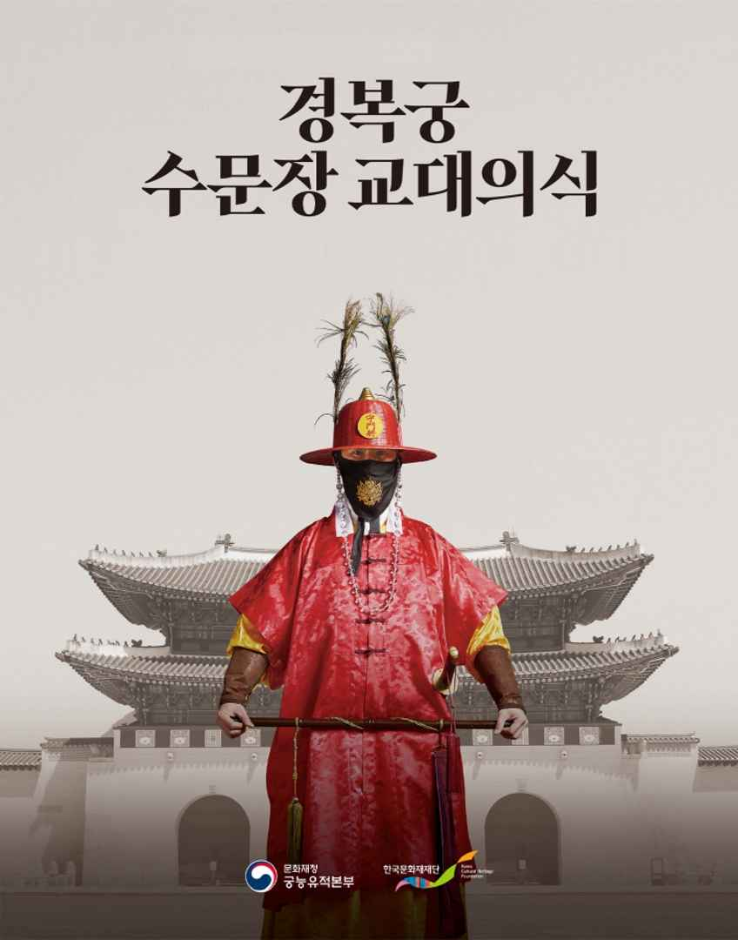
Palace Royal Guard Changing Ceremony (수문장 교대의식)
8.0Km 2025-07-11
161 Sajik-ro, Jongno-gu, Seoul
+82-2-3210-1645
In the Joseon dynasty, the royal guards of the palace were gatekeepers who were responsible for guarding the the main gates of Gyeongbokgung Palace as well as the main gates of the city such as Heunginjimun Gate and Sungnyemun Gate. The royal guards worked in shift duties and were in charge of opening and closing Gwanghwamun Gate. Before the royal guard system was enforced in 1469, the palace gates were protected by soldiers of the central army. The Palace Royal Guard Changing Ceremony held at Gyeongbokgung Palace and the Gwanghwamun area reenacts the guard-changing procedure that took place during the Joseon dynasty, along with the reproduction of costumes and weapons, based on historical records.
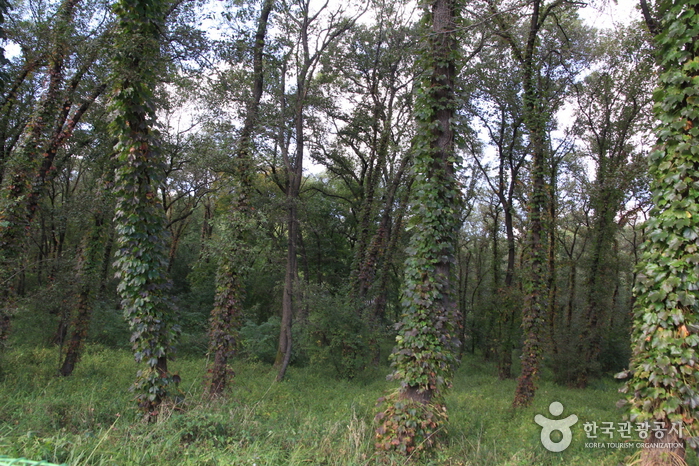
Heoninneung Royal Tombs Ecological Preservation Area (Alder Tree Forests) (헌인릉 생태경관보전지역(오리나무림))
8.0Km 2021-12-11
34, Heonilleung-gil, Seocho-gu, Seoul
+82-2-445-0347
Heonninneung Royal Tombs Ecological Preservation Area is home to alder tree forests. It was officially designated as an ecological preservation area by the Seoul Metropolitan Government in 2005.
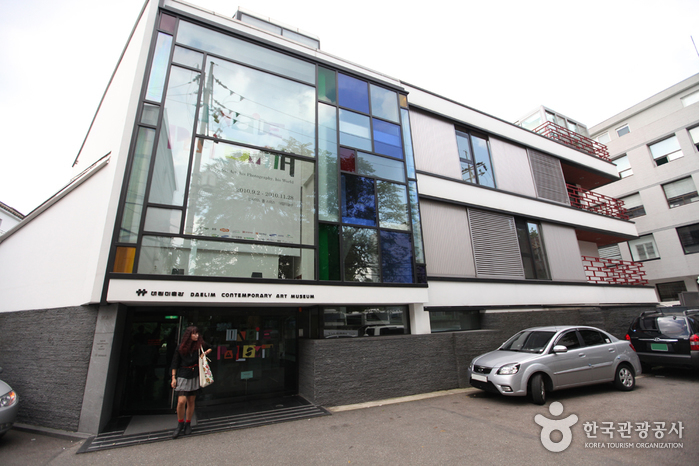
Daelim Museum (대림미술관)
8.0Km 2022-07-29
21, Jahamun-ro 4-gil, Jongno-gu, Seoul
+82-2-720-0667
The Daelim Museum, built by the Daelim Group, was first established in Daejeon in 1996 and later moved to Jongno, Seoul in 2002. The art gallery studies, analyzes, and presents modern art through the lens of photography and holds exhibitions centered around photo media.
The museum is located in the residential area of Tongui-dong, near the time-honored Gyeongbokgung Palace. The museum, which was designed by French architect, Vincent Cornu, and built by the Daelim Corporation, opened its door to the public in late May 2002.
On the first floor, there is a garden, parking lot, reception desk, storage area, and conference room. On the second and third floor are offices and exhibition hall approximately 595 m² in size, consisting of small and large rooms, a long gallery, and a special high-ceilinged exhibition space. On the fourth floor, there is a seminar room that can seat up to 120 guests and a balcony with a beautiful view. From the balcony of the seminar room, Visitors can also enjoy a wide open view of Inwangsan Mountain and Bukhansan Mountain. The stained glass panels (designed to reflect the beauty of traditional Korean wrapping cloth) and the scenic lounges on the 2nd and 3rd floors of the building add to the overall charm.
Above all else, the museum was designed with consideration of the photos, which are very sensitive to humidity, light, and temperature.
Sejong Village Food Street (세종마을 음식문화거리)
8.1Km 2025-06-17
Chebu-dong, Jongno-gu, Seoul
Previously known as Geumcheongyo Market, it was officially named Sejong Village Food Street in 2011, as King Sejong was born in this village. The street is full of lively energy and features both long-standing restaurants, also known as nopo in Korean, and recently established trendy eateries. Its convenient location and inviting atmosphere make it a popular place to visit.
 English
 한국어
한국어 日本語
日本語 中文(简体)
 Deutsch
 Français
 Español
 Русский


