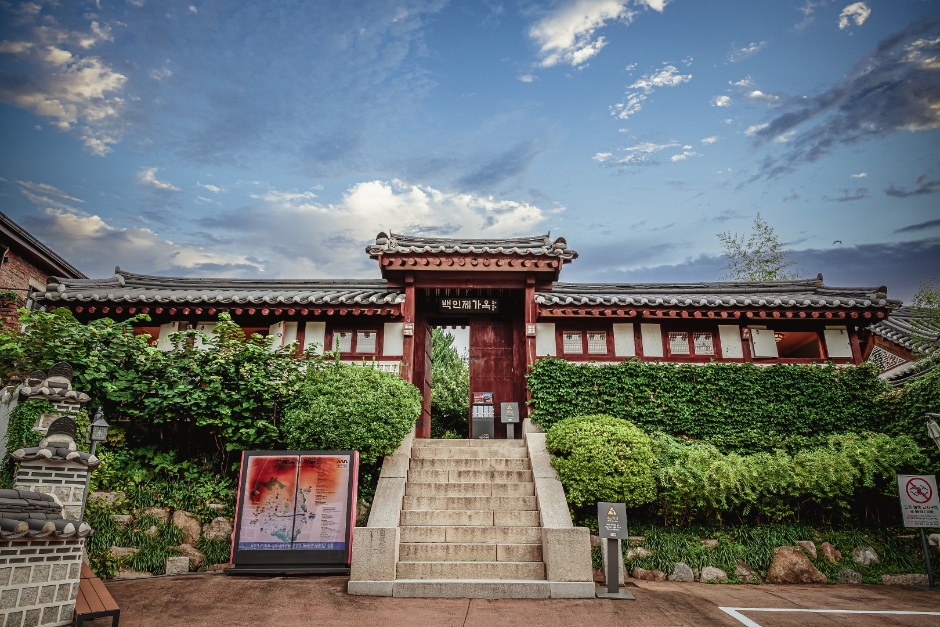
Baek In-je House (백인제가옥)
7.6Km 2025-10-24
16 Bukchon-ro 7-gil, Jongno-gu, Seoul
+82-2-724-0200
Baek In-je House, located in Bukchon Hanok Village, is a hanok built during the Japanese administration period that portrays modern hanok features. The structure consists of a main room offering a good view of the whole village, spacious bedrooms, a large garden, and annex buildings. As it maintains the beauty of a traditional hanok while incorporating the modern trend of its time, Baek In-je House is considered to be highly valuable in means of both architecture and history, representing the Bukchon Hanok Village together with Yun Bo-seon House.
Baek In-je House was built from black pine, which was first introduced in Seoul during the Gyeongseong Expo in 1907, distinguishing itself from other upper-class houses of its time. Unlike other traditional hanok designs that separate the main building from the other rooms, Baek In-je House connects the two with a hallway, allowing convenient access between the two structures. The house also consists of a Japanese-style hallway and floor mat rooms, reflecting the interior trends of that period. Baek In-je House is also unique in that the main room is partially built as a two-story structure, a style that was never seen in any traditional hanok built during the Joseon period.

YallaKOREA (얄라코리아)
7.6Km 2025-10-23
#700, The Salvation Army Building, 69 Saemunan-ro, Jongno-gu, Seoul
YallaKOREA is a medical tourism agency specialized in serving Arab patients, providing medical services since 2016 for those wishing to visit plastic surgery and dermatology clinics in Korea. For patients undergoing surgery, it offers customized services including medical interpretation, private transportation, hotel reservations, airport pick-up and drop-off services, and daily tours. With years of experience and a deep understanding of Arab culture, it ensures safe and convenient medical tourism.
Lee Ri-Ja Hanbok Museum (이리자 한복전시관)
7.6Km 2022-08-08
20, Samcheong-ro, Jongno-gu, Seoul
+82-2-734-9477
The Lee Ri-Ja Hanbok Museum displays the traditional clothing worn in Korea from birth to death. All hanbok displayed at the museum are created by the hanbok designer Lee Ri-Ja herself, who has over 40 years of experience.
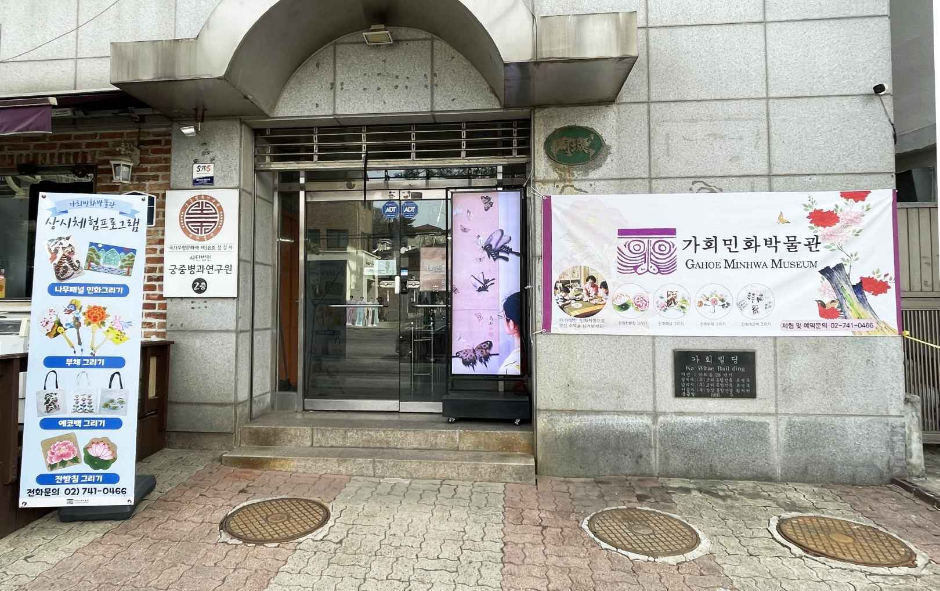
Gahoe Museum (가회민화박물관)
7.6Km 2025-10-31
52 Bukchon-ro, Jongno-gu, Seoul
+82-2-741-0466
Opened in 2002, Gahoe Museum exhibits folk paintings and amulets reflecting the lifestyle and wishes of the Korean people from ancient times. Inside the Hanok gallery, visitors can immerse themselves in the traditions of Korea, including old paintings depicting people's lifestyle in the past and religious beliefs, and roof tiles in the shape of humans or goblins. Visitors will also find folding screens and religious objects used in the past that show skills and knowledge of Korean ancestors.
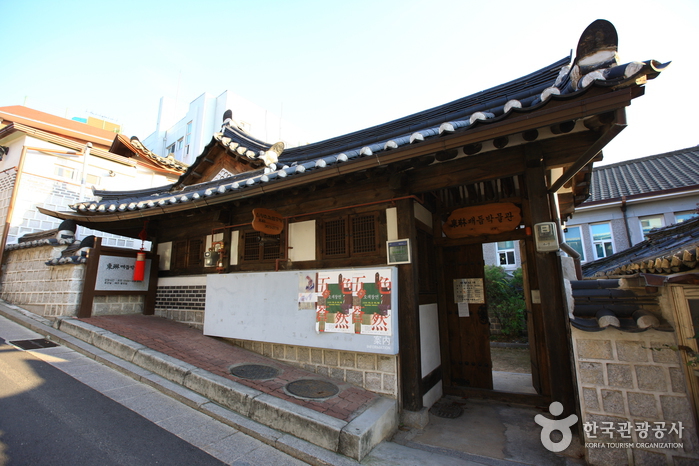
Dong-Lim Knot Museum (동림매듭박물관)
7.6Km 2021-12-21
10, Bukchon-ro 12-gil, Jongno-gu, Seoul
+82-2-3673-2778
Opened in April 2004, Dong-Lim Knot Museum exhibits a variety of decorative traditional Korean maedeup (knots): norigae for hanbok, belts, pouches, as well as materials like thread, cord, and accessories. Housed in a hanok, a traditional Korean house, the gallery has a variety of exhibits, including old and new artwork, and creations that reflect modern trends.

![Inwoohouse [Korea Quality] / 인우하우스 [한국관광 품질인증]](http://tong.visitkorea.or.kr/cms/resource/56/3009456_image2_1.jpg)
Inwoohouse [Korea Quality] / 인우하우스 [한국관광 품질인증]
7.7Km 2023-09-12
1-9 , Gyedong 6-gil, Jongno-gu, Seoul
+82-2-742-1115
Inwoo House is a traditional hanok down an alley in Gye-dong, Jongno, Seoul. There is a swallow's nest under the eaves, and the pride of this house is that the swallow family returns every spring. Each room in the house has a private bathroom. Residents can sample Korean culture by taking part in traditional paper crafts, knot bracelet making, and fan decorating. The location is convenient for restaurants, cafes, and convenience stores, and Gyeongbokgung Palace, Changdeokgung Palace, Insadong, and Samcheong-dong are all within walking distance.
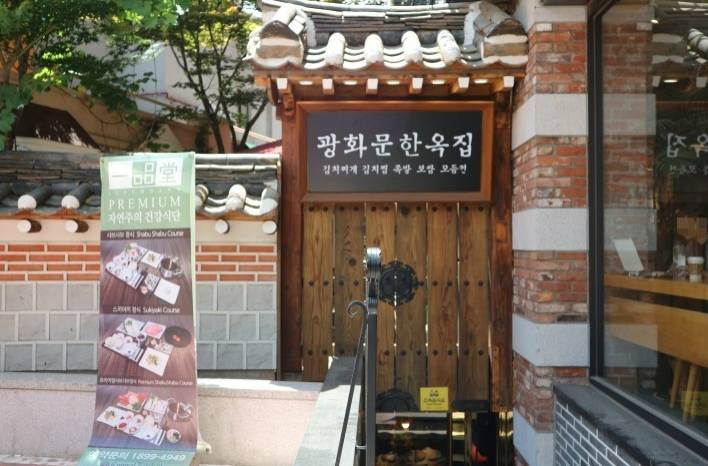
Gwanghwamun Hanokjip (광화문한옥집)
7.7Km 2024-10-15
7, Saemunanro5ga-gil, Jongro-gu, Seoul
+82-2-731-2500
A store with rooms reproducing a traditional kitchen. The best menu at this restaurant is napa wraps with pork. This is a Korean cuisine located in Gwanghwamun Gate, Seoul.
![TUBAn [Tax Refund Shop] (주식회사 투바앤)](http://tong.visitkorea.or.kr/cms/resource/47/2890647_image2_1.jpg)
TUBAn [Tax Refund Shop] (주식회사 투바앤)
7.7Km 2024-04-23
1955, Goyang-daero, Deogyang-gu, Goyang-si, Gyeonggi-do
-
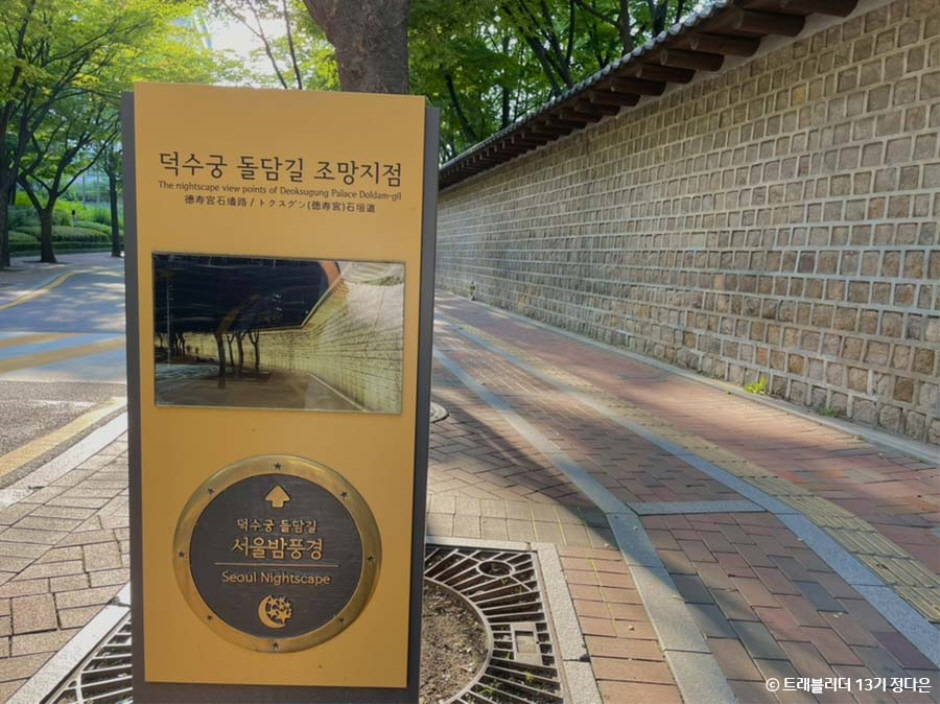
Jeongdong-gil Road (정동길)
7.7Km 2024-06-19
2-1 Jeongdong-gil, Jung-gu, Seoul
Jeongdong-gil Road is one of Seoul's most famous walking paths, stretching from the intersection in front of Jeongdong Church to Saemunan-gil Road. The street holds importance in Korea's modern history, with the surroundings serving as a living museum of this. During the Joseon dynasty, the area developed into a residental space for distant members of the royal family, with a palace and royal tombs in the area. In 1999, the pedestrian walking area was expanded by turning the two-way road into a one-way road. Since then, the road has earned many awards and honors.
 English
 한국어
한국어 日本語
日本語 中文(简体)
 Deutsch
 Français
 Español
 Русский


