
Anyang Art Park (안양예술공원)
16.3Km 2025-10-23
7 Yesulgongwon-ro 131beon-gil, Manan-gu, Anyang-si, Gyeonggi-do
Anyang Art Park, formerly known as Anyang Recreational Park, is an easily accessible, well-maintained cultural space. It has been revitalized with updated features such as artificial waterfalls, an outdoor stage, a plaza, walking paths, and enhanced lighting facilities. The park promotes art projects by displaying 50 artworks from renowned Korean and international artists throughout various locations. Nearby, visitors can explore additional local attractions including hiking trails through dense forests, traditional temples such as Anyangsa Temple and Yeomburam Hermitage, the treasure-designated Flagpole Supports at Jungchosa Temple Site, and the Kimchungup Architecture Museum, all of which contribute to a rich area experience.
Baegunhosu Lake (백운호수)
16.4Km 2023-09-05
526 , Baegun-ro, Uiwang-si, Gyeonggi-do
Baegunhosu Lake is an artificial lake that was completed in 1953. The lake is surrounded by mountains made up of Cheonggyesan Mountain in the northeast, Baegunsan Mountain in the southeast, and Moraksan Mountain in the west. The lake encompasses an area of 363,638 m². This lake was originally built to provide irrigation for nearby farmlands but it became a public recreational space due to its scenic landscape, fresh air, and spacious lot perfect for parking. Visitors to Beagunhosu Lake can enjoy music at a live cafe or water activities such as motor boating, as well as delicious foods from nearby restaurants.
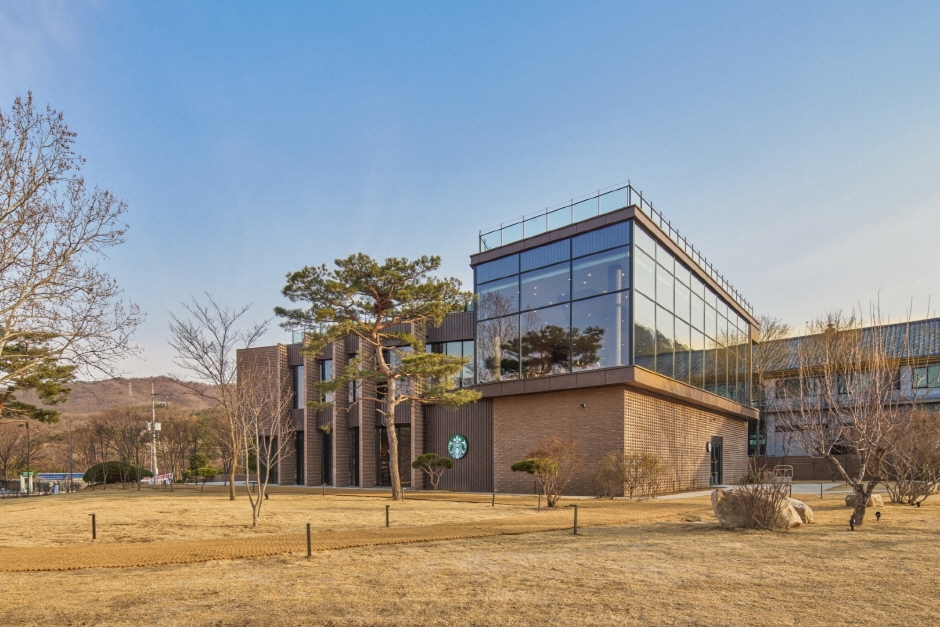
Starbucks Buckhansan (스타벅스 더북한산)
16.6Km 2024-12-27
24-11 Daeseomun-gil, Eunpyeong-gu, Seoul
'"The" store, panoramic view of Bukhansan Mountain and garden
Starbucks Bukhansan is the third Destination Store by Starbucks. It features a “Healing in Nature” concept that beautifully combines the natural beauty of Bukhansan Mountain with various landscape spaces and offers breathtaking views of Bukhansan Mountain.
Starbucks Bukhansan store is currently the most loved and trending place in Korea, and it ranked first in the “2023 Best Restaurants Voted by Locals VS Foreigners” list announced by the Korea Tourism Organization.
Starbucks Bukhansan proudly offers the store's exclusive Bukhansan Lemon Earl Grey Blended beverage, and Crafted Food available only at some Starbucks stores. There is a photo zone on the 3F rooftop to take memorable pictures. These are the reasons why many customers consider it one of the top locations to have a special Starbucks experience.
PRAUM Musical Instrument Museum (프라움악기박물관)
16.9Km 2024-02-21
756 Gyeonggang-ro, Wabu-eup, Namyangju-si, Gyeonggi-do
PRAUM Musical Instrument Museum is designed in a European style, featuring high arches and balconies. It showcases the history of music and displays various musical instruments from around the world. Visitors have the unique opportunity to play some of these instruments and listen to their sounds. Additionally, the museum hosts regular musical concerts every Wednesday.
Bundang Jesaeng Hospital (대진의료재단 분당제생병원)
16.9Km 2025-10-23
4th Floor, New Building, 20 Seohyeon-ro 180beon-gil, Bundang-gu, Seongnam-si, Gyeonggi-do
The best medical staff, providing high quality medical services, put the utmost effort to offer comfortable
and safe medical services for foreign patients. Furthermore, by providing integrated healthcare consultation
services, diagnosis, examination, treatment through the cooperation of medical staff and professionals of
diverse medical backgrounds with over 10 years of experience, we actualize the one-stop medical service.
Additionally, we built smart systems as well as a state-of-the-art equipment through cooperative treatment
and coordination by diseases for patient centered and tailored treatments.
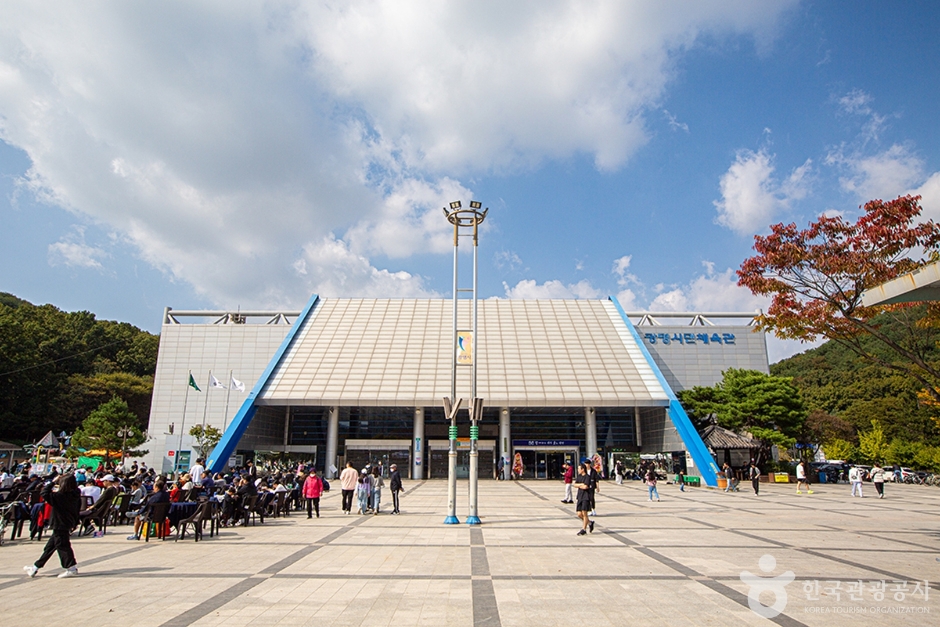
Gwangmyeong Indoor Gymnasium (광명시민체육관)
17.0Km 2024-02-20
703 Ori-ro, Gwangmyeong-si, Gyeonggi-do
Gwangmyeong Indoor Gymnasium is a stadium equipped with seating for 3,000 spectators. It houses facilities for physical training, including golf, fitness, and table tennis. The spacious and vibrant lawn plaza immediately draws attention. This complex includes an open art hall for performances, sports facilities like an inline bicycle track and basketball courts, and amenities such as a children's playground and an outdoor water play area. Additionally, it features a 16-meter-high artificial rock-climbing wall.
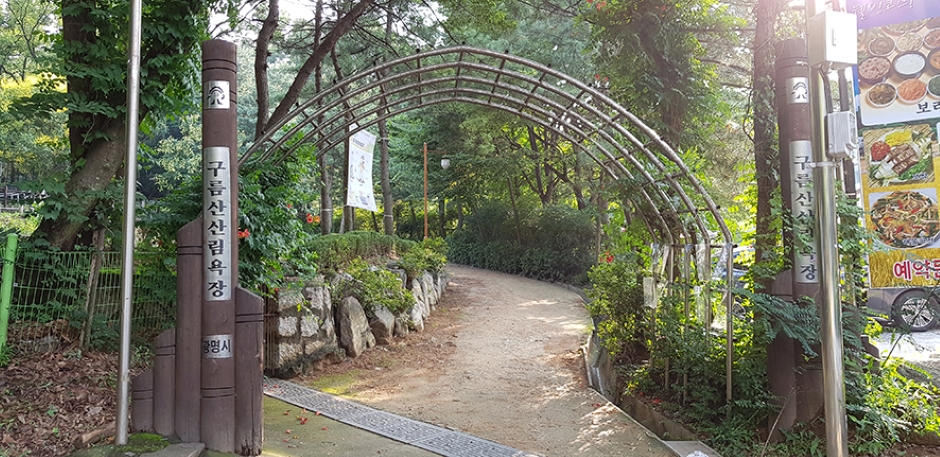
Gureumsan Forest Park (Gureumsan Urban Forest Park) (구름산 산림욕장 (구름산 도시자연공원) )
17.0Km 2024-04-08
27 Ori-ro 619beon-gil, Gwangmyeong-si, Gyeonggi-do
Gureumsan Forest Park is densely populated with trees that are 20 meters high. The forest park has a playground and wooden benches, and has the highest phytoncide concentration out of all the 13 forest parks in Gyeonggi-do. This hiking trail has been developed with 356 fir trees and an 184-meter red clay trail to provide citizens and tourists with a relaxing barefoot walking experience. Most of the forest paths in the park area are covered in wood chips, making it easier to walk.
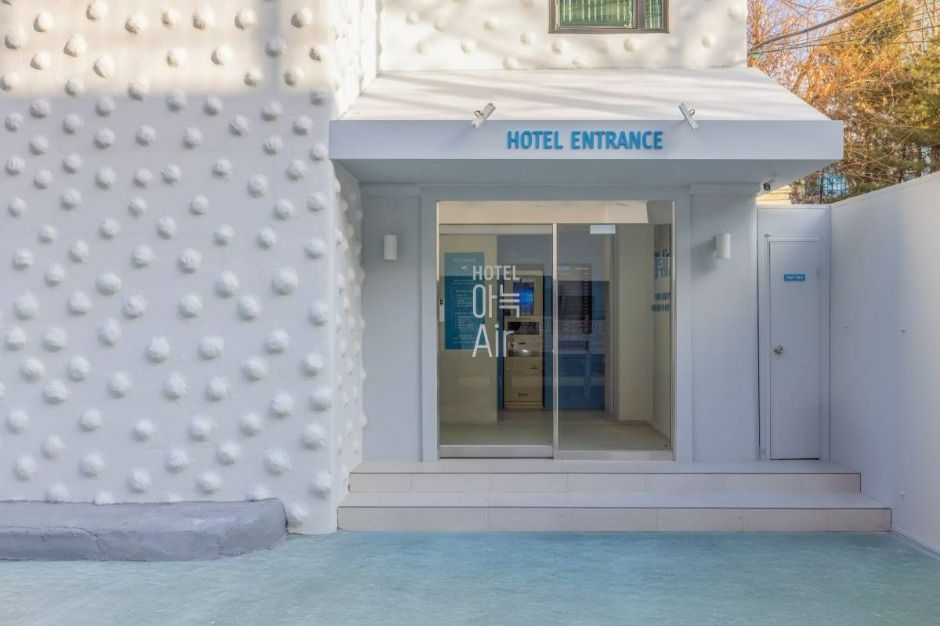
Aank Air Hotel Gaebong (아늑에어 호텔 개봉점)
17.1Km 2025-08-18
38-12 Nambusunhwan-ro 95-gil, Guro-gu, Seoul
Aank Air Hotel Gaebong is located 2 minute's walking distance from Gaebong Station, making it a convenient location for guests who opt to use the subway for traveling in Seoul. The hotel takes cleanliness and comfort seriously, making sure the guests enjoy their experience during their stay. The hotel offers a basic standard room type for comfort and a movie room for entertainment, each carefully curated to meet guests' needs and interests.
Geomdansan Mountain (검단산)
17.1Km 2021-08-17
Cheonhyeong-dong, Hanam-si, Gyeonggi-do
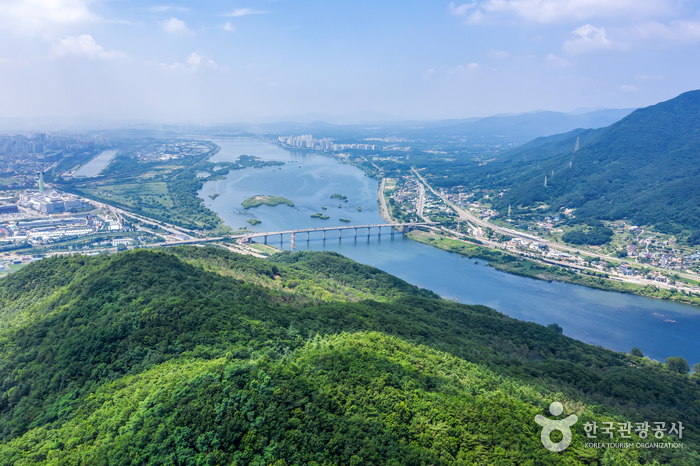
Geomdansan Mountain (alt. 657 m) is one of the major mountains in Hanam. During the Baekje period, it was a sacred mountain where the kings would offer ceremonial services to the gods. From the summit, one can get a great view of Yangsuri, where the Namhangang River and Bukhangang River meet, as well as Hanam, Seoul, Yangpyeong, and Paldangho Lake area.
Due to its proximity to the Seoul Metropolitan Area, it is a popular day trip course. Getting there is easy and the hiking trails, which are not too difficult, are well maintained. From the summit, one can get a great view of Bukhansan Mountain and Dobongsan Mountain in the distance. Hikers can also see Paldang Dam to the east, Yongmasan Mountain to the south, and the Jungbu Expressway to the west.
Korea Job World (한국잡월드)
17.4Km 2024-02-19
501 Bundangsuseo-ro, Bundang-gu, Seongnam-si, Gyeonggi-do
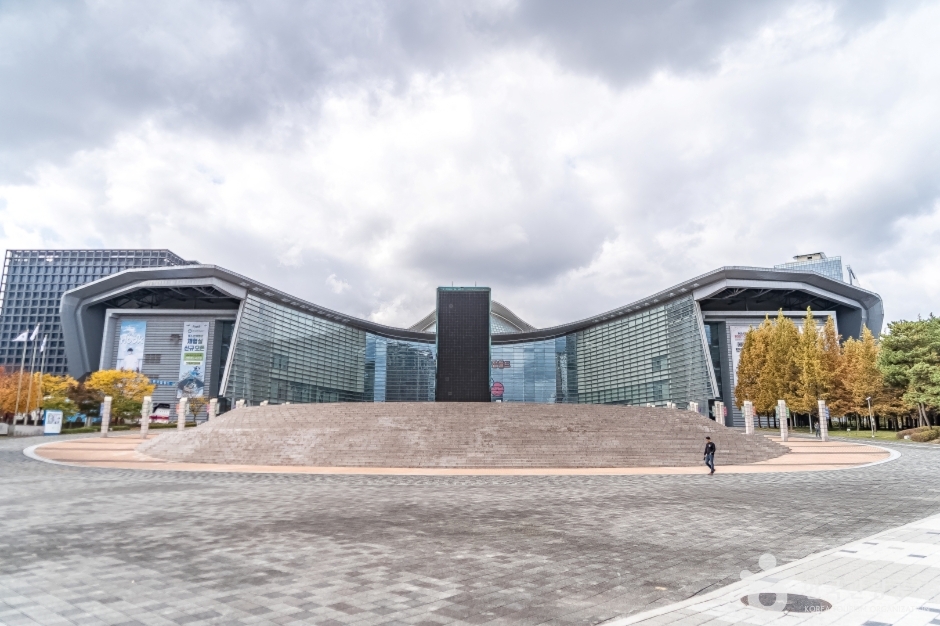
Korea Job World is a comprehensive exhibition and experience center designed to foster a healthy understanding of careers and career exploration for children, adolescents, and young adults. Its facilities include the children's experience center, youth experience center, career design center, and skill experience center. These provide diverse career and skill experiences, opportunities for talent exploration, and career guidance lectures.
 English
 한국어
한국어 日本語
日本語 中文(简体)
 Deutsch
 Français
 Español
 Русский


