
Jogyesa Temple (조계사(서울))
11.5Km 2024-10-25
55 Ujeongguk-ro, Jongno-gu, Seoul
As the main temple as well as the district head temple of the Jogye order in Seoul, Jogyesa Temple is the center of Korean Buddhism. The temple was built in the late 14th century during the Goryeo period but was completely destroyed in a fire. It was rebuilt under the name of Gakwangsa Temple in 1910 with the effort of many respectful monks, namely Han Yong-un and Lee Hee-gwang. The temple was given a role as the head temple of Korea’s Buddhism and renamed to Tegosa Temple in 1936. In 1954, a purification drive took place to eliminate Japanese influence and revive traditional Buddhism, which established the present day Jogyesa Temple as a result.
Jogyesa Temple plays an important role in Korean Buddhism as the head temple of the Jogye order. Jogyesa Temple’s Dharma Hall serves as the main venue for several Buddhist events, holding rituals, lectures, ceremonies, and other events all year long. The annual lantern festival in celebration of Buddha's birthday also takes place at this temple.
Nakseonjae Hall (낙선재)
11.5Km 2021-09-30
99, Yulgok-ro, Jongno-gu, Seoul
+82-2-2148-1822
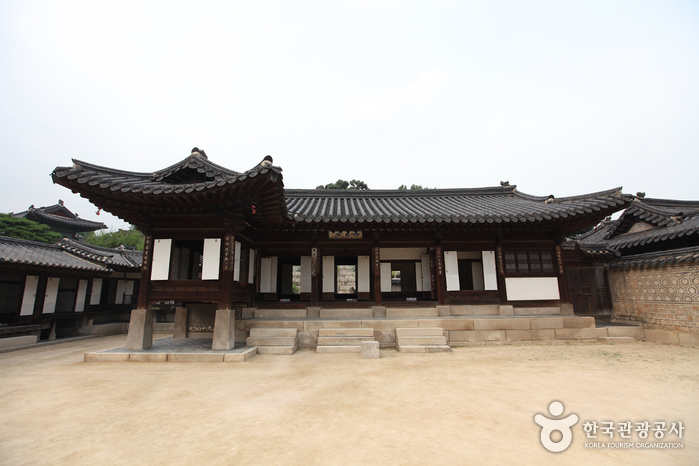
Located inside Changdeokgung Palace, Nakseonjae Hall is a one-story structure built in ikgong style (bird wing-shaped eaves placed on top of the pillars) with a hip tiled and gable roof. It has 6 kan in the front and 2 kan (traditional unit of measurement of the space between pillars) to the sides. It originally belonged to the nearby Changgyeonggung Palace, but came to be considered a part of Changdeokgung Palace in more recent years.
The hall was constructed in 1846 (12th year of King Heonjong’s reign) and it is collectively called Nakseonjae together with the adjacent Seokbokheon Hall and Sugangjae Hall.
Behind the building is a flower garden made of stacked large stones. The chimney, the flowers, and the oddly shaped stones harmoniously blend into one another to create an outstanding landscape gardening.
Mosim (모심)
11.5Km 2025-05-20
8 Gaeunsa-gil, Seongbuk-gu, Seoul
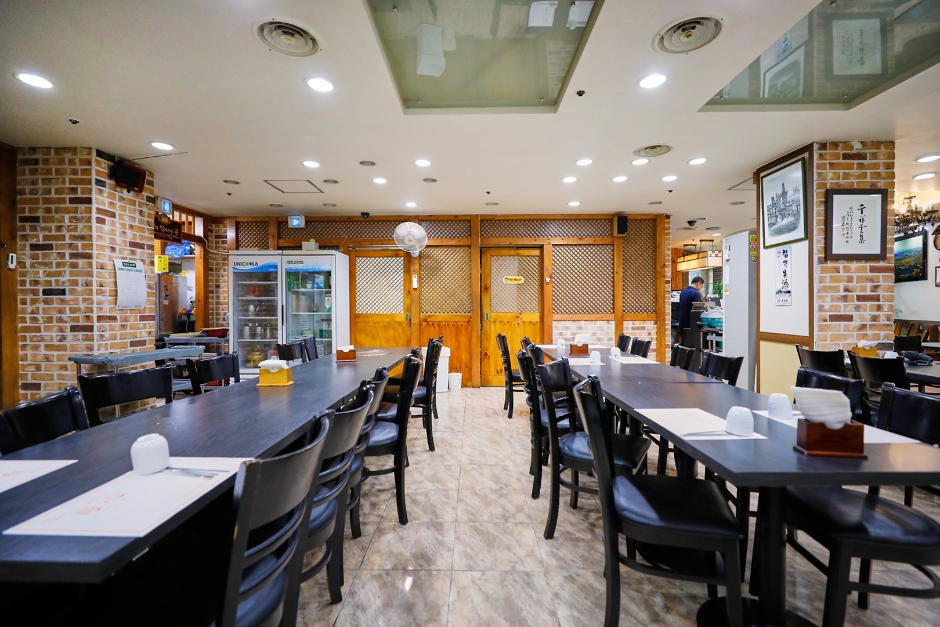
Mosim is a Korean table d’hote restaurant that offers a variety of menus to choose from depending on the kind of dishes and the number of side dishes. The set menu, which includes main dishes, such as hwangtae gui (grilled dried pollack) and galbitang (galbi soup), and side dishes, such as salad, japchae, and seasoned vegetables, is plentiful in amount and variety enough to fill the table. There are menu items that can be enjoyed individually, such as samgyetang, bibimbap, and yukgaejang (spicy beef soup). The restaurant’s menu comprises nutritious dishes that soothe one's tired mind and body. The restaurant has private rooms that can accommodate 4, 8, 12, 16, 20, 24, and 30 people, so it is a good option for guests seeking a quiet meal with the family or group gatherings.
Jeongdong Guksi (정동국시)
11.5Km 2024-06-19
5 Jeongdong-gil, Jung-gu, Seoul
02-732-0114
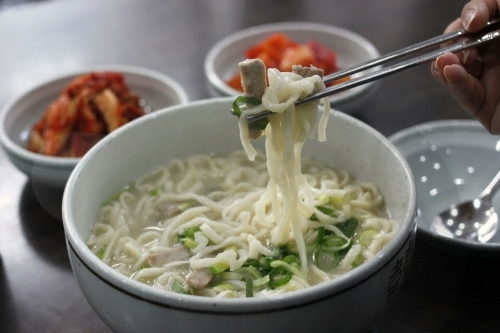
Jeongdong Guksi features a rich soup with a clean taste, created by carefully removing the oil dozens of times while boiling Korean beef bones for 15 hours. The restaurant uses this same beef bone broth in their mandutguk (dumpling soup), something not many restaurants do. The rich flavor of the broth combined with the soft dumplings, made in-house daily, is a must-try. The restaurant is also surrounded by many cultural and artistic spaces, making it a great addition to tours in the area.
KT Square (KT스퀘어)
11.5Km 2021-07-08
178, Sejong-daero, Jongno-gu, Seoul
+82-1577-5599
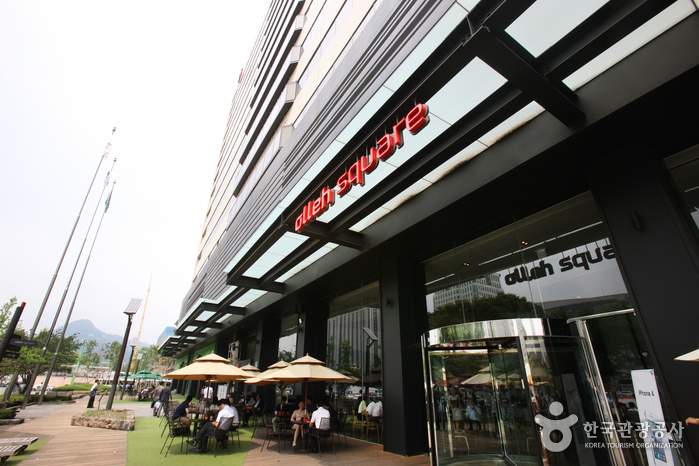
KT Square is a multi-complex that offers various cultural performances as well as hands-on experiences of the latest in IT technology. Gallery 130 showcases the history of KT Corp.
Gwanghwamun Market (광화문 마켓)
11.5Km 2025-12-05
B172 Sejong-daero, Jongno-gu, Seoul
+82-2-337-3692
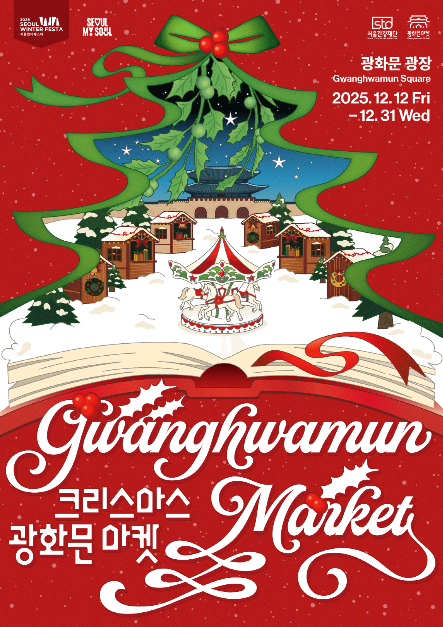
Gwanghwamun Market takes place along with the Seoul Lantern Festival to support local small businesses and promote Seoul night tourism. The market features local store owners and businesses that exhibit and sell seasonal decor, handcrafted items, and winter snacks.
Kumho Art Hall (금호아트홀)
11.5Km 2021-05-28
76, Saemunan-ro, Jongno-gu, Seoul
+82-2-6303-1977
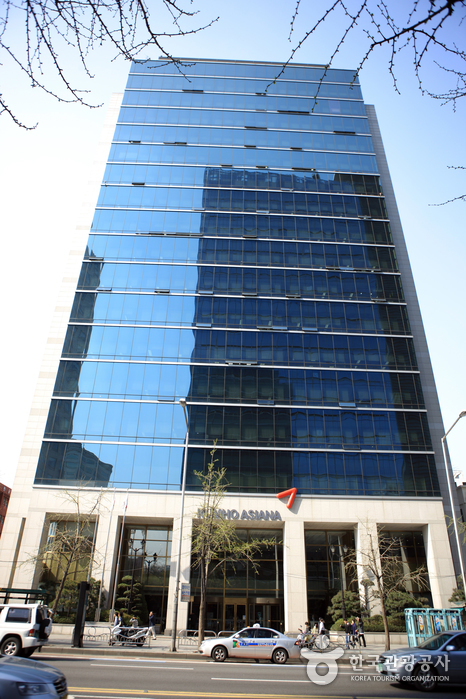
Kumho Art Hall was built in 2000 exclusively for classical music concerts, with 390 seats, the perfect structure for chamber concerts. All seats are recital hall chairs and the wide spacing between rows of chairs helps the audience to have a pleasant time. Upon entering the theater, all cell phones will turn off automatically. This helps all visitors to enjoy the concert without being interrupted by ringing cell phones. The interior is cozy and luxurious, and the stage is made of maple.
 English
 한국어
한국어 日本語
日本語 中文(简体)
 Deutsch
 Français
 Español
 Русский


