
Boan1942 (보안1942)
8.9Km 2023-08-17
33 , Hyoja-ro, Jongno-gu, Seoul
Prior to becoming an art space in 2007, Tongui-dong Boan served as a place for rest for travelers from 1942 to 2005. After a short suspension, the place was renovated into a cultural space in 2017 to carry on the historical legacy and provide creative inspiration under the concept of "Boanstay."
Boan1942 is divided into a cultural space consisting of a cafe, project workshop, book shop, and exhibition area, and Boanstay on the 3rd and 4th floors that offer temporary lodging services to the cultural nomads. Located in Seochon, the center of culture, history, and convenient traffic in Seoul, Boanstay offers a splendid view of Seoul's historical and cultural assets such as Gyeongbokgung Palace, Cheong Wa Dae, and Seochon Hanok Village.
<Credit: Boanstay>
![Lunette Eyewear - Mapo Branch [Tax Refund Shop] (루네뜨안경 마포)](http://tong.visitkorea.or.kr/cms/resource/84/2878384_image2_1.jpg)
Lunette Eyewear - Mapo Branch [Tax Refund Shop] (루네뜨안경 마포)
8.9Km 2024-04-17
1F, 24, Dohwa-gil, Mapo-gu, Seoul
-
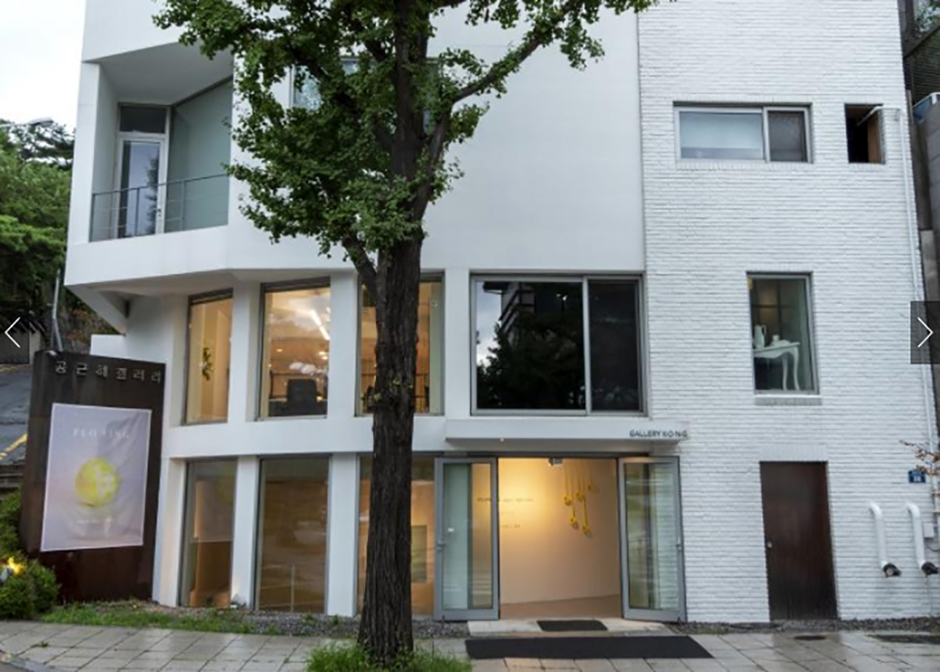
K.O.N.G Gallery (공근혜갤러리)
8.9Km 2025-10-28
38 Samcheong-ro 7-gil, Jongno-gu, Seoul (Samcheong-dong)
Since its opening in 2005, the gallery has made a significant impact on the Korean photography scene by introducing world-class photographers to Korea. It relocated to its present site next to the Cheongwadae, Samcheong-dong, in 2010, adding spaces for painting, sculpture, video, installation, and other forms of contemporary art. The gallery focuses on artists based in Paris, London, and New York, presenting works that represent the current state of contemporary art in the 21st century. It also plays a vital role as a Korean gallery by discovering young Korean artists and supporting their overseas activities.
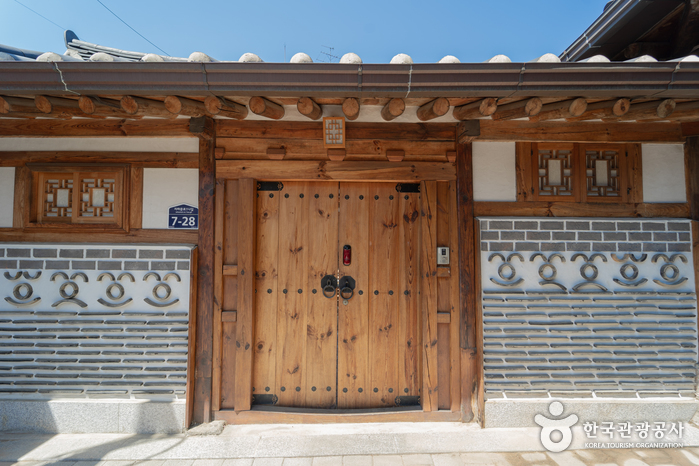
Seoul Hanok Stay (JNP Stay) (서울한옥스테이(jnpstay))
8.9Km 2024-10-30
7-28 , Jahamun-ro 1na-gil, Jongno-gu, Seoul
+82-10-5720-6800
Seoul Hanok Stay (JNP Stay) is a private hanok stay located 3 minutes' walking distance from Gyeongbokgung Station. You can play traditional Korean games such as jejichagi (hacky sack), yut nori (board game), and tuho (arrow-throwing) in the yard, and cooking barbecue adds to the charm of the hanok. From the yard, you can enjoy the sky view, feel the gentle breeze, and observe raindrops falling from the eaves.
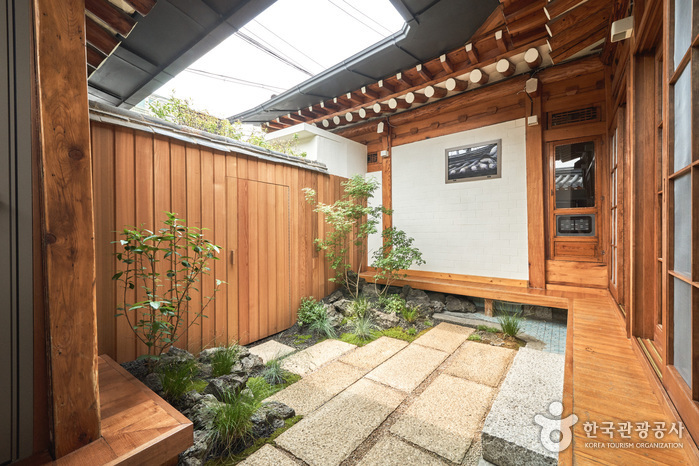
STAY dayoff (스테이 데이 오프)
8.9Km 2024-12-23
6 , Jahamun-ro 1da-gil, Jongno-gu, Seoul
+82-504-0904-2406
Stay Day Off is a hanok stay just off Jahamun-no - known locally as ‘Food Street’ - in Seochon Village to the west of Gyeongbokgung Palace in Seoul. It’s a 5-minute walk from Gyeongbokgung Station on Subway Line 3, so transport access is good. The main building comprises two bedrooms with queen-size bed, a living room and kitchen, and two bathrooms. The annex building is rather special: it has a bath and sauna behind a window wall with a fine view of the hanok garden. There’s a 10% discount for guests staying more than two nights during the week.
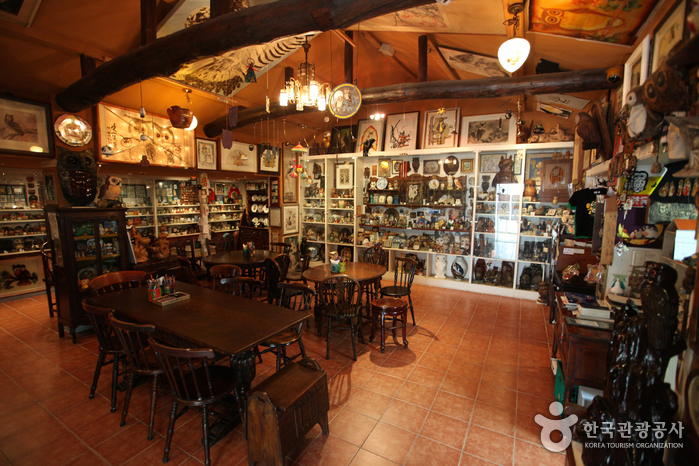
Owl Museum (부엉이박물관)
9.0Km 2022-09-19
143, Bukchon-ro, Jongno-gu, Seoul
+82-2-3210-2902
The Owl Museum is filled with over 2,000 pieces of owl-themed arts and crafts collected from all over the world by the owner. Renovated from a house, the museum has a feel of an antique café as the owner offers a cup of coffee or tea to visitors. Located near the city, those interested in owls should stop for a view and a drink. Various stories of how the collection was gathered as well as information on owls are also interesting.
Seongbuk-dong–Bukchon Hanok Village Course (성북동고택북촌산책길)
9.0Km 2025-11-06
68, Seonjam-ro 5-gil, Seongbuk-gu, Seoul
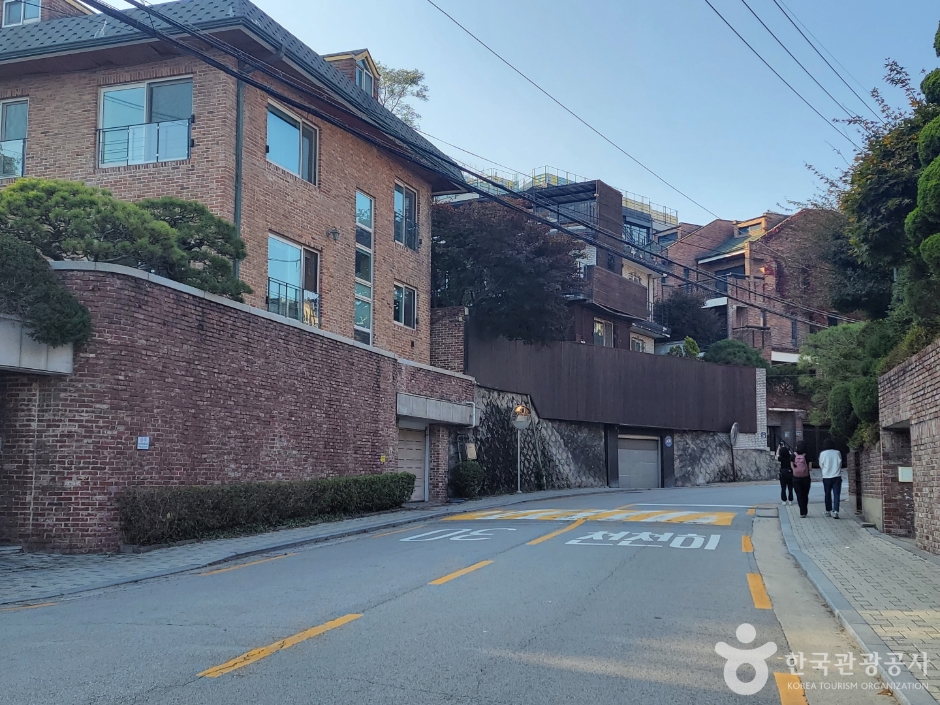
The Seongbuk-dong–Bukchon Hanok Village Course is a nostalgic path connecting famous old houses in Seongbuk-dong and Bukchon Hanok Village, divided by the old city walls. Along the way, you'll find historic sites like Gilsangsa Temple, Jeongbeopsa Temple, Han Yong-un’s Simujang House, and novelist Lee Tae-jun's House. The trail also features charming cultural spots, such as the traditional tea house Sooyeon Sanbang and the Seongbuk Museum of Art.
◎ Travel information to meet Hallyu’s charm - "Parasite"
The scene in the alley where Ki-woo visited Mr. Park's house in a wealthy neighborhood for expensive tutoring was filmed in a residential area in Seongbuk-dong. Seongbuk-dong, an old wealthy village, has luxury mansions lined up in. There are many pretty cafés and galleries here and there, so it's good to take a leisurely look around. Mr. Park's house was a filming set, which was demolished after filming.
Samcheong Park (삼청공원)
9.0Km 2024-03-18
44, Insadong-gil, Jongno-gu, Seoul
+82-2-2148-4150
Samcheong Park is a park that blooms in cherry blossoms in spring and fall colors in fall near Gyeongbokgung Palace. The park is home to a forest library and a café, and visitors can follow the trails to find acupressure trails, exercise equipment, badminton court, tennis court, playground, and a convenience store. The area surrounding the park is home to many galleries and restaurants, so it is a popular destination for walking among the people of Seoul.
Seoul Sajik Park (사직공원(서울))
9.0Km 2021-11-12
89, Sajik-ro, Jongno-gu, Seoul
+82-2-2148-4149
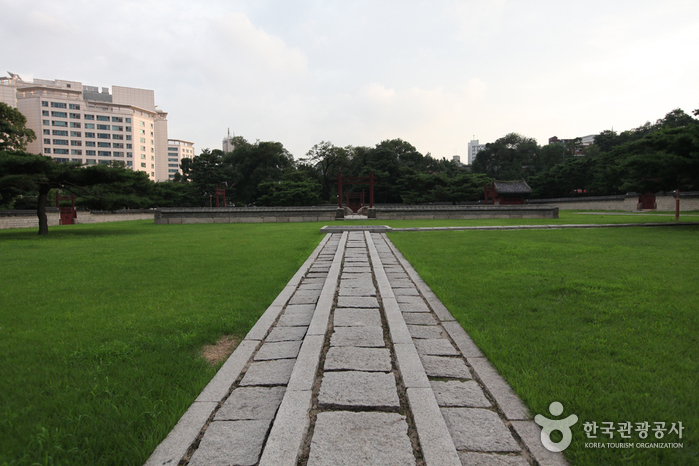
Sajik Park is one of the three most popular parks in Jongno-gu along with Tapgol Park and Samcheong Park. Located west of the Government Complex-Seoul on the southeastern foothills of Inwangsan Mountain, the park measures an impressive 188,710 m².
The name of the park dates back to 1395 when Taejo Yi Sung-gye made Sajik Altar (altar to the State deities) at the center of the park. "Sa" refers to the deity of the earth while "jik" refers to the deity of the five grains. Rites wishing for a good harvest were held regularly at Sajik Altar.
In the park are several playgrounds, statues of Sin Saimdang, Hwanghakjeong, and Yulkog Yi I, and the Municipal Children's Library. Dangun Shrine and Jongno Library are situated nearby. By following the path next to Sajik Park for approximately 5 minutes, travelers can reach the Inwangsan hiking path with relative ease.
Bukjeong Village (북정마을)
9.1Km 2024-02-15
132-3 Seongbuk-ro 23-gil, Seongbuk-gu, Seoul
Bukjeong Village, situated along the slopes of Seongbuk-dong, offers a glimpse into Korea's old alleyways. The village expanded as refugees from the Korean War (1950–1953) and people from various regions settled, building houses under the collapsed walls of Hanyang doseong (Seoul City Wall). Presently, the village is home to young artists, and the broad street in front of the village bus stop hosts various community events.
 English
 한국어
한국어 日本語
日本語 中文(简体)
 Deutsch
 Français
 Español
 Русский


