
Namsan Cable Car (남산 케이블카)
6.6Km 2024-10-25
83 Sopa-ro, Jung-gu, Seoul
+82-2-753-2403
Namsan Cable Car provides a panoramic view of downtown Seoul. The cable car has been in operation for over 40 years, taking tourists and residents alike to Namsan Seoul Tower, one of the most representative tourist attractions in the city.
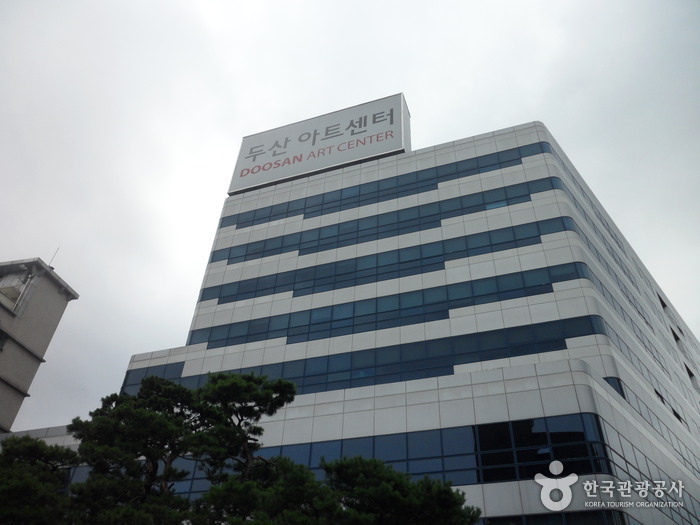
Doosan Art Center (두산아트센터)
6.6Km 2021-11-01
15, Jong-ro 33-gil, Jongno-gu, Seoul
+82-2-708-5001
Doosan Art Center, which opened on October 1, 2007, is structured around three different spaces: The Yonkang Hall, exclusively designed for musical performances, Space 111, a “space for art incubation,” and the Doosan Gallery, built for installations.
The Yongang Hall, a theater with 620-person seating capacity, has specially designed lightings and a world-class audio-visual system to provide a second-to-none sensory experience.
Space 111 can accommodate a broad range of performing arts, from theater and dance to film and music concerts. The Doosan Gallery is open to the public, and art exhibitions and performances here can be enjoyed free of charge.
All three theaters include spacious lobbies with handicapped access, designated seating for parents with infants, and meeting areas. Rest rooms are also available nearby, in order to avoid long queues and long walks during intermission.
Euljiro Nogari Alley (을지로 노가리골목)
6.7Km 2025-11-06
Eulji-ro 129, Jung-gu, Seoul
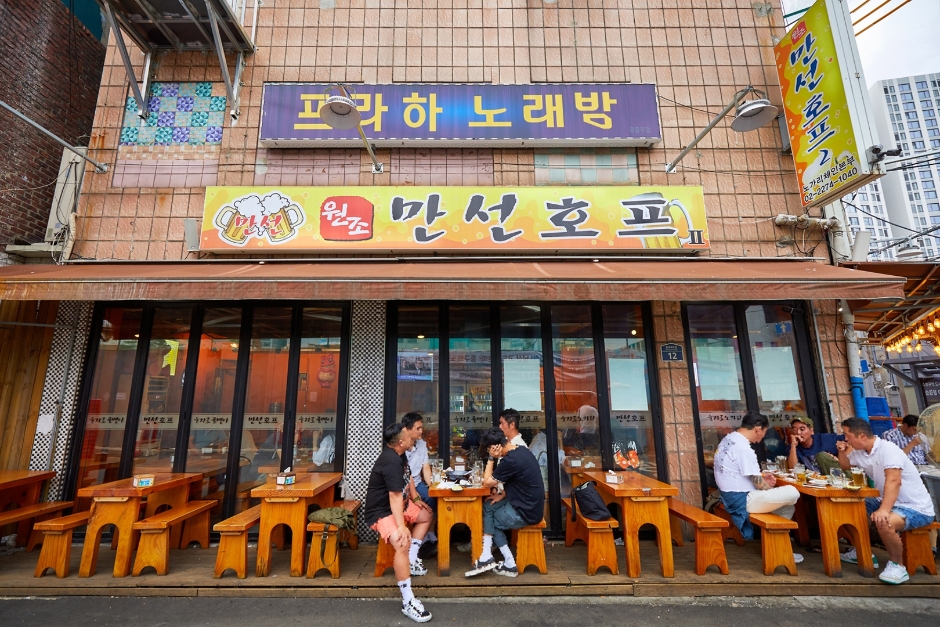
Going out of Exit 3 of Euljiro 3-ga Station on Seoul Metro Line 3 and turning to the alley, you will find many pubs selling Nogari/Dried Young Pollack (Korean people grill and dip it in red pepper paste to eat as a side dish with alcohol) and restaurants specializing in Golbaengi/Sea Snails (It is a kind of conch shell, and Korea people made it a seasoned dish and enjoy it with Somyeon/Thin Noodles or use it as a bar sack). People gather in small groups at every outdoor table and sit in every alley to enjoy beer and snacks on weekday evenings and weekends, so it isn't easy to find a seat.
Originally, this area was lined with various company buildings and shops selling tools. However, in 1980, the pub 'Eulji OB Bear' opened, and as similar pubs opened nearby, it naturally came to be called 'Euljiro Nogari Alley.' As the affordable prices of snacks and beer attracted nearby office workers and college students, it has become increasingly popular, leading to its current status.
Here, along with a cold draft beer, let's try the K-snacks only available in Korea, such as Nogari/Dried Young Pollack and Golbaengi/Sea Snails. In addition, snacks such as chicken and fried dishes are also available, so try various snacks.
Myeong-dong Ttungttungi Jokbal (명동뚱뚱이족발)
6.7Km 2024-10-15
9, Toegye-ro, 20-gil, Jung-gu, Seoul
+82-2-778-8998
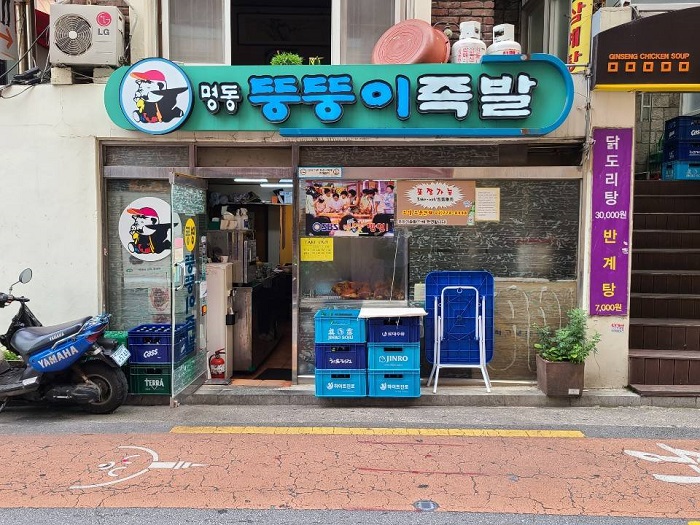
One of the old restaurants in Myeong-dong featured in Korean gourmet programs. This Korean dishes restaurant is located in Jung-gu, Seoul. The most famous menu is braised pigs' feet.
Chojun Textile & Quilt Art Museum (초전섬유ㆍ퀼트박물관)
6.7Km 2024-03-06
29, Toegye-ro 16-gil, Jung-gu, Seoul
+82-2-753-4074~5
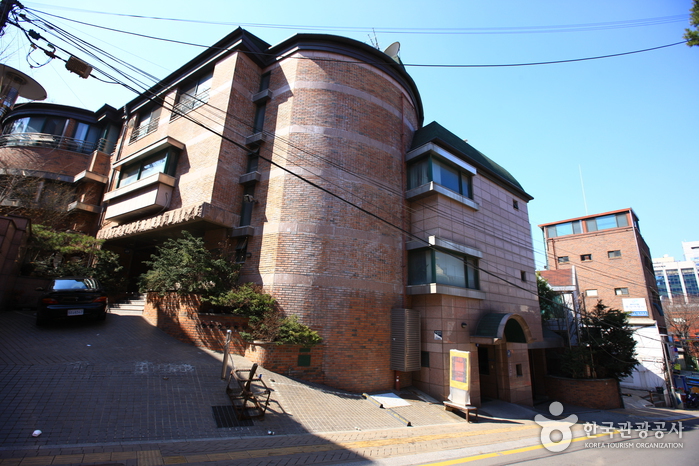
Opened in 1998, Chojun Textile & Quilt Art Museum is the only textile art museum in Korea. Visiotrs can learn about the excellence and tradition of Korean textiles by observing a wide range of domestic and international textile artworks. In addition to exhibiting its collection, the museum also holds special exhibitions as well as textile and quilt competitions, giving visitors the opportunity to get up close and personal with textile artworks.
Yongma Falls Park (용마폭포공원)
6.7Km 2024-02-20
250-12 Yongmasan-ro, Jungnang-gu, Seoul
Yongma Falls Park is situated on the mid-slope of Yongmasan Mountain, established following the closure of an aggregate collection plant. The park showcases three artificial waterfalls: Cheongnyongpokpo Falls, Baengmapokpo Falls, and Yongmapokpo Falls. Each waterfall comprises two tiers, with x_heights ranging from 21m to 51.4m. The park is equipped with various amenities, including ponds, tennis courts, soccer fields, a wildflower garden, walking trails, and a barefoot walking trail.
Ahn Junggeun Memorial Museum (안중근의사기념관)
6.7Km 2024-03-06
91, Sowol-ro, Jung-gu, Seoul
82-2-3789-1016
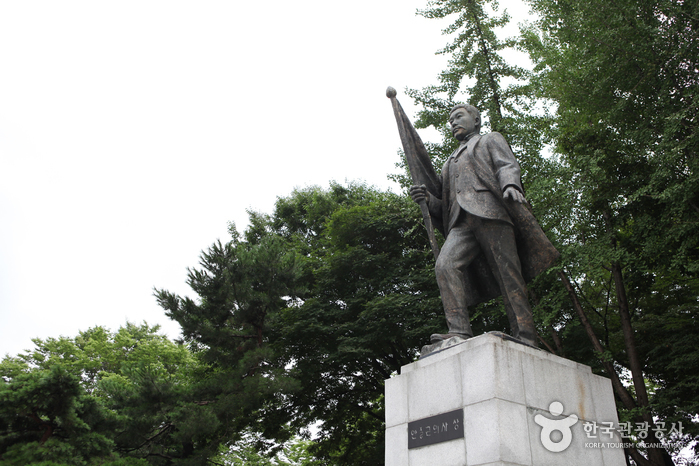
The Ahn Junggeun Memorial Museum honors the memory of Ahn Junggeun (1879-1910), an independence activist and soldier who advocated for Korean independence and peace in Asia. He fought against the Japanese to defend the Korean Empire (1897-1910). He was executed in 1910 for assassinating Hirobumi Ito, the Japanese who led the invasion of Korea in 1909, in Harbin, China.
Pungnap-dong Toseong Fortress (서울 풍납동 토성)
6.7Km 2025-01-10
Pungnap-dong, Songpa-gu, Seoul
+82-2-2147-2800
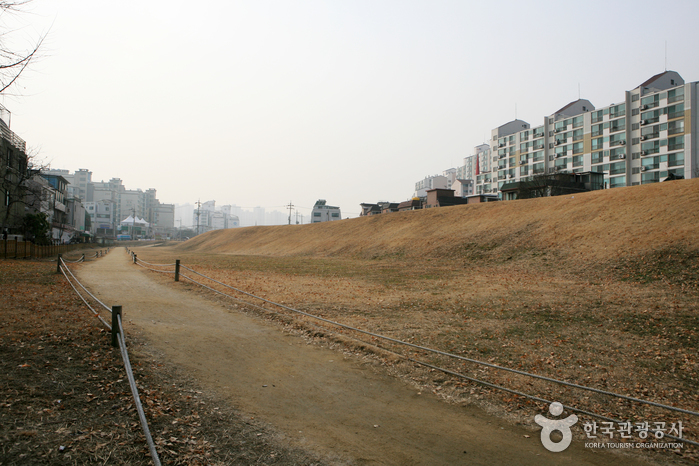
Onjo, the progenitor of Kingdom Baekje, first settled in Wiryeseong Hanam. But exact location is still unknown. One thing for sure, however, is that Pungnaptoseong Fortress, Mongchontoseong Fortress, Bangidong Ancient Tombs of Baekje, Seokchondong Stone Mound Tomb of Early Baekje are the remains of Baekje. Pungnaptoseong Fortress faces Hangang River to its west and connects to Mongchontoseong Fortress to the south. To the northwest faces Achasanseong Fortress over Hangang River and far to the southeast is Namhansanseong Fortress.
Pungnaptoseong Fortress, located at the south end of Cheonhodaegyo Bridge over Hangang River, is one of the remains of Early Baekje. Originally, the fortress was 4km in circumference, but due to massive overflowing of Hangang River during flood season in 1925, most of the fortress was lost and only 2.7km of it remains. To the east of the fortress are 4 vestiges of the fortress gates. The remains from the prehistoric era through the Samguk (Three States) era have been unearthed, indicating that this place was a residential area well before the Baekje Era. Through vigorous excavation, some people suggest that there used to be a palace located here during the Baekje Era.

Olympic Park (올림픽공원)
6.7Km 2023-10-19
424 Olympic-ro, Songpa-gu, Seoul
+82-2-410-1114
Olympic Park is an impressive leisure facility in which historic remains from the Baekje era share space with modern, state-of-the-art sports stadiums, an eco-friendly forest, and spacious grass fields. The legacy of the 1988 Seoul Olympics, the park not only houses the country’s largest sports arena, but has also become a place where Seoul residents come to relax and unwind.
Spread across approximately 1.45 million square meters, Olympic Park encompasses the land that was once Mongchontoseong Fortress and Mongchonhaeja (manmade lake) from the early Baekje period. The park is divided into several zones, including a leisure sports park, a cultural art park, an eco-park, and the History Experience Park dedicated to the area’s rich historic heritage.
Because Olympic Park is so large and takes over three hours to explore, visitors are advised to familiarize themselves with entrances and exits and travel routes before they start. To further save time, visitors can ride the Road Train (“Hodori Train”) located next to Peace Square.
Heidi Haus (하이디하우스)
6.8Km 2025-09-24
11, Seongchon 4-gil, Seocho-gu, Seoul
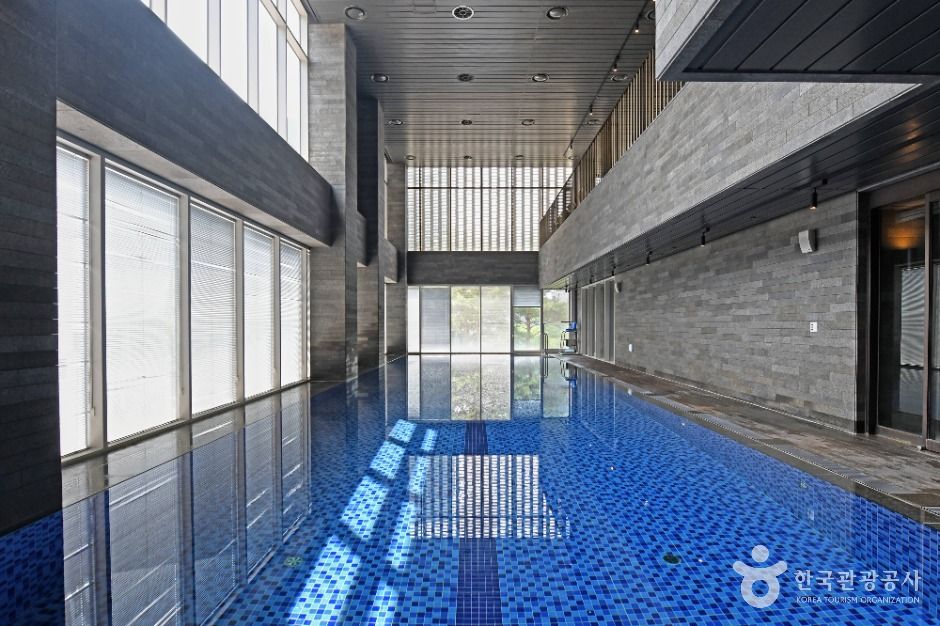
Heidi Haus is a private club that offers a premium wellness and lifestyle in the heart of the city. Its customized programs are designed not only for restoring health but also for achieving peace of mind. With a spa using natural bedrock water, a state-of-the-art fitness center, and restaurants and cafés that guarantee comfortable relaxation, Heidi Haus provides everything for a well-balanced life. The highlight is its spa, themed around 12 motifs such as rose, lavender, and beauty. It uses mineral-rich bedrock water drawn from 1,000 meters underground, which is known to help with skin hydration, blood circulation, fatigue recovery, and immunity strengthening. The spa also features a sauna zone with five distinct styles, including far-infrared, steam, and Finnish saunas.
 English
 한국어
한국어 日本語
日本語 中文(简体)
 Deutsch
 Français
 Español
 Русский


