
Dodeoksan Suspension Bridge (도덕산 출렁다리)
17.8Km 2025-11-06
317-80 Gwangmyeong-dong, Gwangmyeong-si, Gyeonggi-do
Dodeoksan Suspension Bridge is located in Dodeoksan Park, which serves as a resting place and a light hiking course for citizens of Gwangmyeong. Dodeoksan Park has a well-maintained wooden walkway, and the slope is not too steep, so anyone can walk safely there. It is about 400 meters from Dodeoksan Park parking lot to Dodeoksan Suspension Bridge, allowing one to reach the bridge at a leisurely pace on foot. The bridge is in a Y-shape and 82 meters long in total and has an artificial waterfall under the midpoint of the bridge, giving a thrilling yet refreshing experience.
Seongnam Outdoor Theater (성남시 야외공연장)
17.9Km 2024-02-19
550 Seongnam-daero, Bundang-gu, Seongnam-si, Gyeonggi-do
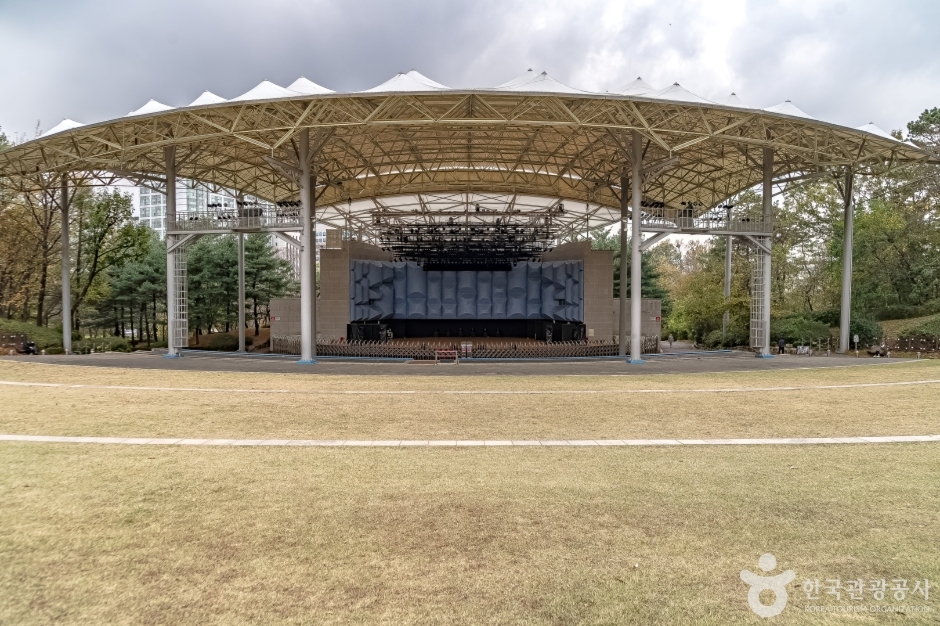
Seongnam Outdoor Theater, situated within the Bundang Jungang Park, offers seating for up to 11,000 visitors, featuring 480 fixed seats and a sprawling 6,600-square-meter grass seating area. Annually hosting concerts, art festivals, exhibitions, and diverse performances, it consistently delights its visitors with high-quality entertainment.
Gaeul Terrace (개울테라스)
17.9Km 2025-01-09
212-5, Namhansanseong-ro, Namhansanseong-myeon, Gwangju-si, Gyeonggi-do
Gaeul terrace is a cozy forest café nestled beside a stream in the valley. Its interior features full-length glass walls, providing panoramic views of the natural scenery throughout all four seasons. A pathway from the café leads directly to the valley. Popular menu items include aromatic Espresso, sweet Ttalgi latte (Strawberry latte), and tender Croffles rich in buttery flavor. The outdoor seating area offers a serene ambiance, complemented by the soothing sound of the flowing water from the nearby stream.
Anyangcheon Stream (안양천)
18.0Km 2025-01-13
Seoksu-ro, Manan-gu, Anyang-si, Gyeonggi-do
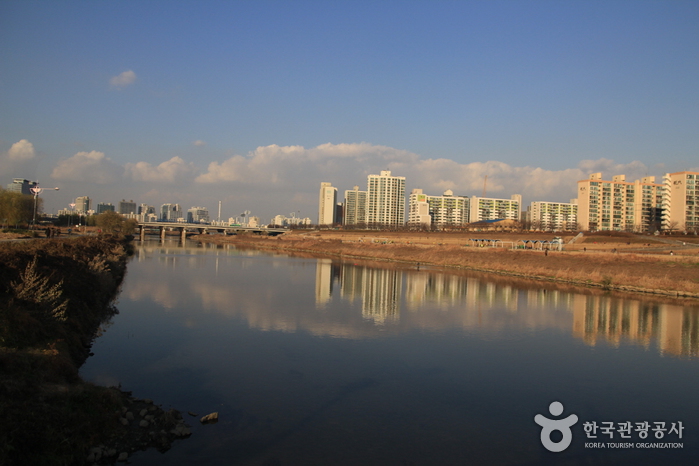
Anyangcheon Stream flows through seven cities in Gyeonggi-do as well as 7 districts of Seoul. The stream starts from the valley, south of Cheonggyesan Mountain, in Uiwang, Gyeonggi-do and flows 35.1 kilometers to the Hanggang River between Yeongdeungpo-gu and Yangcheon-gu. Various types of birds enjoy the stream making it an ecology stream in the middle of the city as well as provide citizens with leisure including bicycle path, bridges, rest area, sports facilities and more.
Heojun Museum (허준박물관)
18.1Km 2021-08-13
87, Heojun-ro, Gangseo-gu, Seoul
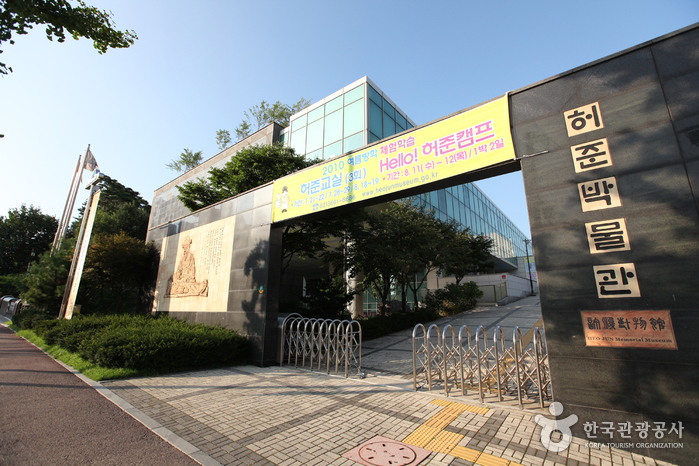
The Heojun Museum opened in honor of the academic accomplishments and charitable deeds of the renowned medical scientist, Heojun of the Joseon dynasty. Located next to Heojun Neighborhood Park, the museum collects and displays Heojun related materials.
Chunghyeon Museum (충현박물관)
18.1Km 2021-08-02
5-6, Ori-ro 347beon-gil, Gwangmyeong-si, Gyeonggi-do
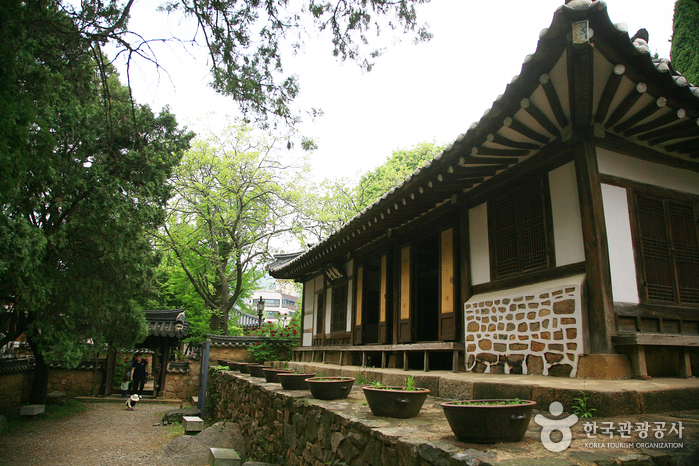
The Chunghyeon Museum preserves the legacy of the respected scholar Ori Lee Wonik. The museum's logo is inspired by the scholar's signature on a letter that he wrote four years before his death, addressed to his son Lee Uijeon, grandson Lee Suyak, and successive descendants. Visitors can see various artifacts and ruins related to Lee Wonik.
Bundang Jeongja-dong Café Street (분당 정자동 카페거리)
18.1Km 2024-02-29
234 Jeongjail-ro, Bundang-gu, Seongnam-si, Gyeonggi-do
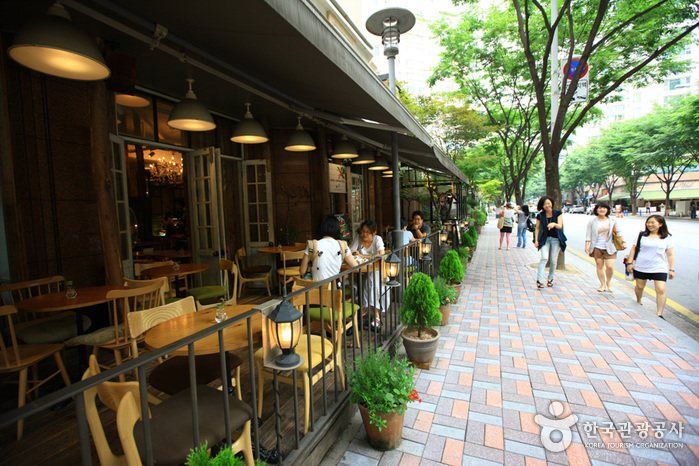
Jeongja-dong Café Street, located in the Geumgok-dong area, boasts 40-50 cafés and restaurants on the ground floor, reminiscent of European street cafés. This street, known for its exotic vibe, attracts visitors who enjoy brunch and reading by day or strolling by night. The nearby Namhansanseong Provincial Park and its scenic valley are also worth exploring.
![[Seoul Trail Course 1] Suraksan · Buramsan Mountain Course ([서울 둘레길 1코스] 수락 · 불암산 코스)](http://tong.visitkorea.or.kr/cms/resource/16/2658216_image2_1.jpg)
[Seoul Trail Course 1] Suraksan · Buramsan Mountain Course ([서울 둘레길 1코스] 수락 · 불암산 코스)
18.3Km 2025-01-06
Junggye-dong, Nowon-gu, Seoul, Republic of Korea
Seoul Trail is a walking trail that encompasses the entire city of Seoul, with a total length of 157km and 8 courses. It weaves together the history, culture, and natural ecology of Seoul through various stories. The 1st course is a gentle path from Suraksan Mountain to Buramsan Mountain, covering 18.6km and taking approximately 8 hours and 10 minutes. This trekking course around Buramsan Mountain passes through Iris Garden, Deongneung-gogae, Information Center, Taereung Royal Tomb, Suamsa Temple, and Hakdoam Temple.
Ginkgo Tree at the Fortress Well Site (성주우물터 은행나무)
18.8Km 2025-09-15
Gayang-dong, Gangseo-gu, Seoul
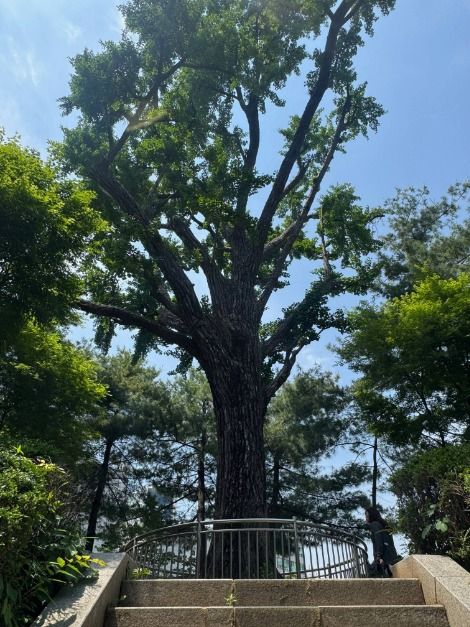
Ginkgo Tree at the Fortress Well Site refers to the old ginkgo tree, which have been designated as a protected tree in 1988, located in Gayang-dong, Gangseo-gu in Seoul. Until the Gayang apartment complex was built, the area where the ginkgo tree is located was a historic place with a beautiful landscape and many anecdotes and legends. Before the Goryeo dynasty, its location served as an important strategic point along the lower part of the Hangang River, where it had a ferry dock with boats that bypassed Haengju and Paju as a shortcut for commuting between Kaeseong and Pyongyang, and is associated with many legends of historical figures who had used the dock. The ginkgo tree also appears in a painting drawn by Gyeomjae Jeongseon, a historic painter of the Joseon dynasty.
YONSEI HEAL DENTAL CLINIC (연세힐치과의원)
18.9Km 2025-11-24
1st–2nd Floor, Ujangsan Harrington Tower, 231 Gangseo-ro, Gangseo-gu, Seoul
Yonsei Heal Dental Clinic has upheld the values of trust and healing since its founding in 2014. Guided by a patient-centered philosophy, a team of ten specialized doctors works collaboratively to deliver precise and safe treatments using world-class digital systems. With expertise spanning implants, digital restorative care, and laminates, the clinic pursues excellence in both function and aesthetics. Built on integrity and meticulous care, Yonsei Heal Dental restores not only smiles but also the quality of life.
 English
 한국어
한국어 日本語
日本語 中文(简体)
 Deutsch
 Français
 Español
 Русский


