
Syncverse (주식회사 싱크버스)
15.6Km 2025-12-09
(B103, Bethel Building), 875 Tongil-ro, Eunpyeong-gu, Seoul
SYNCVERSE is a combination of the words “synchronize,” which means happening at the same time, and “universe,” representing the vast world we live in.
Syncverse serves as a central hub, connecting people and facilitate seamless beginnings for success in various fields. We cater not only to medical tourism and medical research and development, but also provide a global network to meet the needs of our valued customers and partners.
Seoul Doseonsa Temple (도선사(서울))
15.6Km 2025-06-25
504 Samyang-ro 173-gil, Gangbuk-gu, Seoul
Doseonsa Temple was established 1,100 years ago during the latter part of the Silla Kingdom when the renowned Buddhist priest Doseonguksa was traveling through the mountains. After visiting the site, Doseonguksa made a prophecy that led to the construction of the temple. According to legend, he used only his walking stick to carve the large Bodhisattva that sits at the temple. Interestingly enough, the statue does not show any evidence of chisel marks, further adding to the mystery of how the statue was made.
During the 7th year of King Gwangmu of the Joseon dynasty, Doseonsa Temple was officially named the representative temple of Korea with the purpose of promoting Cheongdamdaejongsa's Korean Buddhism movement, aiming at a religious revival. Due to these special circumstances Deseonsa Temple gained a high reputation and much recognition, which have held strong to this day.
Inside the temple, visitors can view the remains and written works of Cheongdamdaejongsa in the Cheongdamdaejongsa Memorial Hall. Next to the road leading to Cheonbuljeon Hall is a pond where you can toss a coin and make a wish and just past Yongammun Gate is a hiking path connecting Baegundae Cliff and Insubong Peak. Inside the Ksitigarbha Hall are portraits of President Park Chung-hee, Yuk Yeong-su, and Hyundai Chairman Chung Ju-yung. In front of the hall is a tree that is said to have been planted by a Buddhist priest who brought it from India 200 years ago. Historical artifacts can be found throughout the temple.
Seoul Mountain Climbing & culture center (산악문화체험센터)
15.6Km 2025-11-06
112 Haneulgongwon-ro, Mapo-gu, Seoul
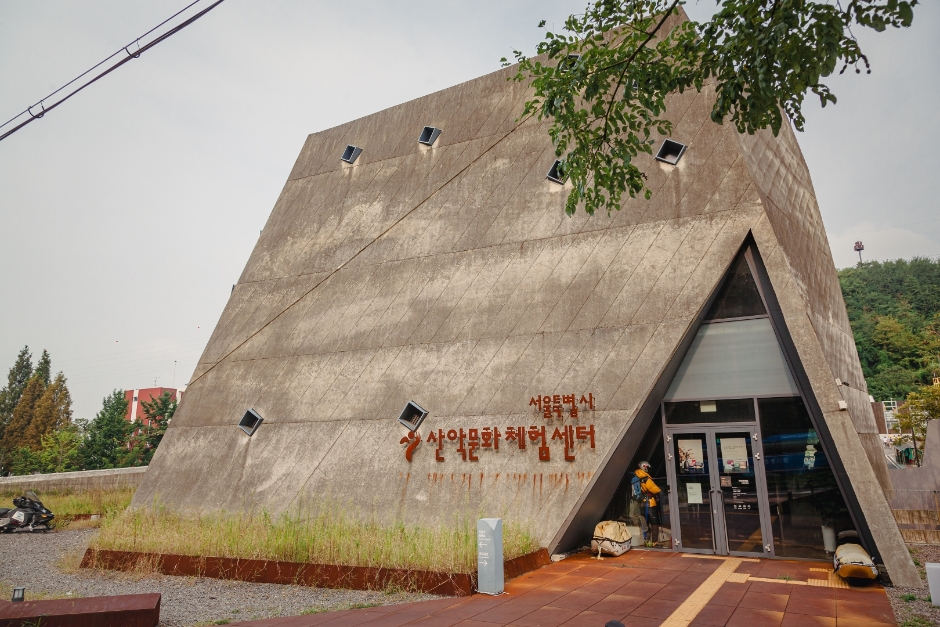
In episode 4 of the drama "Numbers," the character Shim Hyeong-woo goes climbing at the Seoul Mountain Climbing & Culture Center. This center offers a climbing facility where you can enjoy mountain culture and sports together. It features exhibition facilities for experiencing mountain culture and both indoor and outdoor sports climbing.
Samgaksan Mountain (삼각산)
15.7Km 2024-03-20
Samyang-ro 173-gil, Gangbuk-gu, Seoul
Samgaksan Mountain is a mountain situated on the northern outskirts of Seoul, resembling a folding screen. Its name, meaning triangular mountain, is derived from the presence of three high peaks: Baegundae Peak, Insubong Peak, and Mangyeongdae Overlook. The highest peak, Baegundae Peak, offers a panoramic view of Seoul from its summit, featuring a spacious rock surface where many visitors can sit. Positioned behind Gyeongbokgung Palace, the palace of the Joseon dynasty, Samgaksan Mountain is visible from the rear of the Cheong Wa Dae.
Seoul Hiking Tourism Center - Bukhansan Branch (서울도심등산관광센터(북한산))
15.7Km 2024-03-05
5F, 181-7 Ui-dong, Gangbuk-gu, Seoul
The Seoul Hiking Tourism Center is located 5 minutes on foot from Exit 2 of Bukhansan Ui Station and provides various services to hikers. It provides hiking course guidance and information (available in Korean, English, Chinese, and Japanese) about the mountains of Seoul, including Bukhansan, Bugaksan, and Inwangsan Mountains, as well as promotional materials such as Seoul hiking tourism guidebooks and maps. Also, it operates hiking tour programs with various themes every week for foreigners and offers hiking gear rental services such as hiking boots, hiking attire, trekking poles, gloves, and crampons for foreigners. (Koreans accompanied by foreigners can also rent the gear.) In addition, there is a storage locker and lounge for visitors, so they can pack up and rest before hiking.

Kansong House (간송옛집)
15.7Km 2025-04-01
149-18 Sirubong-ro, Dobong-gu, Seoul
The 100-year-old traditional hanok Kansong House sits by the burial mound of Kansong Jeon Hyeong-pil (1906-1962), who played a significant role in preserving the cultural heritages of Korea during the Japanese colonial period. This house was orginally built by Kansong's adoptive father Jeon Myeong-gi (1870-1919) to us as a storage facilities for harvested agriculture from the northern Gyeonggi-do and Hwanghae. After his father's death, Kansong used the house as a ritual house for his father and often stayed here. Some damages were done to the house during the Korean War, and partial repair was made after his death.
![Bukhansan Dulle Trail Section 1 ([북한산 둘레길] 1 소나무숲길 )](http://tong.visitkorea.or.kr/cms/resource/30/1898430_image2_1.jpg)
Bukhansan Dulle Trail Section 1 ([북한산 둘레길] 1 소나무숲길 )
15.7Km 2024-01-04
12 Samyang-ro 173-gil, Gangbuk-gu, Seoul
Bukhansan Mountain is a mountain representing Seoul, which 5 million people visit every year. It is not easy to hike up to the top, but the dulle trail allows one to enjoy the beauty of the mountain without too much effort. Bukhansan Dulle Trail is a low-lying, horizontal walking trail created by connecting and refining existing side paths, allowing for a leisurely walk along the foot of the mountain. The Pine Forest Trail, one section of the trail consisting of 21 themes, is 2.9 kilometers long from the entrance to Uiryeong Trail to the top of Solbat Neighborhood Park. It is filled with majestic pine trees, and the road is wide and gentle, making it a perfect place to enjoy a walk. Most of the section is shaded by trees, so visitors can feel cool while walking up even on hot summer days.
Savina Museum of Contemporary Art (사비나 미술관)
15.7Km 2022-10-20
93 , Jingwan 1-ro, Eunpyeong-gu, Seoul
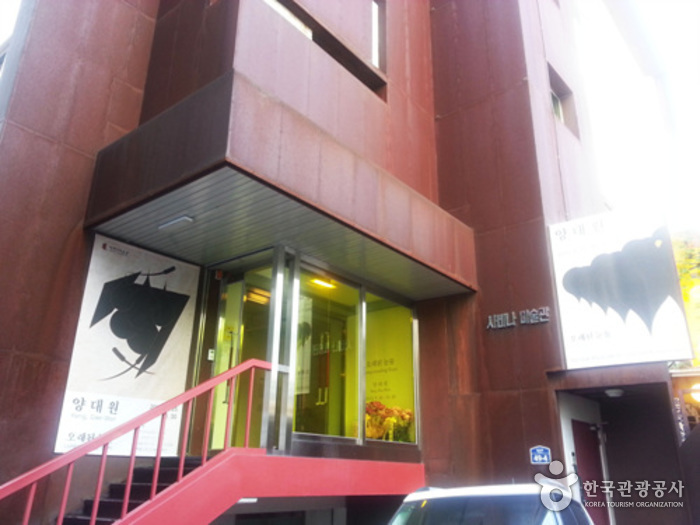
The Savina Museum provides visitors with fresh and exciting pieces that reflect the diverse and dynamic aspects of Korean modern art. Museum organizers actively focus on developing the museum’s exhibitions, educational programs, publications, and art collections, continually working to transform the museum into a living, breathing center of arts. The museum not only supports the development of artists from a more traditional list of fields like painting, sculpture, photography and media arts, but also introduces exhibits highlighting new trends in the art world.
Style82 Co., Ltd. (㈜스타일82)
15.8Km 2025-10-23
#303, Gasan Urban Work I, 135 Gasan digital 2-ro, Geumcheon-gu, Seoul
Style82, Inc., is a healthcare platform operated by "experts" with over 20 years of experience. They market Korean Wave content and domestic products, including medical tourism, commerce, and distribution, through their international network, and expand their specialized medical services into the global market.
In particular, the medical platform "Medi82", which started in the first half of 2025, provides VIP customer service so that overseas customers can receive the best medical services in Korea through partnerships with over 130 hospitals in Korea. Experienced staff members who can interpret foreign languages communicate directly with customers, minimizing medical accidents or inconveniences that may occur during hospital treatment. Additionally, we have branches in Japan and Vietnam, and partners in the United States, Singapore, Indonesia, and Thailand.
Dongpyun Korean Medicine Clinic (동편부부한의원)
15.8Km 2025-11-28
#202, 2nd Floor, 188 Burim-ro, Dongan-gu, Anyang-si, Gyeonggi-do
Dongpyeon Korean Medicine Clinic focuses on restoring body balance through holistic treatments.
Specialized in detox care, weight control, skin improvement, and pre/postnatal therapy,
it helps the body recover naturally by addressing root causes, not just symptoms.
 English
 한국어
한국어 日本語
日本語 中文(简体)
 Deutsch
 Français
 Español
 Русский


