
Seoul Eungbongsan Mountain (응봉산(서울))
6.0Km 2024-07-05
1540 Geumho-dong 4-ga, Seongdong-gu, Seoul
+82-2-2286-6061
From Eungbongsan Mountain, one can easily see the Hangang River, Seoul Forest, Jamsil Sports Complex and more in the eastern part of Seoul. With such a great view of the Hangang River, the mountain is often packed with visitors including many photographers. The mountain serves as a venue for diverse events, including a sunrise festival on New Year's Day and forsythia festival around April during the flowering season.
Cheonggyesan Mountain (청계산)
6.2Km 2024-03-20
Makgye-dong, Gwacheon-si, Gyeonggi-do
+82-2-2155-6870
Standing at 618 meters above sea level, Cheonggyesan Mountain boarders the area of Yangjae-dong, Seoul and Gwacheon-si, Seongnam-si, and Uiwang-si, Gyeonggi-do. From the top, visitors can enjoy panoramic views of Seoul's city center and Gyeonggi-do. The mountain is well-maintained with various hiking trails, making it easy to climb even for beginners. In the fall, the mountain is known for its stunning fall foliage, attracting numerous visitors.
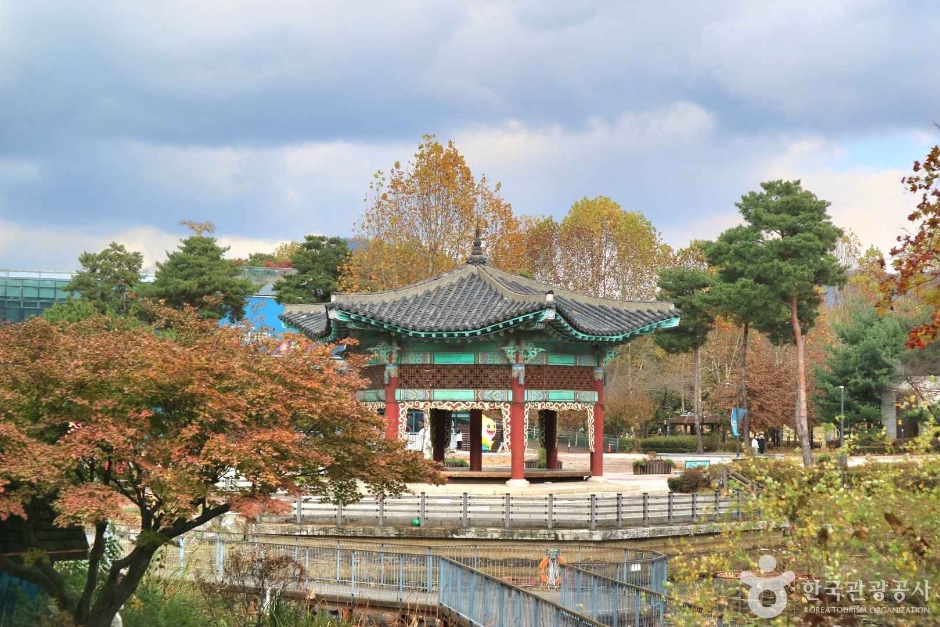
Seoul Children's Grand Park (서울어린이대공원)
6.2Km 2024-11-28
216 Neungdong-ro, Gwangjin-gu, Seoul
Opened in May 1973, Seoul Children’s Grand Park is a theme park situated among green forests and fields with a total area of 56,552㎡. It contains a zoo, arboretum, amusement park, and performance venues. Seoul Children’s Grand Park has been a beloved part of Seoul, a paradise for children and a living venue for education. For grown-ups, it functions as an area of refuge and culture within the city. The Grand Park offers facilities that everyone in the family can enjoy, so everyone can find their own fun in the Grand Park.
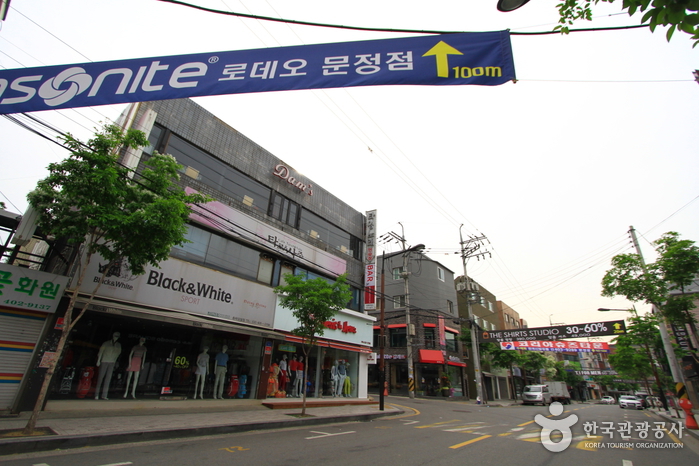
Munjeong-dong Rodeo Street (문정동 로데오거리)
6.2Km 2025-03-29
10, Dongnam-ro 4-gil, Songpa-gu, Seoul
+82-2-400-1633
Munjeong-dong Rodeo Street is a large shopping district containing over 200 brand-name discount stores. The street is T-shaped, with a 1-kilometer-long main street connected to a 400-meter-long alley, and the Munjeong 1-dong Resident Center located at the center. For shoppers’ convenience, there is a public parking lot (if visitors purchase goods at Rodeo Street, they can park here for free) and a parking lot for foreign tourists only (free of charge). Munjeong-dong Rodeo Street is one of Korea’s major shopping streets with customers ranging from teenagers to adults, since discount stores stocking sports wear, casual wear, shoes, men’s and ladies’ suits, and golf wear are all located on this street. Moreover, this is a great place to find deals on famous brands, at prices lower than at a department store. On some items you can get discounts of up to 70-80%.
Since most of the goods are stock from previous seasons, it might be better to purchase the more classic styles rather than the trendy fashions. In some cases, the goods might have been slightly crumpled or stained during the transfer from warehouse storage, but taking them to the dry-cleaners should fix most problems. However you should be careful when looking at the sewing quality, and check for missing buttons.
One more thing to bear in mind is the shopping season. Even discount stores have periods when stock runs low. The best time to shop is immediately after the stores in Rodeo Street restock their merchandise. This is done at about the same time as department stores. There is also an enormous variety of goods to choose from during the Rodeo Festivals in May and September. The purchased goods are exchangeable but non-refundable, so check the quality of the products carefully before purchasing.
In addition, Munjeong-dong Rodeo Street has a wide selection of restaurants and entertainment facilities. There are a number of pizza places, coffee shops, and food courts, as well as internet cafes and game rooms in the alleys behind the stores. Visitors can also relax in the surrounding parks. There’s a park with a 600-year-old zelkova tree right behind the Munjeong 1-dong Resident Center.
Munjeong Rodeo Street is not just a shopping district; it’s a cultural area. The ‘Munjeong-dong Cultural Festival’ takes place every year in May, and the ‘Munjeong-dong Rodeo Festival’ takes place in May every other year. During these festivals, visitors can watch traditional Korean performances, traditional wedding ceremonies, international fashion parades, hip-hop dancing, and more.
A charity sale is held on weekends and national holidays on the open-air stage of the Munjeong 1-dong Resident Center, and merchandise is sold for even bigger discounts.
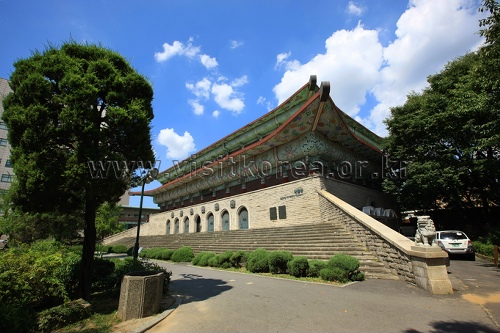
Sejong University Museum (세종대학교 박물관)
6.2Km 2022-09-16
209, Neungdong-ro, Gwangjin-gu, Seoul
+82-2-3408-3876
Sejong University Museum exhibits folk art, wooden crafts, clothing, accessories, pottery, paintings and calligraphy collected for over 40 years by the couple who founded the present day Sejong University, Dr. Ju Young-ha and Dr. Choi Ok-ja. This museum has its origins in the Soodo Gallery, which was built in Chungmuro, the campus’ original location, in 1959. Needing more space to house additional artifacts, the museum moved to its current location, which first opened on May 5, 1973 in a four-story concrete building inspired by traditonal tower design from the Baekje era. This building was later expanded on May 20, 1977.
After the university’s name was changed to Sejong University in 1979, the museum was also renamed the Sejong University Museum. The museum showcases unique artifacts to both scholars and students from home and abroad in contribution to the research of Korea’s culture, arts, and archeology.
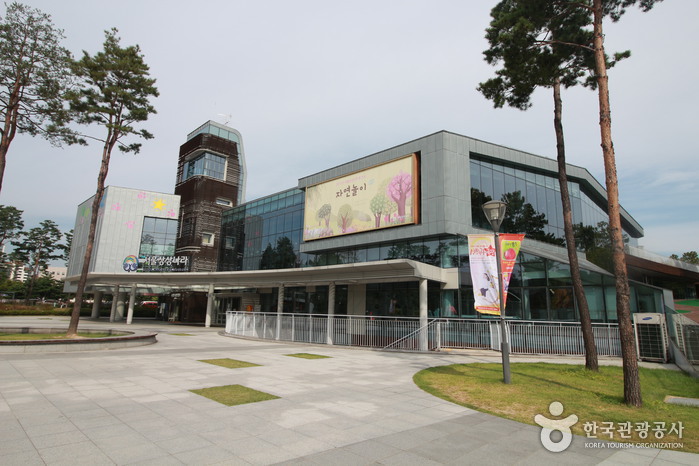
Seoul Children's Museum (서울상상나라)
6.3Km 2024-03-07
216 Neungdong-ro, Gwangjin-gu, Seoul
+82-2-6450-9500
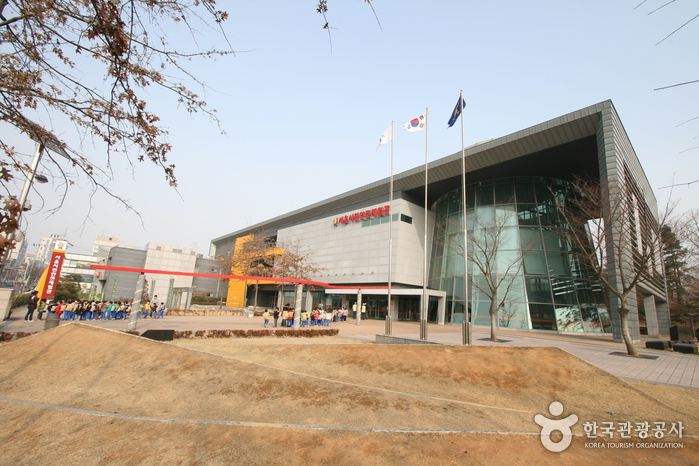
Seoul Children's Museum is a multifaceted cultural space established in 2013 to foster children's creativity and imagination. Spanning from the basement floor to the third floor, it boasts over a hundred interactive exhibits. These exhibits cover a wide range of areas including art, imagination, thought, and physical play, organized into ten distinct zones. It's a popular destination where children can learn and expand their imagination through play. Advanced booking is required, and reservations can be made through the website.
Gwangnaru Safety Experience Center (광나루안전체험관)
6.3Km 2025-03-29
238, Neungdong-ro, Gwangjin-gu, Seoul
+82-2-2049-4061
Gwangnaru Safety Experience Center was founded in 1999 after two fire accidents in which many children lost their lives. These tragedies emphasized the necessity of establishing a disaster training center for common citizens.
Gwangnaru Safety Experience Center is a three-story building with one basement floor, covering an area of more than 5,000 m². The basement floor includes a small theater. The first floor is set up for natural disaster training and consists of an orientation hall, storm simulation training room, earthquake simulation room, computer tests on fire safety knowledge and others. The second floor is a place for artificial catastrophe training. It consists of a smoke escape training room, fire extinguisher training room, first-aid (CPR) training room and practice place for calling 119. The third floor is used for rescue training and consists of a rescue training room, screening room, training for professionals and video examples of the five biggest disasters that have occurred in Seoul. Overall there are about 20 training areas established, so citizens can experience the imitation of a disaster by themselves and learn easily and in an interesting way how to cope with a disaster.
Park Habio Water Kingdom Water Park & Jjimjil Spa (파크하비오 워터킹덤&스파)
6.4Km 2025-10-24
111 Songpa-daero, Songpa-gu, Seoul
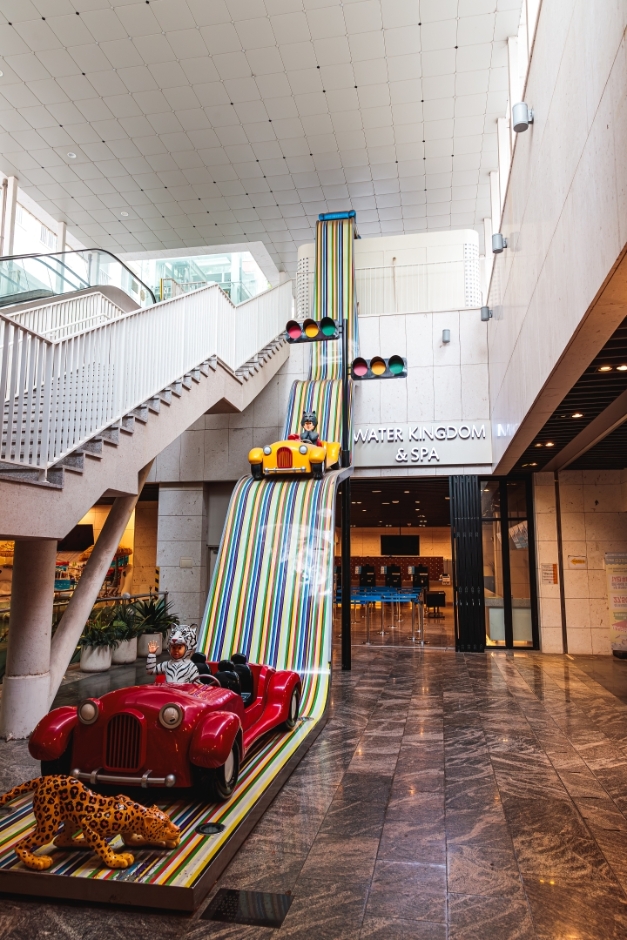
In the episode “Proxy Vacation,” where the members of Running Man take a summer vacation on behalf of the viewers, they are seen enjoying swimming and sliding in a cool pool. This refreshing vacation spot is the Water Kingdom & Spa in Songpa Park Habio. This indoor water park, open 365 days a year regardless of the weather, offers a variety of fun activities. If you get tired after playing in the water all day, you can also rest and recharge in the spa.
Yongsan Youth Festival (용산청년축제)
6.4Km 2025-10-23
221 Seobinggo-ro, Yongsan-gu, Seoul
+82-10-9771-2090
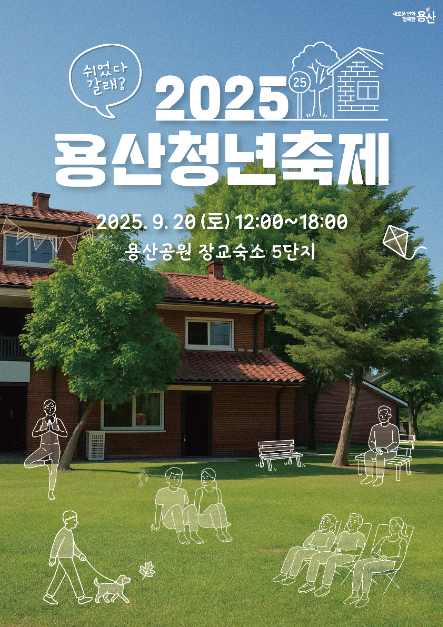
The Youngsan Youth Festival, a wellness-themed event, invites both youths and residents to take the initiative for their well-being by achieving a balanced state of mental, physical, and social health. During the festival, visitors can enjoy dance performances, shows by popular singers, magic shows, traditional Korean music ensembles, and a commemorative ceremony featuring congratulatory remarks.

Olympic Park (올림픽공원)
6.5Km 2023-10-19
424 Olympic-ro, Songpa-gu, Seoul
+82-2-410-1114
Olympic Park is an impressive leisure facility in which historic remains from the Baekje era share space with modern, state-of-the-art sports stadiums, an eco-friendly forest, and spacious grass fields. The legacy of the 1988 Seoul Olympics, the park not only houses the country’s largest sports arena, but has also become a place where Seoul residents come to relax and unwind.
Spread across approximately 1.45 million square meters, Olympic Park encompasses the land that was once Mongchontoseong Fortress and Mongchonhaeja (manmade lake) from the early Baekje period. The park is divided into several zones, including a leisure sports park, a cultural art park, an eco-park, and the History Experience Park dedicated to the area’s rich historic heritage.
Because Olympic Park is so large and takes over three hours to explore, visitors are advised to familiarize themselves with entrances and exits and travel routes before they start. To further save time, visitors can ride the Road Train (“Hodori Train”) located next to Peace Square.
 English
 한국어
한국어 日本語
日本語 中文(简体)
 Deutsch
 Français
 Español
 Русский


