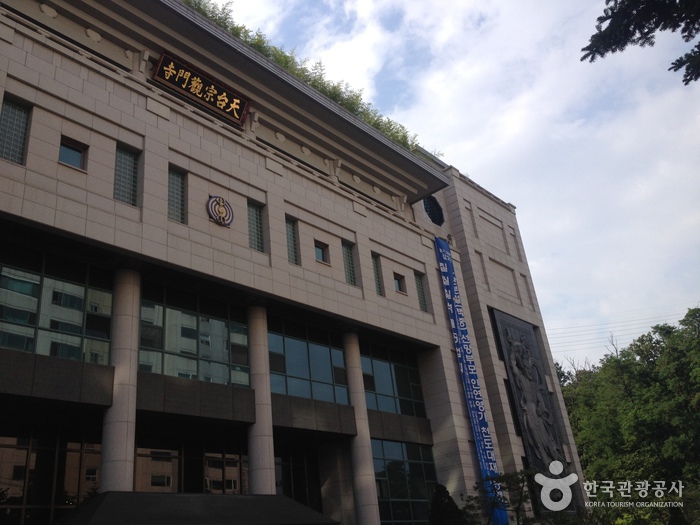
Seoul Gwanmunsa Temple (관문사(서울))
5.2Km 2021-06-01
111, Baumoe-ro 7-gil, Seocho-gu, Seoul
+82-2-3460-5300
Located at the foot of Umyeonsan Mountain in Seocho-gu, Seoul, Gwanmunsa Temple had its ground-breaking ceremony in 1993 and construction was completed in October 1998.
The temple site has a total area of 22,148.76 ㎡ with seven ground levels and four basement levels. The temple was constructed with a mixture of modern and traditional Buddhist architectural designs. Inside the temple, cutting-edge facilities are used for various cultural events, conferences, and sacred ceremonies.
Neighbored by Cheonggyesan Mountain, Umyeonsan Mountain, and Yangjaecheon Stream, the temple is located near many natural spots visitors can enjoy. In particular, Umyeonsan Mountain (alt. 293 m), where Gwanmunsa Temple is located, gets its name for its shape resembling a cow lying down. Designated as a city park and managed by Seoul Metropolitan Government, Umyeonsan Mountain has several valleys with clear spring waters and a dense forest inhabited by diverse animals and plants.
![Heolleung and Illeung Royal Tombs [UNESCO World Heritage] (서울 헌릉(태종,원경왕후)과 인릉(순조,순원왕후) [유네스코 세계문화유산])](http://tong.visitkorea.or.kr/cms/resource/42/1985242_image2_1.jpg)
Heolleung and Illeung Royal Tombs [UNESCO World Heritage] (서울 헌릉(태종,원경왕후)과 인릉(순조,순원왕후) [유네스코 세계문화유산])
5.3Km 2021-07-24
36-10, Heonilleung-gil, Seocho-gu, Seoul
+82-2-445-0347
Heolleung and Illeung Royal Tombs house the mounds for two kings of the Joseon dynasty (1392-1910) and their wives: King Taejong (1401-1418) and Queen Wongyeong, along with King Sunjo (1800-1834) and Queen Sunwon. Together, the tombs are referred to as Heonilleung Royal Tomb. The site possesses numerous stone statues and vestiges, and is a good place to experience the culture of the Joseon dynasty.

Montmartre Park (몽마르뜨공원)
5.3Km 2024-03-20
59 Banpo-daero 37-gil, Seocho-gu, Seoul
+82-2-2155-6860
Montmartre Park, situated above Seorae Village, earns its name due to the significant number of French residents in the vicinity. This small park exudes an atmosphere of art and romance, fitting its namesake. Adorned with poems and sculptures contributed by French poets and artists, the park also features busts depicting renowned figures like Vincent Van Gogh, Paul Gauguin, and Pablo Picasso. Towards the park's conclusion, Nue Bridge connects it to the Seoripul Neighborhood Park.
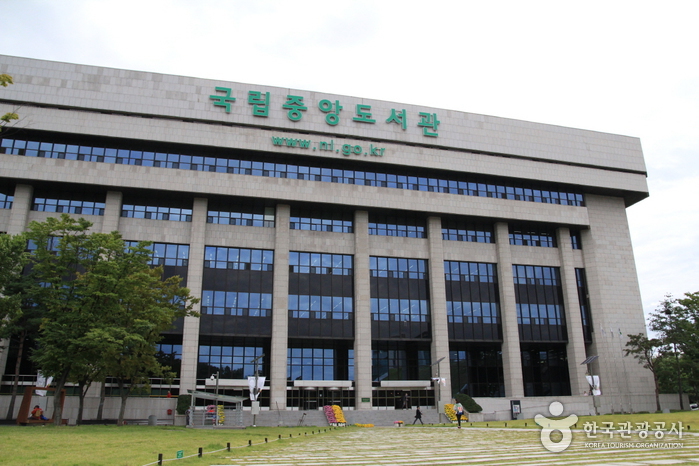
The National Library of Korea (국립중앙도서관)
5.3Km 2021-06-22
201, Banpo-daero, Seocho-gu, Seoul
+82-2-590-0500
The National Library of Korea collects and preserves many important documents and books, promoting a culture of appreciation for these cultural heritages. The library was founded on May 28, 1988 in the area of Seocho Park, later expanding to include an annex. The scenery of the park is beautiful and the atmosphere is very relaxing, perfectly suited to the pursuit of knowledge. For further understanding, the library also offers guided tours for those interested in library science. Many materials have also been scanned and are accessible online through the digital library.
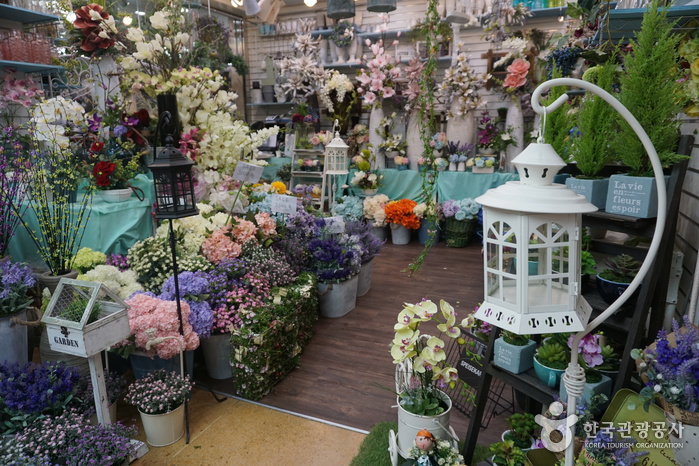
Goto Mall - Gangnam Terminal Underground Shopping Center (고투몰 (강남터미널 지하도상가))
5.3Km 2024-05-17
jiha 200, Sinbanpo-ro, Seocho-gu, Seoul
+82-2-535-8182
Gangnam Terminal Underground Shopping Center is often referred to as "Goto Mall" in short, and is connected to one of the major subway transfer stations at which Seoul Subway Lines 3, 7 and 9 operate. Over 600 stores are lined up on both sides of the two long, parallel corridors featuring clothing, fashion accessories, interior products, and flowers.
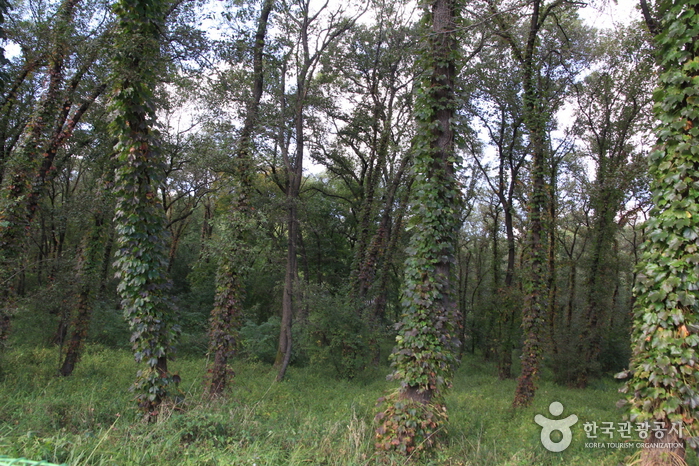
Heoninneung Royal Tombs Ecological Preservation Area (Alder Tree Forests) (헌인릉 생태경관보전지역(오리나무림))
5.3Km 2021-12-11
34, Heonilleung-gil, Seocho-gu, Seoul
+82-2-445-0347
Heonninneung Royal Tombs Ecological Preservation Area is home to alder tree forests. It was officially designated as an ecological preservation area by the Seoul Metropolitan Government in 2005.
Hangaram Art Museum in Seoul Arts Center (예술의전당 한가람미술관)
5.3Km 2022-12-16
2406, Nambusunhwan-ro, Seocho-gu, Seoul
+82-2-580-1300
Hangaram Art Museum, located in the left wing of the Seoul Arts Center, displays a unique exhibition of formative arts. Established in 1990, the museum has a total area of 15,540 ㎡ and contains 6 exhibition halls (including one for oversized artwork), a storage area, and an art shop. The building features a lighting system that controls the humidity and temperature and is equipped with a luminous ceiling system that captures natural sunlight and feeds it into the museum, allowing visitors to enjoy a brightly lit viewing area.
The Art Square in front of the museum houses a wide range of exclusive artwork and serves as a venue for various events such as the Cloz Art Market. Visitors may also enjoy the open-air café right in front of the building or dine at “Yehyang,” a traditional Korean restaurant right down the stairs.
Seoul Upcycling Plaza (서울새활용플라자)
5.5Km 2024-01-05
49 Jadongchasijang-gil, Seongdong-gu, Seoul
Saehwaryong is a Korean term for upcycling, a process of redesigning or recycling discarded resources or materials to give them a new value or purpose. Seoul Upcycling Plaza operates upcycling-related exhibitions, upcycling practice education and experience programs, design studios, upcycling stores, workshops, and more. It is a great place to look around for ideas and inspirations on how to use products for longer periods of time. The plaza demonstrates the first step to creating a resource-recycling society.
Junggok-dong Furniture Street (중곡동 가구거리)
5.6Km 2025-03-17
Cheonho-daero, Gwangjin-gu, Seoul
010-5508-0089
Junggok-dong Furniture Street stretches between Achasan Subway Station and Gunjagyo Bridge, hosting a concentration of furniture stores on either side of the main road. This area accommodates a diverse range of furniture stores, featuring well-known domestic and international brands alongside smaller and medium-sized furniture shops. It serves as a convenient destination for customers to compare and purchase various furniture items, including beds, sofas, dining tables, wardrobes, chairs, and interior accessories, all within close proximity. The accessibility to Gunja Subway Station makes it easily reachable via public transportation.

Olympic Park (올림픽공원)
5.6Km 2023-10-19
424 Olympic-ro, Songpa-gu, Seoul
+82-2-410-1114
Olympic Park is an impressive leisure facility in which historic remains from the Baekje era share space with modern, state-of-the-art sports stadiums, an eco-friendly forest, and spacious grass fields. The legacy of the 1988 Seoul Olympics, the park not only houses the country’s largest sports arena, but has also become a place where Seoul residents come to relax and unwind.
Spread across approximately 1.45 million square meters, Olympic Park encompasses the land that was once Mongchontoseong Fortress and Mongchonhaeja (manmade lake) from the early Baekje period. The park is divided into several zones, including a leisure sports park, a cultural art park, an eco-park, and the History Experience Park dedicated to the area’s rich historic heritage.
Because Olympic Park is so large and takes over three hours to explore, visitors are advised to familiarize themselves with entrances and exits and travel routes before they start. To further save time, visitors can ride the Road Train (“Hodori Train”) located next to Peace Square.
 English
 한국어
한국어 日本語
日本語 中文(简体)
 Deutsch
 Français
 Español
 Русский


