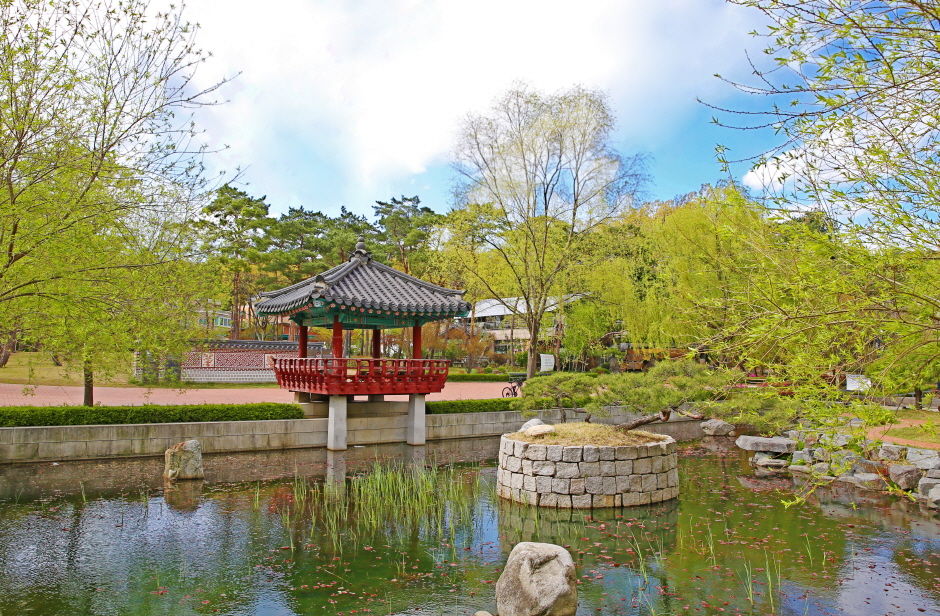
Wondangsaem Park (원당샘공원)
13.8Km 2024-02-15
16 Haedeung-ro 32ga-gil, Dobong-gu, Seoul
Wondangsaem Pond is named after the Wondang village, where the Yun family settled about 600 years ago. It is a park that harmoniously blends a traditional pond with a Hall of Rejoicing Pavilion called Samojeong, a wall fall, and a floral wall. During autumn, the golden foliage of an 800-year-old ginkgo tree enriches the surroundings, and a deck path around the tree offers a delightful stroll.
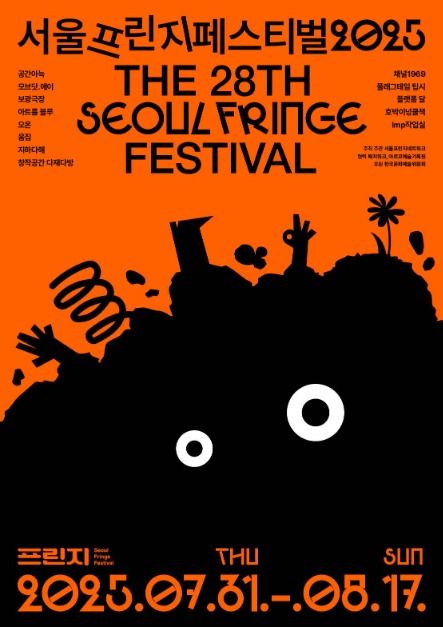
Seoul Fringe Festival (서울프린지페스티벌)
13.8Km 2025-07-24
84-3 Seongmisan-ro 13-gil, Mapo-gu, Seoul
+82-2-325-8150
Seoul Fringe Festival has been held every summer annually since 1998. The festival is open to artists of all genres, from dance to music and media art. Due to the open style and non-competitive element of the festival, artists and festival-goers alike are free to express themselves however they choose.
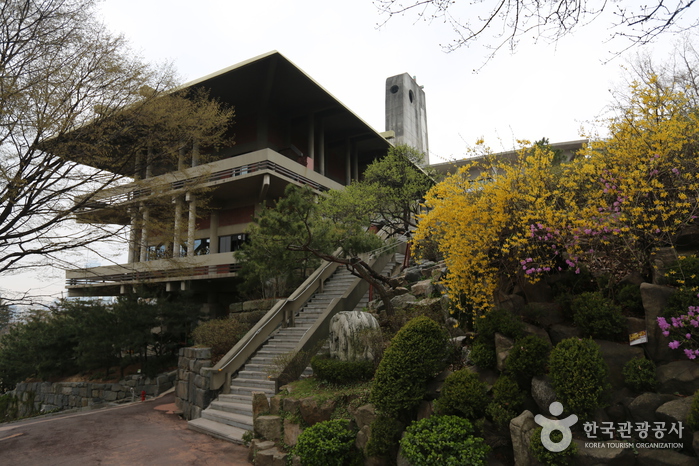
Korean Martyrs' Museum (한국천주교순교자박물관)
14.0Km 2023-01-03
6, Tojeong-ro, Mapo-gu, Seoul
+82-2-3142-4434
Korean Martyrs’ Museum was opened in October of 1967 as Jeoldusan Martyrs' Shrine, in memory of the Catholic martyrs who lost their lives during the Byeongin Persecution of 1866. The name of the museum changed to the current Korean Martyrs' Museum in August 2008. The museum displays artifacts and materials in exhibitions related to the Catholic Bishops' Conference of Korea.
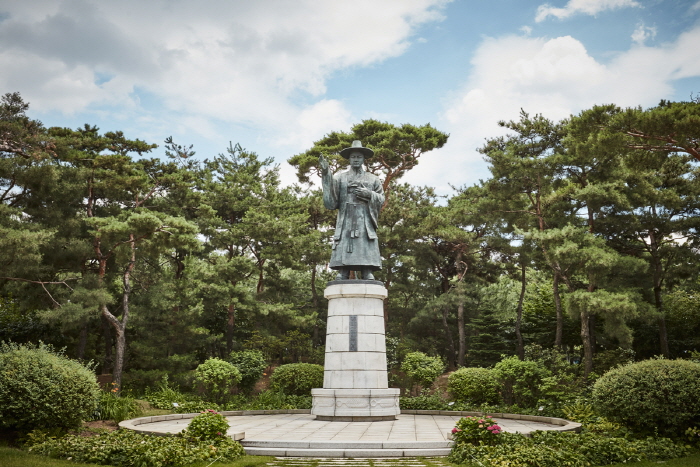
Jeoldusan Martyrs' Shrine (절두산순교성지)
14.0Km 2024-03-12
6 Tojeong-ro, Mapo-gu, Seoul
+82-2-3142-4434
Jeoldusan Martyrs' Shrine is the site where many Catholic believers were executed in 1866 due to persecution. In commemoration of the 100th anniversary of the martyrdom, the Korean Catholic Church opened the Memorial Hall in October 1967, exhibiting materials, relics, and souvenirs related to the Korean Catholic Church and operating a museum. Pope Johannes Paulus II visited the site in 1984, and Mother Teresa visited in 1985.
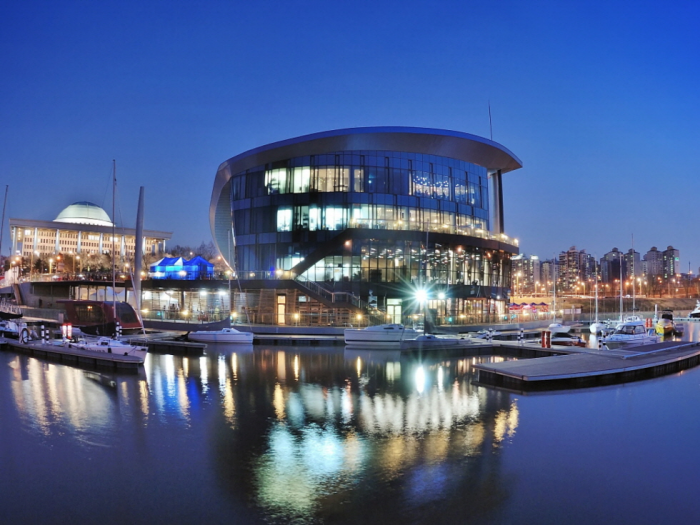
Seoul Marina Club & Yacht (서울마리나 요트&클럽)
14.0Km 2025-04-14
160 Yeouiseo-ro, Yeongdeungpo-gu, Seoul
+82-2-3780-8400
Located right behind the National Assembly of the Republic of Korea, this marina facility has a rather unique scenery that one cannot easily find in Korea, thanks to the view of the Hangang River and the yachts moored at the marina. Professionals operate the yachts here, so safety is guaranteed. Yacht rides here are popular because one can enjoy a sailing experience in the city center. Another draw of the yacht rides here is the scenery of Seoul, especially at night.
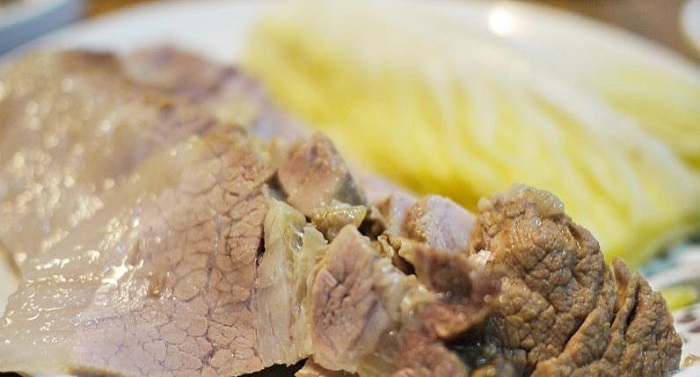
Heungbu Bossam (흥부보쌈)
14.0Km 2024-10-15
15-13 Sillim-ro 59-gil, Gwanak-gu, Seoul
+82-2-888-9464
It's a great place to hold group dining and gathering. This Korean dishes restaurant is located in Gwanak-gu, Seoul. The most famous menu is kimchi cabbage wraps with pork.

Seoul Sillim-dong Minsok Sundae Town (서울 신림동 민속순대타운)
14.1Km 2024-02-15
Seoul Sillim-dong Minsok Sundae Town (서울 신림동 민속순대타운)
Minsok Sundae Town is situated near Sillim Station, an area renowned for its abundance of sundae restaurants. Sundae, a quintessential Korean street food, is crafted by blending vegetables, glass noodles, seasoning, and pig's blood, which is then encased in pig intestines and steamed. The flagship menu, sundae bokkeum (stir-fried sundae), involves slicing sundae and stir-frying it with an array of vegetables, chili pepper powder, red chili paste, and other seasonings on a griddle. In addition to the classic, there are variations like baek sundae (sundae), chapssal sundae (sweet rice sundae), and gopchang bokkeum (stir-fried small intestines).

Kansong House (간송옛집)
14.2Km 2025-04-01
149-18 Sirubong-ro, Dobong-gu, Seoul
The 100-year-old traditional hanok Kansong House sits by the burial mound of Kansong Jeon Hyeong-pil (1906-1962), who played a significant role in preserving the cultural heritages of Korea during the Japanese colonial period. This house was orginally built by Kansong's adoptive father Jeon Myeong-gi (1870-1919) to us as a storage facilities for harvested agriculture from the northern Gyeonggi-do and Hwanghae. After his father's death, Kansong used the house as a ritual house for his father and often stayed here. Some damages were done to the house during the Korean War, and partial repair was made after his death.
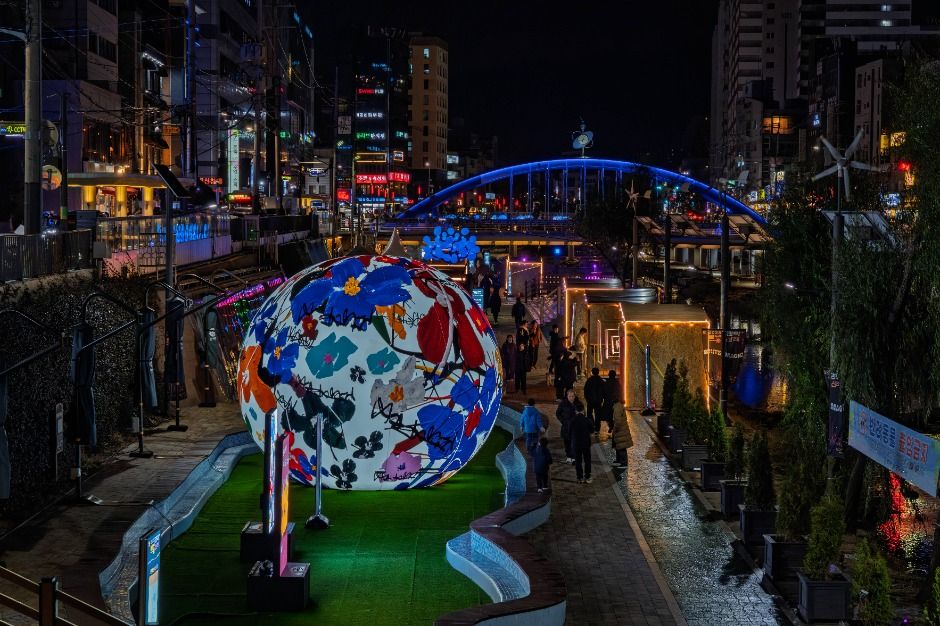
Gwanak Starlight Walk (관악별빛산책)
14.2Km 2025-12-15
1642-7 Sillim-dong, Gwanak-gu, Seoul
+82-2-828-5743
Gwanak Starlight Walk is a signature winter festival of Gwanak-gu in Seoul. It's a lighting festival where visitors can enjoy beautiful light installation along Byeolbitnaerincheon Stream. The event area spans 300-meters from Sillimgyo Bridge to Bongnimgyo Bridge. The diverse lighting artworks created by ten different Korean artist teams come together to create a space where stories of individuals all become one as a community. Various hands-on programs offer visitors a chance to see and enjoy the sights and sounds of the city throughout the festival period.
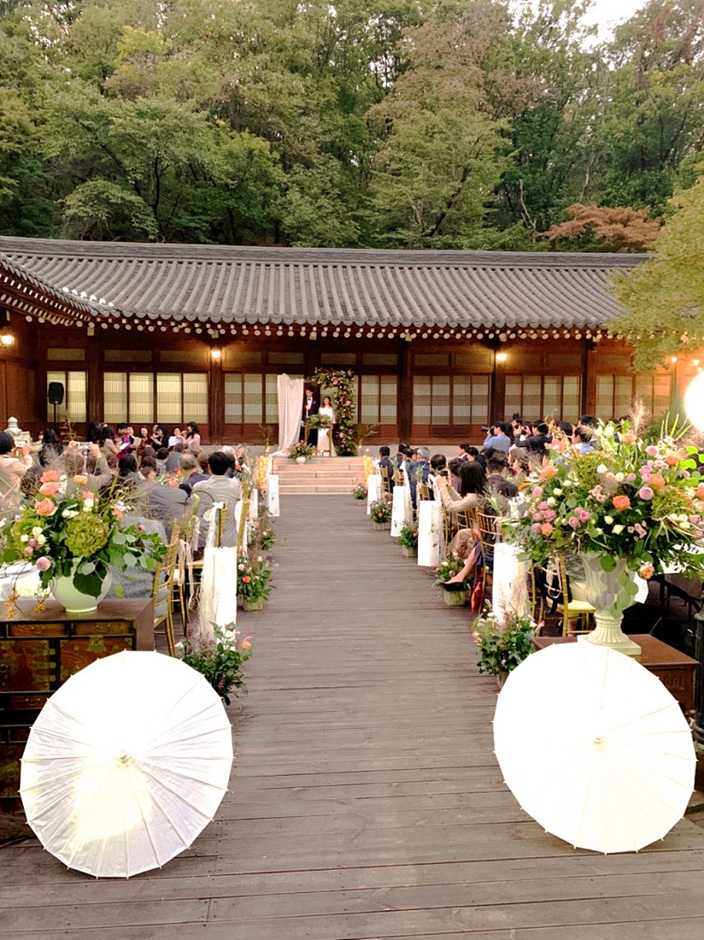
Seonungak (한옥카페 선운각)
14.2Km 2025-10-29
223 Samyang-ro 173-gil, Gangbuk-gu, Seoul
Seonungak is a hanok cafe facing Doseonsa Temple at the foot of Bukhansan Mountain, the perfect location to take in the beauty of the changing seasons. The cafe is also the largest hanok building outside of the royal palaces in Seoul. Previously limited to weddings and filming events, the hanok has reopened as a cafe, selling a range of traditional Korean drinks.
 English
 한국어
한국어 日本語
日本語 中文(简体)
 Deutsch
 Français
 Español
 Русский


