![Issey Miyake - The Shilla Hotel Branch [Tax Refund Shop] (이세이미야케 신라호텔)](http://tong.visitkorea.or.kr/cms/resource/54/2890154_image2_1.jpg)
Issey Miyake - The Shilla Hotel Branch [Tax Refund Shop] (이세이미야케 신라호텔)
9.1Km 2024-04-18
249, Dongho-ro, Jung-gu, Seoul
-

Homeplus - Dongdaemun Branch [Tax Refund Shop] (홈플러스 동대문)
9.2Km 2024-04-23
133, Cheonho-daero, Dongdaemun-gu, Seoul
-
![Olive Young - Sindang Station Branch [Tax Refund Shop] (올리브영 신당역)](http://tong.visitkorea.or.kr/cms/resource/35/2878735_image2_1.jpg)
Olive Young - Sindang Station Branch [Tax Refund Shop] (올리브영 신당역)
9.2Km 2024-04-18
258, Dasan-ro, Jung-gu, Seoul
-
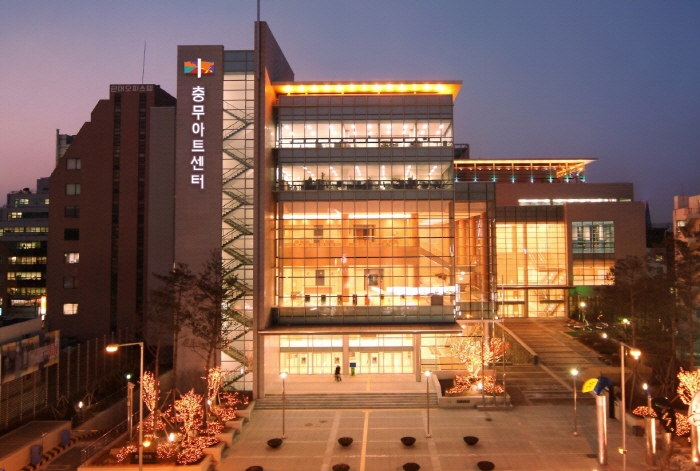
Chungmu Arts Center (충무아트센터)
9.3Km 2024-03-06
387, Toegye-ro, Jung-gu, Seoul
+82-2-2230-6600
Chungmu Arts Center is a complex cultural facility with an optimal conditions for watching performances. It has a large theater, a medium theater (black), and a small theater (blue). It also boasts great galleries, studios, and a swimming pool, attracting numerous visitors. In addition, one can enjoy performances of various genres, including classical music, plays, musicals, and concerts. Located close to Dongdaemun, it has good accessibility.
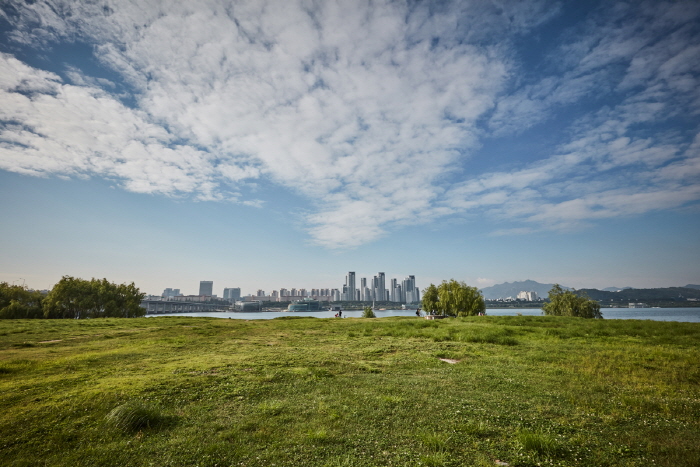
Ichon Hangang Park (이촌한강공원)
9.3Km 2025-10-23
62 Ichon-ro 72-gil, Yongsan-gu, Seoul
+82-2-3780-0551
Ichon Hangang Park is built along the Hangang Park in Yongsan. From the park, one can see the Hangang River up close, and one can also find sports facilities like soccer fields, jokgu fields, inline skating rink, water sports facilities, bicycle paths, as well as a nature learning center built around a restored wetland and a lawn. One can follow the Hangangdaegyo Bridge to enter into the Nodeulseom Island, an island in the middle of the river.
◎ Travel information to meet Hallyu’s charm - TV series "Sisyphus: The Myth"
This park was featured in the TV series "Sisyphus: The Myth" as the setting where Seo Hae (played by Park Shin-hye) reflected on bittersweet memories with her father. Its expansive grounds make it an ideal spot for leisure activities such as walking, picnicking, and cultural events.
Star Parks (스타팍스 주식회사)
9.4Km 2025-10-23
#101, 11 Euni-ro, Jungwon-gu, Seongnam-si, Gyeonggi-do
Established in 2006, Star Parks provides travel and medical tourism services.
It produced and uploaded a very effective meditation video on YouTube, and began selling K-Wellness Tour products, which includes the meditation program, starting in October 2024. It also provides medical tourism services that connect customers to the specific doctor they want through the WISHed-Doctor program, based on information accumulated over 15 years about top-tier doctors .
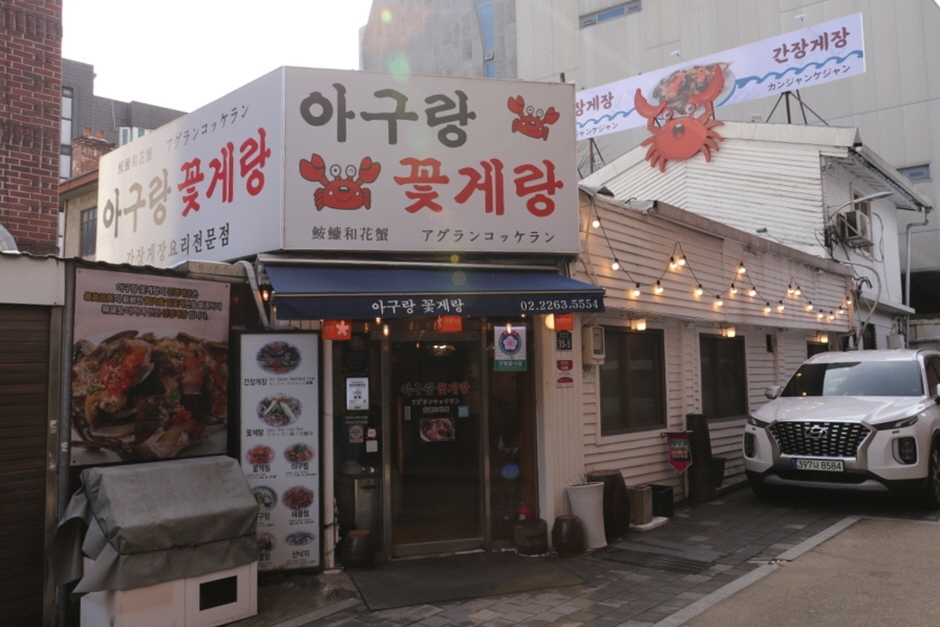
Agurang Kkotgerang (아구랑꽃게랑)
9.4Km 2024-03-08
35-7, Dongho-ro 24-gil, Jung-gu, Seoul
+82-2-2263-5554
This is a seafood restaurant specializing in Ganjanggejang (Soy sauce marinated crab). The crab is plump and seasoned to perfection, making it an excellent accompaniment to steamed rice. The restaurant’s Gulgukbap (Oyster and rice soup), a winter favorite, is enhanced with seaweed fulvescens, which is rich in vitamins and iron, making it beneficial for those suffering from anemia. Side dishes include Cheongpomukmuchim (Mung bean jelly salad), Kimchi, and Kongnamulmuchim (Bean sprout salad). Another popular item on the menu is the spicy Agutang (Monkfish soup), filled with springy monkfish.
Song Won (송원)
9.4Km 2024-03-15
35-4 Dongho-ro 24-gil, Jung-gu, Seoul
+82-2-2275-3118
Song won is a Korean restaurant located in Jangchung-dong Gourmand Alley. They specialize in high-quality Korean beef barbecue such as bulgogi and galbi, seasoned with a variety of 20 different natural ingredients. Additionally, they offer traditional Korean dishes like hot stone pot rice and noodles. Across the street, visitors can find Jangchung-dong Jokbal Street, and both Jangchungdan Park and Jangchung Gymnasium are within walking distance.
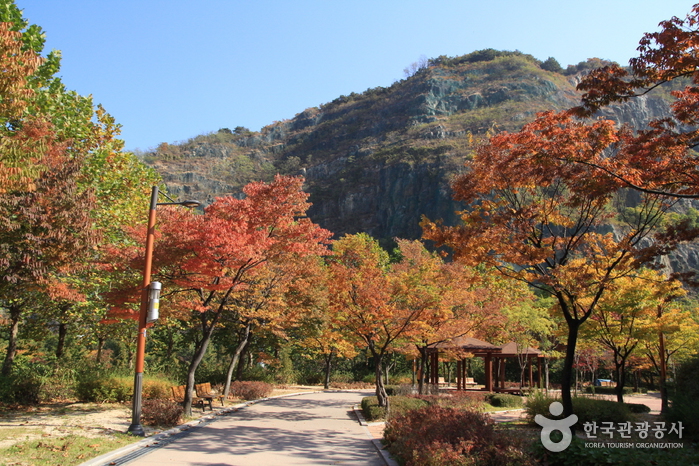
Yongmasan Mountain (용마산)
9.4Km 2021-06-18
53, Yongmasan-ro 62-gil, Jungnang-gu, Seoul
+82-2-2094-2344
With an altitude of 348 meters, Yongmasan Mountain is the highest peak of Achasan Mountain. The mountain stretches through the ridges of Manguri Park and Junggok-dong, with trails connecting to Achasan Mountain Fortress and the back gate of Children’s Grand Park. Nearby parks include Yongmapokpo Park and Yongmasan Sagajeong Park.
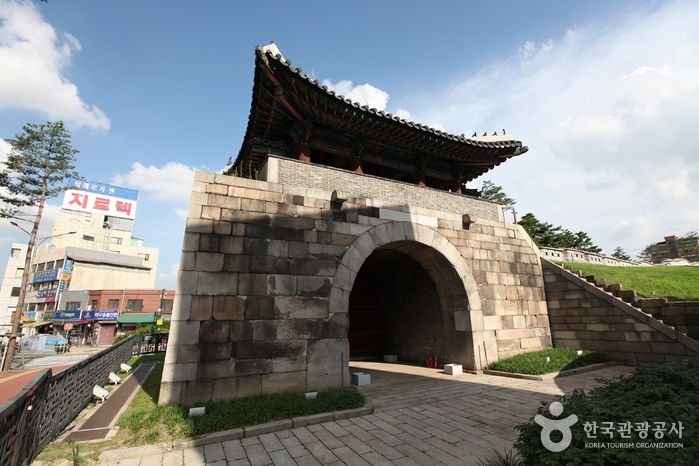
Gwanghuimun Gate (광희문)
9.4Km 2021-02-24
344, Toegye-ro, Jung-gu, Seoul
+82-2-3700-3900
Gwanghuimun Gate is said to have been originally constructed in 1396, the 5th year of King Taejo, at the southeast of the capital city. It was often referred to as Sugumun Gate (water channel gate) and was actually used as a Sigumun, literally meaning “corpse gate,” as funeral processions passed through this gate when exiting to the east.
During the Imjin War (1592-1598), the fortress gate was destroyed to such a degree that it made finding the original location close to impossible. Nevertheless, reconstruction efforts were started in 1711 (37th year of King Sukjong) and the gate was restored together with the gate's watchtower. Gwanghuimun Gate remained intact even when the fortress walls were demolished to build tram tracks during the Japanese occupation, but it was later damaged during the Korean War and left neglected. In 1975, restoration work was carried out to relocate Gwanghuimun Gate to a site 15 meters south of its original location since it stood in the middle of the road.
 English
 한국어
한국어 日本語
日本語 中文(简体)
 Deutsch
 Français
 Español
 Русский


