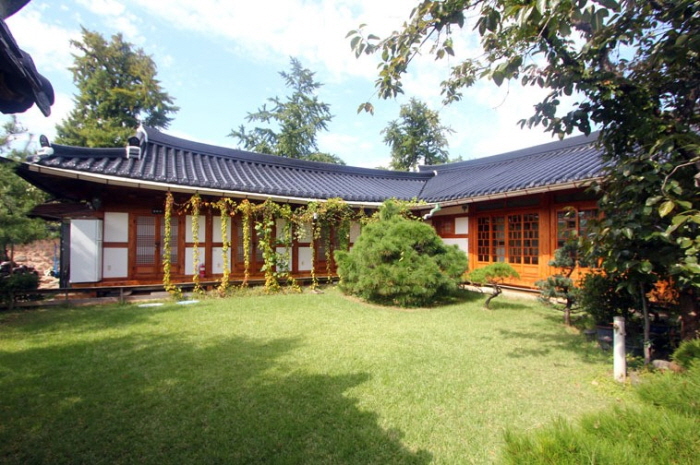
Bu Yong Heon / 부용헌
10.1Km 2025-03-04
149-3 , Hyanggyo-gil, Wansan-gu, Jeonju-si, Jeonbuk-do
+82-10-8875-8587
Buyongheon is a Hanok stay in Jeonju Hanok Village, Jeollabuk-do, right next to the Jeonju Hyanggyo Confucian School. Accomodation is comprised of Toenmaru Bang, Daecheong Maru Bang, Large Daecheong Maru Bang and Big Sarangchae. The room is neat and feels the beauty of blank space. A culture experience program includes traditional etiquette and hanji making, while the Jeonju Hanbyeok Cultural Center and the Confucian school are reachable on foot. Jeonju Station and Jeonju Express Bus Terminal are 10 to 15 minutes away by car.
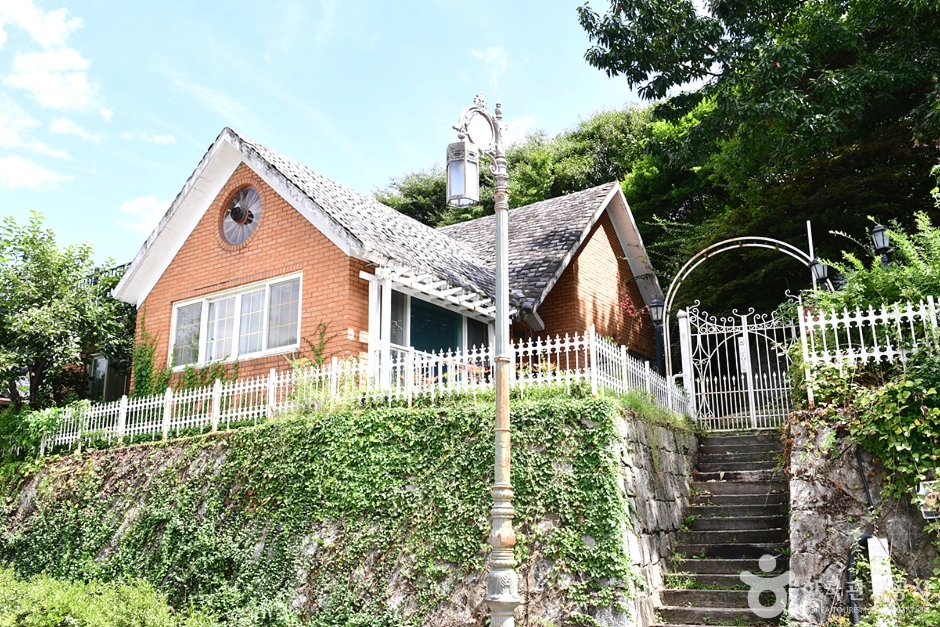
2521 (이오이일)
10.1Km 2025-07-18
5-19 Omokdae-gil, Wansan-gu, Jeonju-si, Jeonbuk-do
2521, pronounced yi-o-yi-il in Korean, a private guesthouse located in Jeonju Hanok Village. It was made popular as Na Hee-do's house in the drama "Twenty-Five, Twenty-One (2022)." Upon booking, the owner will set the scene just like from the drama. Guests can enjoy a barbeque party at the yard and the view of the hanok village from the rooftop. The guesthouse can accommodate up to eight guests.
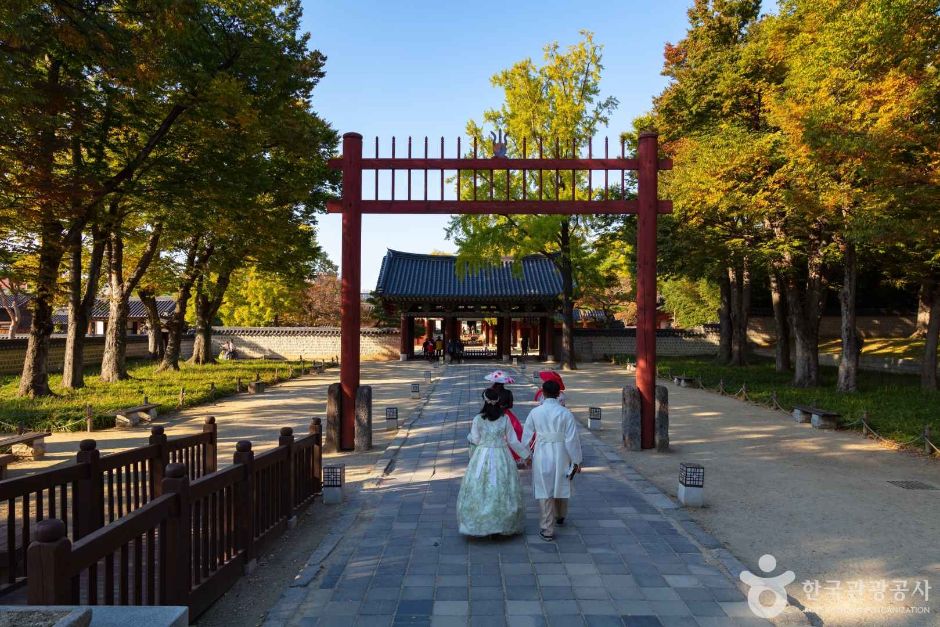
Gyeonggijeon Shrine (경기전)
10.1Km 2025-10-23
44 Taejo-ro, Wansan-gu, Jeonju-si, Jeonbuk-do
A registered Historic Site, Gyeonggijeon Shrine was founded in 1410 and holds the portrait of King Tae-jo, the founder of the Joseon dynasty. The shrine was originally given the name Eoyongjeon, but was changed to its current name in 1442, the 24th year of King Sejong the Great. The structure was partially destroyed during the Imjin War (1592-1598), and was restored in 1614. Gyeonggijeon Shrine is beloved by the locals and tourists for its elegance and the lush tree groves in the middle of the city.

Jeonjuhyanggyo Local Confucian School (전주향교)
10.1Km 2025-07-22
139 Hyanggyo-gil, Wansan-gu, Jeonju-si, Jeonbuk-do
Jeonjuhyanggyo is a local Confucian school that was established during the Joseon dynasty (1392-1910) and is a designated Historic Treasure. This was a national education center during the Joseon period. The school was originally located at the Gyeonggijeon Shrine site, but was relocated in 1603. The mortuary tablets of seven Chinese Confucian scholars and 18 Korean scholars are enshrined in the main building of Daeseongjeon Hall. The site is popular for its 400-year-old ginkgo tree in the front yard, and is the most beautiful in fall.
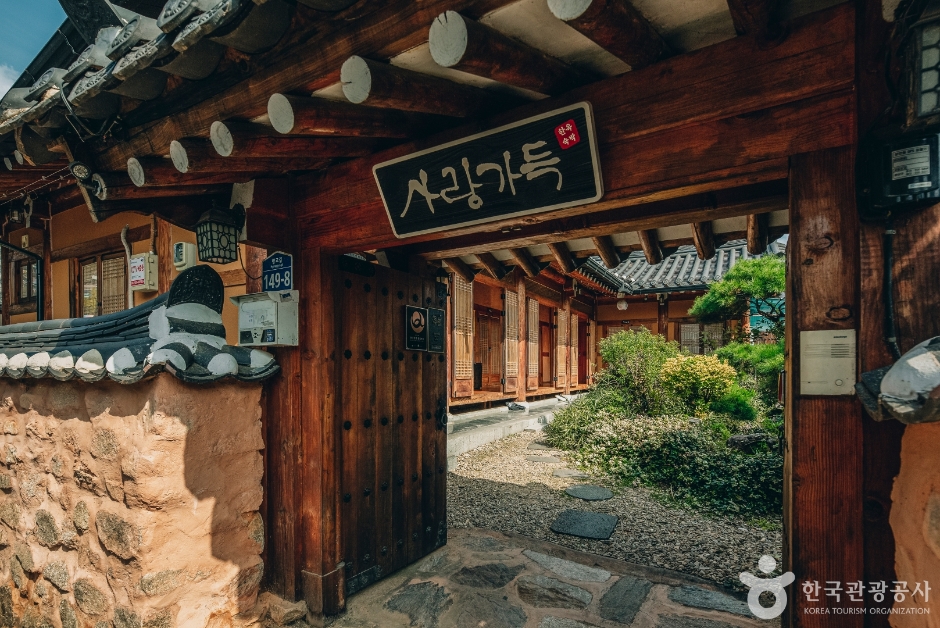
Saranggadeuk (사랑가득)
10.1Km 2024-12-13
149-8 , Hyanggyo-gil, Wansan-gu, Jeonju-si, Jeonbuk-do
+82-10-7451-3355
Located in Jeonju Hanok Village, Saranggadeuk is a traditional hanok that was renovated from a traditional hanok built in 1900, which retains the elegance of hanok architecture in its toenmaru (narrow wooden porch), rafters, and eaves. The hotel has six guest rooms, including a spacious ondol (underfloor heated) room with an interior finished in cypress wood that emits a subtle scent. Each of the rooms has a bathroom with a shower, and the Cherry and Rose rooms are recommended for couples, while the Azalea rooms are recommended for groups. Breakfast is served with freshly baked toast, seasonal fruits, and coffee in the room, and cooking is not permitted.
Chimyeongjasan Holy Ground (치명자산성지)
10.1Km 2024-04-07
89, Baramssoeneun-gil, Wansan-gu, Jeonju-si, Jeonbuk-do
+82-63-285-5755
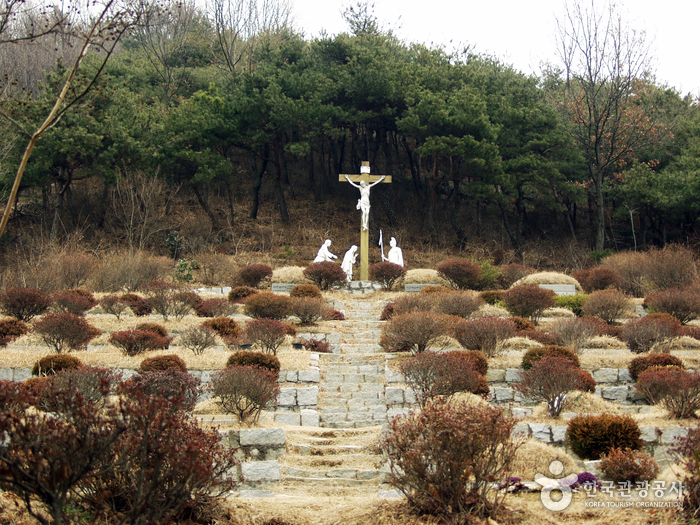
Chimyeongjasan is a sacred site for those of the Catholic faith and a famous pilgrimage attraction in the southeastern region of Jeonju. Perched upon a steep ridge of Seungamsan Mountain behind Hanbyeokdang Pavilion, the area is the final resting place of well-known Catholic couple Yu Jung-cheol (John), Yi Sun-I (Rugalda), who vowed to remained virgins for all eternity. Situated upon the couple’s grave is “Miracle Rock,” a naturally formed rock that is said to be shaped like Jesus and the Virgin Mary. The site is also home to a 4-meter-high stone cross that can be seen from as far away as Hanbyeokdang Pavilion.
The 200-meter prayer hike named “The Golgotha Way of the Cross” is one of the most popular pilgrimage routes for Catholics visiting the mountain area. Leading up from the parking lot and Monmartre Square (rest place), the entire path to the summit is strewn with flowers, making the prayer walk an ideal place for a stroll and some quiet meditation.
Jeonju Handicraft Exhibition Hall - Jeonju Hanok Village Branch [Tax Refund Shop] (전주공예품전시관 전주한옥마을)
10.1Km 2024-04-19
15, Taejo-ro, Wansan-gu, Jeonju-si, Jeollabuk-do
-
Jeonmang Foot Bath Café (안마 족욕 카페 전망)
10.1Km 2024-04-07
61 Eunhaeng-ro, Wansan-gu, Jeonju-si, Jeonbuk-do
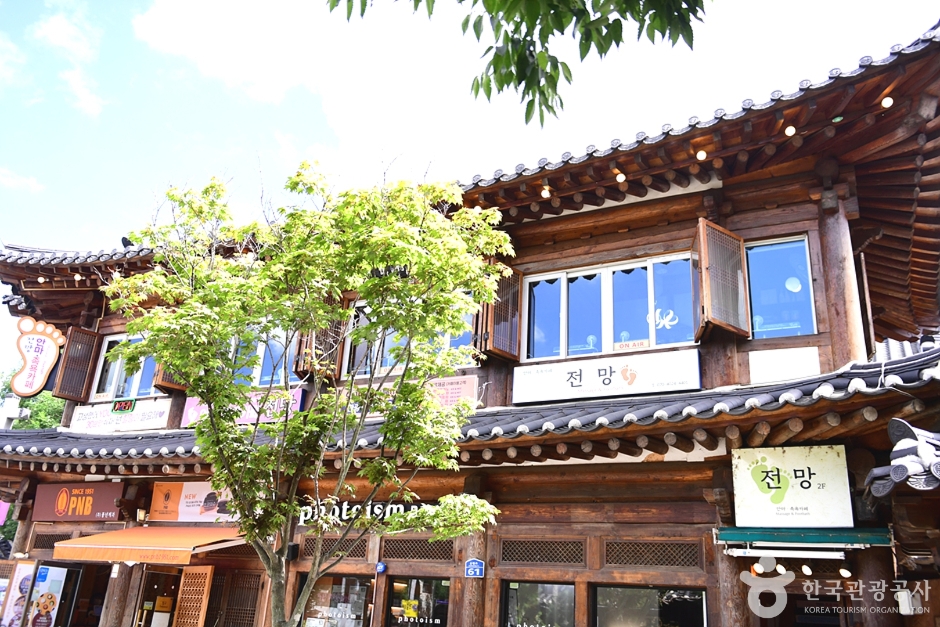
Jeonmang Foot Bath Café is located inside Jeonju Hanok Village. Visitors can enjoy aromatic foot baths to relieve the fatigue from traveling while enjoying the view of the quaint hanok village. There are a variety of bath bombs, such as aroma, peppermint, and rosemary. The foot bath and shoulder massage come with a free drink and take about 40 minutes.
Jeonju hanok house (전주 한옥숙박체험관)
10.2Km 2024-08-05
56-1 , Eunhaeng-ro, Wansan-gu, Jeonju-si, Jeonbuk-do
+82-10-8669-6700
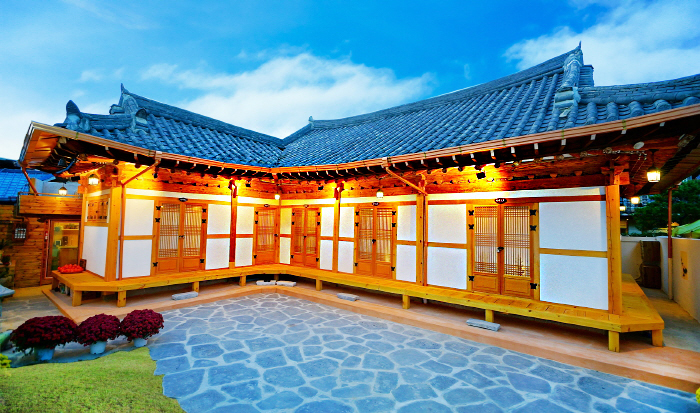
Jeonju Hanok stands at the end of a quiet alley off Eunhaeng-ro in the center of Jeonju Hanok Village, and so is a good base for exploring the village. All guest rooms are ondol-heated and have a loft space that’s popular with children. Water purifiers are installed, and a breakfast of toast, fruit and tea or coffee is provided. The outdoor yard has a table where visitors can relax in good weather.
Jeonju Hanbyuk Cultural Center (전주한벽문화관)
10.2Km 2024-04-06
20 Jeonjucheondong-ro, Wansan-gu, Jeonju-si, Jeonbuk-do
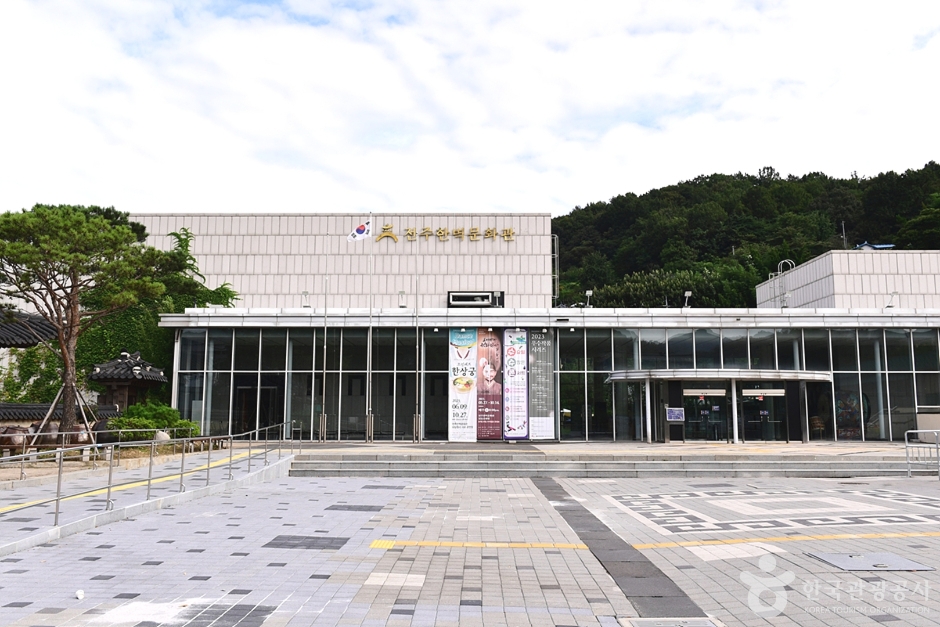
Jeonju Hanbyuk Cultural Center is a complex cultural space for performances and exhibitions located in Jeonju Hanok Village. Visitors can see Jeonju Madang Changgeuk and the "FANTASIE" series of performing arts, which is a genre-neutral performance of Eastern and Western works. The exhibition room displays paintings, sculptures, and engravings. The center provides traditional cultural experience programs, such as traditional food cooking, hanji (traditional Korean paper) crafts, tea ceremonies, and folk paintings. Traditional weddings are also available in the center.
 English
 한국어
한국어 日本語
日本語 中文(简体)
 Deutsch
 Français
 Español
 Русский


