
Ttukseom Hangang Park (뚝섬한강공원)
15.4Km 2024-07-09
139 Gangbyeonbuk-ro, Gwangjin-gu, Seoul
Ttukseom Hangang Park was a famous resort site even before its rebirth as part of the greater Hangang Park. The park consists of various amenities: music fountains, a riverside square, a rose garden, playground, and a nature learning center.
The park boasts an exquisite cultural complex called Jabeolle (J-Bug), offering plenty of art and rest facilities as well as a magnificent view of the Hangang River. Conveniently located near Ttukseom Resort Station, Jabeolle houses a café, tea house, and gift shop, as well as exhibitions by media artists.
Ttukseom Hangang Park is open all year round and has a variety of attractions that change with each season. During the summer season, visitors can enjoy the thrill of windsurfing, waterskiing, and motor boating. During spring and fall, the park has a number of seasonal flower exhibitions. In winter, sledding and skating await.
In addition, the park offers facilities for X-Games, artificial rock climbing, cruise ships, a Saturday Flea Market, a nursing mothers’ rooms, and women's lounges, making the park a popular place for Seoul citizens.
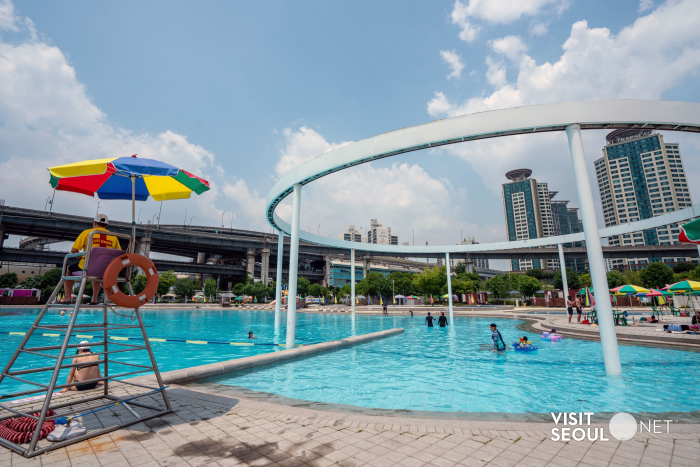
Ttukseom Hangang Park Outdoor Swimming Pool (한강시민공원 뚝섬수영장(실외))
15.4Km 2023-10-06
139, Gangbyeonbuk-ro, Gwangjin-gu, Seoul
The public outdoor swimming pool at Ttukseom Hangang Park is a fun theme park in the middle of the city.
Hema Studio (헤마스튜디오)
15.5Km 2023-06-22
20-10 Nonhyeon-dong, Gangnam-gu, Seoul
Hema Studio is a place that provides experience services for K-pop lovers and is located in Gangnam, Seoul. Hema Studio offers products that allow foreign tourists to record their favorite K-pop songs and shoot personal music videos. You can go through the entire process from recording to cover music video shooting with a 1:1 director. After cover recording and music video shooting are complete, the completed work can be put on a USB and shared with friends and family. It is also possible to upload to SNS such as YouTube and TikTok. Hema Studio is located in the downtown area of Gangnam, so it is easily accessible via public transportation such as subway and bus.
Yeson Voice Center (예송이비인후과 음성센터)
15.5Km 2025-10-23
773 Samseong-ro, Gangnam-gu, Seoul
Yeson Voice Center is the only center of its kind in Korea that implements various high-tech treatment methods.
It provides multilaryngeal muscle Botox injection tailored to patients with spasmodic dysphonia to significantly increase the length of their normal voice period, while increasing the possibility of curing the disease. As such, the center provides patients with spasmodic dysphonia, a disease previously considered incurable, with renewed hope.
Additionally, the center uses advanced surgical techniques, including microflap laryngomicrosurgery, to treat various diseases such as vocal cord nodules, vocal cord polyps, Reinke's edema or vocal fold cyst, allowing patients to recover their clean and clear voices.
The center also provides laryngoplasty, enabling transgender individuals to change their voices to their preferred gender identity, for a thorough transition.
Yeson Voice Center has created a new healthcare treatment culture. It is committed to steadfastly conducting research to provide patients in Korea with new medical services they have not experienced before and to get closer to its patients.
Giheunghosu Lake Park Pet Playground (기흥호수공원 반려동물놀이터)
15.5Km 2024-10-25
79-1 Hagal-ro, Giheung-gu, Yongin-si, Gyeonggi-do
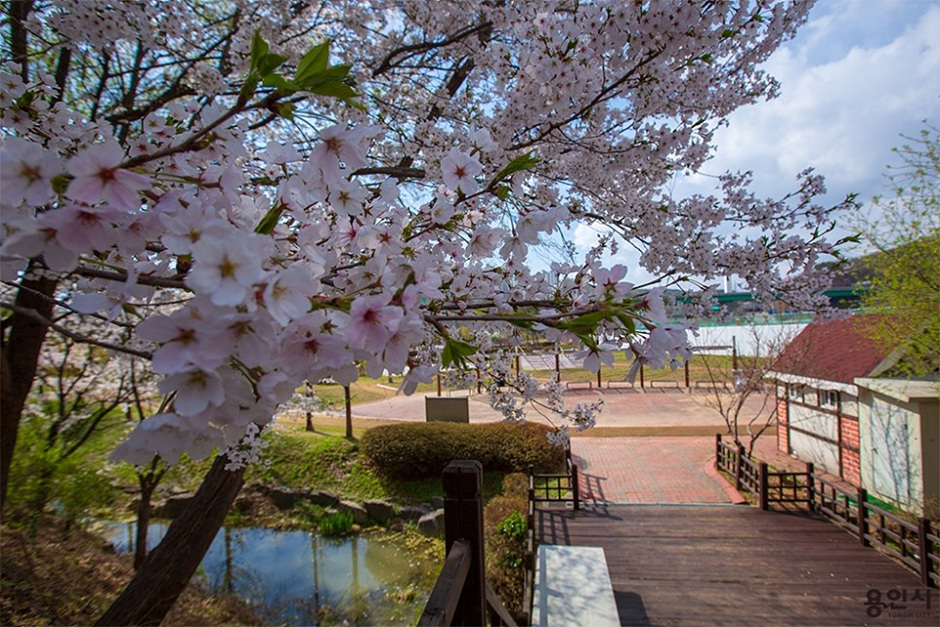
The Giheunghosu Lake Park Pet Playground is a large play area set up for citizens and their canine companions to run around freely. The playground is divided into different sections for large and small breeds for safety. All pet owers using the park must ensure they have waste disposal bags and a leash before entering, and must clean up after their pets. Please note that for sanitary reasons, the use of picnic mats and food is not permitted within the playground.
Minish Dental Hospital (미니쉬치과병원)
15.6Km 2025-10-23
728 Eonju-ro, Gangnam-gu, 728 Eonju-ro, Gangnam-gu, Seoul
Minish Dental Hospital opened in 2007 under the name Today Dental. In December 2018, it became a hospital-grade medical institution after passing the Ministry of Health and Welfare's strict assessments for facilities, medical quality, etc. The hospital has 13 dental specialists with abundant clinical experience, who prioritize no harm, no pain, and no excessive treatments.
Since 2009, Minish Dental Hospital has secured 150,000 clinical cases. Approximately 500 patients who are entertainers, businessmen, or celebrities have visited the hospital.
Designated by the Ministry of Health and Welfare as a medical institution for international patients, Minish Dental Hospital has transformed itself into an excellent medical institution attracting foreign patients from various countries, such as the US, Japan, China, and the Middle East.
Chaum (차움의원)
15.6Km 2025-10-23
(2nd Floor, Pie'n Polus), 442 Dosan-daero, Gangnam-gu, Seoul
Founded in 1960, CHA Hospital has grown into a global medical institution, delivering high-quality care across 91 facilities in 7 countries, backed by over 60 years of medical expertise. Among its distinguished institutions is Chaum, a cutting-edge anti-aging and wellness center that integrates western medicine, oriental medicine, integrative medicine, and holistic approaches, including exercise prescription and food therapy, to promote optimal health.
At Chaum, we go beyond standard checkups. Unlike typical dermatology clinics, we offer advanced skin care solutions utilizing stem cell conditioned media. Our treatments focus on wrinkle prevention, enhancing skin hydration, and reducing melanin production, helping you maintain youthful, radiant skin.
CMC Confidence (씨엠씨 컨피던스)
15.6Km 2025-10-23
#207, Ra-dong, 14 Eonju-ro 148-gil, Gangnam-gu, Seoul
CMC Confidence combines medicine and tours to offer optimized services. It provides special tour services beyond simple medical services. Instead of simply attracting patients, CMC Confidence provides topping tours where patients can experience treatments while traveling with family and friends. The patient's next medical visit becomes an opportunity for joyful travels, rather than treatments. CMC Confidence offers customers new experiences through specialized services in the Gangnam area of Seoul.
Central City (센트럴시티)
15.6Km 2025-03-28
176, Sinbanpo-ro, Seocho-gu, Seoul
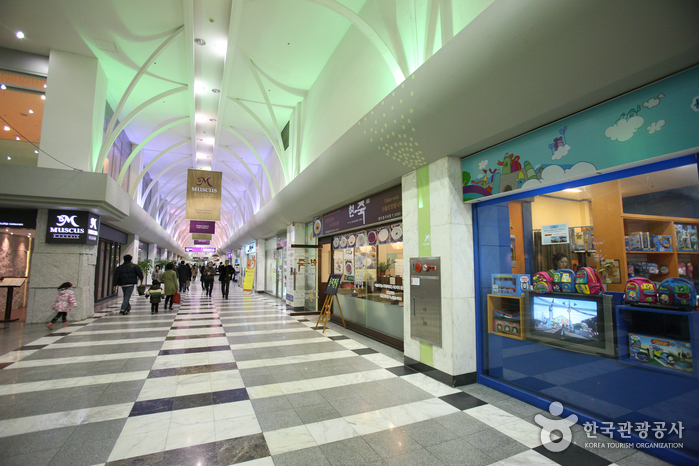
Connected to the Express Bus Terminal Station, Central City is a large lifestyle cultural complex. With in the City are a department store, movie theater, bus terminal, hotel, and shopping malls. Especially, Familie Station & Garden is home to beauty salons, restaurants and coffe shops that are famous and unique. One can also explore attractions such as the Express Bus Terminal Underground Shopping Mall and Banpo Wholesale Flower Market, enriching the experience of the area.
Oganacell Dermatology Clinic (오가나셀피부과의원)
15.6Km 2025-10-23
(2nd Floor, Building A, Cheongdam Square), 420 Dosan-daero, Gangnam-gu, Seoul
Oganacell Dermatology Clinic provides 1:1 personalized skin revision.
Oganacell Dermatology Clinic aims for ‘skin revision’ for ideal skin conditions that naturally become healthy from their root, rather than temporal improvement with simple cosmetic procedures.
Our dermatologists are skilled specialists who have been studying skin for over 10 years. With their treatment experience and know-how, they perform treatments suitable for each customer's skin condition, ensuring high reliability and satisfaction.
We have premium laser equipment supporting the sophisticated technology of Oganacell specialists.
Our dermatologists prescribe the most necessary treatment for each individual after diagnosing the skin, and provide customized and specialized medical services using high-spec & high-performance premium equipment.
 English
 한국어
한국어 日本語
日本語 中文(简体)
 Deutsch
 Français
 Español
 Русский


