
Seoul National Cemetery (국립서울현충원)
18.5Km 2024-03-07
210, Hyeonchung-ro, Dongjak-gu, Seoul
Seoul National Cemetery is a national cemetery for individuals who worked or fought for Korea and sacrificed their lives. It encompasses those who fought for Korea's independence from the late 19th century to the early 20th century, those who perished in the Korean War (1950-1953), and former presidents, totaling over 165,000 individuals. There are exhibition halls and parks with related artifacts. Shuttle buses are provided for the convenience of visitors.

Mouse Rabbit (마우스래빗)
18.6Km 2025-10-30
10, Neungdong-ro 11-gil, Gwangjin-gu, Seoul
SUPER JUNIOR Yesung
SUPER JUNIOR’s Yesung, who loves coffee, opened this cafe with her younger brother. It is also called 'Yesung Cafe' and is visited by domestic fans as well as foreign customers. Yesung serves himself, and it is decorated like a hideout. The cafe building, which consists of the first basement floor and the second floor above ground, catches the eye with a different theme for each floor. Ssamanko Smoothie and Icy Blue Smoothie are popular menu items.
Samseongsan Holy Ground (삼성산성지)
18.6Km 2021-08-17
454-16, Hoam-ro, Gwanak-gu, Seoul
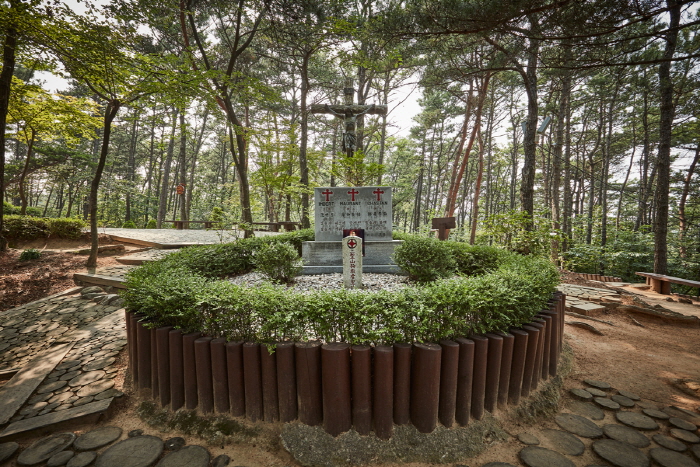
During the Gihae Persecution of 1839, three French Catholic priests were sentenced to death for spreading Catholicism in Korea. Saint Laurent Joseph Marius Imbert (Bishop), Saint Pierre Philibert Maubant (Priest), and Saint Jacques Honore Chastan (Priest) were beheaded on September 21, 1839 at Saenamteo, currently known as the Saenamteo Catholic Holy Place of the Martyrs, and their bodies were buried at Samseongsan Mountain and later transferred to the grotto of Myeondong Cathedral.
Namu Hotel (나무호텔)
18.7Km 2024-06-04
9 Achasan-ro 76ga-gil, Gwangjin-gu, Seoul
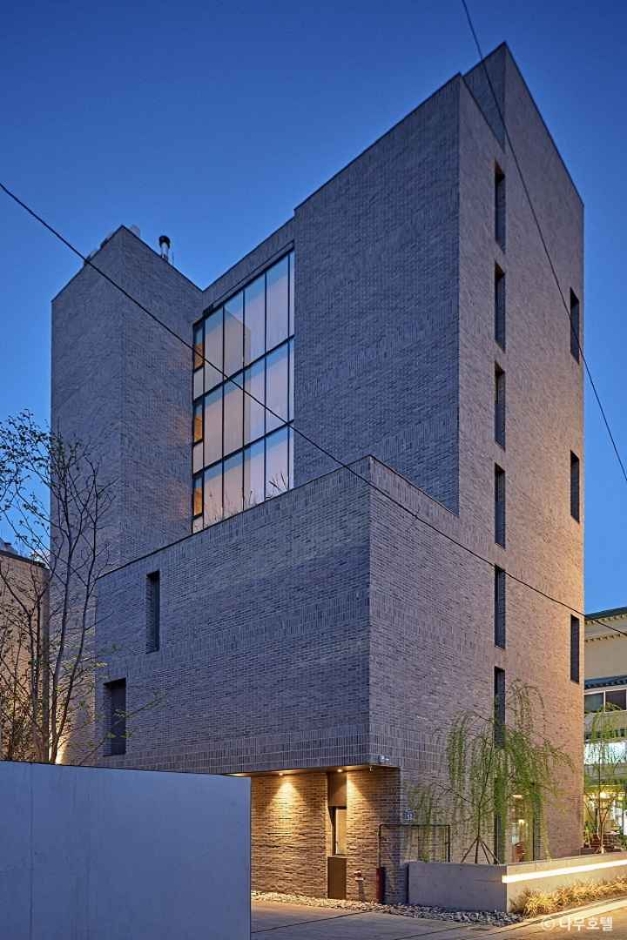
Namu Hotel, which received the Institute of Architects Award, is a hotel with a distictive design. Rather than having the main entrance on a main road, the hotel must be entered through the alley. Each room has its own unique style in terms of structure and furniture arrangement. Most rooms also feature a blacony that allows guests to be one with nature while also being protected from outside forces. Enjoy a soak in the outdoor bathtub to relax.
Youngchive Seongsu (영카이브 성수점)
18.7Km 2025-11-06
1F, 32 Seongsui-ro 18-gil, Seongdong-gu, Seoul
◎ Travel information to meet Hallyu’s charm
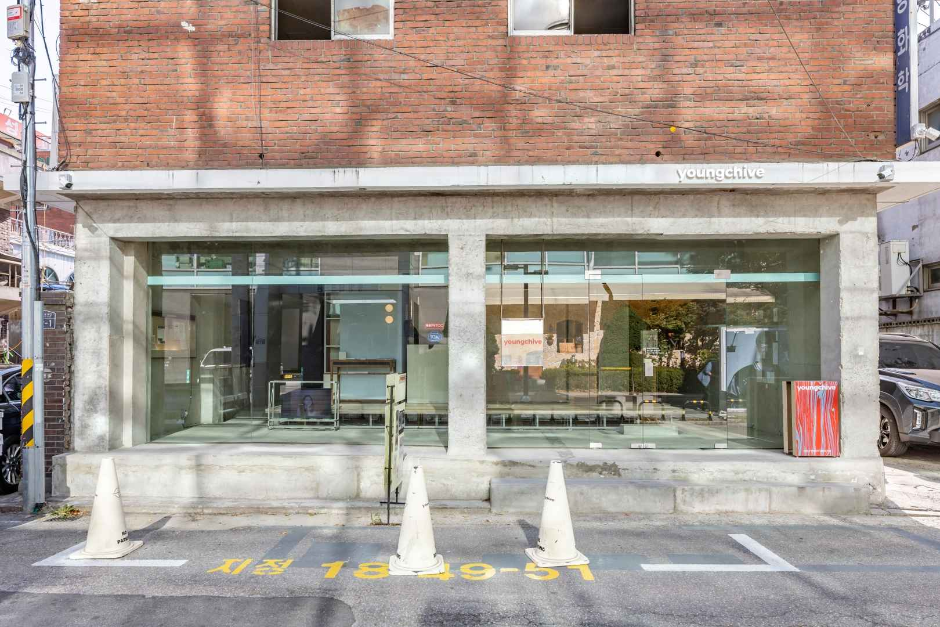
Youngchive Seongsu is the self-photo studio where Red Velvet’s Seulgi took photos with the staff while filming her vlog. It is known for its warm color tones, which set it apart from other self-photo studios. The Seongsu branch offers unique booths, such as the “still room” and “denim room,” which aren’t available at other locations, making it a must-visit spot.
Exprive (주식회사 엑스프리베)
18.8Km 2025-10-23
#705, 38 Ttukseom-ro 13-gil (Seongsu-dong 2-ga, Sangsang Planet), Seongdong-gu, Seoul
Exprive Medical is a certified international patient attraction agency that safely connects overseas patients with Korea’s high-quality medical services. Our main services include discovering and consulting with international patients, coordinating customized hospital connections, and providing interpretation and convenience support. Through personalized services tailored to each patient, we contribute to enhancing the value of Korea’s medical tourism.
Perbacco (페르바코)
18.8Km 2024-09-11
30 Neungdong-ro 16-gil, Gwangjin-gu, Seoul
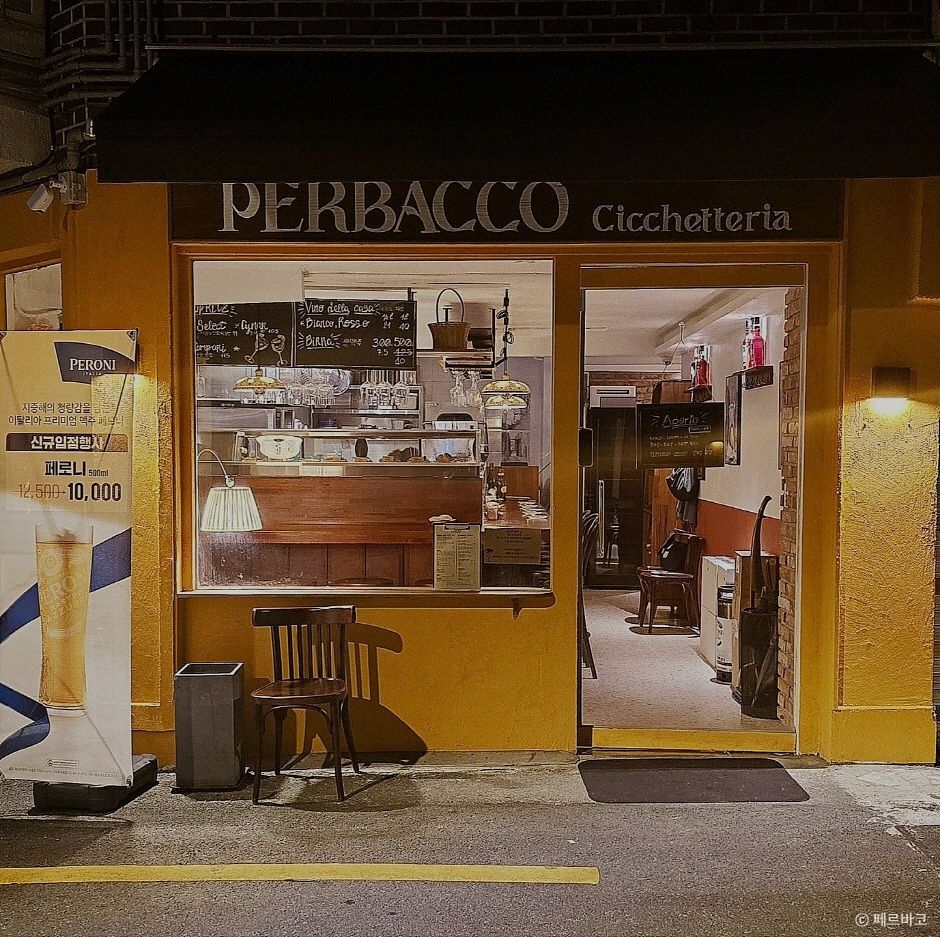
Perbacco is a Venetian style pub, better known as a chicchetteria. The pub offers lesser-known Italian snack fare from Venice, with their main dish being cicchetti, flat slices of bread piled with various ingredients, usually focusing on seafood.
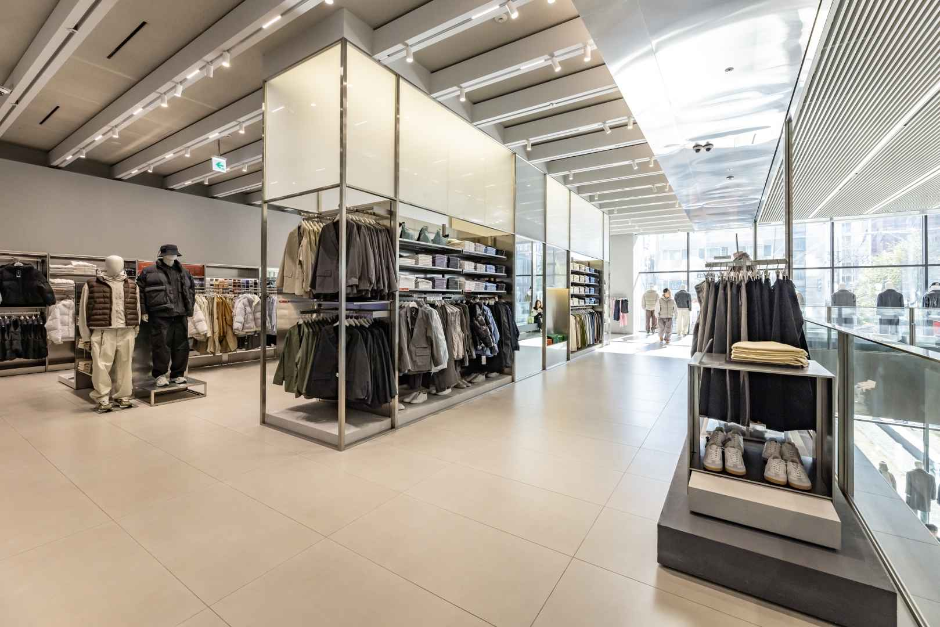
Musinsa Standard Seongsu (무신사 스탠다드 성수)
18.8Km 2025-11-06
83 Yeonmujang-gil, Seongdong-gu, Seoul
Located near Seongsu-dong Café Street, this is the physical store of the online editorial shop MUSINSA. The store offers affordable, high-quality clothing aimed at young adults in their 20s, with neutral colors and minimalist designs popular among Koreans. It’s also a favorite indoor date spot for couples, providing a quick overview of the latest fashion trends.
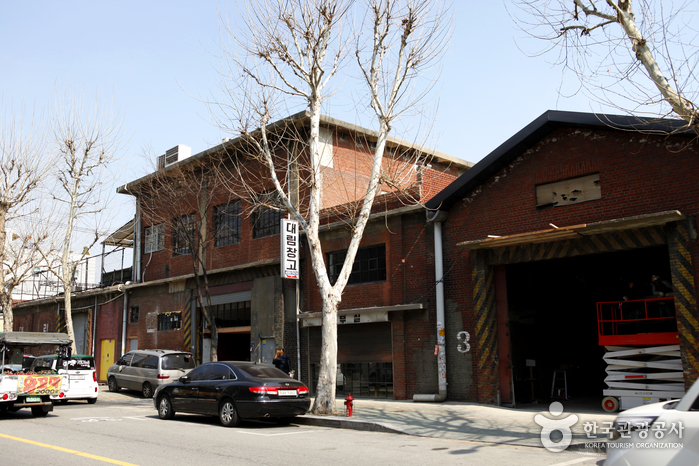
Daelim Changgo Gallery (성수동 대림창고 갤러리)
18.9Km 2025-03-18
78 Seongsui-ro, Seongdong-gu, Seoul
Daelim Changgo Gallery, which is a landmark in Seongsu-dong, is a red-brick building that was once used as a rice mill in the 1970s. It is now a cafe and art gellery that preserves as much of the original rice mill atmosphere as possible so it exudes fascinatingly vintage vibes, widely loved by young couples.
Hangang River (한강)
18.9Km 2024-10-29
257 Gangbyeonbuk-ro, Seongdong-gu, Seoul
The Hangang River is a iconic river in Korea that crosses Seoul from north to south. Various parks and cultural facilities are located along the river, attracting numerous people to enjoy leisure and relaxation. Many people enjoy walking, biking, and jogging along the river. Water sports such as fishing, kayaking, and sailing are also popular, and the night view of the river from a cruise ship makes it even more beautiful. Events such as concerts, drone festivals, and fireworks displays are also a must-see.
 English
 한국어
한국어 日本語
日本語 中文(简体)
 Deutsch
 Français
 Español
 Русский


