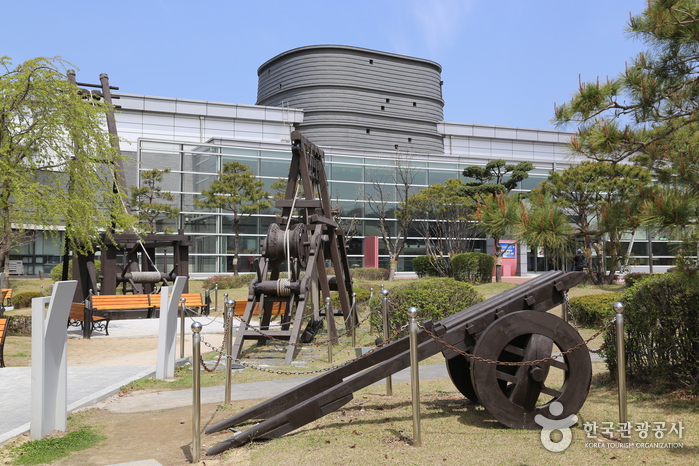
Suwon Hwaseong Museum (수원화성박물관)
16.8Km 2021-12-21
21, Changnyong-daero, Paldal-gu, Suwon-si, Gyeonggi-do
+82-31-228-4242
Suwon Hwaseong Museum presents the history and culture of Suwon Hwaseong Fortress, an important Korean cultural asset and UNESCO World Cultural Heritage Site. Visitors to the museum can learn about the formation of the fortress and the city of Suwon itself through detailed, systematically designed exhititions. The museum houses an extensive collection of items that showcase the construction and development of the fortress, as well as gatherings and events that took place within the fortress.

Seoul National Cemetery (국립서울현충원)
16.8Km 2024-03-07
210, Hyeonchung-ro, Dongjak-gu, Seoul
+82-2-813-9625
Seoul National Cemetery is a national cemetery for individuals who worked or fought for Korea and sacrificed their lives. It encompasses those who fought for Korea's independence from the late 19th century to the early 20th century, those who perished in the Korean War (1950-1953), and former presidents, totaling over 165,000 individuals. There are exhibition halls and parks with related artifacts. Shuttle buses are provided for the convenience of visitors.

Waple Wood Artwork Place (와플목공방)
16.8Km 2025-10-30
5-6 Wangsimni-ro 10-gil, Seongdong-gu, Seoul
Interior items made from wood
This workshop is visited by celebrities such as Park Narae of the entertainment program 'I Live Alone' and KAI of EXO. It is also the place where the senior wooden box that appeared in the movie 'PARASITE' was made. You can make your own interior accessories such as chairs and tabletops using hardwood. One-day classes on making ballpoint pens and mechanical pencils are also popular.
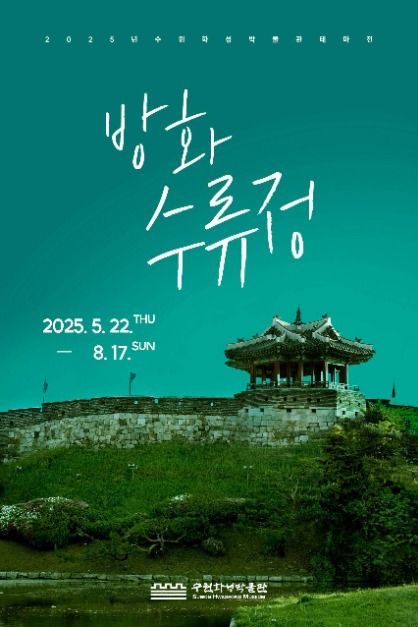
Suwon Hwaseong Museum Themed Exhibition Banghwasuryujeong Pavilion (수원화성박물관 테마전 방화수류정)
16.8Km 2025-07-14
21 Changnyong-daero, Paldal-gu, Suwon-si, Gyeonggi-do
+82-31-228-4209
Banghwasuryujeong Pavilion stands looking over the Hwahongmun Gate and Yongyeon Pond and is a place where the aspirations of King Jeongjo live on. Suwon Hwaseong Fortress has a total of four pavilions, and Banghwasuryujeong Pavilion is located on the northwestern side of the fortress. The fortresses were built to act as a watchtower for keeping an eye on outside invasion, with Banghwasuryujeong Pavilion being located at the most strategic point. Although it was built as a military watchtower, it was designed to also act as a pavilion, and Banghwasuryujeong Pavilion was recognized as a National Treasure in 2011 for outstanding techniques and aesthetics that represent the Joseon dynasty in the 18th century.
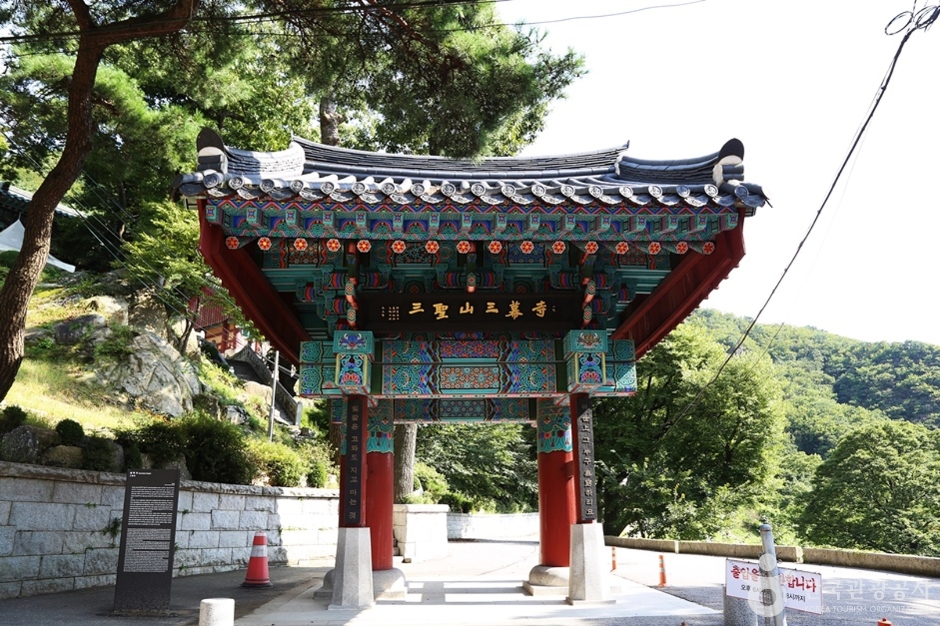
Sammaksa Temple (삼막사)
16.8Km 2024-02-07
478 Sammak-ro, Manan-gu, Anyang-si, Gyeonggi-do,
Sammaksa Temple is a Buddhist temple located in Samseongsan Mountain. Legend has it that the temple was established in 667 by Wonhyo, a Buddhist philosopher from the Silla era. Within the temple grounds are Cheonbuljeon Hall, Yukgwaneumjeon Hall, Myeongbujeon Hall, Manghaeru Pavilion, Chilbogak House, among others. The temple holds heritages like the Rock-carved Buddha Triad and the Fertility Stones. These artifacts, symbolizing the fusion of Buddhism and folk religion, highlights the ancient nature of the place.
Haengnidan Street (행리단길)
16.8Km 2025-06-18
43 Hwaseomun-ro, Paldal-gu, Suwon-si, Gyeonggi-do
Haengnidan Street is a stretch of approximately 612 meters from Hwahongmun Gate of Hwaseong Fortress to Hwaseo Park. The name Haengnidan Street originates from Haenggung-dong (Haenggung referring to the king's temporary palace) and Gyeongnidan Street, a popular area in Itaewon, Seoul. This vibrant district seamlessly blends tradition and modernity, featuring a variety of unique restaurants, stylish cafés, concept stores, and exhibition spaces. It has become one of Suwon's most iconic attractions.
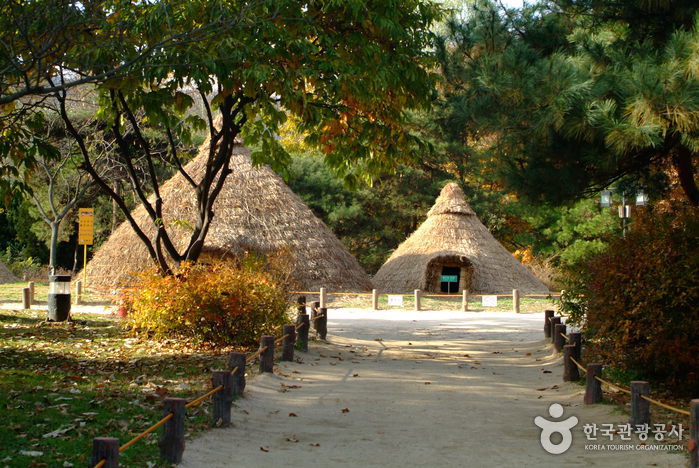
Archaeological Site in Amsa-dong, Seoul (서울 암사동 유적)
16.8Km 2021-07-27
875, Olympic-ro, Gangdong-gu, Seoul
+82-2-3425-6520
The Archaeological Site in Amsa-dong reproduces the lifestyle of the Neolithic Era. Even the entrance gate is shaped like a huge dolmen and the trash cans are ancient diagonal-line patterned earthenware. Archaeological Site in Amsa-dong was excavated in 1925 when a flood washed away the soil on the banks of the Hangang River and exposed a large number of diagonal-line patterned earthenware. After several excavations, the Archaeological Site in Amsa-dong was established.
The site was a location for a massive colony, thus many ancient buildings, stone axes and stone arrows have been uncovered as well as countless diagonal-line patterned earthenware. The housing site is round with a spot in the center for fire. The site is colossal and possesses nine mud huts, two exhibition halls displaying ancient artifacts and an open mud hut where visitors can experience life in the Neolithic Era. The site offers many attractions such as mud huts and promenades. Archaeological Site in Amsa-dong is also very educational for children and families who want to learn and experience the Neolithic Age.
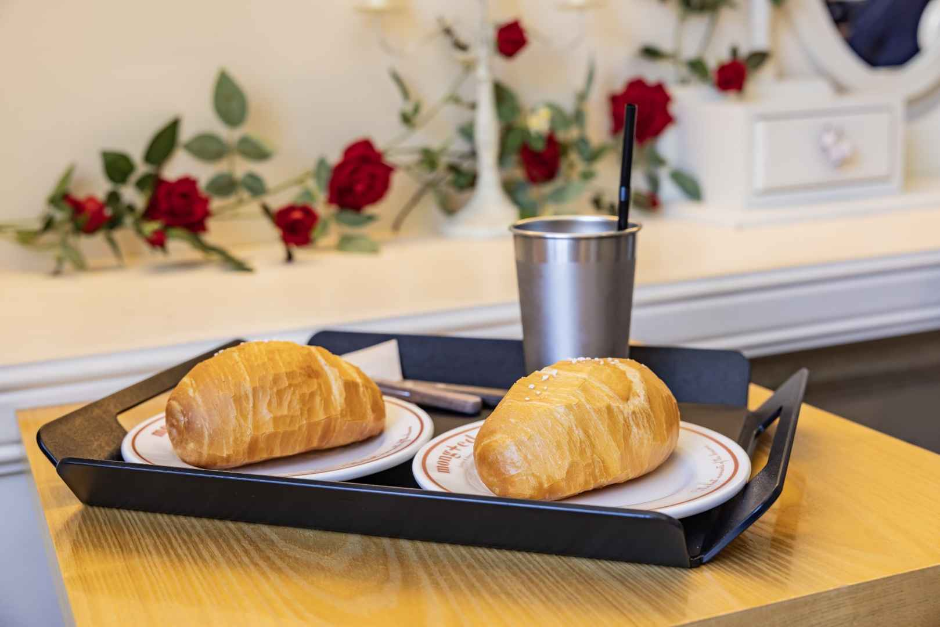
Mong Ted (몽테드)
16.8Km 2025-11-06
14 Hwaseomun-ro 48beon-gil, Paldal-gu, Suwon-si, Gyeonggi-do
◎ Travel information to meet Hallyu’s charm – TV series “Lovely Runner”
Café Mong Ted appears as Sol’s house in the drama, with the blue-gate house across the alley as Sun-jae’s residence. Take a stroll down the alley, perhaps with a yellow umbrella, to feel like the characters in “Lovely Runner.”
Amsa-dong Prehistoric Site Museum (암사동선사유적박물관)
16.9Km 2023-12-22
875 Olympic-ro, Gangdong-gu, Seoul
The archaeological sites in Amsa-dong, Seoul, were a collective settlement where people lived during the Neolithic Age about 6,000 years ago and became known to the world after the sand dunes along the Hangang River caved in during the great flood of 1925, exposing numerous pieces of comb-patterned pottery. The area designated as a historic site in 1979, and excavation of the site took place from 1981 to 1988. The cultural heritage protection area was expanded to a total area of 78,133㎡. Currently, nine Neolithic dugout huts and one experiential dugout hut have been restored. The exhibitions currently open to the public are Exhibition Hall 1, which displays a restoration of a Neolithic Age dugout, and Exhibition Hall 2, which displays various panels and models to help understand the prehistoric era as a whole.
![Himart - Jeongjasageori Branch [Tax Refund Shop] (하이마트 정자사거리)](http://tong.visitkorea.or.kr/cms/resource/93/2889993_image2_1.jpg)
Himart - Jeongjasageori Branch [Tax Refund Shop] (하이마트 정자사거리)
16.9Km 2024-04-19
286, Suseong-ro, Jangan-gu, Suwon-si, Gyeonggi-do
-
 English
 한국어
한국어 日本語
日本語 中文(简体)
 Deutsch
 Français
 Español
 Русский


