
Seoul National University Bundang Hospital (분당서울대학교병원)
3.8Km 2025-10-23
3rd Floor, Building 1, International Healthcare Center
Seoul National University Bundang Hospital (SNUBH), established in 2003 as the world’s first fully digital hospital, is a global leader in healthcare. With 1,335 beds and over 7,000 daily outpatient visits, it carries the 130-year legacy of Seoul National University Medical School. SNUBH leads minimally invasive and robotic surgeries and enhances patient safety and efficiency through the BESTcare system. Its Outcome Book and Innovation Institute promote transparency and research, and the hospital is a GHA-accredited global medical institution.
Medictel Co., Ltd.(㈜메딕텔)
4.2Km 2025-10-23
(#428-36), 46 Dolma-ro, Bundang-gu, Seongnam-si, Gyeonggi-do
Medictel was established in February 2014. With over 10 years of experience, over 1,500 patients from all over the world have visited us so far. Medictel is a safe and reliable medical tourism company certified by the Korean government. We have an experienced team responsible for finding the best hospitals and doctors in Korea that are right for you.
![Himart - Ori Branch [Tax Refund Shop] (하이마트 오리점)](http://tong.visitkorea.or.kr/cms/resource/80/2881780_image2_1.jpg)
Himart - Ori Branch [Tax Refund Shop] (하이마트 오리점)
5.3Km 2024-04-19
5, Gumi-ro, Bundang-gu, Seongnam-si, Gyeonggi-do
-
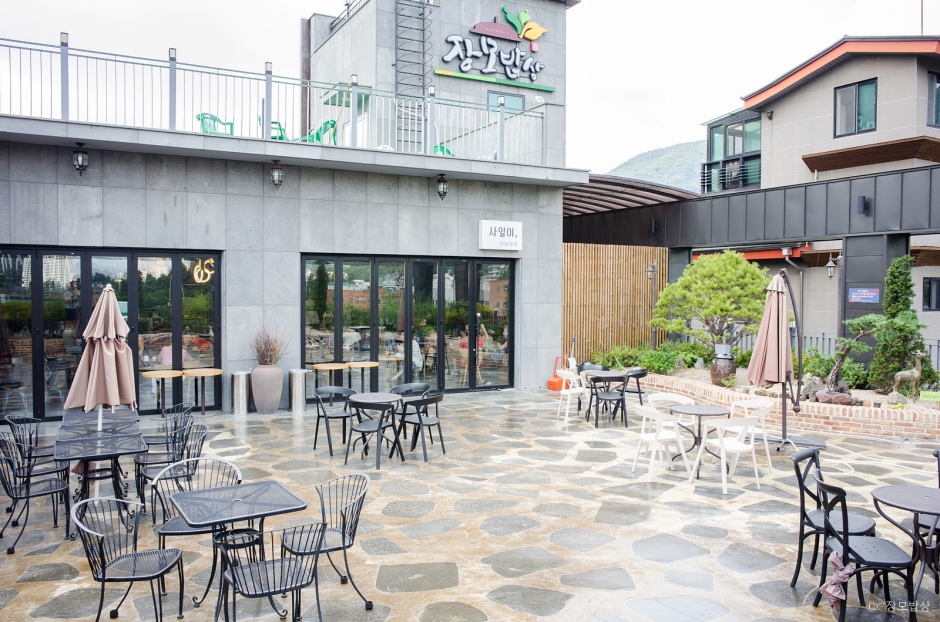
Jangmo Bapsang (장모밥상)
5.9Km 2024-10-15
5, Haogae-ro 344beon-gil, Bundang-gu, Seongnam-si, Gyeonggi-do
This restaurant specializes in elegant Korean table d’hote. Order the flagship set menu, Jangmo Bapsang, which includes nearly 20 types of side dishes. These dishes range from Saengseongui (Grilled fish), Suyuk (Boiled pork slices), Ganjanggejang (Soy sauce marinated crab), Japchae, Kimchi, Doenjangjjigae (Soybean paste jjigae), Namul (Salad), and Cheongpomukmuchim (Mung bean jelly salad), all served with Gamasotbap (Rice Cooked in Cast-iron Pot). You can enjoy extra servings of side dishes from the self-service bar. The dishes are known for their refined taste. After your meal, enjoy a cup of tea at the café on the second floor.
Korean Deungjan Museum (한국등잔박물관)
7.2Km 2021-12-09
8, Neunggok-ro 56beon-gil, Cheoin-gu, Yongin-si, Gyeonggi-do
+82-31-334-0797
Deungjan, Korean lamps that used to light up the nights in Korea, have all but disappeared into the ‘back streets’ of history. However, they have now been gathered in one place – the Korean Deungjan Museum – where their enchanting flames are once again illuminating Korea. Based on materials that were collected for roughly 40 years by the now octogenarian Dr. Kim Dong-hwi, the Korean Deung-Jan Museum was established in September 1997 as a theme museum of Gyeonggi Province in Neungwon-ri, Mohyeon-myeon, Yongin City, Gyeonggi Province. The museum was built to mimic the image of the fortress walls in Hwaseong, Suwon, and as a result the building bears a resemblance to a lighthouse. The first and second floors of the building, which has one underground floor and three floors above ground, are exhibition halls. The basement floor is a rest area for seminars and a wide range of performances. There is also an outdoor exhibition space that measures around 2,644 square meters and includes native rocks, various types of trees, and a pond.
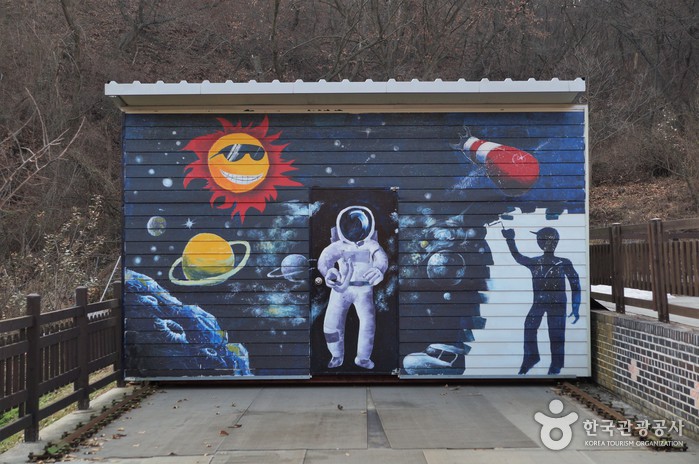
Bundang Astro Camp (분당 어린이천문대)
7.4Km 2022-08-26
132-1, Osan-ro, Cheoin-gu, Yongin-si, Gyeonggi-do
+82-31-322-3245
The Astro Camp was established to encourage young children to take an interest in space and natural science and to develop creative problem-solving skills. The Children's Observatory provides a wide range of educational programs developed by expert educators from diverse fields of majors at Yonsei University.
In the future, the observatory hopes to continue to expand its experience-centered, in-depth educational programs to help children reach a better understanding of astronomy and natural science principles. Programs focus not only on providing children with accurate information, but also seek to encourage participants to be self-motivated thinkers.
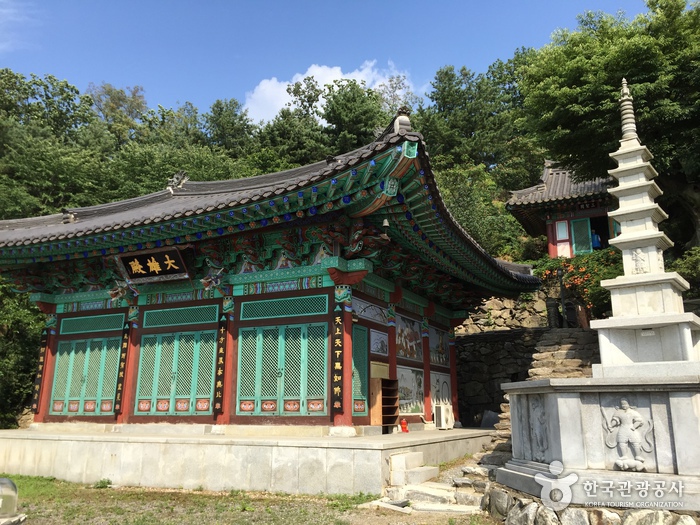
Manggyeongam Hermitage (망경암)
7.7Km 2021-04-24
72, Taepyeong-ro 55beon-gil, Sujeong-gu, Seongnam-si, Gyeonggi-do
+82-31-753-3090
Manggyeongam’s name derives from the hermitage's view of Seoul, and is located in Bokjeong-dong of Seongnam, Gyeonggi-do. Manggyeongam
Hermitage is said to be the place where kings of the late Goryeo and early Joseon periods prayed for peace for their subjects. In addition, Prince Pyeongwon, the 7th son of King Sejong, and Grand Prince Jean built an altar at Mangyeongam Hermitage and Chilseongdae Peak and pledged filial piety.
The hermitage is more widely known for its connection to the Chilseong faith, in which believers worship
Chilseong (the Seven Stars). It is easily recognized by the written records inscribed into the rock wall. Located at the hermitage is the Rock-carved Seated Buddha, an original work of the hermitage that is also designated Gyeonggi-do’s Tangible Cultural Asset No. 102. The Buddha is embossed inside a deep hole in the rock. In the words inscribed near the statue, there is also a legend that says Lee Gu-seung carved Gwaneum Statue near Rock-carved Seated Buddha and built the hermitage in 1897.
Next to the hermitage is a pond called “Bokumul,”
which means “blessed sugared water.” The neighborhood of Bojeong-dong takes its name from this pond. At the hermitage, Daeungjeon Hall (the main hall), Samseonggak Shrine (shrine for three spirits), and Mireukjeon Hall were all established fairly recently. The hermitage site also includes a huge Mireuk Daebul statue (Great State of Maitreya Buddha) and a five-story stone pagoda.
![Himart - Suji Branch [Tax Refund Shop] (하이마트 수지점)](http://tong.visitkorea.or.kr/cms/resource/97/2889997_image2_1.jpg)
Himart - Suji Branch [Tax Refund Shop] (하이마트 수지점)
8.3Km 2024-04-19
317, Poeun-daero, Suji-gu, Yongin-si, Gyeonggi-do
-
Hankuk Art Museum (한국미술관)
8.4Km 2021-12-09
244-2, Mabuk-ro, Giheung-gu, Yongin-si, Gyeonggi-do
+82-31-283-6418
The Hankuk Art Museum first opened its door to the public in March 1983 in Gahoe-dong and was later moved to its current location. Focusing on modern art and the promotion of Korean art, the gallery presents special displays and open-run exhibitions mainly featuring contemporary art as well as providing art education classes.
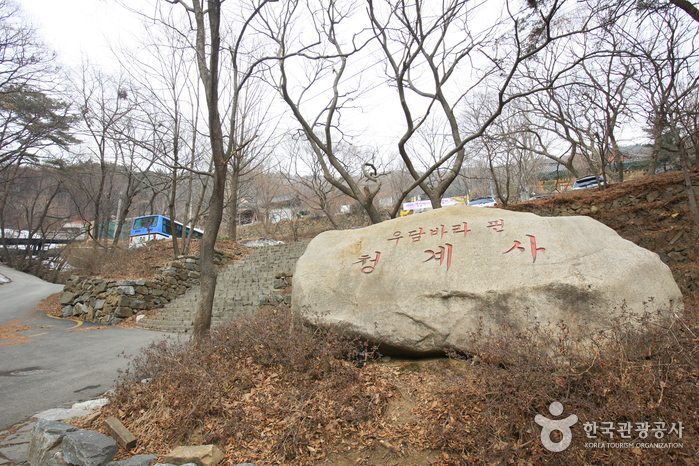
Gyeonggi Cheonggyesa Temple (청계사(경기))
8.5Km 2021-11-23
475, Cheonggye-ro, Uiwang-si, Gyeonggi-do
+82-31-345-2533
Cheonggyesa Temple is a Buddhist temple near Baegunhosu Lake that became well-known as the site of udumbara flower, a rarity that blooms on Buddhist statues. Built during the Silla Kingdom, the temple offers many sights, including the Cheonggyesa Temple Monument, Geungnakjeon Hall, the bell tower, Samseonggak Shrine, Ksitigarbha Hall, and Gamnoji Pond. Among the many things to see, visitors should not miss a glimpse of the Bronze Bell of Cheonggyesa Temple and the Wood Printing Block in Cheonggyesa Temple. Created in the 27th year of the reign of King Sukjong (1701) of the Joseon dynasty, the Bronze Bell has been designated as a national treasure, and is adorned with elaborate patterns.
 English
 한국어
한국어 日本語
日本語 中文(简体)
 Deutsch
 Français
 Español
 Русский


