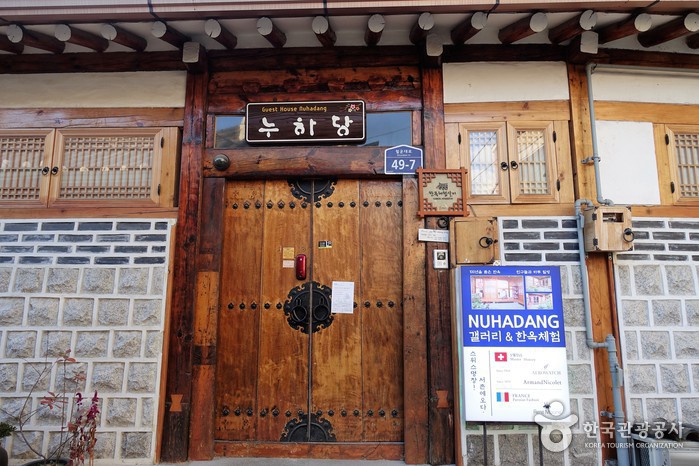
NUHADANG(누하당)
16.4Km 2024-06-20
49-7 , Pirundae-ro, Jongno-gu, Seoul
+82-2-3391-0010, +82-10-4347-5768
Nuhadang is a traditional hanok with over 100 years of history. It is located in a quiet spot in Seochon, Jongno-gu, Seoul, where many scholars and artists have lived since Joseon times. Rooms are wallpapered with eco-friendly Korean paper, and thick cotton blankets and cypress pillows will sooth travelers' fatigue. In the yard and small garden you can experience traditional Korean culture: janggu drumming, the game of yunnori, and Hanbok clothing. Walking the streets of Seochon - past Yun Dong-ju's hostel, Park No-su's art museum, and Lee Sang's house - you can still feel the atmosphere of old Seoul.
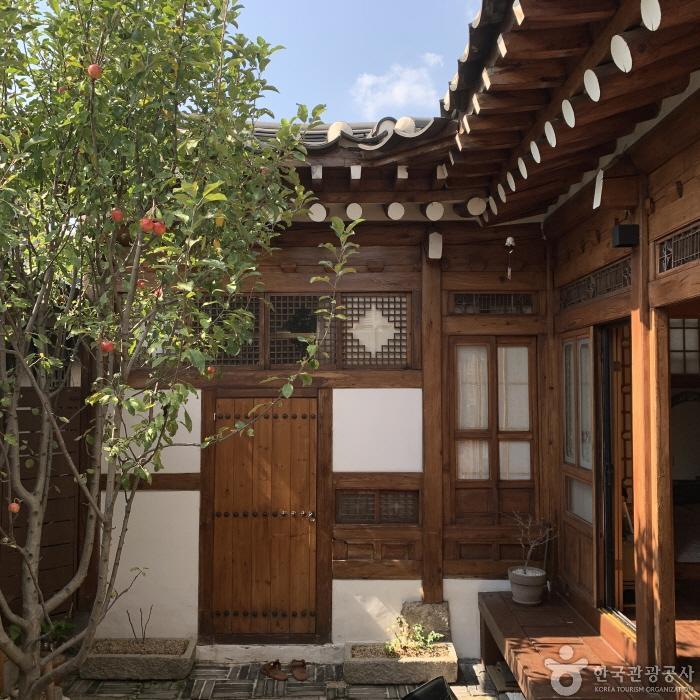
SOSO House (소소하우스)
16.4Km 2024-12-13
16-5 , Pirundae-ro 5ga-gil, Jongno-gu, Seoul
+82-10-5286-0704
Soso House is a private hanok stay located in Seochon, Jongno-gu, Seoul. Once you enter the gate, you are greeted by a small yard paved with stones and an alpine apple tree. There is a stool on one side of the yard where you can enjoy a cup of tea on a sunny day. In the daecheong maru (wooden-floored hall, there is a master bedroom on one side and a kitchen on the other, and the master bedroom has an attic. Cooking is allowed, and complimentary breakfast includes toast, salad, and coffee, as well as complimentary homemade fruit syrup and tea bags. Gyeongbokgung Palace, Seoul Museum of History, and Park No-Soo Art Museum are all within walking distance.
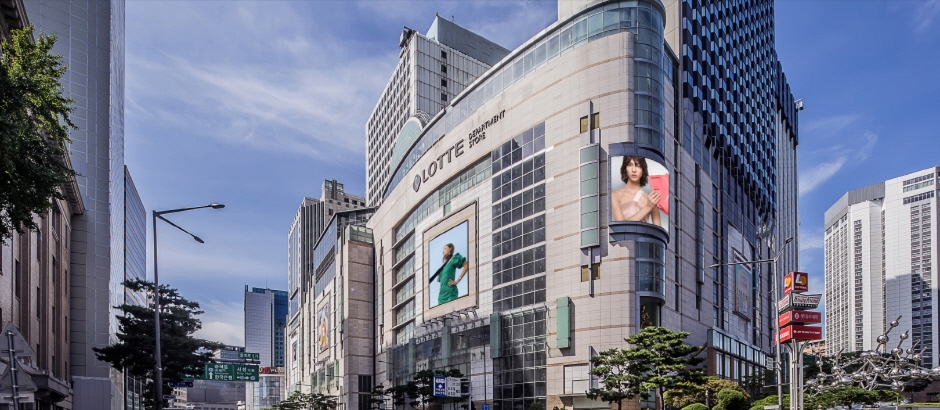
LOTTE Department Store - Myeongdong Main Store (롯데백화점 (본점))
16.4Km 2024-05-17
81, Namdaemun-ro, Jung-gu, Seoul
+82-2-2200-0111
LOTTE Main store is the original branch of LOTTE Department Store, situated in the heart of Korea's bustling tourism hub, Myeong-dong. Shoppers can enjoy their time in the premium life-style shopping place with Luxury & Trendy brands.

Dr. Kim's Stem Cell Clinic (김현수내과의원)
16.4Km 2025-11-26
(7th Floor, Ssangbong Building), 874 Eonju-ro, Gangnam-gu, Seoul
As the only stem cell therapy hospital in Korea, we continue to treat patients with Cellgram®, the world's first stem cell drug. We have established a collaboration system for stem cell therapy with major hospitals in Korea including Severance Hospital, Asan Medical Center, and Samsung Medical Center. In November 2023, we were designated by the Ministry of Health and Welfare as an Advanced Regenerative Medicine Organization, and continued our stem cell research.
Dr. Kim’s Stem Cell Clinic has a wealth of technology and experience in the treatment of various diseases using adult stem cells.
Dr. Kim Hyun Soo, a specialist with 32-year practice experience, uses autologous stem cells to treat conditions such as heart disease, cirrhosis, multiple sclerosis, spinal cord injury, and stroke.
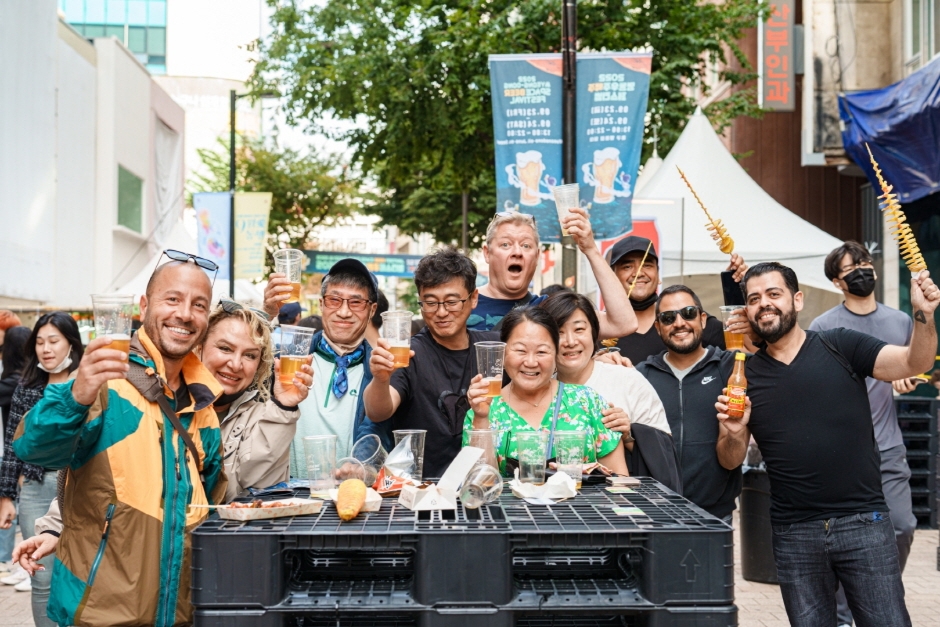
Myeongdong Beer Festival (명동맥주페스티벌)
16.4Km 2025-05-20
14, Myeongdong-gil, Jung-gu, Seoul
+82-70-8670-2182
Myeongdong Beer Festival provide a chance to find one's preference through beer. Enjoy the cool fall weather with fun people all around.
Cheongdam Park (청담공원)
16.4Km 2021-07-30
26, Yeongdong-daero 131-gil, Gangnam-gu, Seoul
+82-2-3423-6248
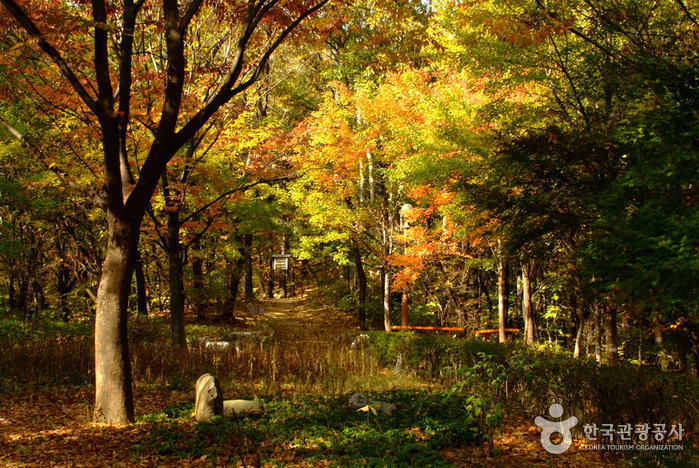
Up until the early 1960's, people would cross the Hangang River from Ttukseom Ferry Dock and arrive in Cheongdam-dong. Although highly developed, Cheongdam Park remains as a soothing natural oasis that is relatively untouched by city pollution. Following the trail, there is a small exercise area and playground. The park is quite crowded in the morning with people exercising. The tightly woven trees in the park offers a resting place to enjoy fresh air. The park size is 59,347 ㎡.
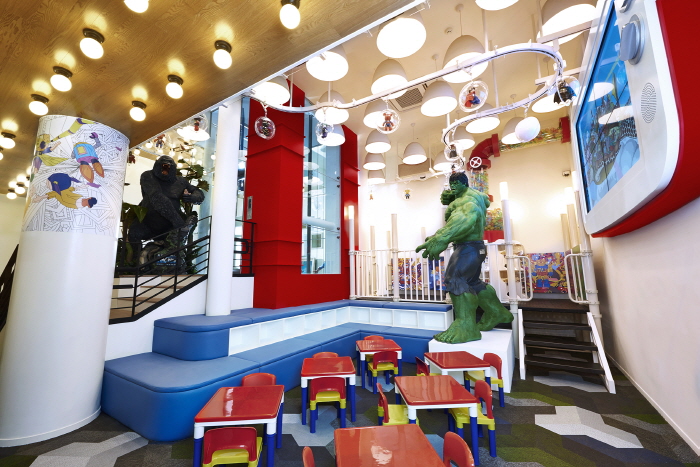
Figure Museum W (피규어뮤지엄W)
16.4Km 2024-03-18
3, Seolleung-ro 158-gil, Gangnam-gu, Seoul
+82-2-512-8865
The Figure Museum W is a new concept museum that combines the appeal of figurines with Enter-Tour-Ment. It integrates some functions of theme parks to create a space for a new play culture and healthy hobbies. In Figure Museum W, visitors can meet special figurines, experience the appeal of figurines, and trace the history and the world of figurines.
Arumdaun Nara Dermatology Clinic - Myeongdong (아름다운나라피부과의원 명동점)
16.4Km 2025-11-21
4th Floor, 6 Myeongdong 8na-gil, Jung-gu, Seoul
Founded in 2000. Our clinic is led by a board-certified dermatologist. One of only 2% of doctors in Korea who are certified dermatology specialists who personally provides all consultations and treatments.
Gwanghwamun Hanokjip (광화문한옥집)
16.4Km 2024-10-15
7, Saemunanro5ga-gil, Jongro-gu, Seoul
+82-2-731-2500
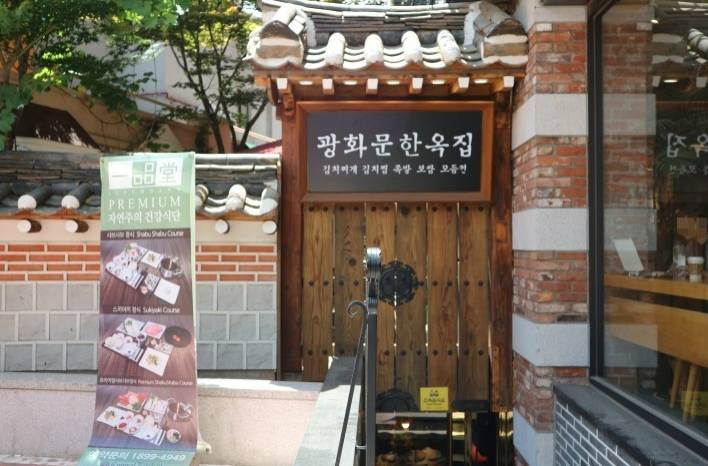
A store with rooms reproducing a traditional kitchen. The best menu at this restaurant is napa wraps with pork. This is a Korean cuisine located in Gwanghwamun Gate, Seoul.
Kwonsooksoo (권숙수)
16.4Km 2024-06-21
4F, 37 Apgujeong-ro 80-gil, Gangnam-gu, Seoul
+82-507-1354-6268
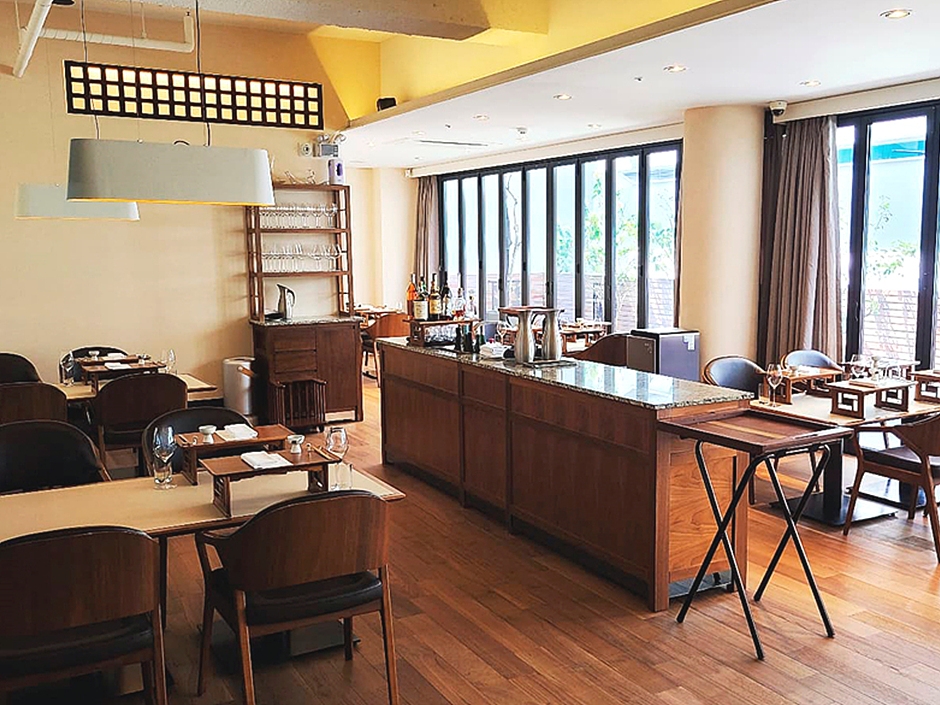
Kwonsooksoo, a distinguished Korean restaurant near Dosan Park, offers modern interpretations of traditional Korean dishes, crafted with premium ingredients from across Korea, handmade fermented sauces, and salted seafood. The restaurant's standout offering is its Lunch Course, featuring an array of dishes that include a welcome drink, an assortment of small appetizers, guemtaejjim (steamed blackthroat seaperch), mineogui (pan-fried croaker), baekhapjuk (clam porridge), and kongguksu (noodles in cold soybean soup). Additionally, options like wet aged Korean beef striploin steak and the renowned Korean beef tteokgalbi are available for an extra charge. Nearby attractions include the UNESCO World Heritage Sites of Seolleung and Jeongneung Royal Tombs, as well as COEX, adding cultural and historical context to the dining experience.
 English
 한국어
한국어 日本語
日本語 中文(简体)
 Deutsch
 Français
 Español
 Русский


