
Gyeonggi Janggyeongsa Temple (장경사(경기))
4.8Km 2025-01-14
676, Namhansanseong-ro, Gwangju-si, Gyeonggi-do
Janggyeongsa Temple is located in Namhansanseong Fortress. Namhansanseong Fortress, which protected Seoul along with Bukhansanseong Fortress, was built at the same time as Janggyeongsa Temple in 1638, during the 16th year of King Injo. Warrior monks from all eight provinces throughout the country helped with the construction. Janggyeongsa Temple is the only remaining temple among nine such temples where military groups made up of monks stayed for trainings.
Soma Museum of Art (소마미술관)
4.9Km 2023-04-13
424, Olympic-ro, Songpa-gu, Seoul
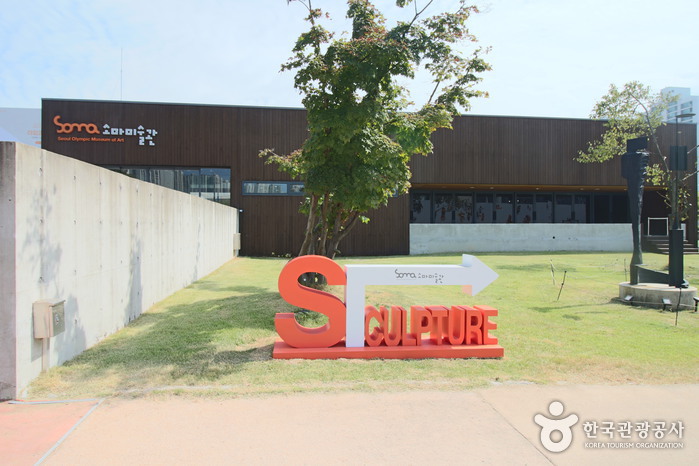
Soma Museum of Art was opened in September 2004 as a cultural space amid the nature of Seoul Olympic Park. The museum displays over 222 sculptures, and offers a variety of cultural and educational programs, including the nation's first drawing center and archive.
Seoul Mongchontoseong Earthen Fortification (서울 몽촌토성)
4.9Km 2024-03-12
424, Olympic-ro, Songpa-gu, Seoul
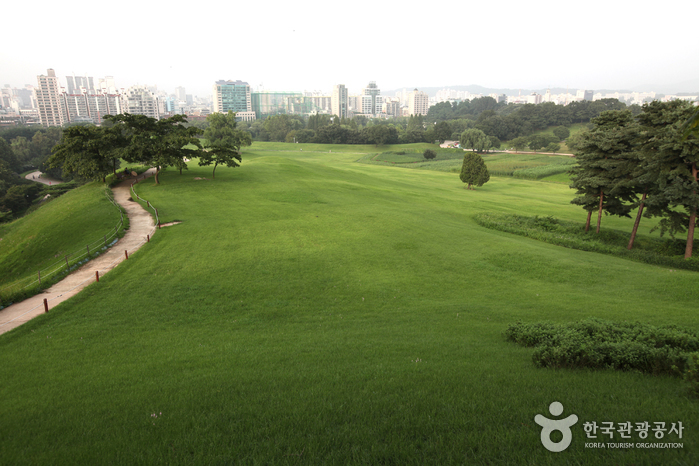
Mongchontoseong Earthen Fortification is an ancient earthen fortress built during the Hanseong period of the ancient Korean kingdom of Baekje (BC 18-AD 660). It is believed to have been constructed in the 3rd to 4th centuries. Utilizing the natural advantages of the Hangang River, it served defensive purposes with its trench and log barrier. Excavated relics from the Baekje era are on display at the Seoul Baekje Museum. The site is situated within the Olympic Park in Songpa, Seoul.
Mongchon Museum of History (몽촌역사관)
5.0Km 2021-08-13
424, Olympic-ro, Songpa-gu, Seoul
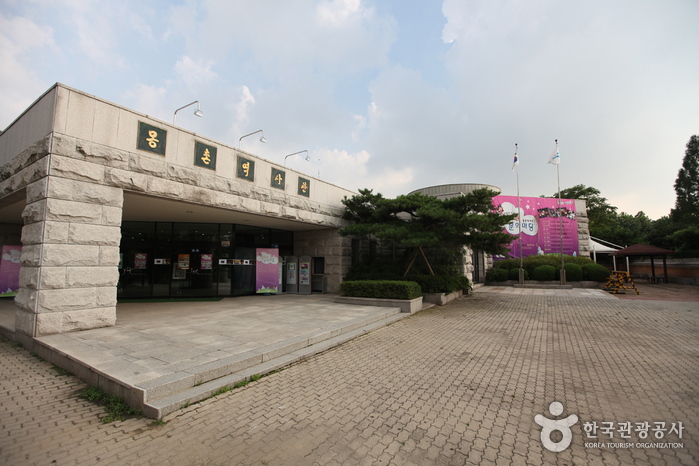
The Mongchon Museum of History, located within Olympic Park, displays artifacts from the excavations of Mongchontoseong Fortress, such as earthen fortifications as well as other artifacts of the Baekje Kingdom period, offering a glimpse into Baekje culture. A model of a Baekje dugout hut site reveals ancient dwelling patterns. Also, the facility displays a perfectly preserved model of ancient houses and tombs, giving visitors the feel of traveling back to prehistoric ages.
Daejanggeum (대장금)
5.1Km 2024-11-29
300, Olympic-ro, Songpa-gu, Seoul
Daejanggeum serves traditional Korea meals, reinterpreting royal dishes from the Joseon dynasty. Daejanggeum faithfully uses only the best local ingredients to make all their food, from the soybeans used for soy sauce and soybean paste, to kimchi. In addition to the food, guests can enjoy dining with lacquerware from Korea's Holder of Intangible Heritage, Mr. Yi Jin-ho, and forged works by 5th generation blacksmith, Cha Ingyu.
Lotte World Tower SEOUL SKY (롯데월드타워 서울스카이)
5.1Km 2024-11-28
300 Olympic-ro, Songpa-gu, Seoul
SEOUL SKY is located on floors 117-123 of Lotte World Tower, the nation's tallest and the world's fifth tallest building. The observatory offers a panoramic view of the entire capital city, beautiful both day and night. SEOUL SKY is comprised of an exhibition zone, observation deck, sky deck, dessert cafe, sky terrace, lounge, and more.
To get to Seoul Sky, visitors have to take the Sky Shuttle, a double-deck elevator that reaches a speed of 600 meters per minute. The one-minute ride feels quite short while watching the videos playing on the walls and ceiling. While waiting for the elevator up, visitors can enjoy art in the exhibition zone in basement levels 1-2. The exhibition includes artwork displaying the history, culture, and pride of Korea's foundation and success over the centuries. Visitors can also purchase Seoul Sky merchandise from the gift shop to remember their trip or give as a souvenir.
The observation deck has two story-high glass windows for an uninterrupted view. The Sky Deck, located at 478 meters, holds the Guinness World Record as the highest glass-floored observatory in the world. On days when visibility is limited, visitors can still enjoy a clear sky through the Sky Theater. The 120 floor holds the Sky Terrace, open to the elements.
Visitors looking for refreshments can enjoy the one-of-a-kind menu served at the dessert cafe Sky Friends Cafe on level 119, or refreshing wine sold at the premium lounge on floor 123. This cozy space is the highest lounge in Seoul and is perfect for taking in the view in a relaxing ambiance.

Lotte World Tower & Mall (롯데월드타워&롯데월드몰)
5.2Km 2024-11-28
300 Olympic-ro, Songpa-gu, Seoul
Lotte World Tower was designed with a conceptual motif inspired by Korean ceramics and writing brushes. With 123 floors total, the tower is the fifth tallest building in the world, standing at 555 meters. The tower contains galleries, cafés, and a luxury hotel, in addition to a skywalk and an observation deck. It is one of the best spots to appreciate the breathtaking view of Seoul's vibrant city lights.
Lotte World Mall, located next to the tower, features Avenuel, a complex of luxury department stores. The multi-leveled mall draws in many visitors as one of the top shopping attractions in Seoul, with a variety of domestic and foreign brands. The mall also offers a wide-range of entertainment facilities, such as a movie theater, aquarium, concert hall, and more.
KSPO Dome (Olympic Gymnastics Arena) (올림픽공원체조경기장)
5.2Km 2025-06-30
424 Olympic-ro, Songpa-gu, Seoul
The KSPO Dome was the arena built for gymnastic events during the 1988 Seoul Summer Olympics, but has been remodeled to host concerts, including for many K-pop stars and international pop stars. The dome can also serve as venue to a range of other events, including showcases, exhibitions, and business events. It is accessible via public transit using Olympic Park Station on Seoul Subway Lines 5 and 9.
Woori Art Hall (우리금융아트홀)
5.2Km 2025-04-01
424 Olympic-ro, Songpa-gu, Seoul
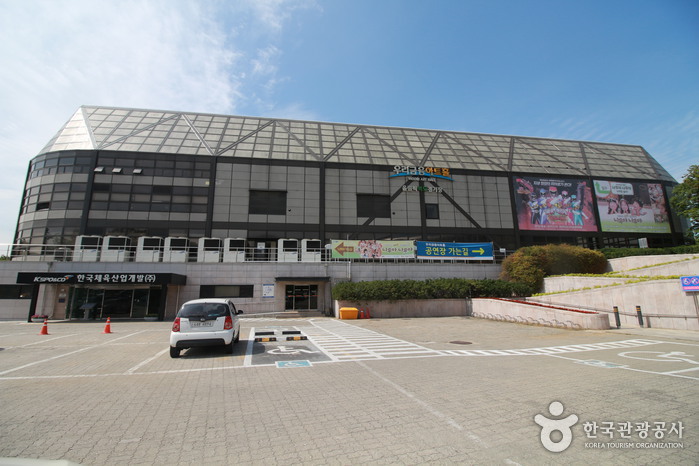
Woori Art Hall is a cultural art space located within Olympic Park, opened in November 2009 after a two-year renovation project from the previous Yeokdo Stadium. The 1,184-seat hall is primarily for musicals, but can also host a range of performances including plays, dance, classical, and modern music.
BGN Eye Clinic (밝은눈안과의원)
5.2Km 2025-10-23
(11th Floor), 300 Olympic-ro, Songpa-gu, Seoul
Since its foundation in 2000, BGN Eye Clinic has been playing a leading role in the field of vision correction. We offer a variety of vision correction surgeries using the latest medical technology and equipment, such as LASIK, LASEK, and intraocular lens implants, with emphasis on personalized care for each patient. We provide world-class healthcare through ceaseless research and investment in healthy vision for our patients. We strive to help our patients feel safe and comfortable with our warm-hearted and friendly services, providing high-quality care in a pleasant environment.
BGN is positioning itself as a trusted healthcare organization with a patient-centered approach.
 English
 한국어
한국어 日本語
日本語 中文(简体)
 Deutsch
 Français
 Español
 Русский


