
Shinsegae Department Store - Main Store (신세계백화점 (본점))
17.1Km 2025-04-07
63 Sogong-ro, Jung-gu, Seoul
Shinsegae Department Store opened its doors as the first modern department store in the country in 1960. It stands where Korea's first department store, the Japanese Misreukkosi Department Store, used to be in the 1930s. After undergoing remodeling in 2007, it reopened as a luxury hall, featuring diverse brands ranging from the top three international luxury brands to new designer brands. In addition, the Trinity Gardens and art halls in the department store serve as a cultural space for a shopping experience that combines art and shopping.
WIZ & MI Clinic (위즈앤미의원)
17.1Km 2025-10-23
#401-#403, 21 Myeongdong 7-gil, Jung-gu, Seoul
WIZ & MI Clinic presents unique beauty based on tailored, customer-oriented treatments and highly skilled know-how. Systemized and specialized treatments, along with standardization, enable the clinic to offer reasonable prices. Additionally, the clinic offers customized procedures for highly satisfactory outcomes and stability without side effects.
The medical staff at WIZ & MI Clinic have proven competencies, abundant clinical experiences, and expertise. With cutting-edge equipment, the clinic's competent staff members share their know-how through live demonstrations each year. WIZ & MIi Clinic pursues 'magic total beauty' that improves and balances physical beauty with a healthy mind. For this, the clinic conducts research and strives for healthy beauty for all its customers.
It is committed to providing honest care and helping patients re-discover their magical beauty and happiness.
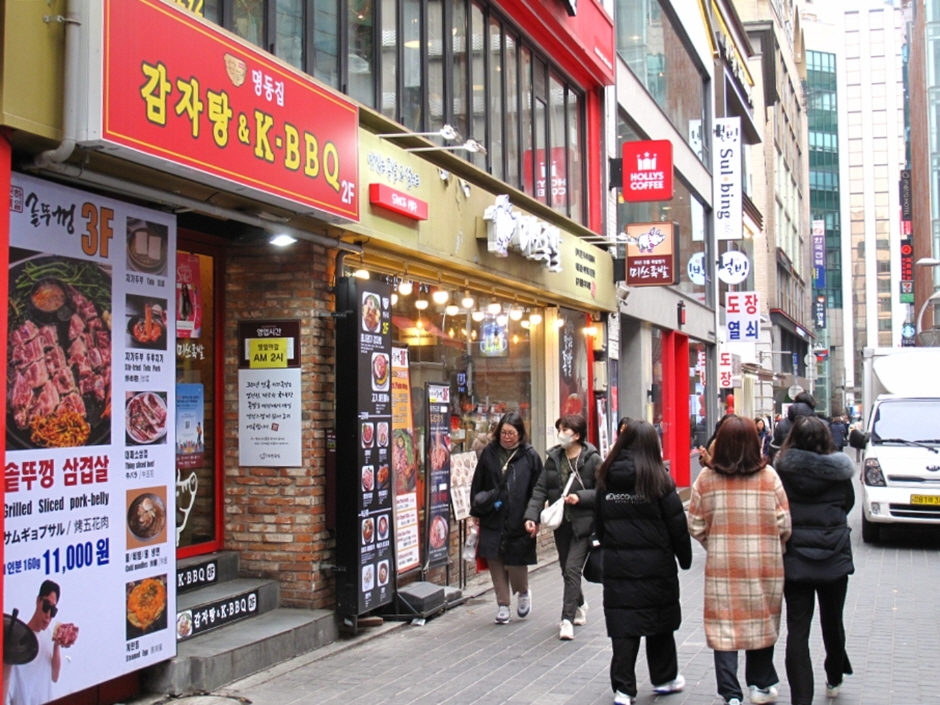
Myth Jokbal Myeongdong (미쓰족발명동)
17.1Km 2024-10-15
21, Myeongdong 3-gil, Jung-gu, Seoul
This restaurant specializes in Jokbal (Braised pigs' feet) and Bossam (Napa wraps with pork), both of which are served with vegetable wraps and salad. Jokbal (Braised pigs’ feet) is prepared by braising pigs' feet in spiced stock, a process that removes excess fat, enhances the flavor, and gives the meat a chewier texture. Each order of Jokbal (Braised pigs' feet) is accompanied by Kongnamulkimchiguk (Bean sprout and kimchi soup), to which Kalguksumyeon (Noodles) are added. For those who find the dishes too spicy, the restaurant offers a self-serve Jumeokbap (Riceball), featuring laver flakes, pickled radish, and mayonnaise to cool the palate.
YOU&I Clinic Myeongdong (유앤아이의원 명동점)
17.1Km 2025-11-24
#F301, 3rd Floor, Timewalk Myeong-dong Building, 78 Namdaemun-ro, Jung-gu, Seoul
YOU&I Clinic is a trusted dermatology and aesthetic clinic with extensive experience and expertise accumulated since 2006.
At YOU&I Clinic, we are committed to using authentic products, providing precise and honest treatments, and offering personalized services tailored to each individual’s needs.
We welcome clients not only from Korea but also from Japan, China, and Thailand, and offer Japanese and Chinese interpretation services. All foreign clients receive treatments at the same prices as Korean clients.
YOU&I Clinic specializes in lifting, petite procedures, and skin boosters, as well as a wide range of aesthetic skin treatments. We also provide thorough aftercare to ensure the highest level of satisfaction for every client.
SEVEN LUCK CASINO - Seoul Dragon City Branch (세븐럭카지노(서울드래곤시티점))
17.1Km 2023-07-21
95, Cheongpa-ro 20-gil, Yongsan-gu, Seoul
A special experience at the center of Seoul
Seven Luck Casino in Seoul Dragon City is located in Yongsan, Seoul, the center of Korean tradition and culture. This casino branch presents a grand x_height and wide space, decorated with a sensual interior design for elegance and comfort on a site of 3,146.96 m2. It is full of up-to-date casino facilities, such as Baccarat, Blackjack, Roulette, Tai-Sai, Seven Luck Poker, Casino War, Electronic Table Games (ETG), and slot machines. There are many famous hotels, tourist sites, and cultural heritage sites nearby Seven Luck Casino in Seoul Dragon City. Besides the casino, visitors can experience various traditional and contemporary cultures of South Korea.
* Seven Luck Casino is exclusively for the use of foreigners.
* Must be 19 years of age or older to enter.
* Passports are required to verify the age and nationality of patrons.
* Metal detectors are used as an added safety precaution.
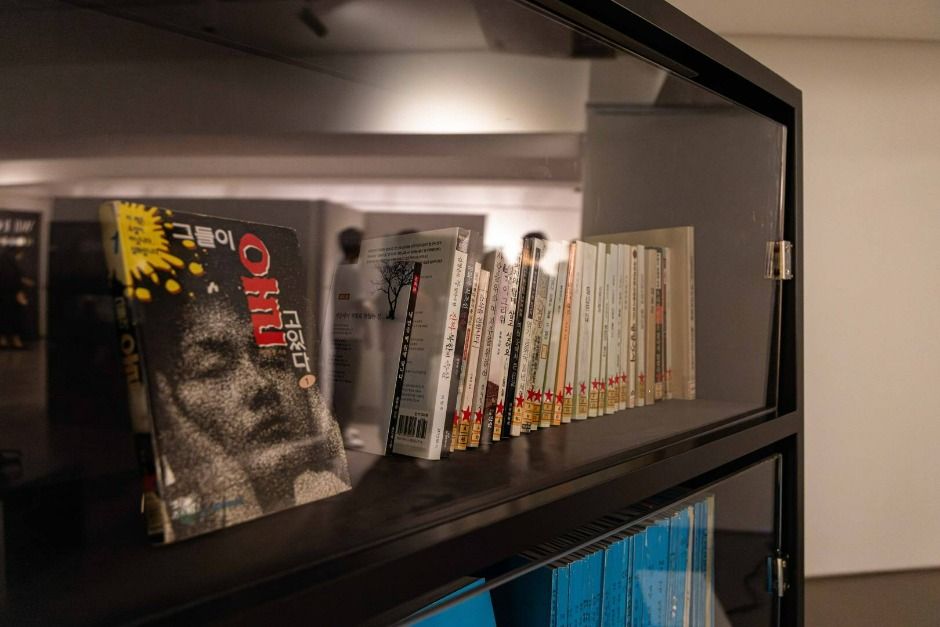
NKDB North Korean Human Rights Exhibition Hall (북한인권전시실)
17.1Km 2025-11-13
393 Samil-daero, Jongno-gu, Seoul
The NKDB North Korean Human Rights Exhibition Hall is a permanent exhibition space dedicated to North Korean human rights. Although it is a small space, it resonates deeply and serves as a "dark tourism" site that records and testifies to the ongoing reality of human rights violations in North Korea. The North Korean Human Rights Information Center (NKDB), which operates this exhibition hall, is the organization that collects and archives the most extensive records of human rights concerning North Korean residents in the world. The testimonies and records presented here represent a living history, a story unfolding in the present, unavailable elsewhere. Through donated North Korean artifacts, including these records, visitors can glimpse the present-day North Korea and encounter artwork by North Korean defectors.
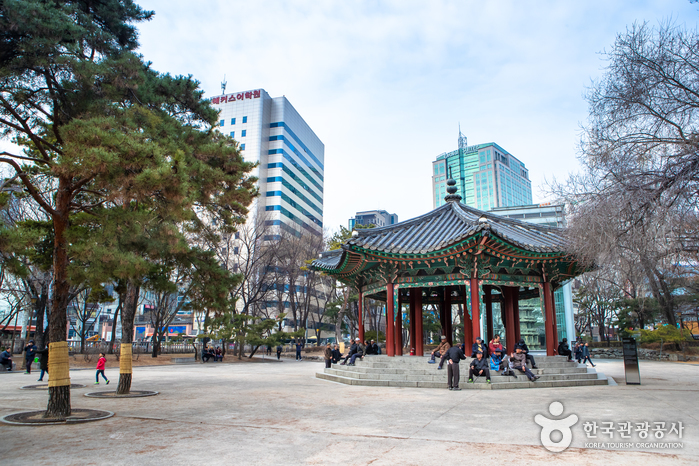
Tapgol Park (탑골공원)
17.1Km 2024-03-04
99, Jong-ro, Jongno-gu, Seoul
Tapgol Park is the first modern park in Seoul. Having been the site of the Buddhist temple of Wongaksa Temple since 1467, the land was turned into a park in 1897. The park has a significant presence in Korean history, being the place where the March 1 Independence Movement began in 1919. One can find historical sites that hearken back to the struggle, such as the Palgakjeong Pavilion, the center of the movement; cultural heritage sites such as the Ten-story Stone Pagoda of Wongaksa Temple Site and the Stele for the Construction of Daewongaksa Temple at Wongaksa Temple Site; and monuments such as the independence movement relief plate, murals, the statue of Son Byeong-hee, and the statue of Han Yong-un.
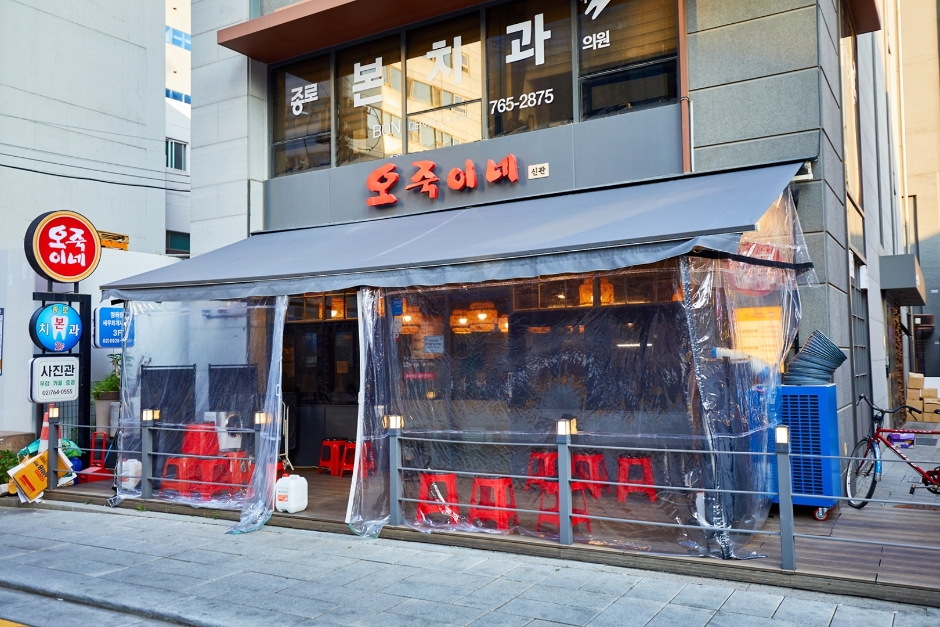
Ojugine (오죽이네)
17.1Km 2024-12-10
Ojugine is a restaurant that specializes in dak maeuntang, a spicy chicken stew that is different from dak bokkeumtang (spicy braised chicken), as the former has more soup than the latter. The stew is served whilst boiling, so one just needs to let it sit for a bit on the table before digging in. The spicy sauce and chicken are a match made in heaven, and the same goes for this dish. Interestingly, Ojugine uses smaller chickens to prepare their dishes, so the flesh braises in the stock faster. The resulting combination is sure to offer a memorable meal. Any remaining soup can be reused as a sauce for fried rice after the main meal, so visitors are advised to leave some space in their stomach.
Gyujanggak Library of Seoul National University (서울대학교 규장각)
17.2Km 2022-07-27
1, Gwanak-ro, Gwanak-gu, Seoul
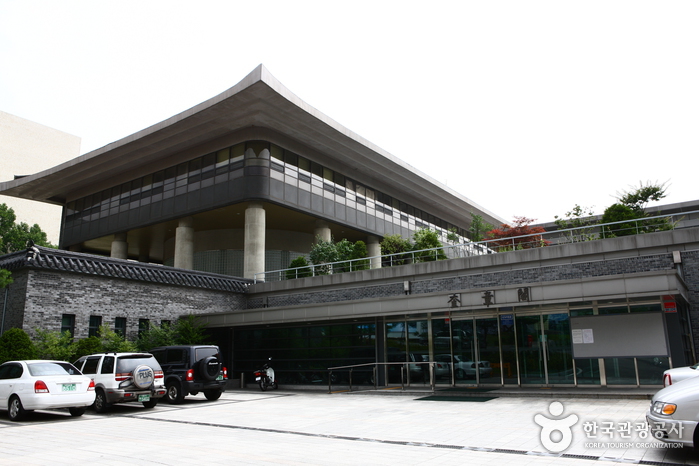
Gyujanggak Library was founded in 1776 during the reign of King Jeongjo, the 22nd ruler of the Joseon dynasty, at which time it was located within the Changdeokgung Palace grounds. It functioned as the royal library, which housed writings of the previous kings, their relics and books from home and abroad.
Today Seoul National University maintains the items of Gyujanggak in a traditional Korean building which is equipped with state-of-the-art facilities necessary for the preservation of cultural heritages. Moreover, Gyujanggak Library of Seoul National University collects and publishes books from a variety of sectors such as politics, economy and society.
Gyujanggak now houses more than 270,000 items including 7 national treasures, 8 treasures, 180,000-plus old books, about 50,000 documents and 18,000 printing blocks. Among them, Joseon Wangjo Sillok (the Annals of the Joseon Dynasty, a National Treasure), Seungjeongwon Ilgi (the Diaries of the Royal Secretariat, a National Treasure) and Uigwe (the Royal Protocols of the Joseon Dynasty) have been designated as UNESCO World Cultural Heritages.
 English
 한국어
한국어 日本語
日本語 中文(简体)
 Deutsch
 Français
 Español
 Русский


