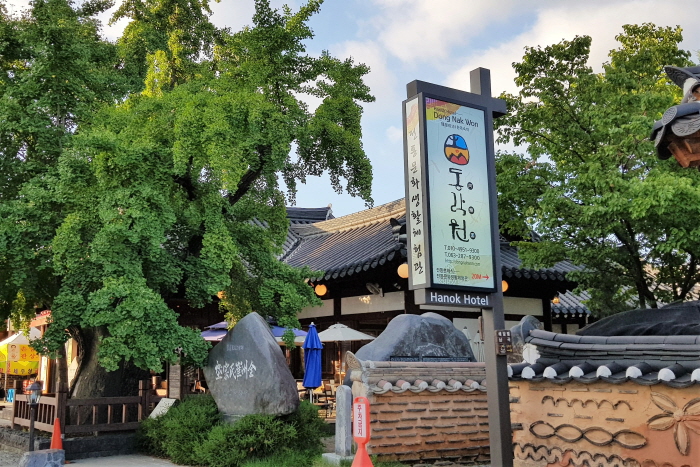
Dong Nak Won / 동락원
733.2M 2025-03-05
33-6 , Eunhaeng-ro, Wansan-gu, Jeonju-si, Jeonbuk-do
Dongnagwon is a hanok hotel in Jeonju Hanok Village, Jeollabuk-do. It was built as a memorial hall for the missionary William Junkin, who founded a school mission in Jeonju in 1895. Now refurbished as a hotel and venue for traditional performances, wedding ceremonies and seminars, visitors will find old-style interiors with antique furniture and folding screens. Guests can play traditional games in the yard, and there is a red clay room to relieve the fatigue of travel, free of charge. Mountain bikes can be borrowed to ride around the Hanok Village or on the banks of the Jeonjucheon Stream.

Omokdae and Imokdae Historic Sites (오목대와 이목대)
743.8M 2025-07-22
55 Girin-daero, Wansan-gu, Jeonju-si, Jeonbuk-do
Omokdae Historic Site is located on top of a steep hill and is one of the places where Yi Seong-gye, who later became King Taejo, the first king of the Joseon dynasty, stopped to celebrate his victory on his way home from a war against the Japanese army at Unbong Peak of Hwangsan Mountain. Across the bridge from Omokdae is Imokdae Historic Site, situated at the foot of Seungamsan Mountain. Approximately 80 meters downhill from Imokdae are memorial stones and a building where Mokjo, the great-great-grandfather of King Taejo, once used to live. The engraved letters on the stones are the handwritings of Emperor Gojong. Mokjo moved to Hamgyeongdo as a result of a dispute with the then minister of Jeonju, an incident which King Taejo believed to have laid the foundation for him to shape the Joseon dynasty.
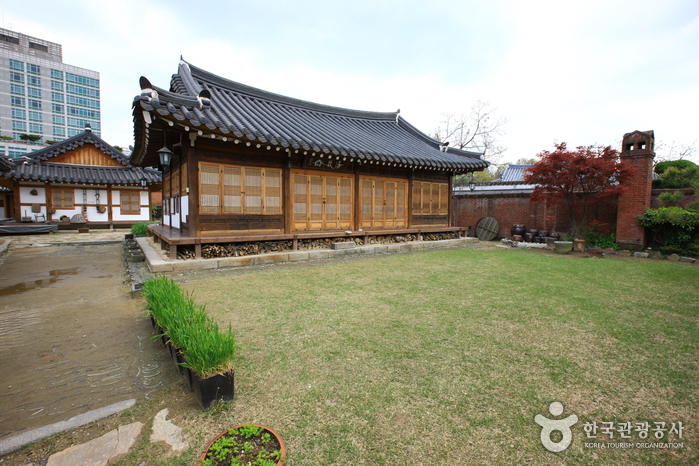
Dongnagwon House (동락원)
744.9M 2025-03-20
33-6, Eunhaeng-ro, Wansan-gu, Jeonju-si, Jeonbuk-do
The Dongnagwon House in Jeonju Hanok Village provides a getaway to experience hanok stay and traditional Korean life. Affiliated with Jeonju Kijeon College, Dongnagwon is also a memorial hall dedicated to W. M. Junkin, who came to Korea as a missionary from the South Presbyterian Church of the United States in 1892. Dongnagwon is a reproduction of the old hanok houses in Jeonju from the time when W. M. Junkin was doing his missionary work in the area. It is
comprised of three buildings: Anchae (main hall), Sarangchae (guest house), and Haengnangchae (servants’ quarters).
Visitors to Dongnagwon can learn and experience traditional Korean culture such as music, crafts, and dance while inhabiting traditional lodging. In addition to providing accommodation for individual guests, Dongnagwon is also used for group accommodations or activities such as seminars, conferences, and family events. For groups of 30 or more, it is possible to rent out the entire venue (in addition to all facilities, including Seungdokdang, Seunghwadang, Cheongyuje, and the front yard).
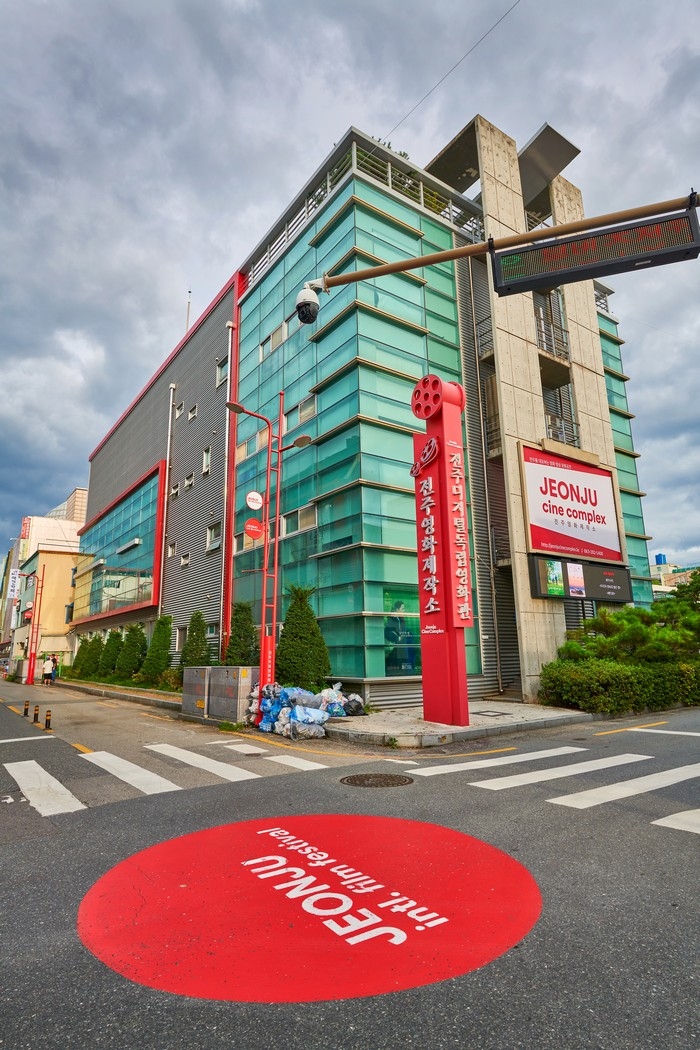
Jeonju Digital Independent Movie Cinema (전주디지털독립영화관)
749.7M 2025-10-29
22 Jeonjugaeksa 3-gil, Wansan-gu, Jeonju-si, Jeonbuk-do
This is a digital film and video integrated solution technology center equipped with post-production facilities for films. It also has the only independent art film screening room in the Jeonju area. With 98 seats, it serves as a hideout for maniacs who love independent films. In the data reading room on the 1st floor, visitors can watch Blu-ray and DVD of independent and art films from domestic and abroad, and one can enjoy Korean classic movies to their heart's content through the VOD service of the Korean Federation of Film Archives.
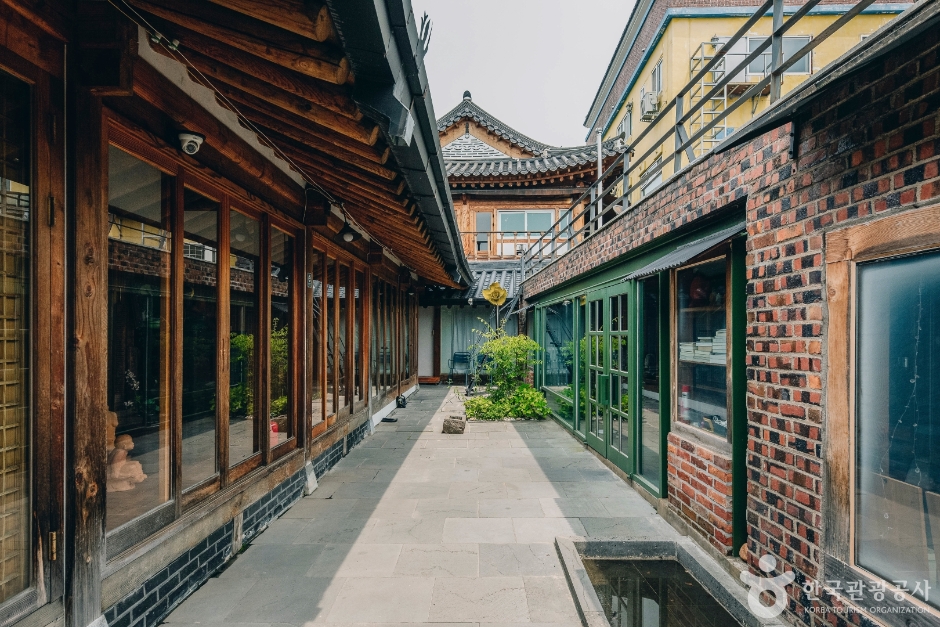
Dan Kyung (단경)
760.7M 2024-12-23
99 , Hanji-gil, Wansan-gu, Jeonju-si, Jeonbuk-do
Standing on Hanji-gil in Jeonju Hanok Village, Jeollabuk-do, Dankyung is a hanok stay with a more-than 80 year history that now welcomes travellers to a comfortable and cozy space. There are five accommodations altogether - four rooms in the main building, plus an annexe which is rented as a whole house. The floors are of wood, creating a delicate scent in all the rooms. Across the yard is a gallery where guests can take tea or coffee while looking at the art works on its wall. From the gallery roof, there are fine views of Jeonju Hanok Village.
Wansan Park (완산공원)
772.2M 2025-07-22
19-4 Gongsunae 1-gil, Wansan-gu, Jeonju-si, Jeonbuk-do
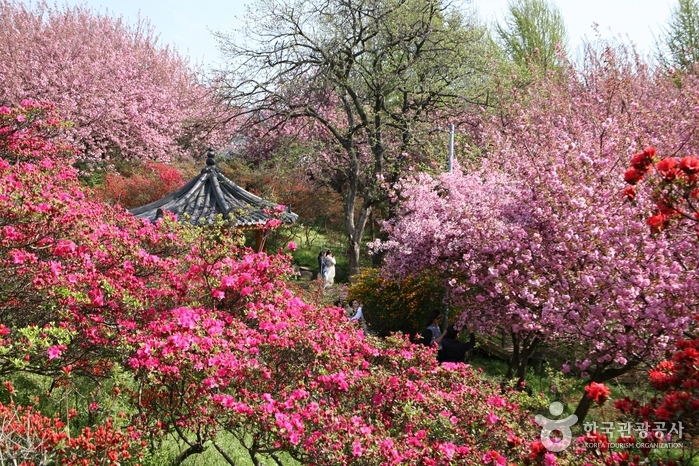
Wansan Park, also known as Wansanchilbong Peak, is located on the southern outskirts of downtown Jeonju. The mountain is known to be the origin of Iksan and Gunsan's birthplace and the mountain's fame had spread across the southern region along with Jeonju. In addition to the historically significant Chilseongsa Temple, there is a pavilion located at the top where people can look out over the surrounding area. The mountain is also a place where a fierce battle took place from the Donghak Peasant Revolution. Today, the mountain is made into a park and serves as a popular retreat for locals.
Bukyungdang (부경당)
784.5M 2024-12-23
99-5 , Hanji-gil, Wansan-gu, Jeonju-si, Jeonbuk-do
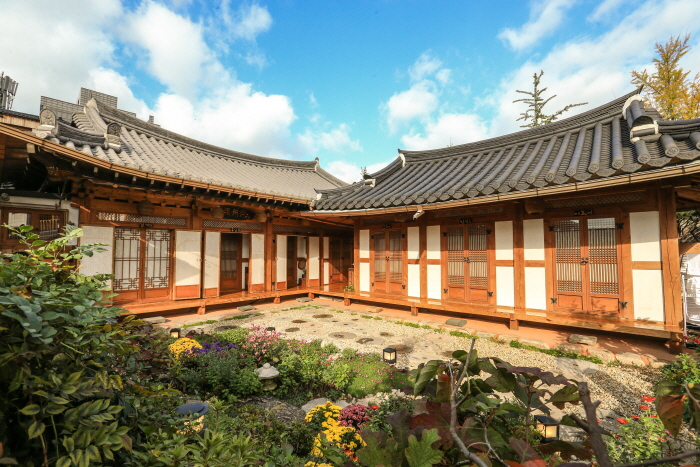
Bukyeongdang is a traditional hanok with a beautiful garden in the center of Jeonju Hanok Village, Jeollabuk-do. Traditional roof tiles and wooden porch, jar stands next to stone walls, and a small flower garden all express characterist hanok charm. Simple cooking is possible in the shared kitchen. Visitors can store their luggage before check-in and after check-out, and tourist information is provided. The hanok is close to major tourist attractions such as Imokdae (where Joseon founder Taejo once lived) Gyeonggijeon Shrine, Jeondong Cathedral, and the Jeonju Hyanggo Confucian school).
2521 (이오이일)
784.0M 2025-07-18
5-19 Omokdae-gil, Wansan-gu, Jeonju-si, Jeonbuk-do
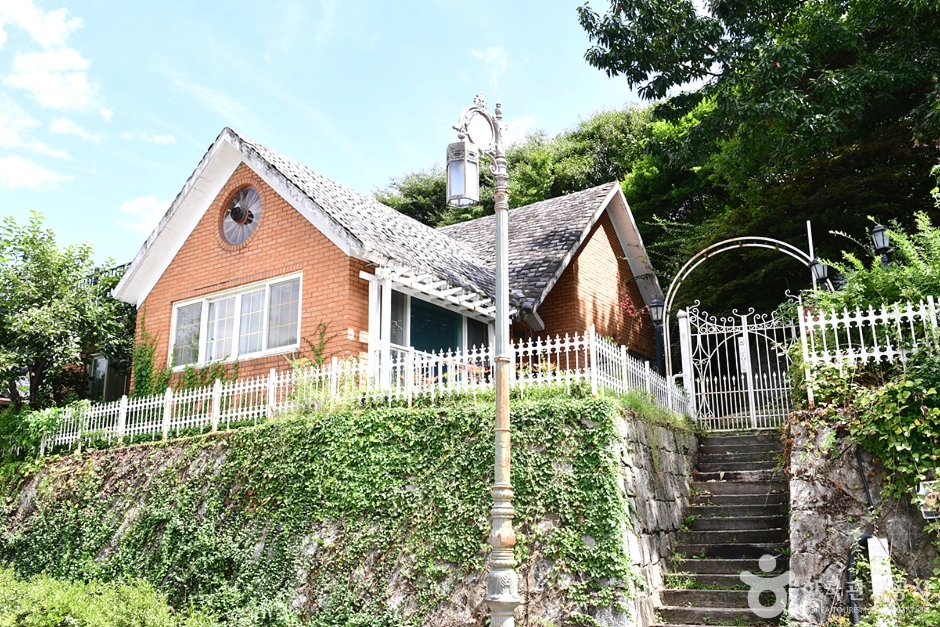
2521, pronounced yi-o-yi-il in Korean, a private guesthouse located in Jeonju Hanok Village. It was made popular as Na Hee-do's house in the drama "Twenty-Five, Twenty-One (2022)." Upon booking, the owner will set the scene just like from the drama. Guests can enjoy a barbeque party at the yard and the view of the hanok village from the rooftop. The guesthouse can accommodate up to eight guests.
Ihwa Gotaek (이화고택)
785.3M 2024-12-23
91 , Hanji-gil, Wansan-gu, Jeonju-si, Jeonbuk-do
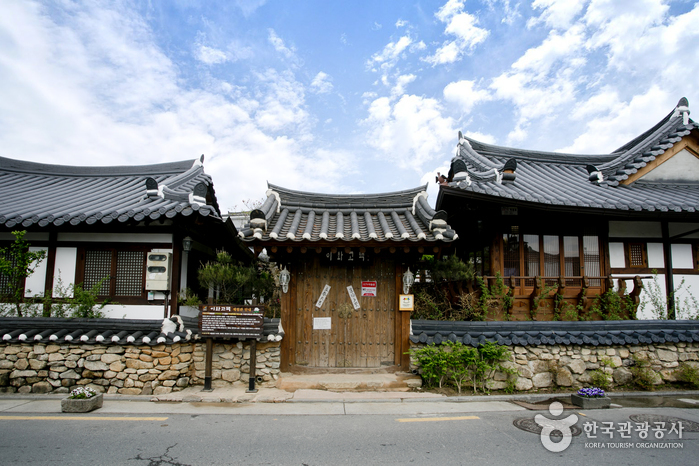
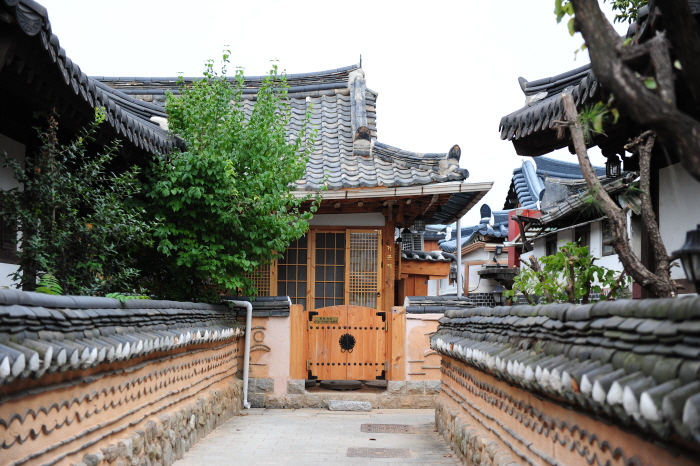
Ihwa Old House in Jeonju Hanok Village, Jeollabuk-do, is a charming hanok stay with a more than 100-year history, which preserves the traditional hanok pattern of connected wood-floored spaces called Numaru, Toenmaru and Jjongmaru. There are eight guestrooms, all equipped with a toilet. All new guests are welcomed with a glass of home-made sikhye (sweet rice drink) or patbingsu (shaved ice red bean desert), while for breakfast bibimbap or rice-cake soup will be served in Korean brass bowls. Guests can have a go at traditional crafts such as pansori, the tea ceremony, natural dyeing, and hanji making.
GaEunChae (가은채)
789.9M 2024-12-23
68-13 , Hanji-gil, Wansan-gu, Jeonju-si, Jeonbuk-do
Gaeunchae is a hanok stay in Jeonju Hanok Village, Jeollabuk-do, constructed of wood in the traditional way without using nails. The location is ideal for local sightseeing as it’s close to Jeonju Craft Masters Hall, the Traditional Wine Museum, Seunggwangjae (home of the last Joseon prince Yi Seok), and Dakjong Hanji Doll Workshop. The exceptionally scenic alleyways around Gaeunchae are part of a Village tour. In the yard visitors will see different types of stone used as paving or decoration: granite, mica, and other local stones, all hand-trimmed by our ancestors.
 English
 한국어
한국어 日本語
日本語 中文(简体)
 Deutsch
 Français
 Español
 Русский


