Jeonju Pungnammun Gate (전주 풍남문)
458.7M 2024-05-27
1 Pungnammun 3-gil, Wansan-gu, Jeonju-si, Jeonbuk-do
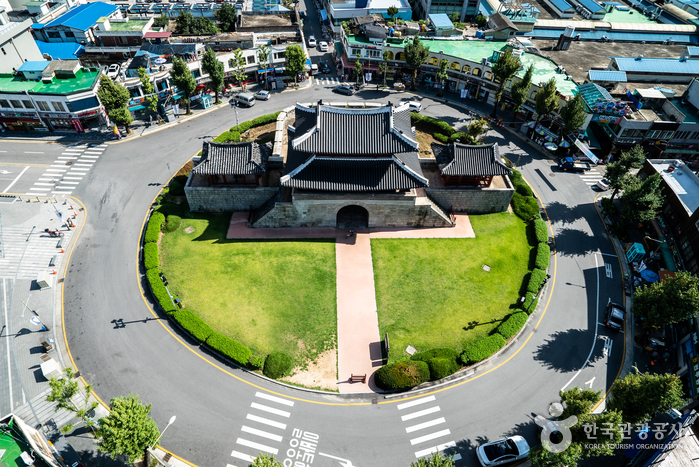
Pungnammun Gate was built during the Joseon dynasty in 1734 and is a designated Treasure. Pungnammun Gate was the southernmost gate among the four city gates of Jeonju. The structure was severely damaged by fire in 1767, followed by the restoration of the gate tower afterward. The gate was burnt down once again during the Imjin War and was restored to the gate that is seen today.
Gyodonggaon (교동가온)
467.4M 2024-08-05
73-1 , Eunhaeng-ro, Wansan-gu, Jeonju-si, Jeonbuk-do
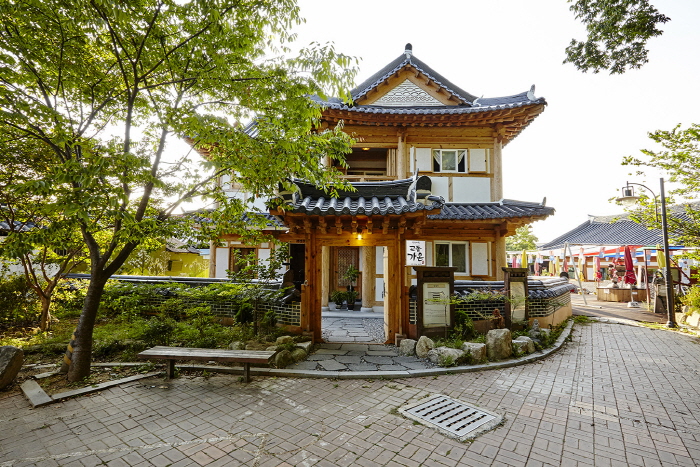
Gyodong Gaon is a two-story hanok stay on the main street of Jeonju Hanok Village, Jeollabuk-do. The yard contains a small garden, a jangdokdae (jar stand), a furnace and a mural that has become a popular place for photos. The upper floor guestroom Numaru (‘Loft’) offers a panorama of the village. The first floor Meomulda (‘Lodging’) guestroom has a door between bedroom and living room. Nanuda (‘Sharing’) on the 2nd floor is the largest room, while Damda (‘Contain’) and Ggumggu (‘Dreaming’) both have attics. Finally, Geurida (’Drawing’) is a room with a fine view. Traditional games such as Hoops and Tuho can be played without charge.
Jeonju Jeondong Catholic Cathedral (전주전동성당)
480.1M 2024-05-27
51 Taejo-ro, Wansan-gu, Jeonju-si, Jeonbuk-do
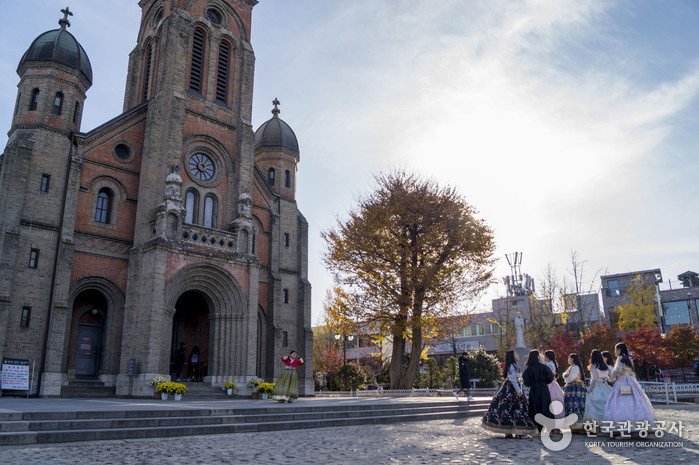
Jeondong Catholic Cathedral in Jeonju was built in honor of Roman Catholic martyrs of the Joseon dynasty on the very same spot the martyrs lost their lives. The land was purchased by French Priest Baudenet in 1891 (28th year of King Gojong), but construction of the church did not begin until 1908. Construction was completed in 1914, a time during which Korea was under Japanese rule. Though originally built just outside of Pungnammun Gate, the site of the martyrs, the church was later moved to its current location for expansion.
The first Romanesque building in the Honam region, Jeondong Catholic Cathedral is made of gray and red bricks and bears a striking resemblance to the Myeongdong Cathedral in Seoul, also designed by Priest Poinel. Not only considered one of the most beautiful Catholic churches in Korea, some even go so far as to say it is one of the most beautiful structures in all of Korea, citing the church’s unique combination of Byzantine and Romanesque architectural styles. The rectangular building is topped with three Byzantine bell towers (to the right, center, and left) and boasts arched ceilings, several of which meet in the form of a cross.
It is interesting to note that some of the bricks used in construction of the church were made using materials from the Jeonjueupseong Walled Town, which was torn down by the Japanese. It is also said that the cornerstone of the church came from a wall of Jeonjueupseong Walled Town near Pungnammun Gate.
Jeonju Pungpaejigwan Guesthouse (전주 풍패지관 (전주객사))
532.1M 2024-05-27
59 Chunggyeong-ro, Wansan-gu, Jeonju-si, Jeonbuk-do
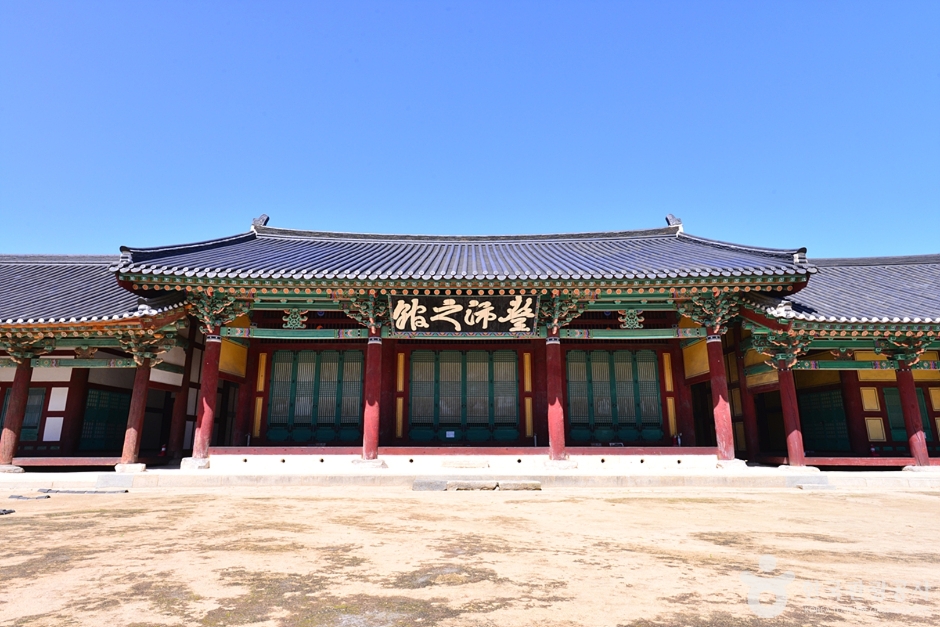
During the Joseon dynasty, officials and envoys visiting Jeonju stayed here. Today, it is open for anyone to see. The long and spacious maru (wooden central space) is open to the public, making it a comfortable resting place for citizens and tourists. Located in downtown Jeonju, it is easy to find and close to Jeonju Hanok Village.
Siwon / 시원
581.4M 2025-06-11
45-41 , Omokdae-gil, Wansan-gu, Jeonju-si, Jeonbuk-do
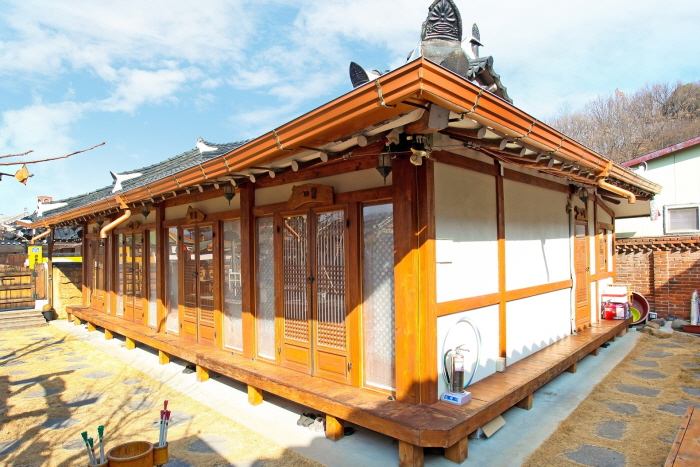
Siwon is a timber and clay-built hanok stay, part of Jeonju Hanok Village in Jeollabuk-do. It has four guestrooms, all but one with a small attic - so guests can have fun climbing up and down the ladder! The rooms have all been insulated and draft-proofed to keep visitors warm and comfortable. In the yard is a small garden and swing, and guests can play traditional games such as Tuho and Jegichagi - or even take part in a carpentry workshop. Must-see sites such as Gyeonggijeon, Jeondong Cathedral, Omokdae, and Nambu Market can all be reached on foot.
Jeonju Nambu Traditional Market (전주 남부시장)
592.1M 2025-07-22
19-3 Pungnammun 1-gil, Wansan-gu, Jeonju-si, Jeonbuk-do
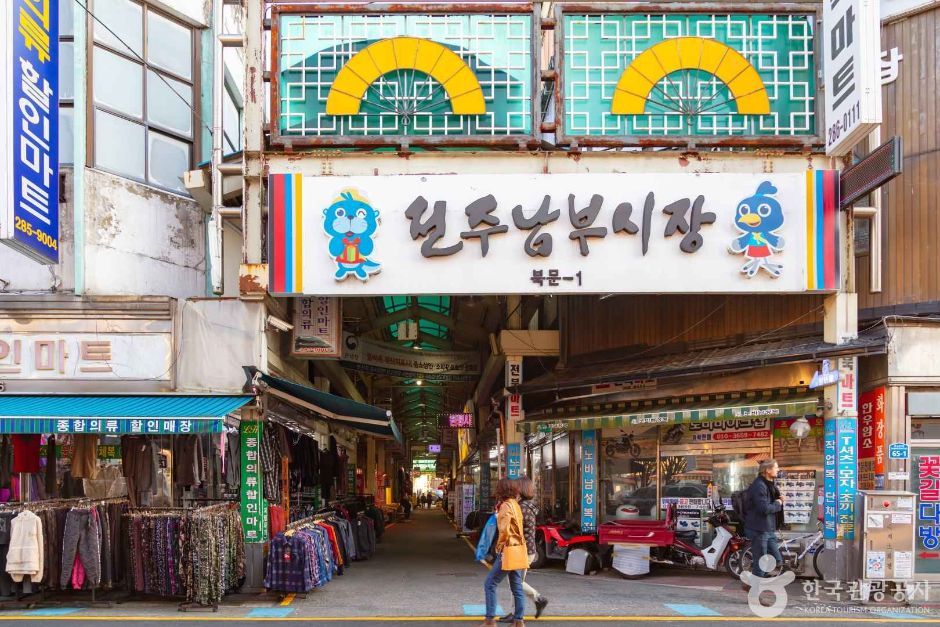
Jeonju Nambu Traditional Market opened as a regular public market in 1905 at the site of the Joseon-era Nammunbakk Market, located just outside the Southern gate to the city. Currently the market is comprised of about 800 stores with 1,200 workers selling vegetables, fruits, food, dried fish, furniture, silk goods, and general goods.
The market was revitalized with the creation of the Youth Market, located in the previously empty shops on the second floor of 6-dong. An influx of young shopkeepers and entrepreneurs has given the marketplace an exciting vibe like that found in Hongdae or Samcheong-dong.
The night market held on Fridays and Saturdays also draws in many visitors with a multitude of delicious treats, ranging from traditional dishes such as nokdujeon (mung bean pancake) to fusion treats like bibimbap served in rice paper like a spring roll.
2521 (이오이일)
604.2M 2025-07-18
5-19 Omokdae-gil, Wansan-gu, Jeonju-si, Jeonbuk-do
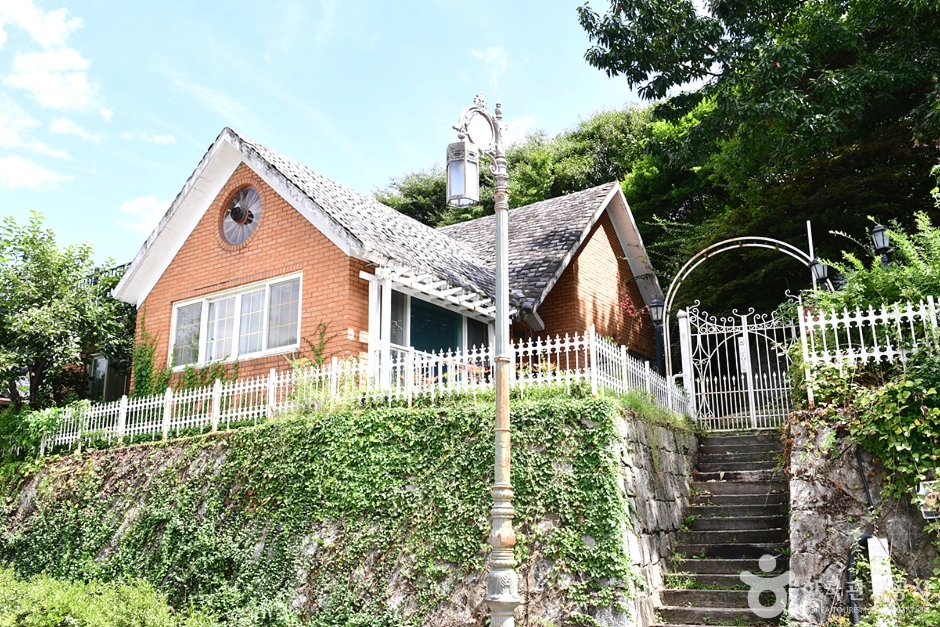
2521, pronounced yi-o-yi-il in Korean, a private guesthouse located in Jeonju Hanok Village. It was made popular as Na Hee-do's house in the drama "Twenty-Five, Twenty-One (2022)." Upon booking, the owner will set the scene just like from the drama. Guests can enjoy a barbeque party at the yard and the view of the hanok village from the rooftop. The guesthouse can accommodate up to eight guests.
Hanokstory (한옥이야기)
607.3M 2024-08-05
83-14 , Eunhaeng-ro, Wansan-gu, Jeonju-si, Jeonbuk-do
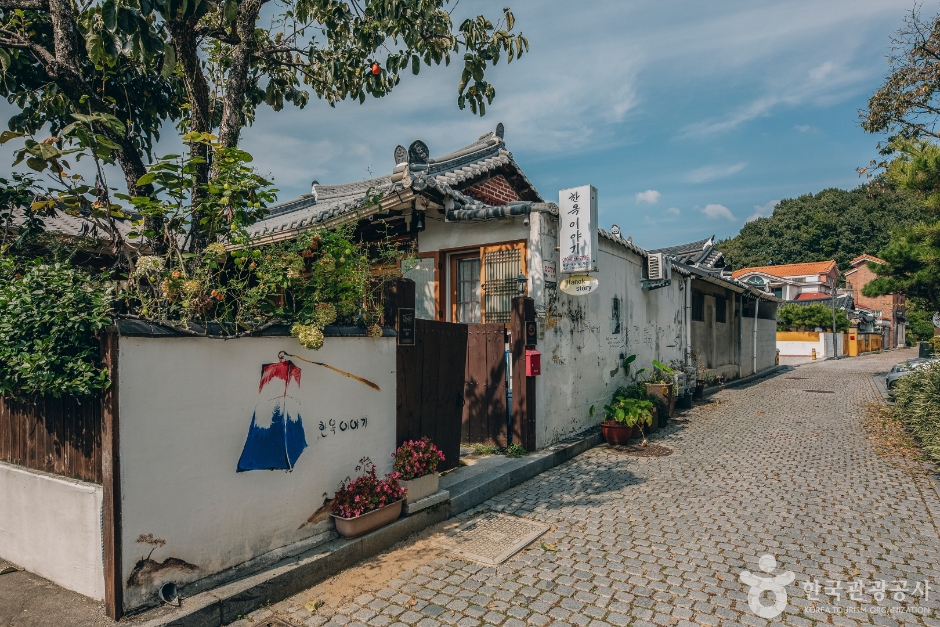
Hanok Story, on Hyanggyo-gil in Jeonju Hanok Village, Jeollabuk-do, is a hanok guesthouse that harmonizes tradition with convenience. Each room is equipped with a toilet, TV and AC, and one room has cooking facilities. In the yard is a 50-year-old persimmon tree - the house’s tutelary spirit - and a cafeteria built of cypress wood. Here visitors can enjoy tea or a free breakfast, while at weekends tea ceremonies are held (but book ahead for this).

Hakindang (학인당)
621.7M 2024-08-05
45 , Hyanggyo-gil, Wansan-gu, Jeonju-si, Jeonbuk-do
Hagindang - also known as Injae’s Old House - is the oldest house in Jeonju Hanok Village, and a designated Jeollabuk-do cultural treasure. The house was built in the royal architecture style by some of the best late Joseon artisans. The Sarangchae guestroom has two sleeping rooms and a living room, suitable for families; while the Byeoldangchae has three guestrooms, one with a tea room space. Guests can use the free minibar while contemplating the old house’s fine traditional garden.
Gaeksa-gil (객사길)
647.9M 2024-04-07
10-1 Jungang-dong 2(i)-ga, Wansan-gu, Jeonju-si, Jeonbuk-do
Gaeksa, which was installed in every town during the Goryeo and Joseon periods, was a type of accommodation where foreign envoys or government officials from other regions stayed. Gaeksa can still be seen today in downtown Jeonju and there's a "Gaeksa-gil Street" at the main street of the old city center. The street features countless roadside shops and franchise restaurants so both Jeonju locals and tourists frequently visit the area. Also, Jeonju Gaeksa-gil is where the Jeonju International Film Festival is held every year. Considered as one of the three main Korean film festivals, the Jeonju International Film Festival primarily presents independent films and has discovered many hit movies and new actors. On one side of Gaeksa-gil, you can also find Jeonju Cine Complex and several movie theaters, which is why it is called the "Film Street." In the back of the Film Street, restaurants, cafes and clothing shops attract movie fans to form so-called "Gaengnidan-gil."
 English
 한국어
한국어 日本語
日本語 中文(简体)
 Deutsch
 Français
 Español
 Русский


